
Pets
Six Common Dog Behavior Problems, and Where to Start
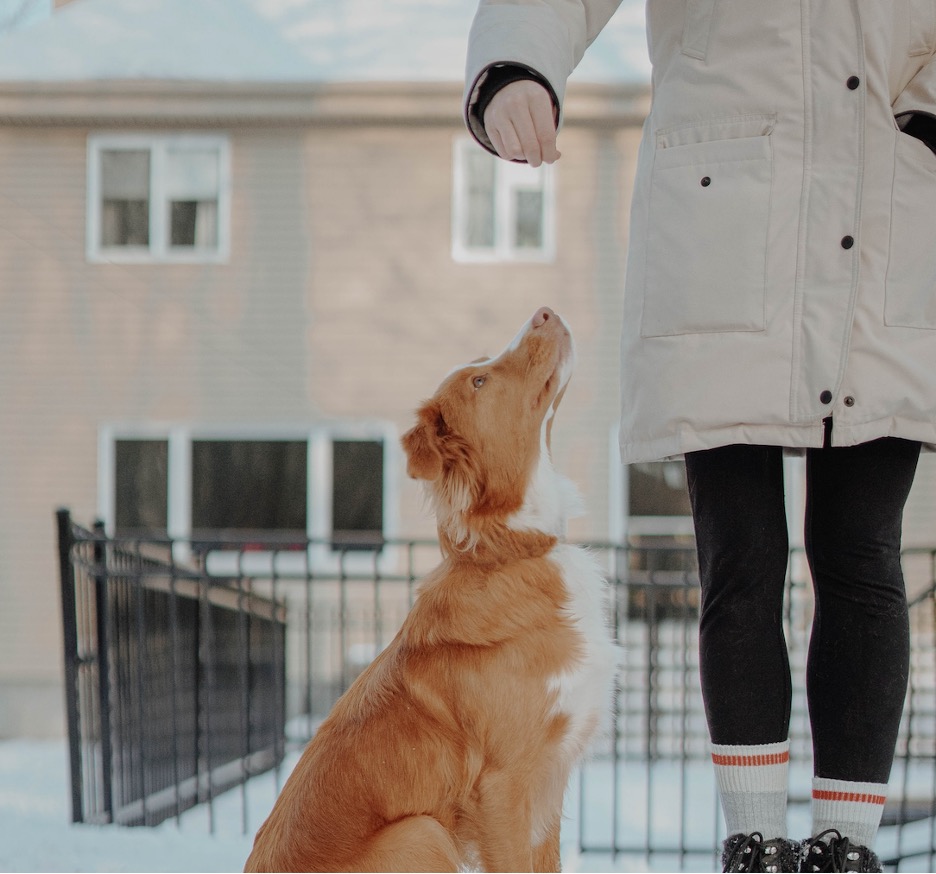
A dog that chews a shoe may need something suitable to chew. A dog that barks when left alone may be distressed. The damage or noise is visible, but you need to know more before deciding what to do.
Watch when the behavior starts and what happens afterward. Tell your vet about sudden changes or anything suggesting pain or illness. Keep children and visitors away from situations where the dog might bite, and get professional help for aggression.
Training should teach an alternative, using rewards rather than pain or fear. That is the approach recommended by the American Veterinary Society of Animal Behavior. The following six problems don’t all have the same solution. Begin with the cause, manage the immediate situation, then practice the behavior you want.
Aggression and warning signals
Growling, freezing, showing teeth or lunging deserve attention. Fear can be involved, but pain, guarding and other causes are possible too. You can't work out the cause from a growl alone.
Create distance from whatever is setting the dog off. Use doors or barriers to keep children and visitors safe, and arrange veterinary advice. Don't punish a growl; you need to notice those early warnings rather than push the dog closer to biting.
A properly fitted basket muzzle can be part of a professional safety plan, introduced gradually with rewards. It isn't permission to force a worried dog into a situation it can't handle.
Barking that keeps going
Barking is one way dogs communicate. It can happen during play, in greeting, for attention or in response to something alarming. To work on it, first find out when your dog barks and what it appears to be responding to.
You can reduce some triggers, such as the view of people passing a window. Reward a pause in barking or a different activity. Avoid shouting, and get help if you need a training plan.
If a dog barks after you leave and shows signs of distress, tell your veterinarian. Separation-related problems aren’t solved by simply letting the dog bark until it stops.
Biting and mouthing
If your dog has snapped or bitten, first prevent another incident. Keep it safely apart from children and visitors and contact your veterinarian or a qualified behavior professional. Don’t repeat the situation to see what happens.
Puppy play mouthing is a different problem. Redirect to a suitable toy and give the puppy a quiet break when play gets rough.
Supervise children closely around dogs. When you can’t actively watch, separate them, even if the dog has known the family for years.
Chewing your belongings
You find a damaged shoe after coming home. Scolding the dog now won’t show it what to chew next time. Put tempting belongings away and leave suitable chew items available under appropriate supervision.
When you actually see the dog chewing something unsuitable, redirect it to an allowed item and reward that choice. Check toys for damage before pieces come off.
Puppies commonly explore by chewing. A sudden new habit in an adult dog, or swallowing objects, deserves veterinary advice. Keep cords, medicines and other dangerous items out of reach.
Pulling on the leash
A quiet place is easier for learning than a route full of other dogs. Practice there first, rewarding your dog for walking near you on a loose leash. Stop when it pulls, or change direction calmly. Reward returning to your side.
Choose comfortable, well-fitted walking equipment and work in short sessions. As the dog improves, practice around more distractions.
Pulling isn’t a test of who is in charge. Avoid leash jerks, and don’t expect every dog to learn in a few days. Reward the behavior you want to keep.
Ignoring a recall
A dog’s name may get its attention without telling it to come over. Choose a cue for that action, practice close by and reward coming to you. Add distance and distractions as the dog learns.
For now, use a secure enclosure or an appropriate long line. Don’t test an unfinished recall beside traffic or wildlife. A dog can respond well indoors and still find an exciting outdoor setting difficult.
Calling should sometimes lead to a reward and more play, rather than always ending the fun. Ask everyone at home to use the same approach, with clear rules and rewards nearby. Keep practice short enough for the dog to take part without becoming overwhelmed.