
Family life
7 Reasons to Renovate a Home, Without Assuming Every Upgrade Pays Back
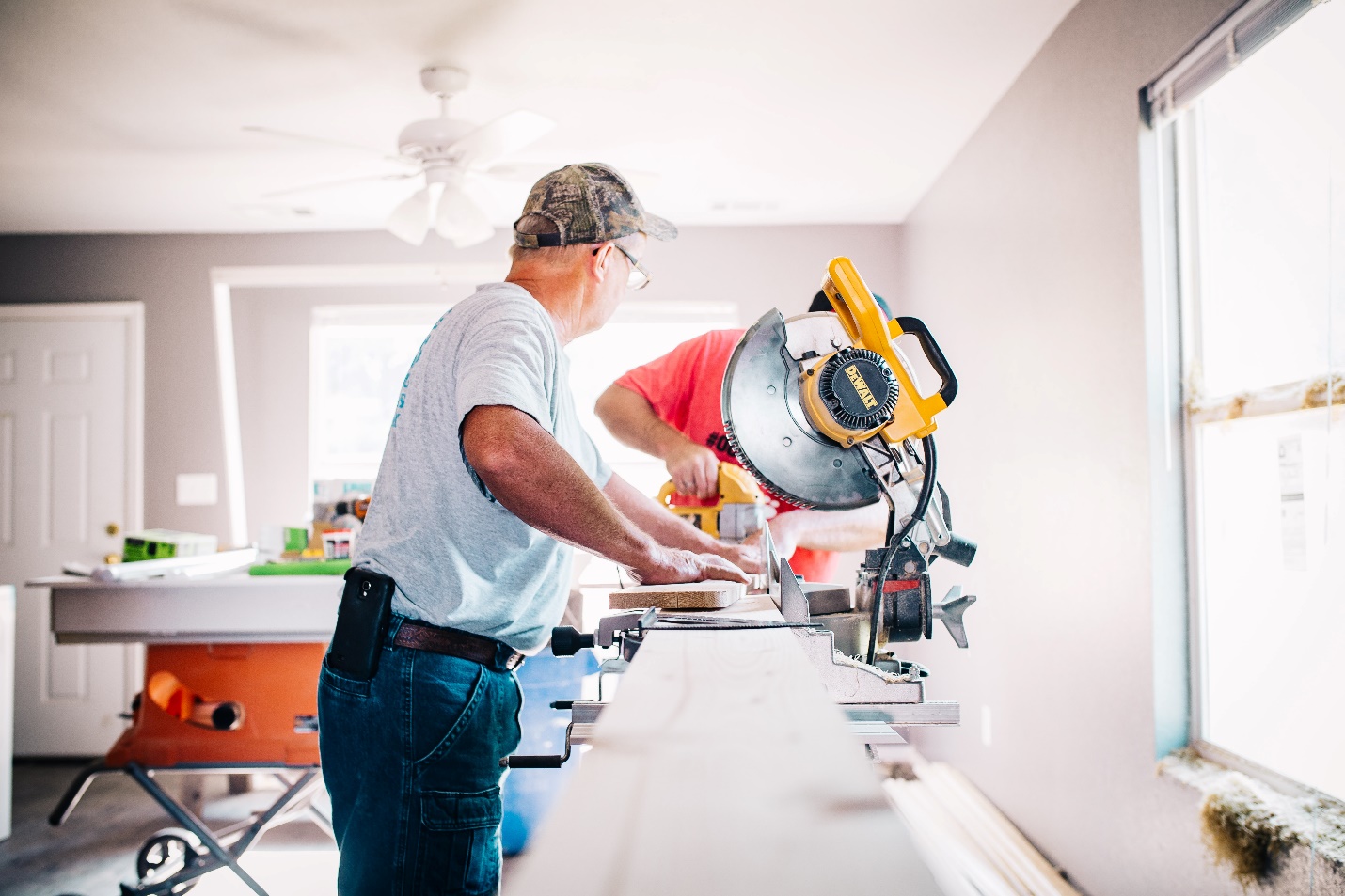
A renovation can begin with a leaking roof, a crowded bathroom or a kitchen that no longer works for the people using it. Those are different problems, and they don't all call for the same budget or the same kind of professional.
You don't need to renovate twice a year to look after a home. Separate maintenance from changes you'd simply enjoy, then decide what you can afford. These seven reasons can help you sort that list before the dust sheets come out.
1. Deal With an Existing Problem
A persistent leak, damaged wiring or a worrying crack needs assessment before cosmetic work covers it up. Find out what's causing the problem and who is qualified to repair it. Painting over a stain won't tell you whether the roof is still leaking. Leave structural and electrical decisions to appropriate professionals.
2. Make the Home More Comfortable
A drafty room or an unevenly heated floor may be a good reason to investigate insulation, air leaks or the heating system. The Department of Energy recommends an energy assessment to help identify useful improvements. Replacing windows isn't automatically the best first step, and an upgrade doesn't guarantee a particular saving.
3. Prepare for a Possible Sale
If you plan to sell, first look at the home's condition and the local market. A necessary repair may matter more than a fashionable finish. Ask a knowledgeable local professional what buyers are noticing, then compare that advice with the cost of the work. A higher asking price isn't the same as recovering every dollar spent.
4. Enjoy the Space You Live In
You may want a quieter bedroom, better lighting or a place to sit outdoors. Those choices can have value to you even when they aren't made for a future buyer. Be clear about the problem you're solving. A modest change might make the room more pleasant without replacing everything in it.
5. Understand the Cost Before Committing
Planning a renovation can reveal how much different options actually involve. Compare written quotes, check what's included and allow for surprises in the part of the house being opened up. Don't assume you need to remodel every room before a sale. The existing space may need repairs and a tidy finish rather than a complete replacement.
6. Fit Changing Household Needs
A growing family, working from home or a change in mobility can make an old layout awkward. Think about storage, access, privacy and how rooms are used throughout the day. An extra bathroom or an altered doorway needs proper planning, and some work will require permits. Check those requirements before treating the design as settled.
7. Update a Finish That Bothers You
A dated color or worn cabinet front can be reason enough for a small project. Try samples in the room's actual light before choosing a finish, and consider what you can keep. Trends change faster than a well-maintained house needs rebuilding. Choose something you can live with, rather than assuming the newest look is what every future buyer wants.