Pets
Cold-Weather Care for Dogs Starts Before the Walk
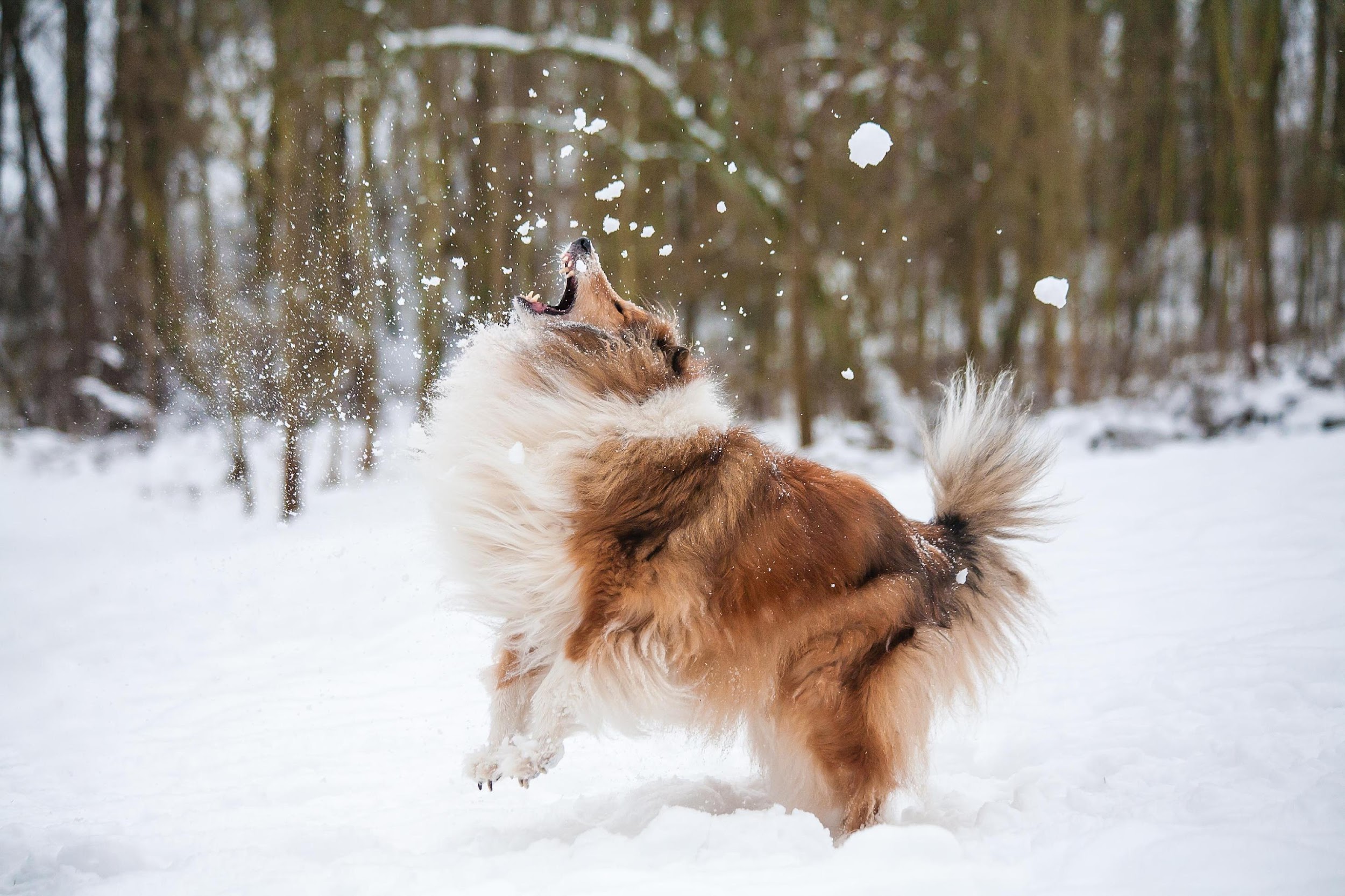
Some dogs cope with cold better than others, but coat and breed aren’t the only things to consider. Look at size, age, health and the actual weather, especially wind and dampness.
Winter walks should suit the individual dog. Watch its response and be willing to turn back. Enjoying the snow doesn’t make a dog immune to frostbite or hypothermia, so keep an indoor, warm place available and don’t leave it outside based on breed alone.
Make the sleeping spot warm and dry
Check where your dog sleeps. Is there a draft, a cold floor or damp bedding from a walk? Arrange a warm, dry bed indoors and keep an eye on it through winter.
Heated products need care. Use them as directed, protect electrical cords and leave space for your dog to move away. A dog that is ill, elderly or less mobile may need help staying comfortable. Don’t assume it can always adjust its position or bedding without assistance.
Work with the coat your dog has
A jacket may help a short-haired or cold-sensitive dog, provided it fits and stays dry. Make sure your dog can move normally in it. It isn’t a reason to stay outside when conditions are unsafe.
Continue ordinary grooming through winter. Deal with mats and wet fur, and ask a groomer or vet about any clipping the dog needs. Growing the coat without attention to its condition isn’t a complete winter-care plan. Supervise your dog outdoors, with or without clothing.
Check paws after each outing
Salt and other deicing products can stay on a dog after a walk. Wipe or rinse the feet and belly, look between the toes and dry the paws. Check for soreness or injury from ice and rough surfaces.
A dog that tolerates properly fitted booties may benefit from them. Introduce them gradually at home. A bleeding, painful or persistently licked paw needs veterinary advice.
Antifreeze is a separate urgent hazard. Store it out of reach, clean spills and call a veterinarian urgently if ingestion is suspected. Don’t wait to see if symptoms appear.
Adjust activity before adjusting meals
Shorten walks when the weather requires it, and use suitable indoor games or training for activity. A dog doing strenuous work outside may have different feeding needs from one spending more time resting indoors.
Don’t add food just because it is winter. Watch your dog’s activity and body condition, and ask your veterinarian about meal changes. Keep fresh drinking water available.
Know when the outing is over
Head indoors if your dog shivers, slows down, lifts its paws, whines or wants to turn back. Pay particular attention to weakness or unusual dullness. Stop the outing rather than pushing for a distance target.
If frostbite or hypothermia is suspected, take the dog somewhere warm and dry, then contact your veterinarian promptly. Follow instructions while arranging care. Don’t rub skin that may be frostbitten or put it against intense direct heat.
Plan around the forecast, with a route that is easy to shorten. Some very cold days are better suited to a short toilet trip and appropriate activity inside. A longer walk can wait.