Parenting
Sibling Rivalry: When to Give Children Space and When to Step In
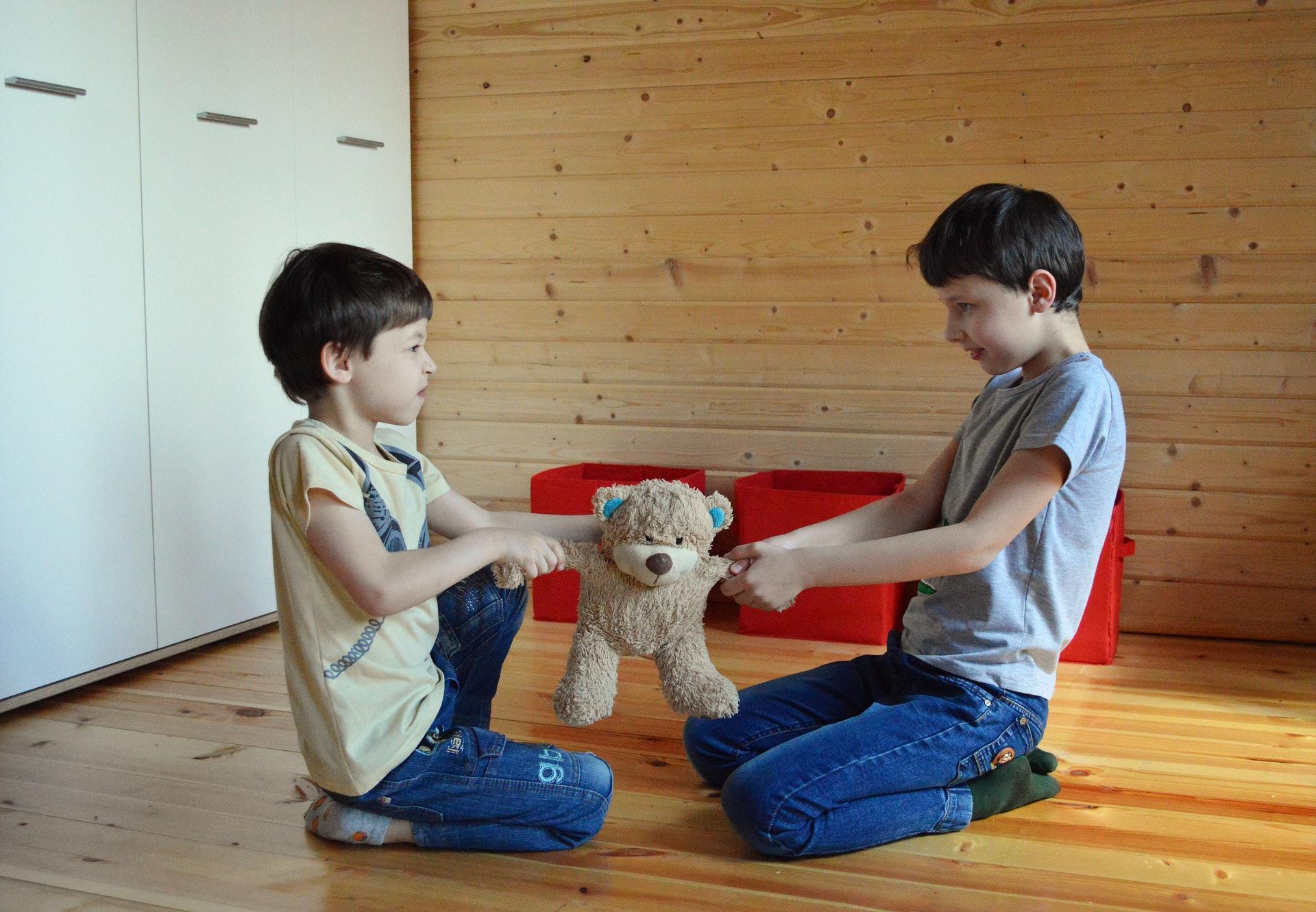
One child wants the toy another child has just picked up. A small disagreement turns into an argument about whose turn it always is. Siblings can compete for objects, space and attention, even when they also enjoy each other's company.
Rivalry isn't proof that a family has done something wrong. Children have different temperaments and changing needs, and sharing a home gives them plenty to negotiate. Still, calling every conflict normal can hide a problem. Repeated intimidation, injury or a child feeling unsafe needs attention, rather than being left for the children to sort out.
Notice the Pattern Before Choosing a Response
Try to understand when the arguments happen. Is everyone tired after school? Does one child keep borrowing things without asking? Has a new baby changed how time and attention are shared? A pattern can suggest a practical change, such as a snack before homework or a place to keep a few private belongings.
Avoid treating one child as the permanent troublemaker. Describe the action you saw instead of deciding that someone is always jealous or selfish. You may need to hear from each child separately to understand what's been happening.
Make Room for Different Needs
Fair treatment doesn't always mean identical treatment. A younger child may need earlier bedtime help, while an older child needs privacy for schoolwork. Explain a difference in simple terms instead of leaving children to guess that it reflects who is loved more.
Give each child some individual attention when you can. It needn't be an elaborate outing; a short game or conversation can be enough to make space for their own interests. Don't make one sibling's achievements the standard the other must meet.
Set Limits on How They Disagree
Children can be angry without being allowed to hit, threaten, damage belongings or humiliate one another. State those limits clearly when everyone is calm. Avoid turning shared activities into constant competitions about who is quicker, cleverer or better behaved.
If a child is hurting another, separate them and deal with safety first. Younger children often need more help from an adult to manage a disagreement. Don't make the older child responsible for accepting mistreatment simply because they're supposed to know better.
Coach a Small Disagreement
When children are safe and reasonably calm, you can give them a chance to suggest a solution. Ask each to explain what they want without interrupting. Help them consider turns, a timer or another activity. You don't need to decide who is a better sibling to work out who uses a toy next.
If the conversation heats up again, pause it. A break is different from ignoring the problem. Come back when they can talk, and help them repair any harm without forcing a hug or an apology they don't understand.
Create Time Together Without Forcing Closeness
A shared game, cooking task or family outing can give siblings a different way to spend time together. Choose something that fits their ages and doesn't always place one child in charge. Let them have separate interests and friendships too.
Some sibling relationships grow warmer with time; others stay complicated. No activity guarantees a lifelong bond. If one child is regularly afraid of another, or conflict keeps disrupting daily life, seek help from your pediatrician, school counselor or a qualified family professional. Learning to handle an ordinary disagreement should never require a child to tolerate being harmed.
American Academy of Pediatrics: supporting sibling relationships