Pets
Has Your Dog Seemed Unhappy Lately? Changes Worth Noticing

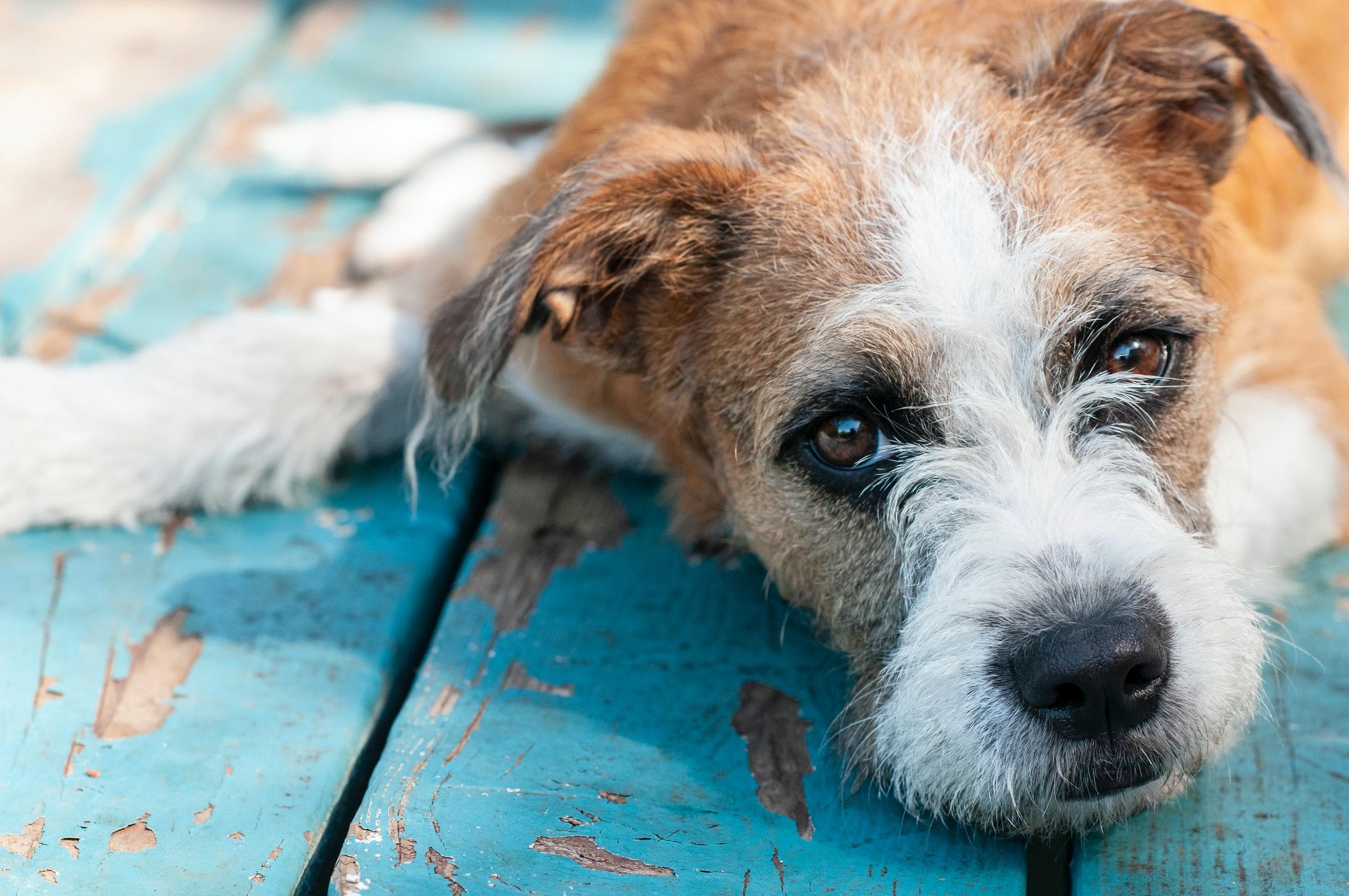
Your dog used to empty the bowl, and now leaves most of the food. Or it stays on the bed when you pick up the leash. Those changes deserve a closer look.
A different routine, a move or the loss of a companion can affect behavior. Illness and pain can change it too. Don’t decide from a quiet expression that your dog is simply sad. Notice what has changed and ask your veterinarian about it.
Eating more or less
Watch your dog’s meals and weight. Eating less, eating more or leaving food may tell you something has changed, but it doesn’t tell you why. New food, extra treats or another animal getting to the bowl can affect what you see.
A persistent change should be discussed with your veterinarian. Seek advice promptly if your dog won’t eat or seems unwell. Don’t put off that call because you think the dog is only feeling down.
Sleeping instead of joining in
The useful clue is a change from normal. If a dog that usually wants a game now stays on its bed, write down when you noticed it. The same applies to skipping a usual walk or greeting.
Watch for other changes, including stiffness, panting at rest and difficulty settling comfortably. They may help your vet work out what to check. More resting can have different explanations; it isn’t enough on its own to identify sadness.
Hiding or avoiding company
Some dogs choose a quiet corner when a house is busy. Give them a resting place where children and visitors won't follow them. Let the dog decide when to approach instead of pulling it out for attention.
If your normally sociable dog starts withdrawing, look at what else has changed. A new pet, loud building work or a different daily schedule might be relevant. So might pain when someone touches or handles the dog.
Changes in everyday behavior
Extra pacing, licking, barking or chewing can be worth noting. Write down when it happens and what is going on around the dog. These actions don’t all have the same cause.
If you can record a short video without upsetting the dog, show it to your vet. Don’t recreate a worrying situation just to get the footage.
Help starts with a familiar routine
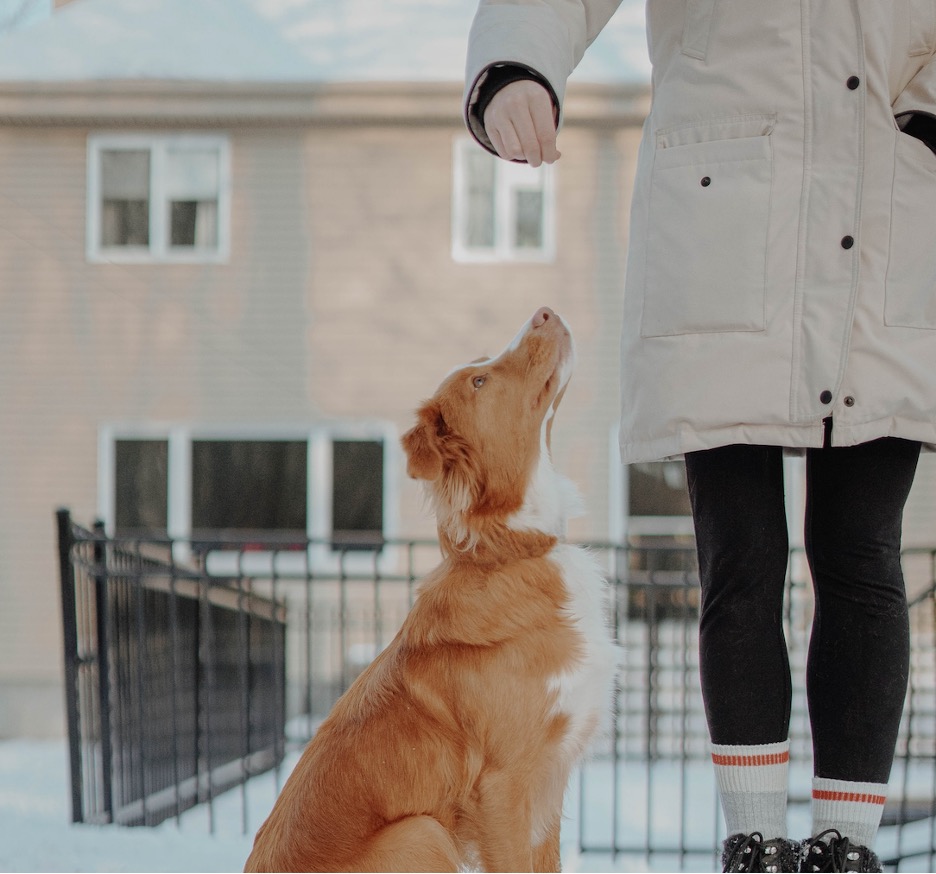
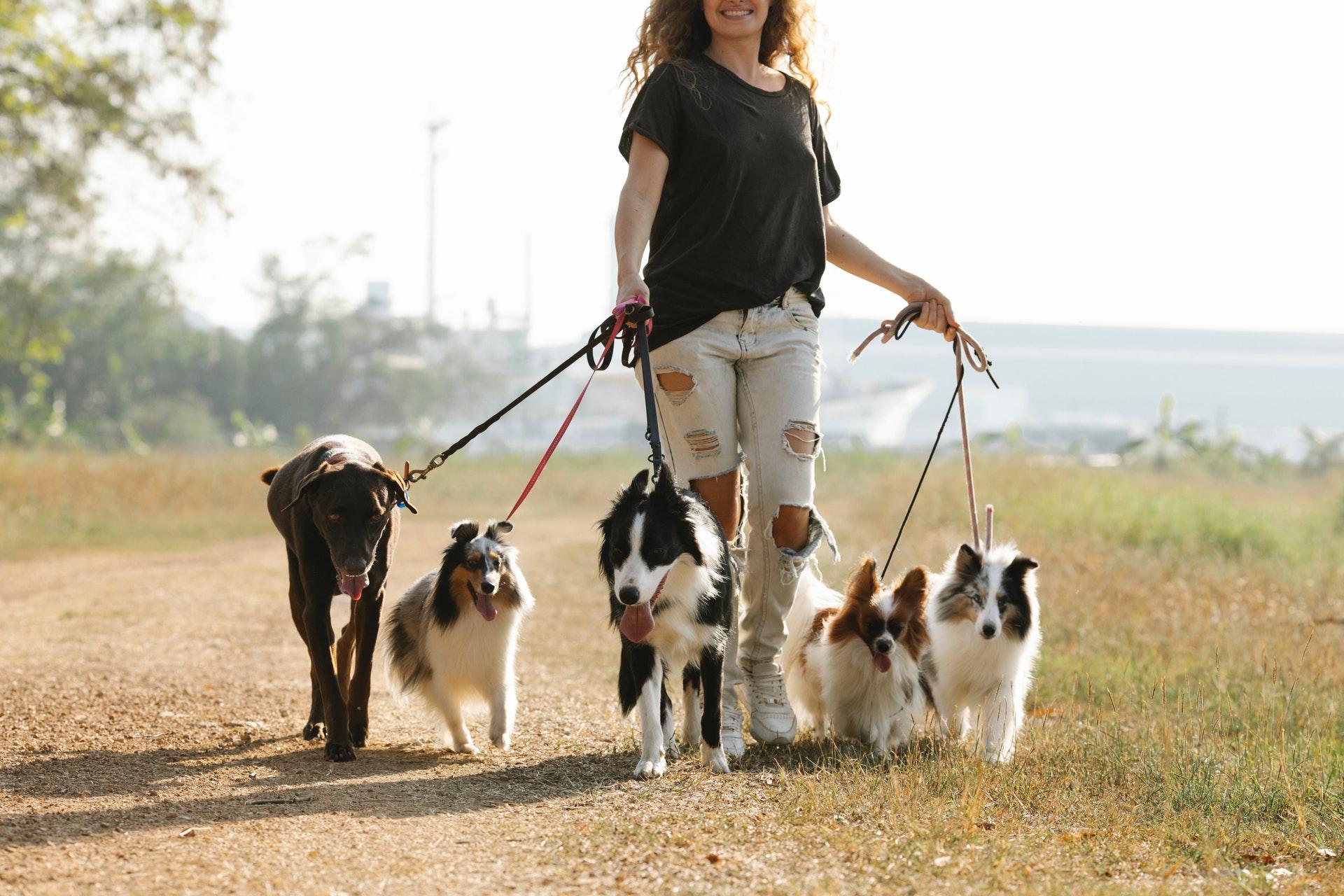
Keep meals, rest and suitable activity as regular as you can. Offer contact your dog wants, without pulling it into company or trying to entertain it constantly. A quiet sniffing walk or an easy food puzzle may suit it if your vet says those activities are appropriate.
A sudden or lasting behavior change needs veterinary advice. If a medical problem isn’t the explanation, your vet can help arrange behavior support. The next step depends on this dog and what has changed.