Pets
The Seven Dog Breed Groups, and What They Can Tell You
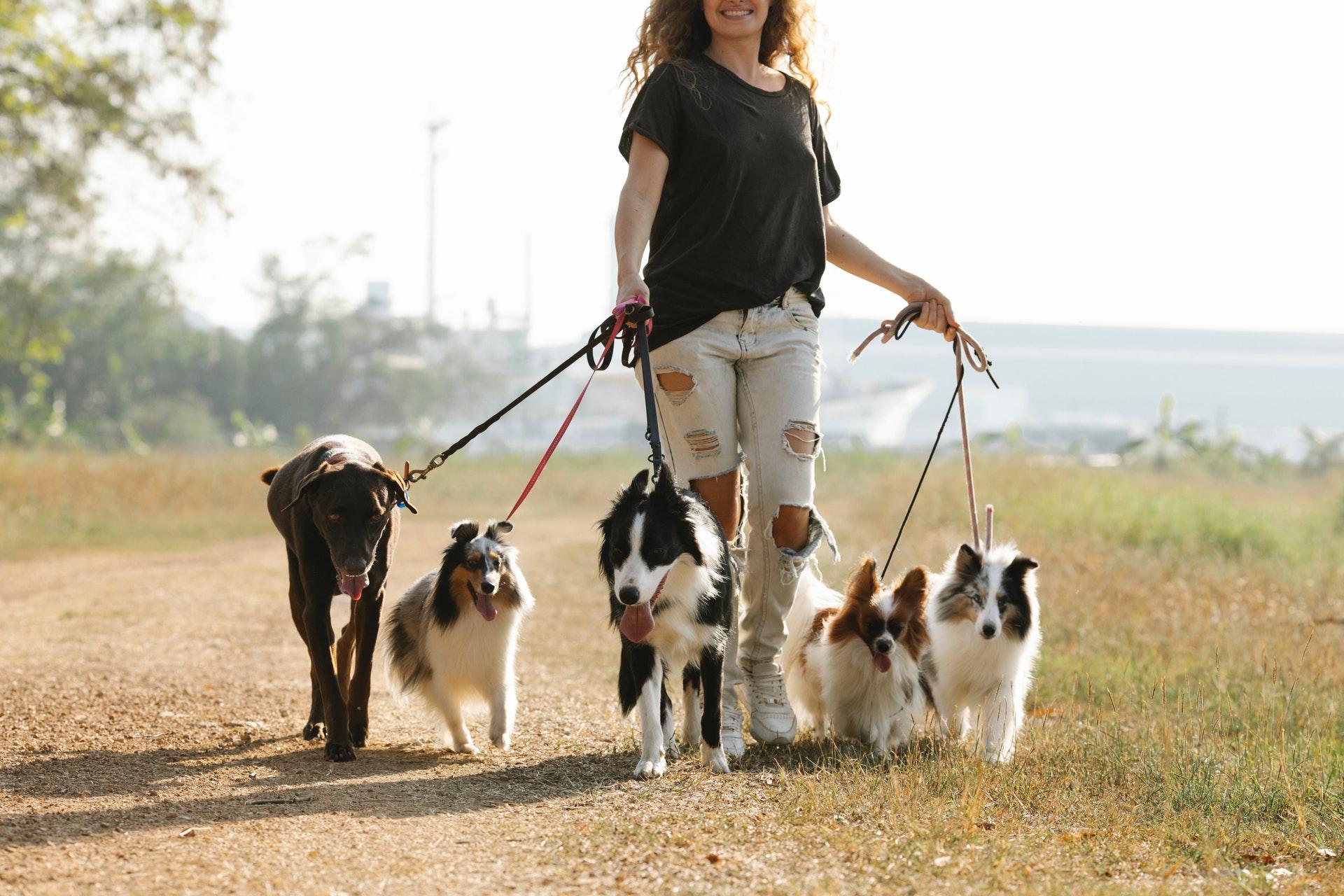
A Beagle and a Great Dane hardly look like close relatives. Yet the breeds we know today are all domestic dogs, shaped over generations by people breeding for particular jobs and traits. The variety is easier to follow once you know what those jobs were.
The American Kennel Club divides its recognized breeds into seven groups. Other registries use different systems, so a breed count from one organization won't necessarily match another. The groups are a starting point for learning about a dog, rather than a promise about how that individual will behave.
Sporting dogs
The Sporting Group includes retrievers, spaniels, pointers and setters. Bird hunting is the common thread: these dogs helped people find game or bring it back. Labradors, Golden Retrievers and Irish Setters are among the familiar members.
Today, plenty live as family pets. Fetch, swimming where it is safe, and other suitable games can provide activity. The group tells you where a breed came from; it doesn’t describe every dog’s personality.
Hounds
This group includes dogs that follow scent and dogs that pursue prey by sight. Think of the difference between a Bloodhound working along a trail and an Afghan Hound built for speed.
Beagles and Irish Wolfhounds are hounds too, despite their different sizes. A strong interest in a passing animal can make secure fencing and careful leash handling especially useful. The group name covers more than one style of hunting.
Working dogs
Guarding, pulling sleds and helping with rescue work are among the jobs represented here. Siberian Huskies, Saint Bernards and Rottweilers belong to the Working Group.
Some members grow into large, powerful dogs. Learning about adult size, exercise needs and training before bringing one home is more useful than choosing from a puppy photo alone.
Herding dogs
German Shepherds, Border Collies and Australian Shepherds are herding dogs. Their original job was to move livestock and keep it together. It required quick responses to the handler as well as close attention to the animals.
A dog at home has no flock, but can still enjoy having a task. Training and suitable games offer things to do.
Terriers
Terriers were bred to hunt rodents and other quarry. For many, that meant following animals into the ground. Scottish Terriers, Bull Terriers and Miniature Schnauzers all belong to the group, though they don’t share one size or shape.
Breed histories differ, so check the particular breed before deciding what a terrier will be like at home.
Toy dogs
Yorkshire Terriers and Toy Poodles are two of the small breeds in the Toy Group. Chihuahuas belong here too. The group is associated with companionship, though each breed has its own history.
Small dogs need training and exercise just as larger dogs do. Handle them gently, and check the breed’s adult size. Not every Toy dog weighs less than ten pounds.
Non-Sporting dogs
Poodles, Chow Chows and Dalmatians are examples of Non-Sporting breeds. This is a mixed group: the breeds don’t share one job, body type or coat. Some had purposes that aren’t common work for dogs today.
To find out about a dog from this group, read about the particular breed. The label alone gives you less to go on than its history does.