Pets
How to Keep Cats and Dogs Comfortable in Winter
The walk that suited your dog yesterday may be too much today. Wind, wet fur and falling temperatures can change things quickly, and a thick coat doesn't rule out frostbite or hypothermia. Age, size and health matter too.
You can start with a few ordinary checks at home. Is there fresh water? Somewhere warm and dry to sleep? Then watch your pet on each trip outside. Their response tells you more than assuming that fur will keep them comfortable.
Give Them a Warm Place Indoors
A bed near a drafty door may not be the warm spot it looks like. Keep cats and dogs indoors during cold weather and give them somewhere dry to sleep, away from drafts. Add a blanket or move the bed if needed. Fur alone isn't enough in severe cold.
An older pet may need more help, as may one with a health condition. If moving around seems harder or they're coping poorly with the temperature, ask your veterinarian about their routine.
Adjust Outdoor Time
A dog trying to take you back toward the house may be telling you something. Shivering, whining or slowing down are other signs to watch for. If they look uncomfortable, bring them indoors. Suspected hypothermia or frostbite calls for prompt veterinary attention.
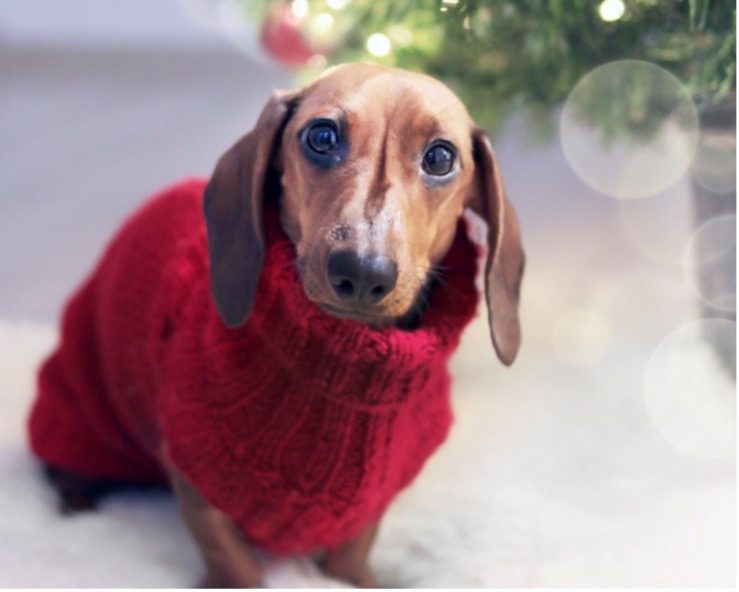
Keep winter outings short when conditions are harsh, and accompany your dog for toilet breaks and exercise. Some short-haired dogs benefit from a coat that fits well. Keep it dry, and remember that wearing it doesn't make a long stay outside safe.
Keep Drinking Water Available
Have a look at the water bowl. Outdoors, it may have frozen since you last checked. Pets need clean drinking water throughout winter, with food and water kept in a sheltered place they can reach. Wash the bowls regularly too.
Extra water won't supply extra calories for warmth. Extra food isn't automatically needed either. How much to feed depends on the animal and their activity. If you're considering a winter diet change, ask your vet what suits your pet.
Wipe Paws After Walks
Back from the walk? Wipe your dog's paws, legs and belly before they lick off any salt or ice-melting product. Look between the toes as well: snow can pack in there. Check for soreness or cracks. Well-fitting booties are another option if your dog will tolerate wearing them.
Watch the Pet, Not Just the Forecast
Watch how your pet manages each day, and change the outdoor routine when needed. Getting home should mean getting warm and dry. If their movement, energy or behavior changes in a way that concerns you, speak to your vet rather than relying on the forecast to explain it.