
From the archive
Do Fish Drink Water? It Depends on Where They Swim
Prefer Family & Pets on GoogleSee more of our stories in your results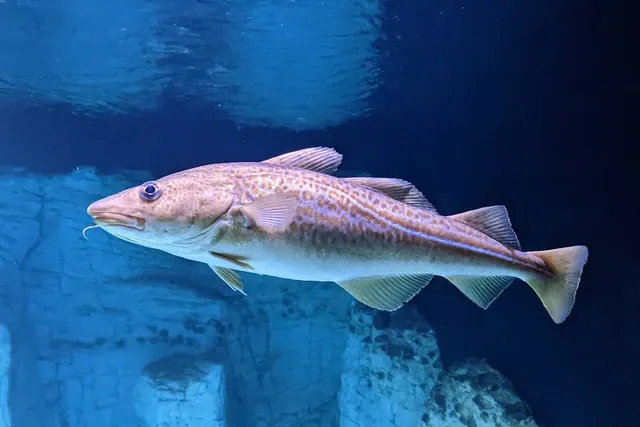
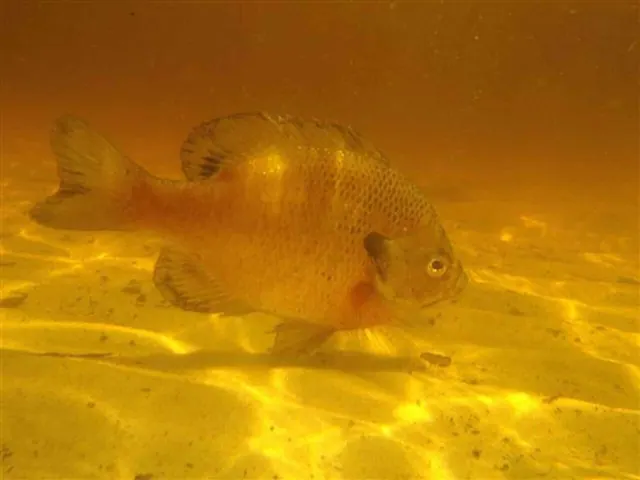
A bluegill in a pond and a cod at sea both spend the day underwater. Only one lives in water saltier than the fluids inside its body. That difference matters more than how much water surrounds either fish. Many ocean bony fish swallow seawater to replace water that slips out across their gills. In fresh water, water tends to slip in. A pond fish can spend much of its time getting rid of the extra water and taking up salts.
That makes the answer to ‘Do fish drink?’ a satisfying yes, with a follow-up question. Where does the fish live? For many bony fish, the answer explains which way water tends to move and what the fish does about it. A fish that can move between a river and the sea makes an especially good example, because the same animal may have to solve both problems at different times.
What happens at the gills
Gills take up oxygen from the water a fish moves past them. They are also a place where water itself can pass between the surroundings and the fish. On one side is the water the fish lives in. On the other are the fluids inside its body, which contain dissolved salts. The saltiness on those two sides helps determine which way water moves overall.
The movement is called osmosis. Imagine a barrier that lets water through much more easily than it lets dissolved salt through. Water molecules cross both ways. When one side is saltier, more water tends to cross toward that side than away from it. The word ‘tends’ matters. A living gill also has cells that actively move salts. Water filtering through a barrier and cells transferring salt are two things a fish can have going on at once.
There’s another easy distinction to miss as you watch a fish open and close its mouth. It can move water across its gills to breathe. Swallowing takes water down toward the gut, where it can be absorbed. You can watch the mouth move at an aquarium and still have no way to measure how much the fish has swallowed.
In seawater, the fish replaces what leaks out
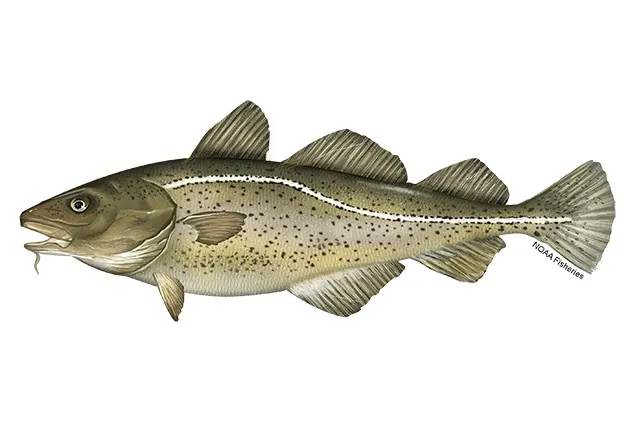
For many ocean bony fish, the saltier side is out in the ocean. Water tends to leave the fish across its gills. Taking a drink gives the fish a way to bring some water back in. Its gut absorbs water from what it swallows, but every swallow also brings in dissolved salts. Now the fish has another job to do.
Specialized cells in the gills help send excess sodium and chloride back into the sea. Physiologist Yoshio Takei reviewed research on how eels and other marine bony fish handle the water they swallow. The digestive tract starts removing salts from that water before it reaches the intestine, where water can move into the fish. Meanwhile, the gills are a way for the fish to release excess salt. It can breathe with water moving over its gills and still need to swallow some water to stay hydrated.
For a person, taking a mouthful of seawater is a lousy way to come back from a long, hot walk. The cod is equipped for a different arrangement. Its gills do part of the salt-removal work. The really odd thing about a fish drinking in the ocean is how ordinary it becomes once you think about the salt alongside the water.
In fresh water, the fish has water to spare
In a pond or stream, a freshwater bony fish is usually saltier inside than the water around it. Now the net movement of water tends to go the other way, into the fish. The kidneys help send excess water out as dilute urine. Meanwhile, cells at the gills pick up salts from the water. Salt is scarce compared with seawater, but there is some there to collect.
The two tasks fit together. When a fish gets rid of extra water, it still needs to hold on to enough salt for its body to work. And when it takes up salts at its gills, it still has plenty of water coming across them. Think of the pond and the ocean as putting the same parts to work in different directions. Both fish need to keep their internal fluids within a range they can live with.
The amount of drinking can change when the same kind of fish moves between habitats. Graham Scott and colleagues moved mummichog killifish from brackish water into fresh water. After 12 hours, the transferred fish were drinking at about a third of the rate measured in the control fish. They were still drinking less after a week. That gives us something more useful than a yes-or-no answer. These fish kept drinking, and the researchers could measure how a change in the water around them altered the amount.
Suppose you draw a fish on a scrap of paper. Put one arrow beside the gills for the usual direction of water movement in a pond, then make a second drawing for a fish in the ocean. The arrows point opposite ways. Now put a second arrow on each drawing for the movement of salts that the gill cells carry out. On the freshwater drawing, those cells bring salts inward while the kidneys get rid of water. On the seawater drawing, the cells send salt outward while the fish swallows water. Looking at the two drawings side by side helps explain why a fish can face two jobs at once.
What we can tell when a fish takes a drink
Researchers can measure how much water a fish swallows and watch how that changes after a move. Lynne Birrell studied young European eels at the glass eel and elver stages. The fish that had been living in seawater drank more than those used to fresh water. The freshwater-acclimated eels also started drinking quickly when they were exposed to seawater. The first result compared fish that had been living in different water. The second showed what could happen soon after an individual fish encountered saltier water.
Whether a fish experiences the urge the way we feel thirst is a separate question. Measuring water swallowed tells us that the animal drank and gives us a way to test when it drinks more. The next time a fish opens its mouth in front of you, start with one thing you can usually find out from the sign by the glass. Which water does the fish live in? Then picture the gills and ask which way water would tend to go. That’s where the answer usually begins.
Related stories


Rosa Benitez
Explains natural history and study methods for nonspecialist readers.