Animals
Why Changing River Seasons Matter for Migrating Fish
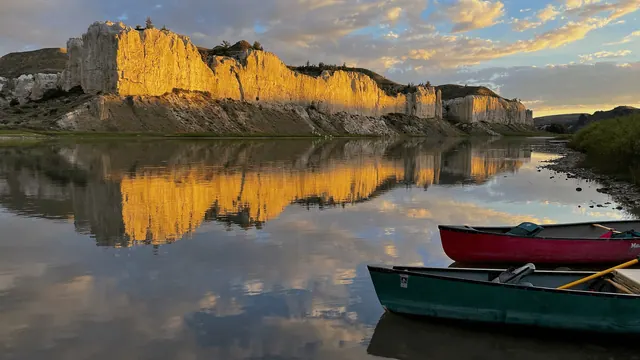
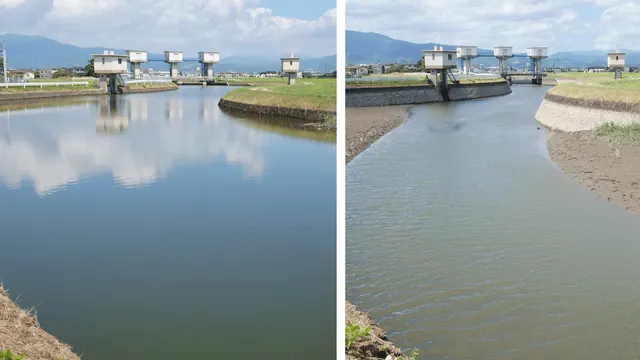
For a migrating fish, a rise in river flow can help signal that it's time to move. Changes in those seasonal patterns can therefore affect more than the appearance of a riverbank.
A study published in Science in February 2024 found that river flows in many far northern regions had become more evenly distributed through the year. The researchers studied water records, with implications for freshwater habitat.
What the River Records Showed
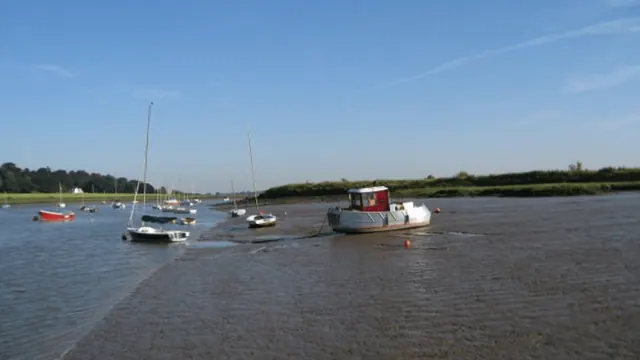
The researchers used monthly average flow measurements from 10,120 gauging stations covering 1965 to 2014. Around 21 percent of the stations showed significant changes in the seasonal distribution of flow.
That percentage describes monitoring stations in the study. It shouldn't be read as a count of fish populations affected, or a current measurement of every river in the world.
The Pattern Across a Year
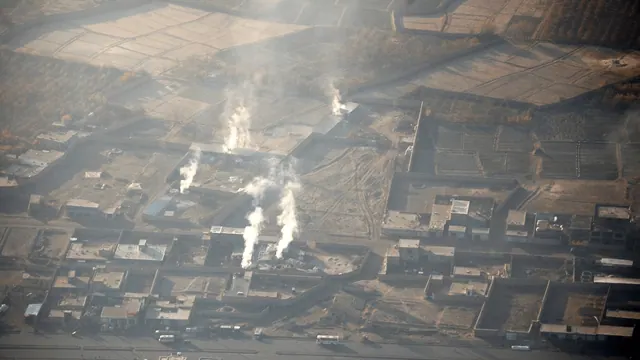
An annual average can hide changes in when water arrives. A river could carry a similar amount of water over a year while its higher and lower flows become less distinct.
The paper used a measure called apportionment entropy to assess how evenly flow was distributed across months. Roughly two-thirds of the stations with significant seasonal changes had no corresponding trend in annual mean discharge.
Separating Climate From Direct Management
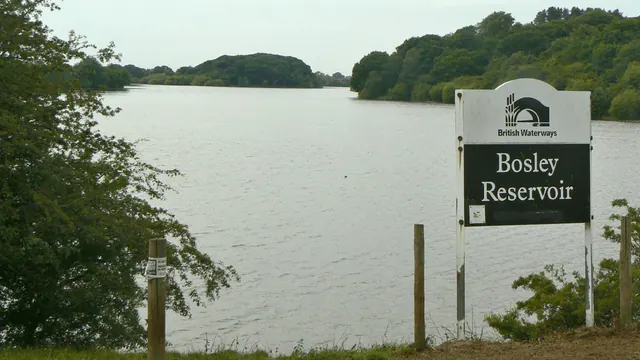
Reservoir operations and water extraction can change a river's flow directly. Climate influences add another set of changes, involving temperature, rainfall and snowmelt.
The team compared reconstructed runoff with hydrological simulations to investigate the northern pattern's causes. Their analysis linked the widespread weakening of seasonality above 50 degrees north to human influence on climate. This doesn't make local water management irrelevant to the animals using a river.
Snow Changes the Seasonal Picture
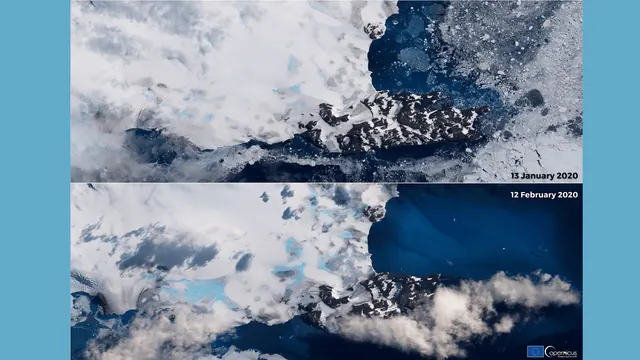
In its account of the research, the University of Leeds describes the importance of snowpack and meltwater to seasonal water availability. A shift in when stored snow becomes flowing water can change the pattern downstream.
The Antarctic satellite comparison is contextual, rather than a measurement of those northern rivers.
Freshwater Habitat Has a Calendar
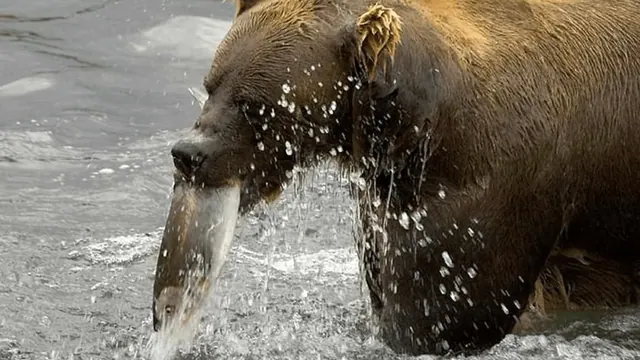
Seasonal highs and lows form part of the environment freshwater organisms live with. Their importance extends beyond a single fish: rivers, their banks and nearby floodplains support feeding and breeding habitat.
The bear photograph illustrates the wider food web. The study did not track that animal; its ecological concern was disruption of seasonal habitat.
Northern Regions Showed Similar Trends
The study reported significant decreases in seasonality at about 40 percent of stations in northern North America, 32 percent in southern Siberia and 19 percent in Europe. The central North American figure was about 18 percent.
Across the contiguous United States, decreasing trends predominated, with exceptions in the Rocky Mountains and Florida. These were regional patterns in historical records, not a claim that each nearby river changed identically.
A Different Pattern in Brazil
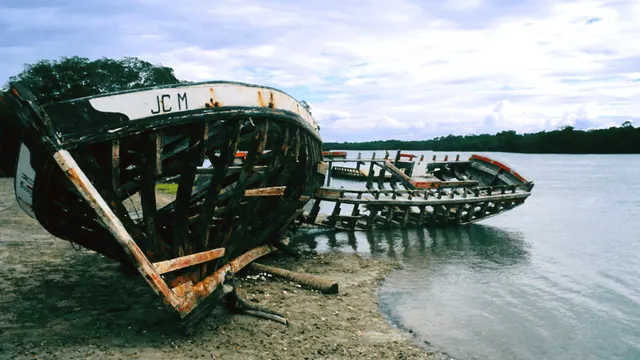
Southeast Brazil showed a contrasting result: about 25 percent of its stations had significantly increasing river flow seasonality. The direction of change depended on the region.
The Brazilian riverbank photograph is contextual, rather than an identified monitoring station or a documented outcome of the changes analysed.
How Flow Helps Salmon Move
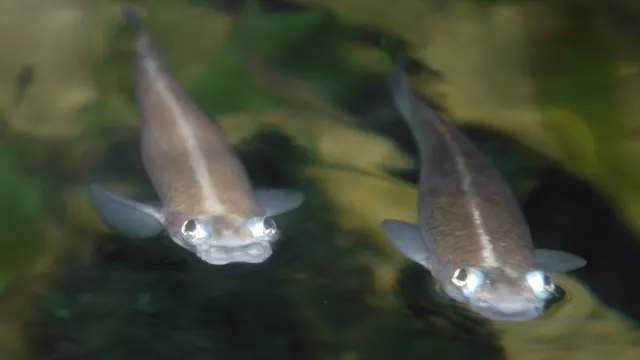
The UK government's Centre for Environment, Fisheries and Aquaculture Science explains that water flow helps stimulate adult Atlantic salmon to enter rivers. Fish may wait near the coast or in an estuary until conditions suit upstream movement.
Small increases following rainfall can also help stimulate movement toward spawning areas. Temperature, river conditions and the fish's maturity matter too. The four-eyed fish pictured here are illustrative freshwater fish, rather than the salmon in that example.
Passage Is Another Part of the Problem
NOAA describes how dams, culverts and other river obstacles can slow or block migration. A fishway can provide a route around a particular obstruction, with its design depending on the river and species.
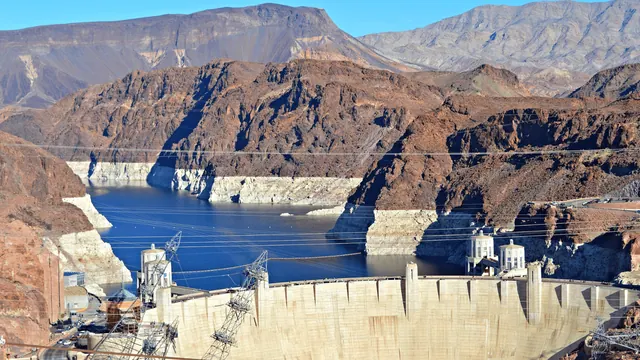
That work addresses physical access. Maintaining conditions that allow fish to move also requires attention to flow and temperature. The original Hoover Dam photograph is context, not evidence of a particular fish-passage project.
A River Study Has Limits
The 2024 research concerned changes in river flow. It did not measure every possible effect of warming on wildlife, and it did not diagnose the condition of individual animals in photographs.
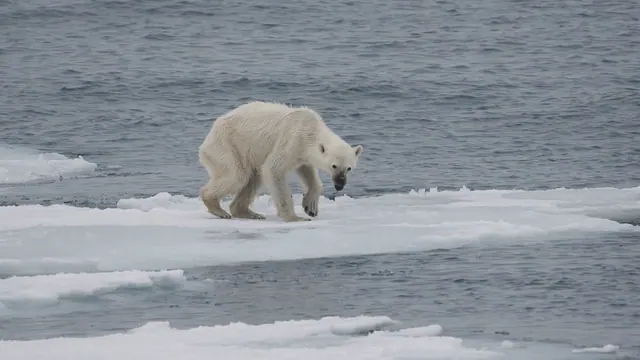
The polar bear image remains part of the source gallery as broader environmental context. A photograph alone cannot establish why that individual was thin.
Planning Around the Local River
Leeds researchers called for faster adaptation efforts and management of flows to help retain natural systems and processes. The practical ecological question is how a particular river's conditions support the species living there.
Cefas notes that both reduced flows and barriers can interfere with salmon migration. Local evidence about water, access and fish life cycles is needed alongside a broad global pattern.
What to Take From the Findings
A changing seasonal pattern can matter even when an annual average looks much the same. For fish, the timing and conditions of movement are part of the habitat.
The study adds historical evidence of changing river seasons and their climate connection. Its numbers describe the records analysed, rather than an update on river levels or fish behaviour in October 2026.