Animals
How Coastal Lights Can Turn Reef Habitat Into a Trap for Young Fish
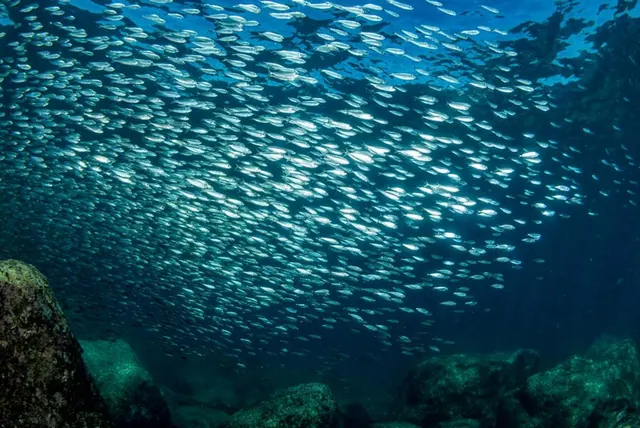
A bright patch of water can draw young fish toward a reef. The problem is what happens after they arrive. Research in French Polynesia has found that artificial light can attract fish to habitat where their chances of survival are lower.
Early results from this work were presented at a scientific conference in 2024. A paper published in January 2026 now provides a fuller account. Its findings support concern about coastal lighting, while leaving room for differences between species, habitats and the lights themselves.
When a Habitat Becomes a Trap
An ecological trap is a place that attracts an animal despite offering poorer conditions. Counting arrivals alone can therefore give a misleading impression of a habitat's value.
For young reef fish, researchers need to follow settlement with measures of survival. A coral receiving more newcomers may still leave fewer fish alive than a less attractive coral nearby.
The Coastline After Dark
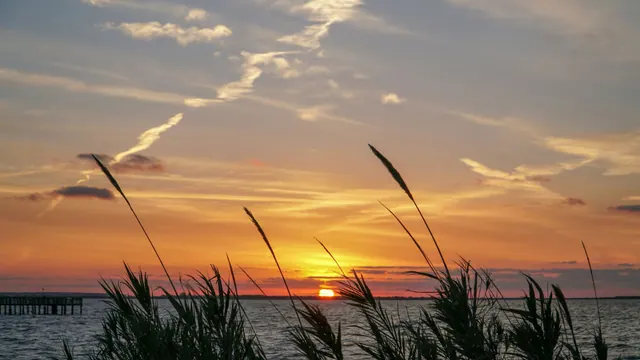
Coastal lights come from roads, buildings, resorts and other human activity. Some light reaches marine habitats directly, while skyglow can spread beyond its source.
The concern is not simply that water looks brighter to us. Marine organisms use natural light cycles, and changing those cues can affect behavior. The University of Plymouth's marine light pollution program documents effects across several groups of marine life.
Testing Light on the Reef

The 2024 conference announcement described experiments with 48 corals under natural nighttime conditions or artificial lighting. The work focused on yellowtail dascyllus and blue-green chromis, two reef damselfish.
Researchers examined settlement alongside development and survival. That approach asks a more useful question than preference alone: what happens to the fish that choose the illuminated habitat?
More Arrivals Can Hide Lower Survival
The final 2026 paper reported settlement up to eight times higher at illuminated corals, while recruit survival fell by half. These are results from the study, not a prediction for every coastline.
The published account also examined settlement timing, body size and metabolic patterns. The earlier conference figures and the final paper should not be presented as interchangeable estimates.
The Food Explanation Needs Care
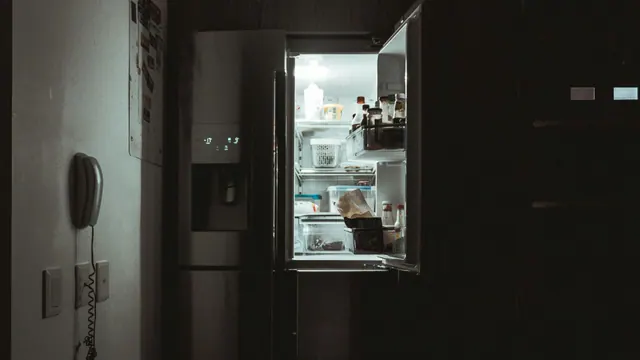
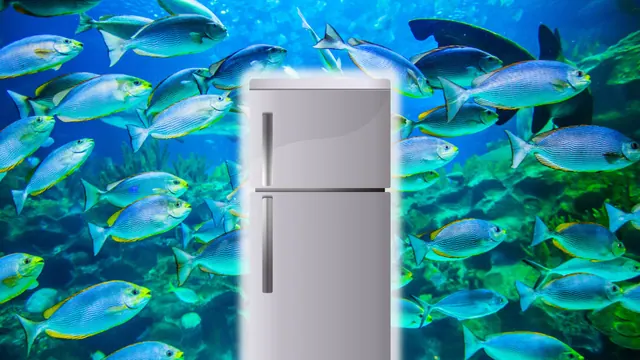
A light can affect more than one part of a food web. The image of an open refrigerator at night offers a simple analogy for food and predators gathering in the same place.
That image is an analogy, not an observation of a literal food chain at every lit coral. Light attraction, prey availability and predator behavior need to be tested separately.
Predators Enter the Picture
A separate 2024 field study examined nighttime fish communities on a Polynesian reef. Artificially lit areas had a greater prevalence of predatory fishes and a different community composition.
This helps explain why attracting fish is not automatically a conservation benefit. It also avoids assuming that a change in one species tells us how every animal in the surrounding water responds.
Two Species Do Not Represent Every Fish
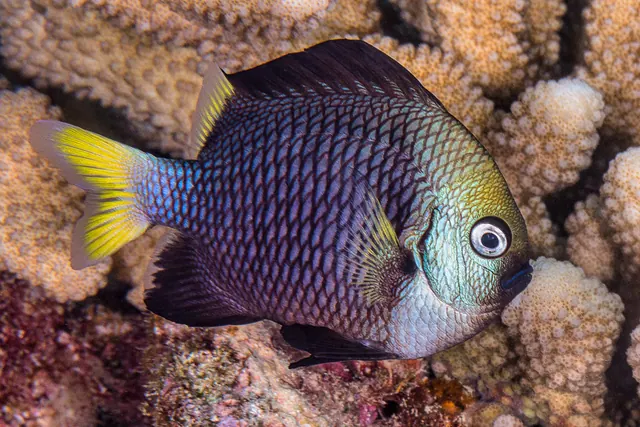
The yellowtail dascyllus and blue-green chromis provide specific evidence. Their responses should not be expanded into a claim that all marine animals choose artificial light.
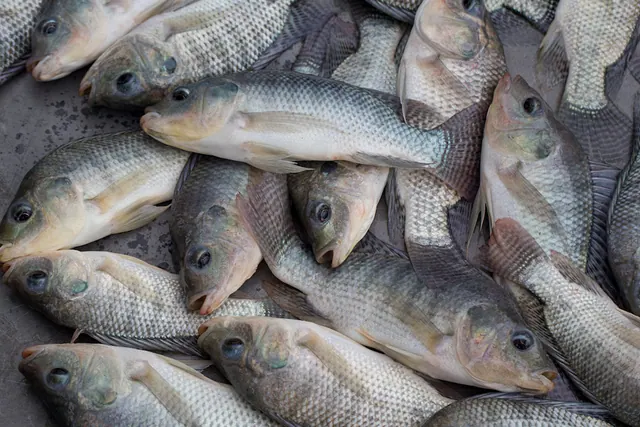
The gallery includes a photo of harvested tilapia as well as a reef fish. The tilapia image is illustrative; it is not a photograph of the species or experiment discussed here.
Different Studies Ask Different Questions

Research can examine a fish's behavior, growth, reproduction or survival, and those outcomes are not substitutes for one another.
A 2021 field experiment followed juvenile orange-fin anemonefish exposed to nighttime lighting for 18 to 23 months. It found reduced growth and survival. That longer experiment adds evidence about a different species; it does not establish a universal rate of harm.
Measuring the Right Outcome
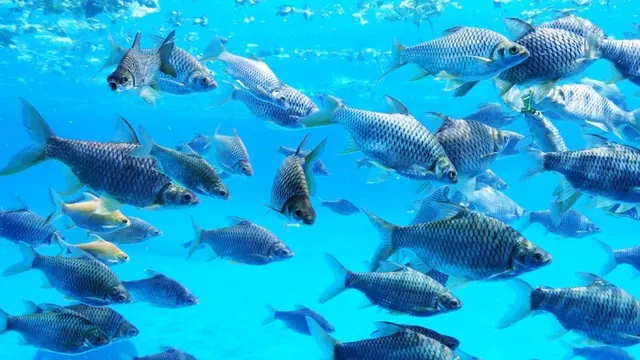
A fish can grow more slowly without a study establishing anything about its rate of aging. Researchers therefore need to identify exactly which outcome they measured and over what period.
Growth, metabolism and survival are measurable outcomes with their own limits. A change in any one of them does not automatically demonstrate faster aging, nor show that artificial light is lethal to most fish.
Corals Have Their Own Light Cues

Fish are only part of the issue. Plymouth's research program also describes evidence that artificial light can disrupt coral spawning.
Spawning concerns reproduction, and should not be turned into a claim that illuminated reefs necessarily collapse. The original city photograph illustrates a built coastal environment; it does not document a damaged reef or the location of these experiments.
Keeping Unneeded Light Off the Water
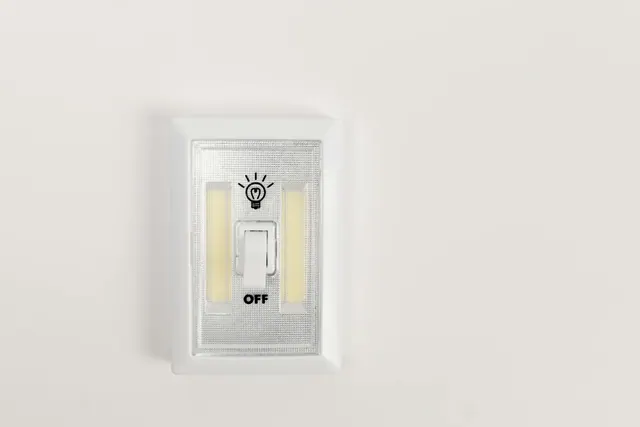
Reducing unnecessary spill from coastal lighting is a useful management question raised by this research. The appropriate design depends on the site and its safety requirements.
For a waterfront property, checking where outdoor lights shine and when they are needed is a concrete starting point. A room light or refrigerator photograph in this gallery illustrates artificial lighting; neither is evidence from the reef experiments.