Animals
The Heart-Shaped Whale Huddle Before the Cheynes Beach Stranding
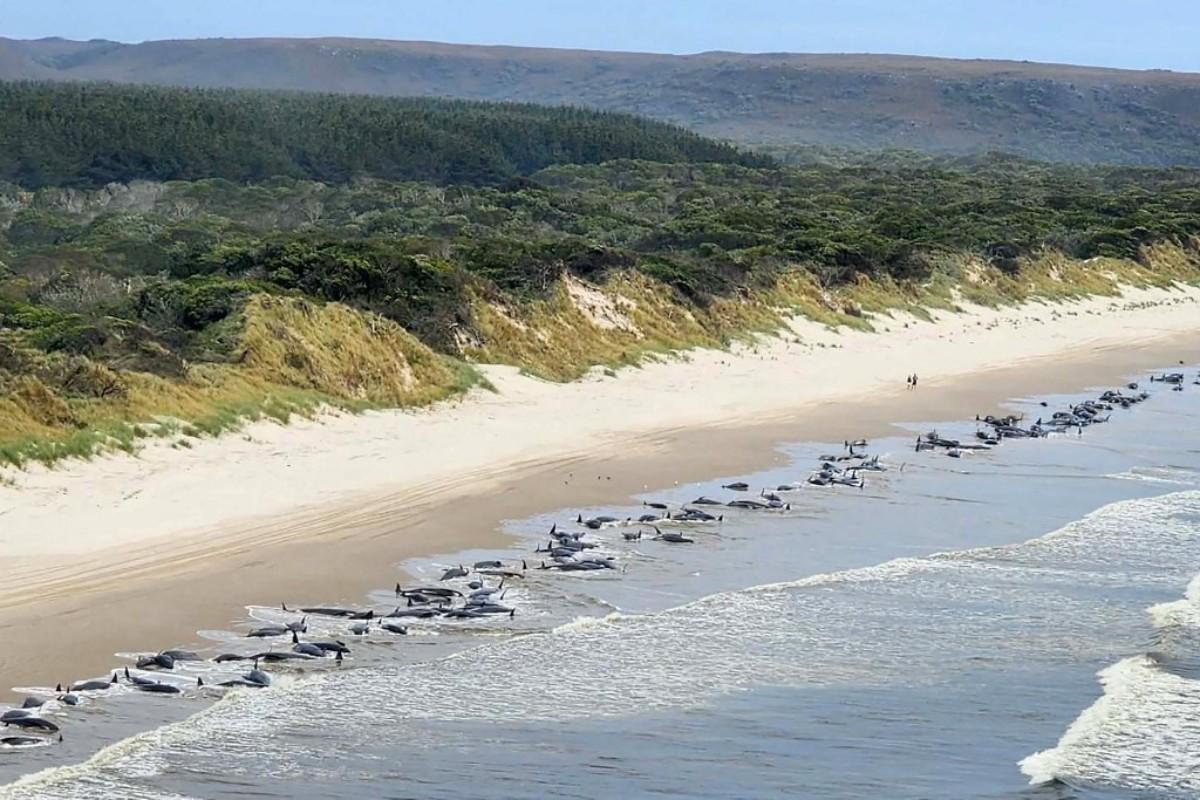
Before the whales reached the sand, they gathered in a tight cluster offshore. Aerial images of the pod at Cheynes Beach, Western Australia, drew attention in July 2023 because the group looked almost heart-shaped. What followed was a mass stranding and a two-day rescue effort. The shape was striking, but it couldn't explain why the animals came ashore.
Ninety-Seven Whales at Cheynes Beach
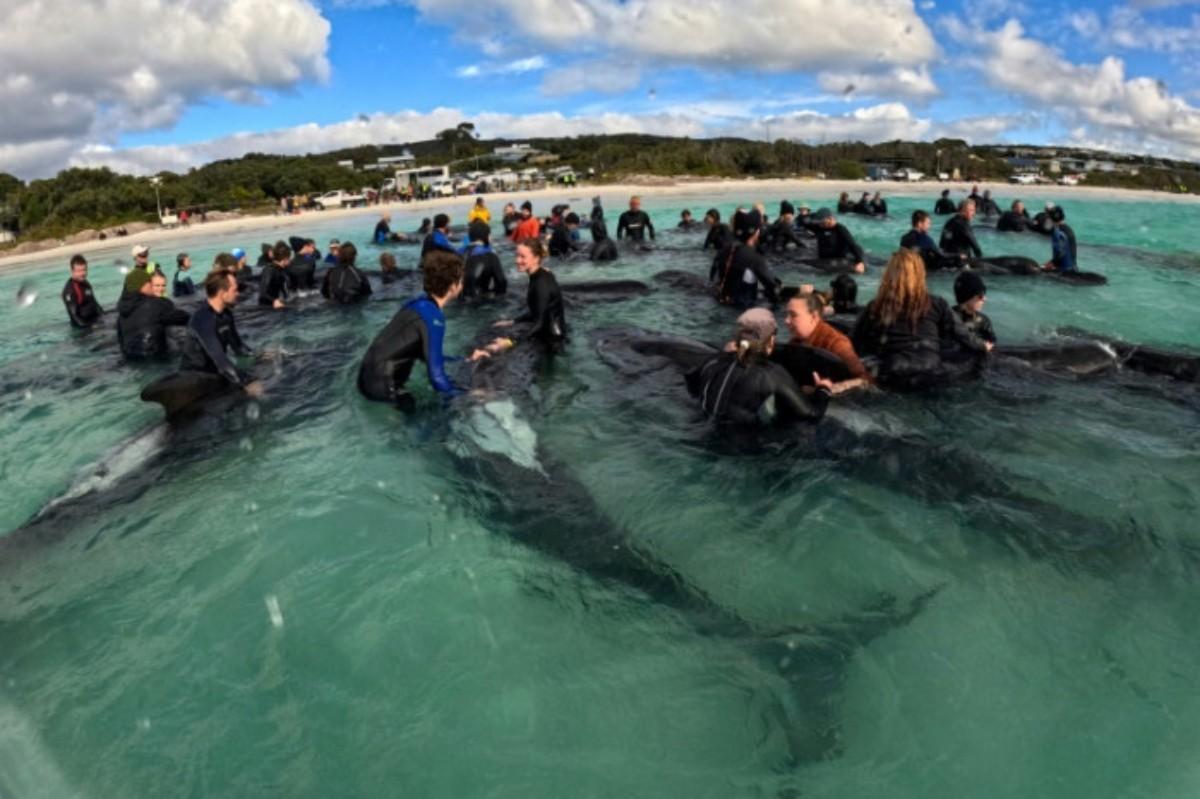
The pod of 97 long-finned pilot whales stranded on July 25 near Albany. Wildlife staff, veterinarians and volunteers responded. By the following morning, more than half had died, while rescuers were trying to get the survivors into deeper water.
These were large animals in a difficult position, not creatures that could simply be picked up and carried away. Keeping them supported and wet was part of a coordinated response under wildlife officials.
The Rescue Didn't End With a Release
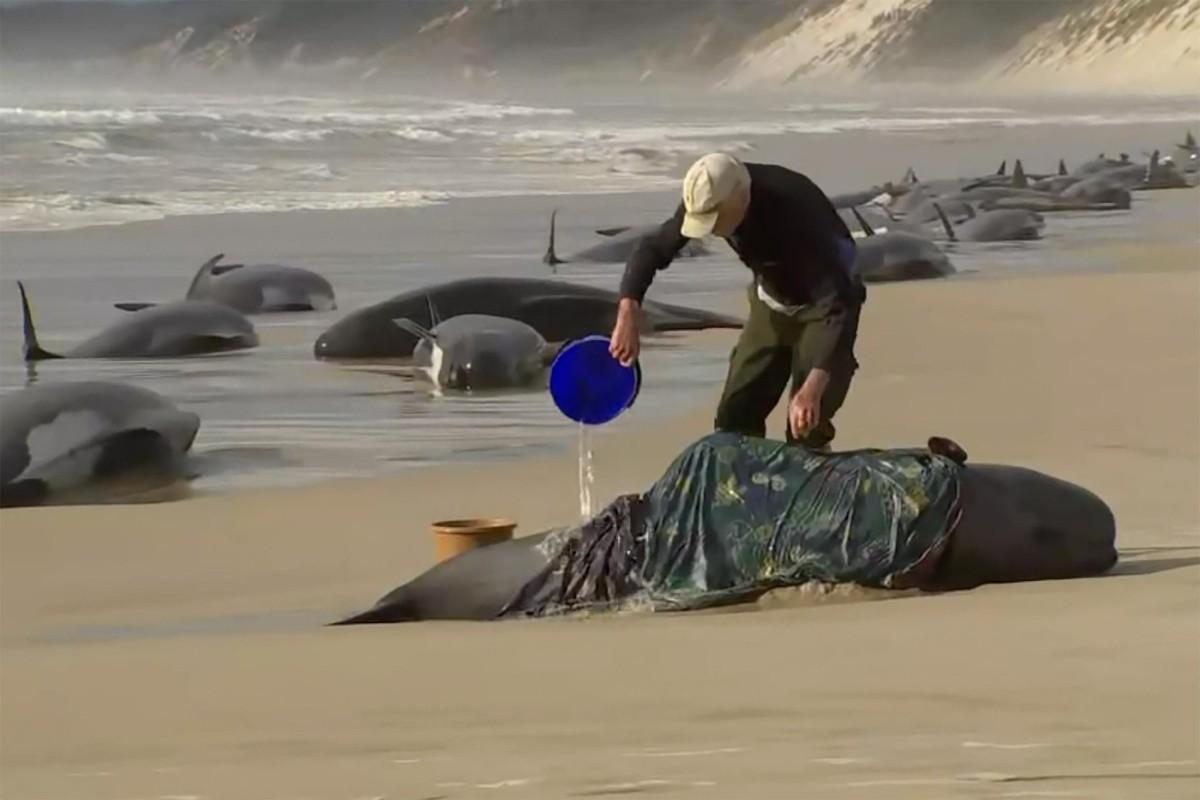
Getting the remaining whales back into the water did not bring the hoped-for ending. They grouped together again and returned to shore on July 26. After assessing their condition, veterinarians euthanised the survivors to prevent further suffering.
ABC's reporting from the beach documents that outcome. The effort involved many people working in cold conditions, yet it could not save the pod. A retelling that stops at the attempt to refloat them leaves out what happened next.
What the Offshore Huddle Could Show
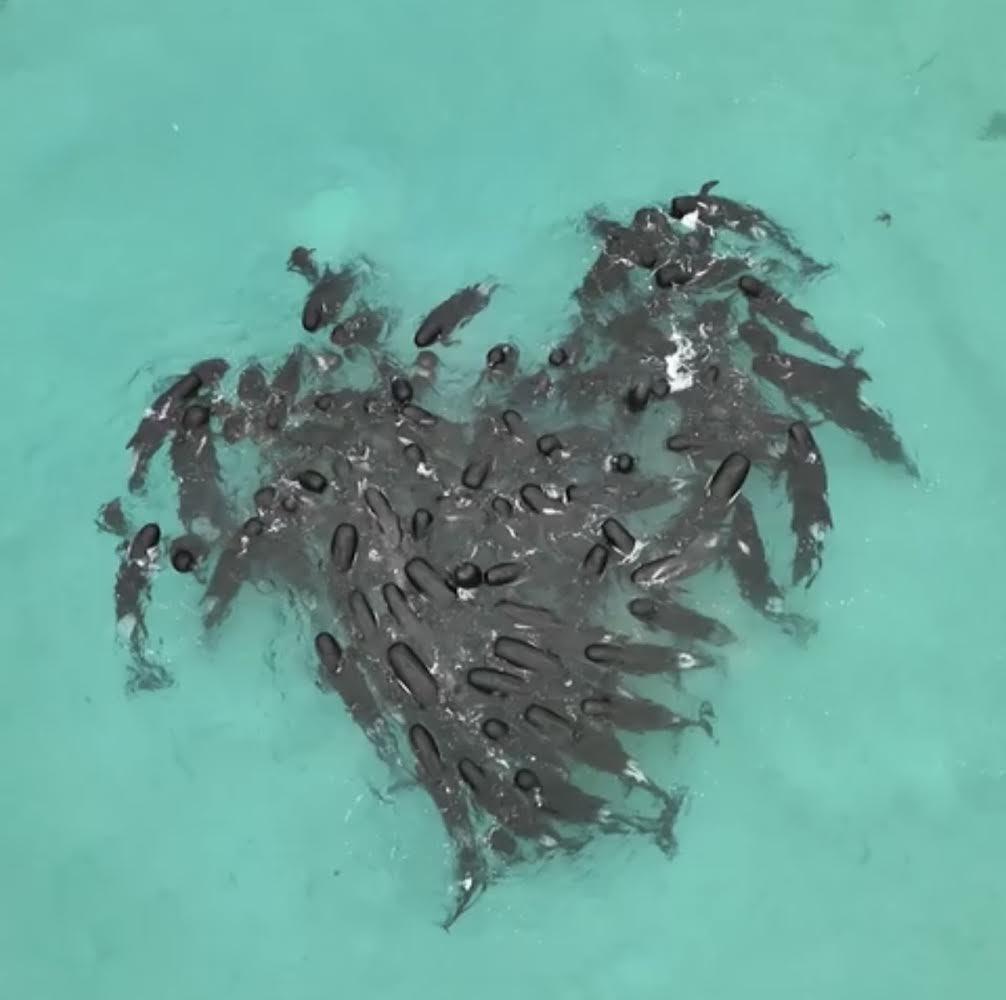
From above, the closely packed whales made an outline people compared to a heart. That is a description of a picture, not evidence that the animals had decided to die. The footage couldn't tell rescuers what each whale was doing or why.
Strong social bonds may have kept the pod together as it moved toward danger. They are one possibility to consider, rather than proof of a single sick leader. The image itself didn't establish the trigger.
Help Starts With Reporting the Stranding
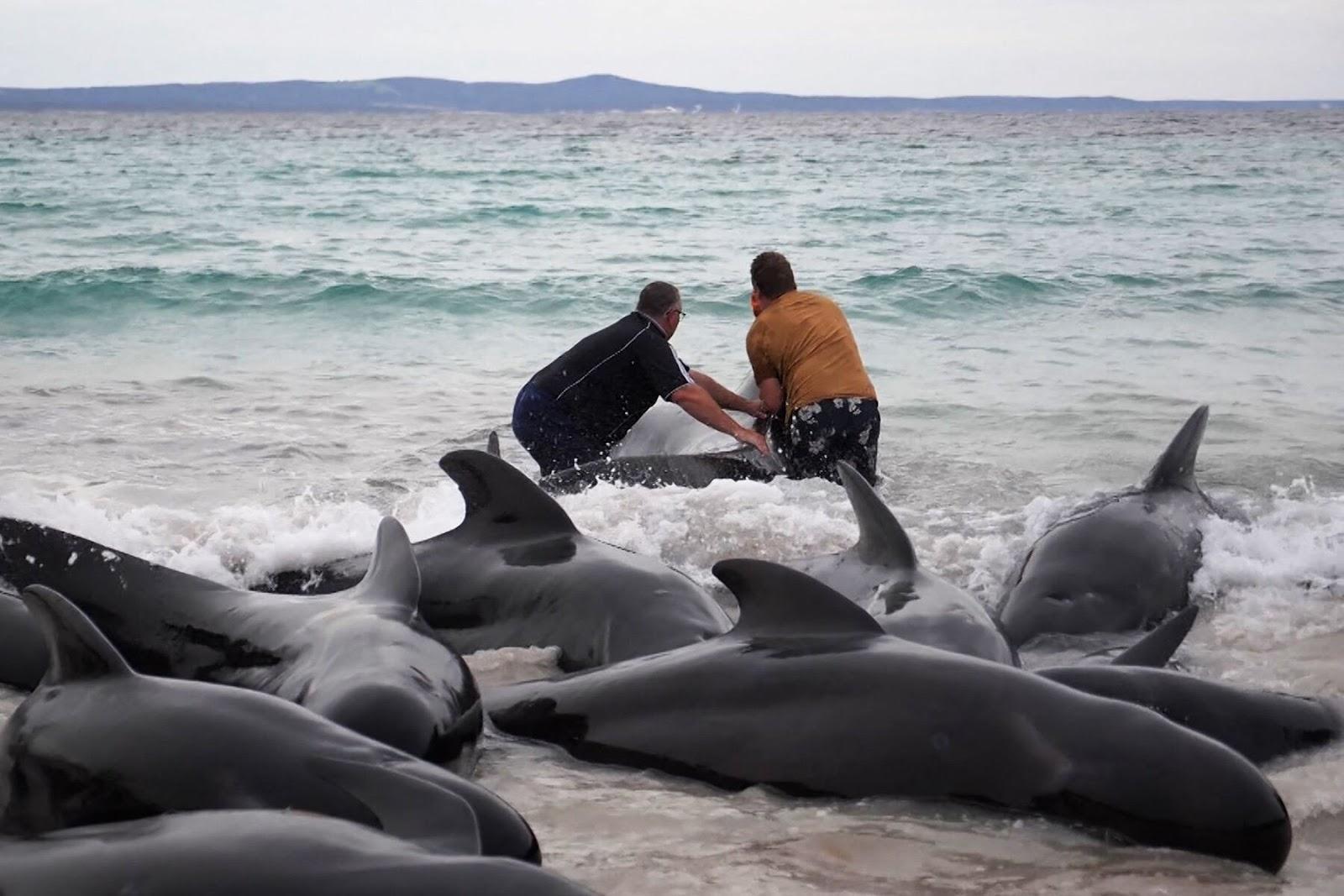
Western Australia's marine wildlife response guidance asks people to report whale or dolphin strandings so trained responders can take charge. Follow their directions rather than trying to push an animal out alone.
Cheynes Beach showed how hard a mass stranding can be even with specialists and volunteers on site. Care for the animals includes judging their condition and the chances of a successful return to sea, as well as the effort to move them.