Animals
What Scientists Learned From the Rare Whale That Washed Ashore in New Zealand
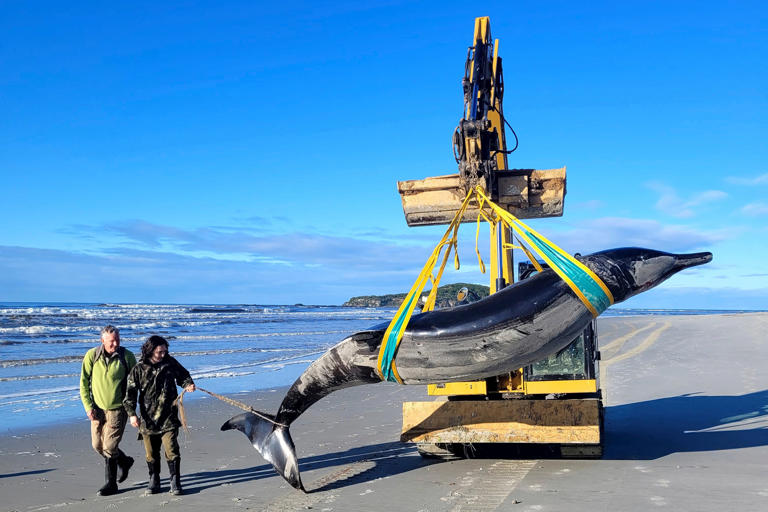
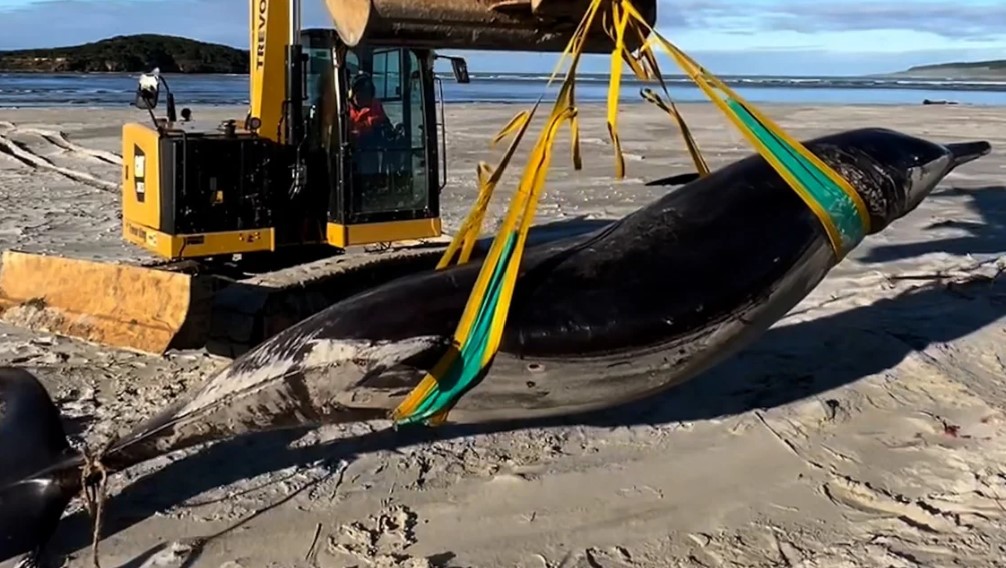
A five-metre whale found on New Zealand's South Island in July 2024 offered something scientists had never had before: a complete, well-preserved spade-toothed whale to examine inside and out. The male was later named Ōnumia. By December, the first dissection of the species had turned an unusual beach discovery into a much closer look at its anatomy.
The Whale at Taiari Mouth
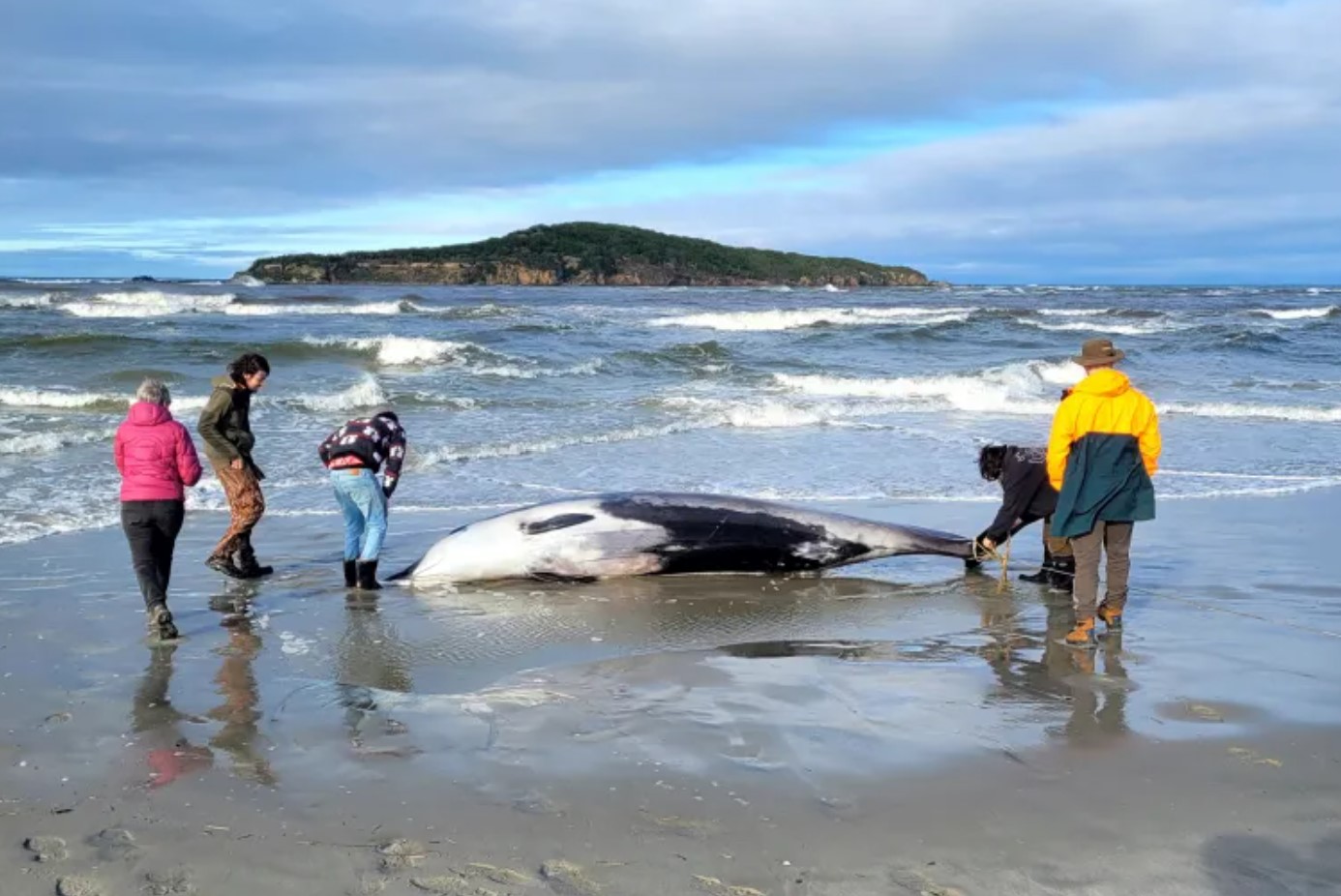
The Department of Conservation was notified on July 4, 2024, that a beaked whale had washed ashore near Taiari Mouth, in Otago. Specialists initially suspected a spade-toothed whale from its appearance. That was an informed identification to investigate, rather than a reason to skip the genetic check.
DNA Settled the Identification
A tissue sample went to the New Zealand Cetacean Tissue Archive, and DNA later confirmed the species. DOC's current account records that result. The uncertainty in the first July reports is therefore part of the discovery's history; readers no longer need to wait for the test that those reports said might take months.
The Examination Happened in December

Cold storage helped preserve the body until researchers could examine it. The dissection ran from December 2 to 6, 2024, at Invermay, near Dunedin. It was the first opportunity to study a complete specimen in good condition. For a species known from so few records, even basic internal measurements were valuable.
Earlier Finds Were Different
A mother and calf stranded in the Bay of Plenty in 2010. Their identification also depended on DNA, and the remains were recovered for further work. Te Papa's collection account describes that recovery. Burial didn't erase all scientific value, although those animals hadn't supplied the same opportunity for a complete internal examination.
Mana Whenua Helped Lead the Work
Young people from Te Rūnanga o Ōtākou were among those working with the whale. Their rūnanga led the project in partnership with DOC; Tūhura Otago Museum and the University of Otago also supported it. For the rūnanga, this was work with taoka, a treasure. Learning about anatomy went alongside customary ways of caring for the whale.
A Name Connected to the Place
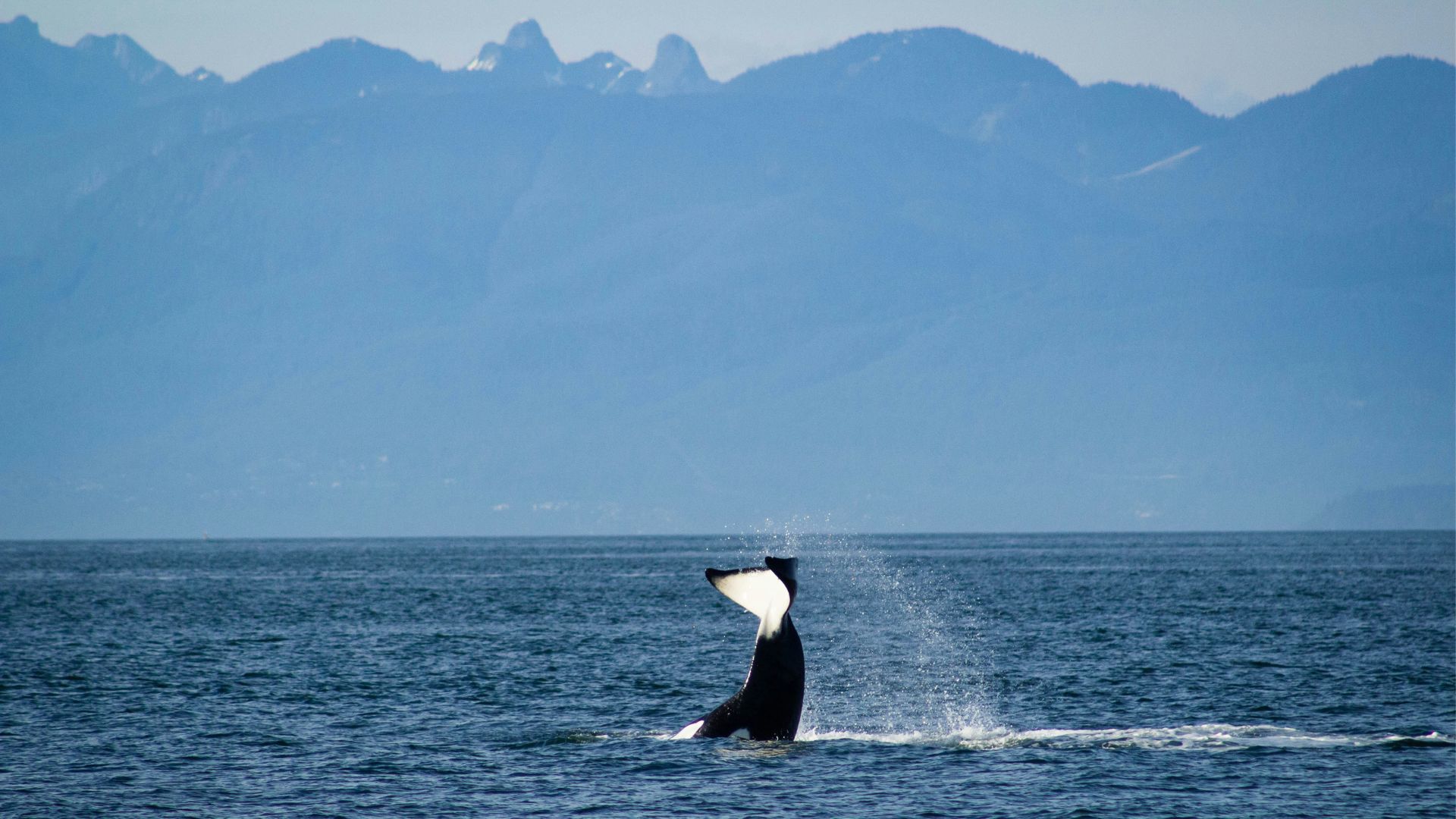
Ōnumia reflects the traditional name of the area at the mouth of the Taiari River where the whale came ashore. The rūnanga explained that naming it helped maintain a bond with the environment and affirm that place name. This was an individual animal with a local connection, as well as a scientific specimen.
An Animal Still Difficult to Observe
There is a difference between finding this whale alive on a beach and seeing it out at sea. DOC records a live stranding at Gisborne in 2017, though the animal died soon afterward. Its account says there has still been no known live sighting at sea. Researchers haven't been able to watch the species going about its life there.
Clues Inside the Body

The December findings included nine stomach chambers and small vestigial teeth in the upper jaw. Squid remains offered a clue to what this individual had eaten. DOC's December update described these observations as part of work still to be analysed, rather than a finished account of everything the species eats or does.
Bones Came Before Whole Bodies
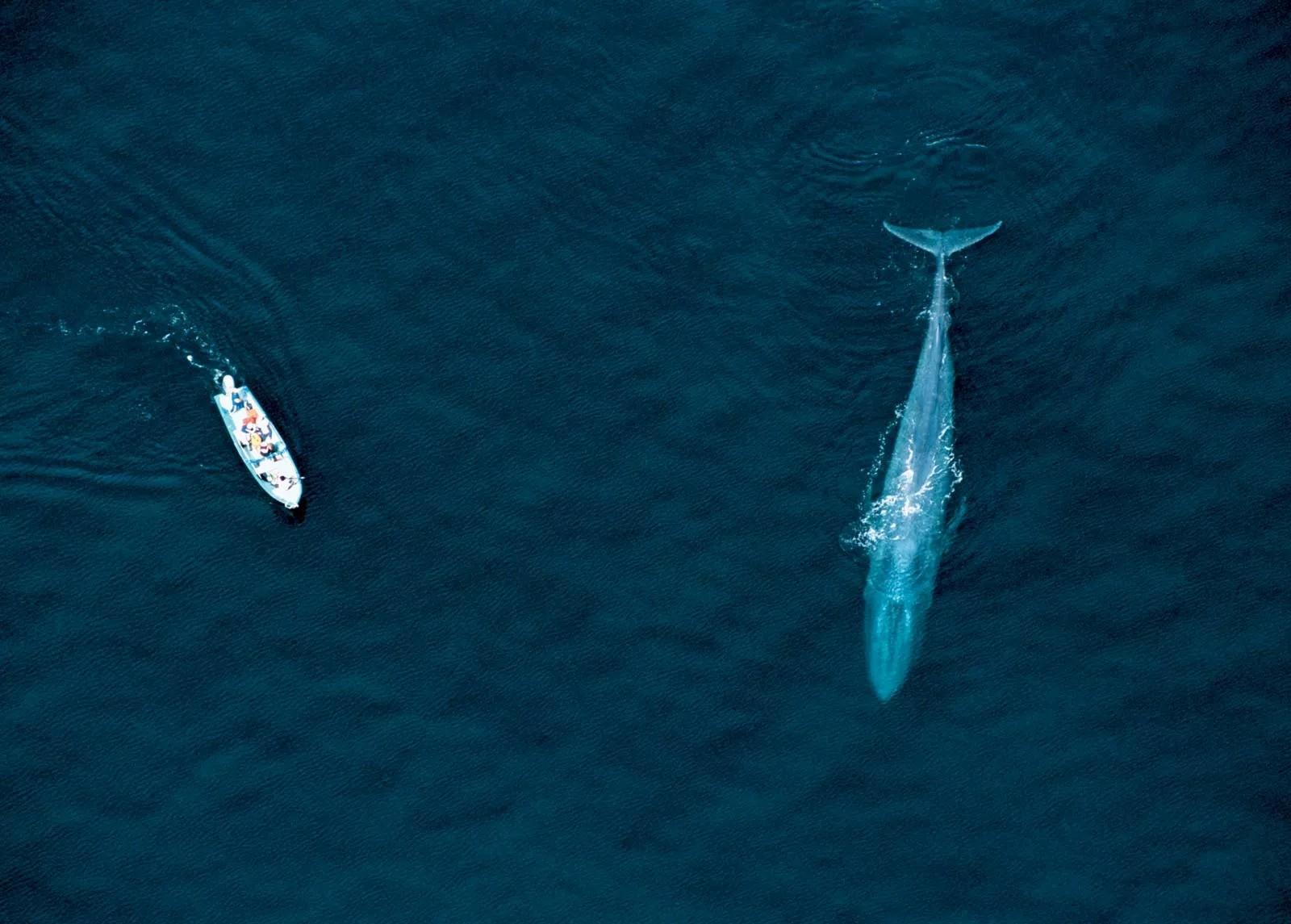
Henry Travers brought back a jawbone from Pitt Island in 1872. For a long time, that jaw and two partial skulls were all researchers had to go on. The skulls had come from New Zealand and Chile. DNA comparisons eventually connected the pieces: they were evidence of the same species, found years apart in very different places.
Few Records Don't Give a Population Count
DOC's November 2024 fact sheet listed seven records worldwide, including the Otago animal. Those were known specimens. They didn't reveal how many whales were still out in the ocean, or whether their numbers were going up or down.
What This One Whale Could Answer
The examination gave researchers measurements and descriptions they could compare with related whales. It couldn't show an entire population's movements. The discovery's value lies in the details researchers could finally record from Ōnumia.