Animals
Waves Kept Pushing This Octopus Up the Beach. Local Staff Helped It Get Back.
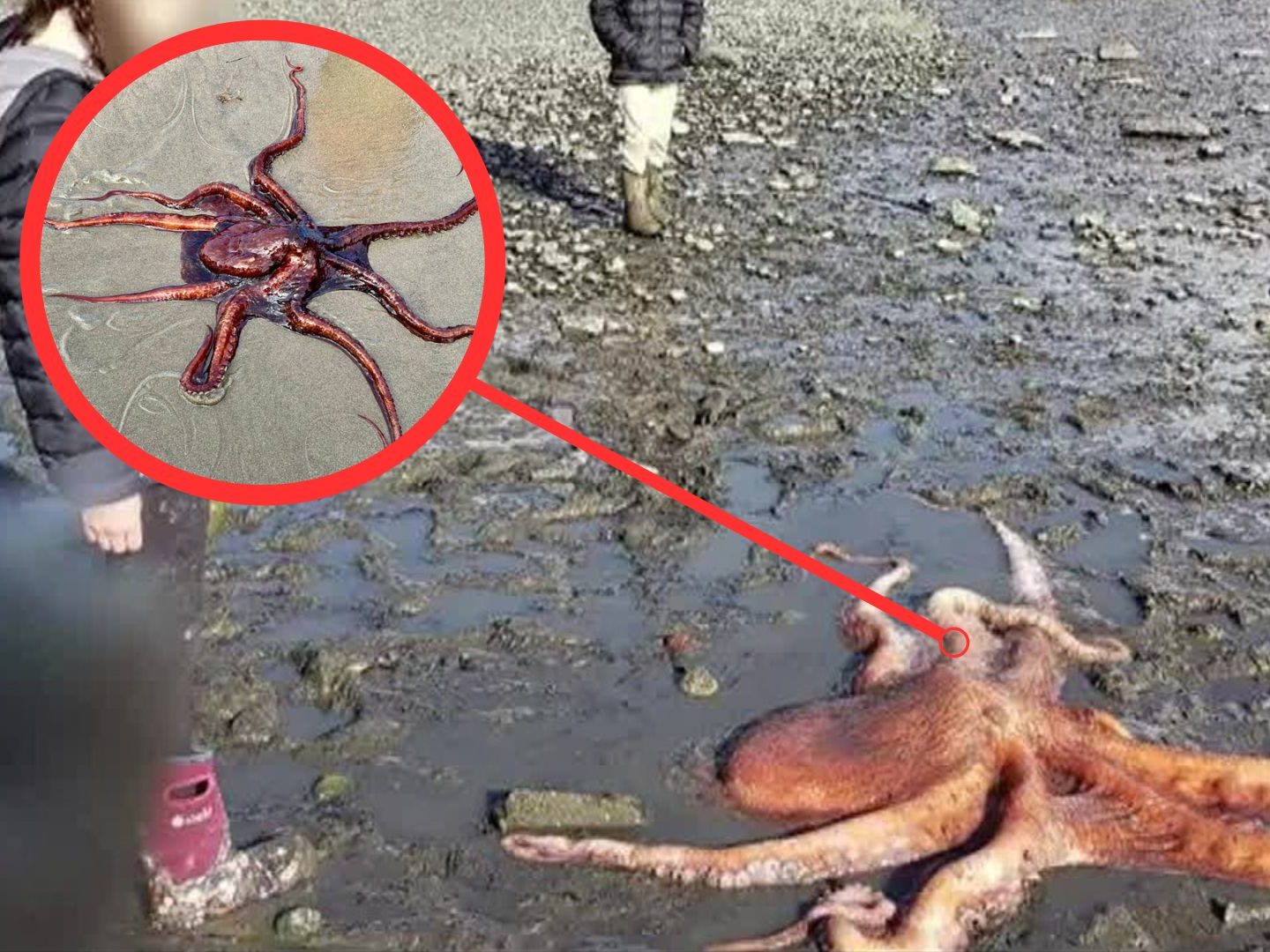
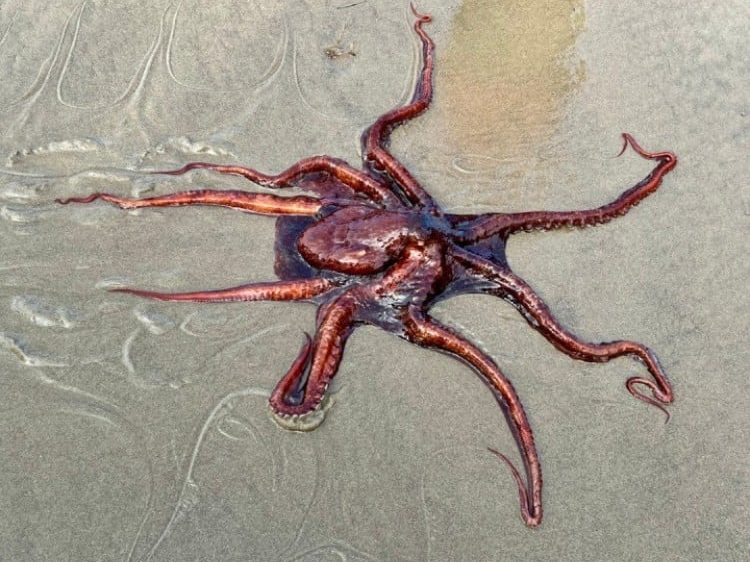
A giant Pacific octopus was caught in the wrong place as the tide went out at Cannon Beach, Oregon. Waves were washing around it, but it wasn't getting back to deeper water. On June 7, 2023, a beachgoer's report brought two members of the Haystack Rock Awareness Program to help. Their task was to work with the surf, while keeping an interested crowd from getting in the way.
A Call From Beside Haystack Rock
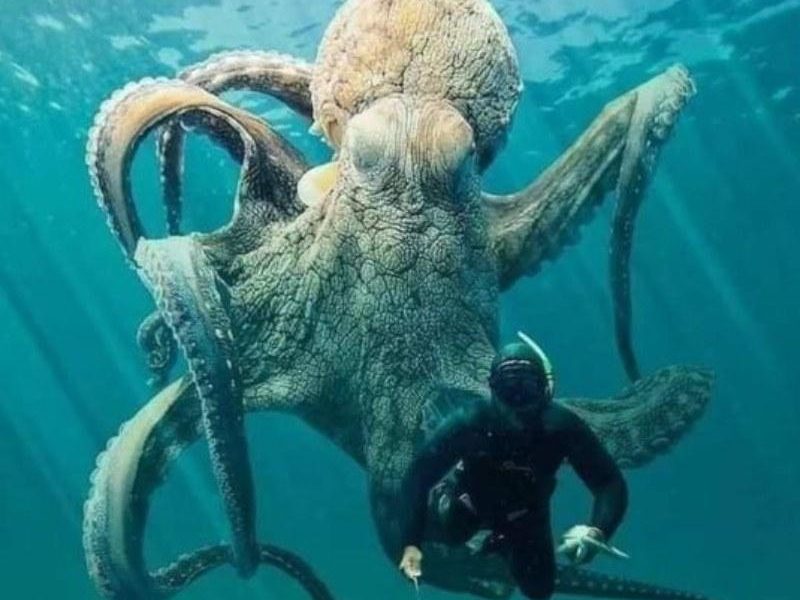
The octopus was in the sandy area between Haystack Rock and the Needles, the smaller rock formations nearby. The call reached the programme at about 9:30 a.m., according to its communications coordinator, Mylasia Miklas.
Lisa Habecker and Jolene Magee went over to assess what was happening. It was an unusual animal for visitors to see in that position. An octopus in the shallows could draw cameras quickly, but the staff needed space to watch the water and respond.
The Waves Weren't Helping Yet
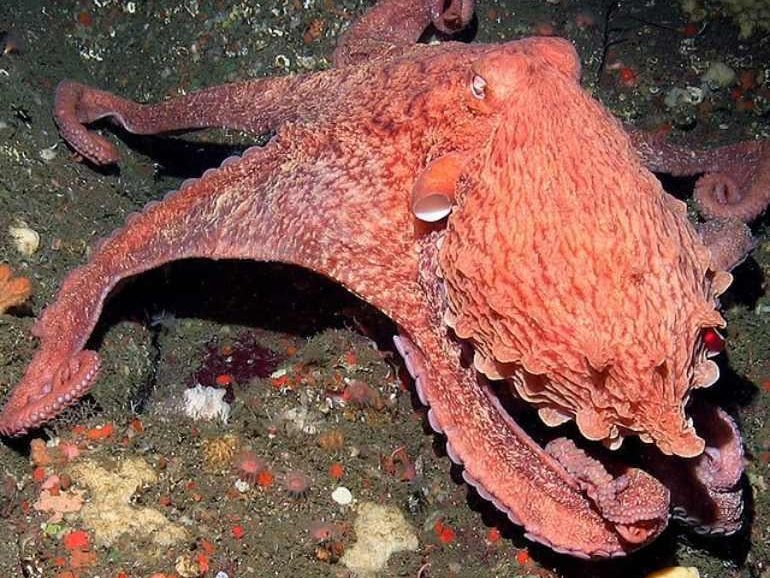
The problem wasn't simply a lack of water around the animal. Incoming waves were pushing it up the sand as it tried to move toward deeper water. Magee's account described that difficulty, rather than an animal lying motionless while someone carried it away.
KPTV's report confirmed that the octopus returned to the ocean with help from the programme. Photos and video caught a brief encounter. They did not provide a later medical examination or a record of where it went afterward.
A Large Species on Its Home Coast
Giant Pacific octopuses live around the northern Pacific, including the coast from California to Alaska and across toward Japan. They are the largest octopus species, though that doesn't mean every individual reaches a record-breaking size.
The Oregon Coast Aquarium puts most adults at roughly 44 to 66 pounds, with larger outliers. Those figures describe the species. The Cannon Beach animal wasn't weighed in the account of its rescue, so assigning it an enormous record weight would be misleading.
Arms, Suckers and Changing Colours
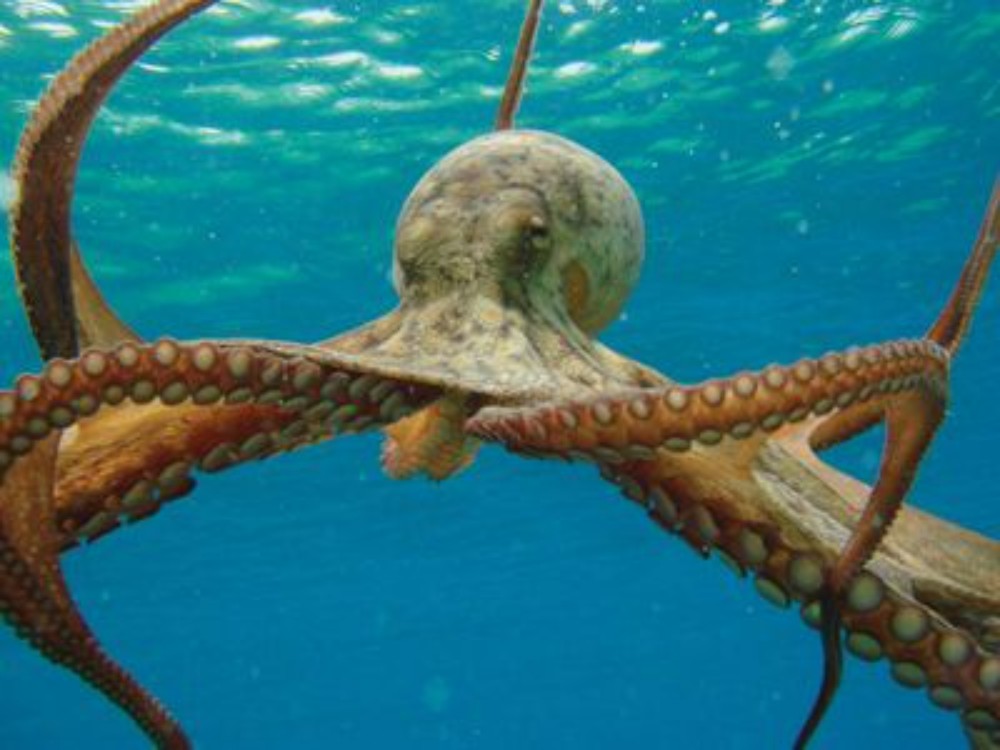
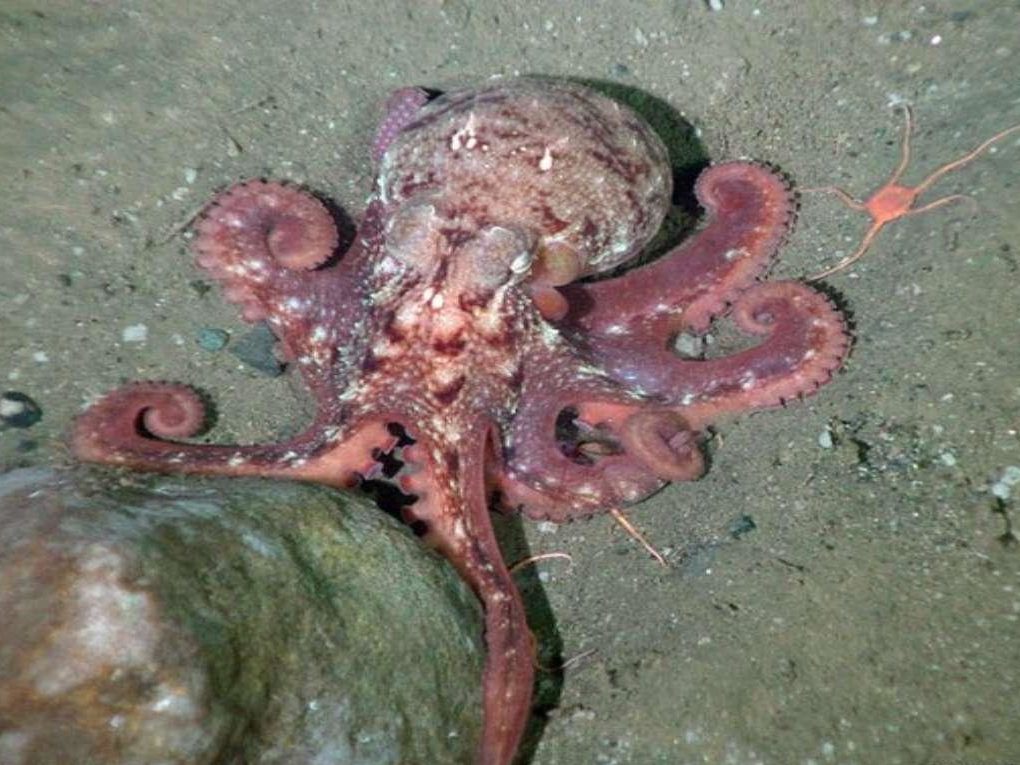
Look at the arms in the underwater photographs. An octopus has eight, with suckers along them; the giant Pacific species has two rows on each arm. The hard beak sits where the arms meet. Calling them tentacles mixes up the octopus with animals such as squid.
Its changing colours are another reason to watch closely. They're not a translation of its thoughts. We can't tell from a colour alone that an animal feels grateful, understands a rescue or has no injuries.
A Rare View Doesn't Mean an Unknown Animal
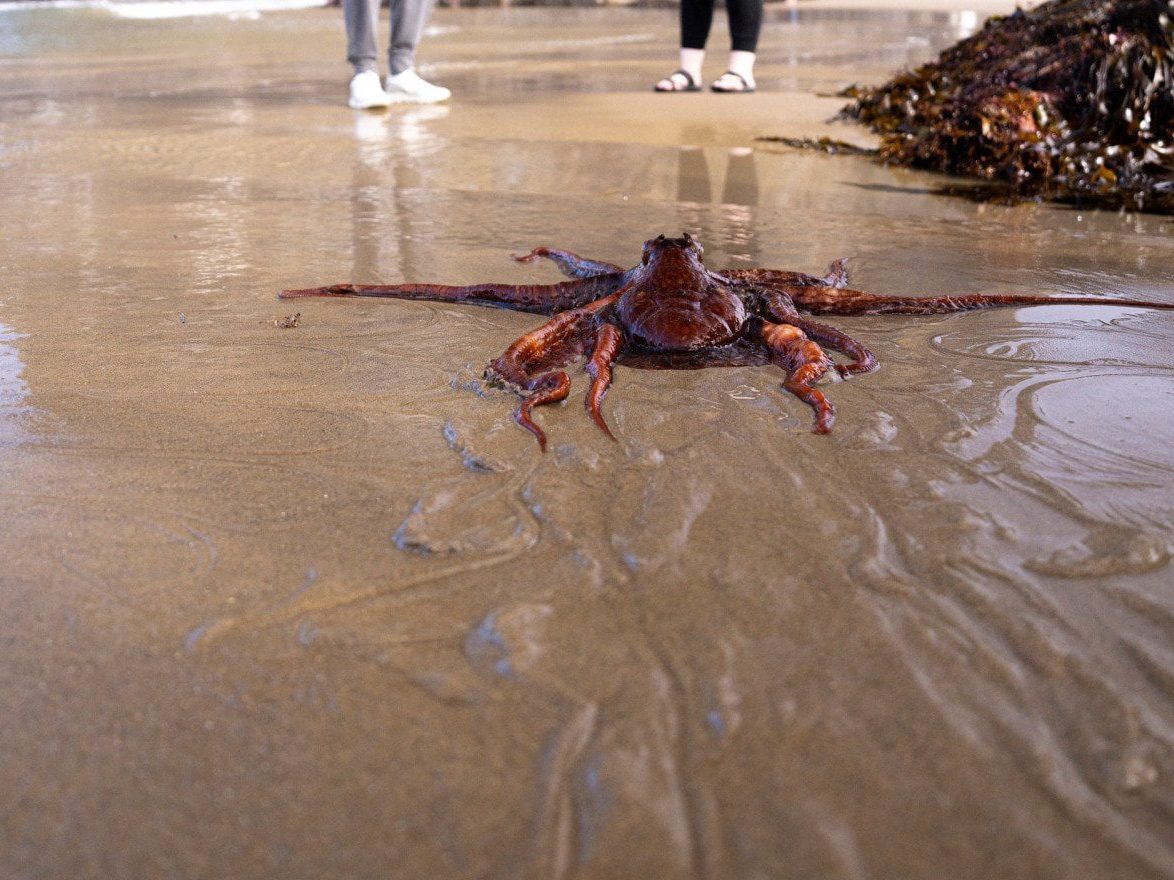
For beach visitors, seeing a giant Pacific octopus exposed on the sand is unusual. That is different from discovering a species new to science. The programme's staff recognized the kind of animal in front of them and responded to the report.
Staff responded to this call. It was an uncommon situation on a familiar stretch of coast, with people nearby who knew whom to alert.
The Return to Deeper Water
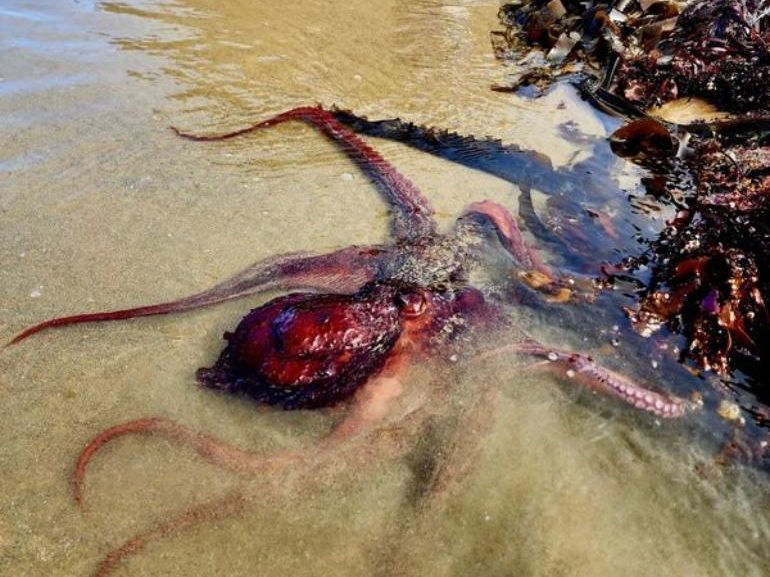
The first approach involved a signboard, but the waves kept complicating the effort. The staff adjusted their position and used a barrier against the backward wash, helping the octopus move toward deeper water.
This is a description of what trained local staff did at that moment, not an instruction to nudge or handle any stranded animal you find. The water, the animal's condition and the surrounding rocks all affect what is sensible. Asking for help is the useful first step.
The Animal Was Moving Too
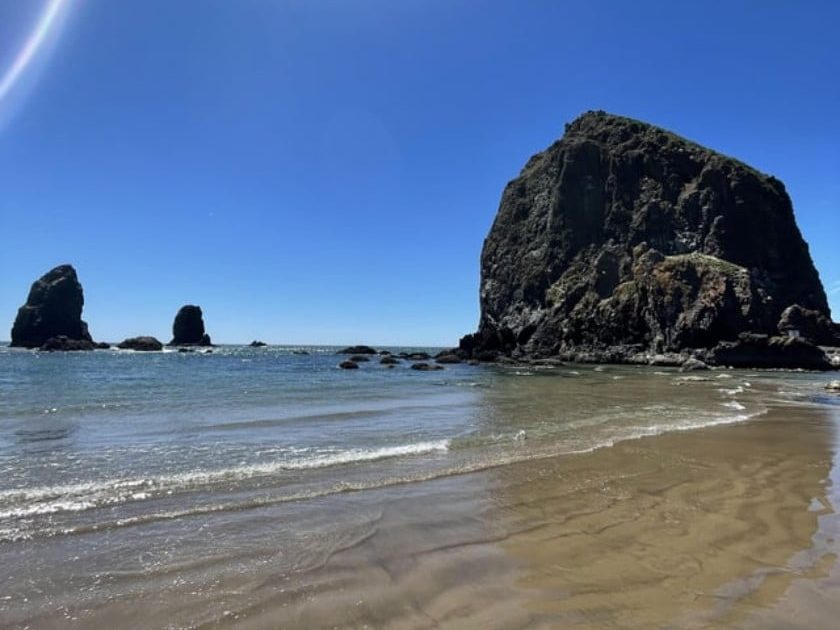
The octopus was trying to get back, rather than waiting passively for a rescue. Staff assistance and the movement of the water helped it make progress. Describing it as swimming away happily would add a feeling that nobody could verify.
What people could observe was its return to deeper water. That was the successful end of this short response. It doesn't establish how long the octopus had been exposed beforehand, or justify a fixed countdown for how long every octopus can survive on land.
Why the Staff Changed Their Approach
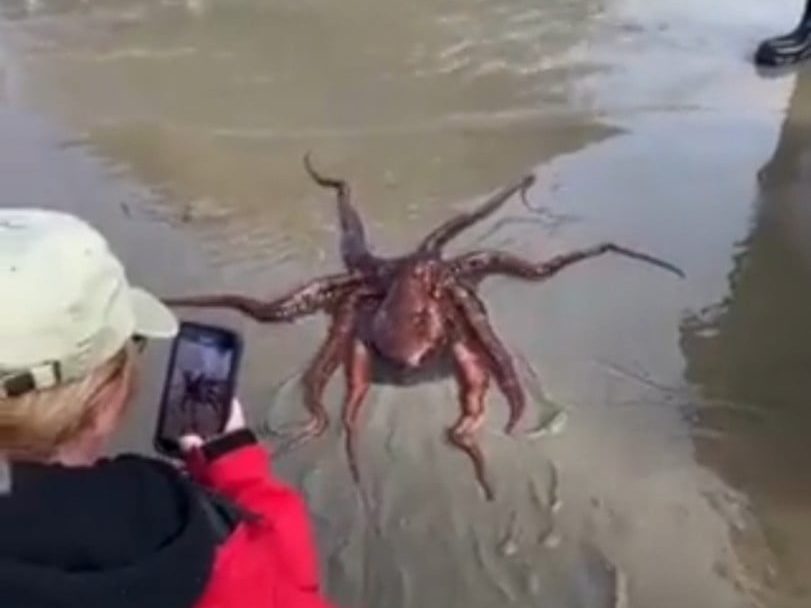
A sign alone hadn't solved the problem because another wave could undo the animal's progress. Watching that happen was part of deciding what to do next. In Oregon Coast Beach Connection's interview, Miklas described staff adapting the barrier and giving the octopus a way back.
The account is useful for its sequence: assess, observe and adjust. It isn't evidence that every sea creature needs to be pushed into the ocean. Wildlife responders may give very different directions for a different animal.
Give the Shore's Wildlife Some Room
If you see an animal in trouble, find local wildlife staff and tell them where it is. Give it space while they assess the situation. The Haystack Rock Awareness Program has resources on tidepool visits and injured wildlife, as well as staff who educate visitors on the shore.
The Cannon Beach story began with that sort of report. Two people came to look, adjusted what they were doing as the waves moved, and helped the octopus reach deeper water.