Animals
Teaching Ibises to Migrate Behind an Aircraft Wasn't One Simple Flight
How do you teach a bird a migration route when there is no experienced flock for it to follow? The Waldrappteam's answer has involved hand-rearing northern bald ibises, building their trust and guiding them behind a small aircraft. Its 2024 journey from Bavaria to Spain shows the work behind that familiar image.
Foster Parents With an Unusual Job
The people raising the chicks do more than supply food. Regular care builds the bond the team later relies on during training and migration. A familiar human can become someone a young bird follows.
Biologist Johannes Fritz helped develop the project around that idea. The relationship begins well before the first flight; the aircraft comes later.
A Bird That Disappeared From Much of Its Range

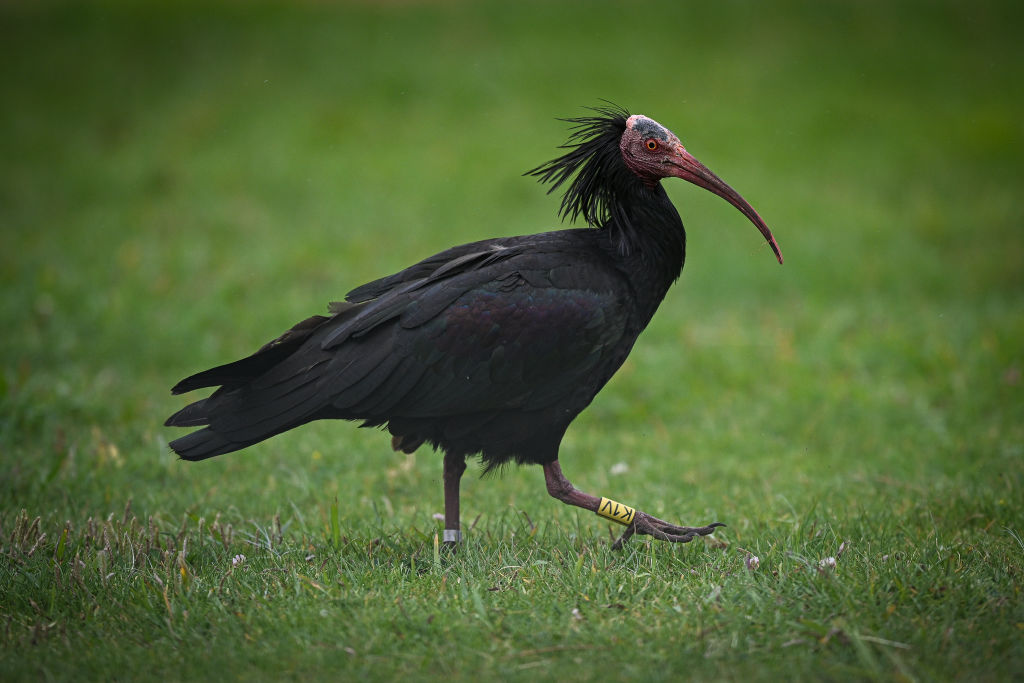
Start with the bird itself: a bald reddish head, dark shining feathers and a bill that curves downward. Northern bald ibises once occupied parts of Europe, North Africa and the Middle East much more widely.
Their decline had several causes, including hunting. Restoring a migratory group in Europe is one response. Protecting the remaining wild colonies is another, and the two shouldn't be collapsed into one project.
Two Conservation Successes, With Different Histories
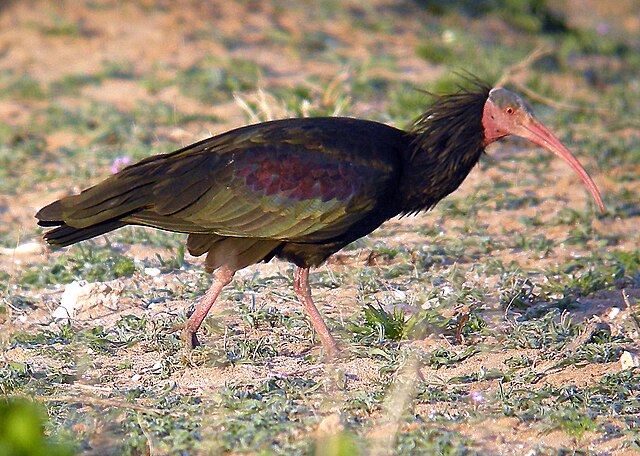
BirdLife International reported the species' change from Critically Endangered to Endangered in 2018. It linked that improvement to sustained conservation and growing wild colonies in Morocco. The European flights should not be given sole credit for the global change.
The reintroduction has its own measures of progress. The project recorded a Central European population of 280 at the end of 2024, up from 256. These are project figures, not a worldwide count.
The Route Has to Be Learned

An urge to migrate isn't a detailed map. For the birds raised for this project, the challenge is learning where to go and where a suitable wintering area lies. In a naturally established migratory population, experienced birds can help carry that knowledge forward.
The human-led flights give a reintroduced group a route to learn. The aim is migration that continues beyond the training year.
The 2024 Chicks Started in Austria

The 36 juveniles in the 2024 group were hand-reared by Helena Wehner and Barbara Steininger. The project report records their first weeks at Zoo Rosegg in Carinthia, followed by a move to a training camp in Bavaria.
Care and flight training came before departure. The birds were already familiar with their carers when the journey began.
The Daily Work Behind the Bond
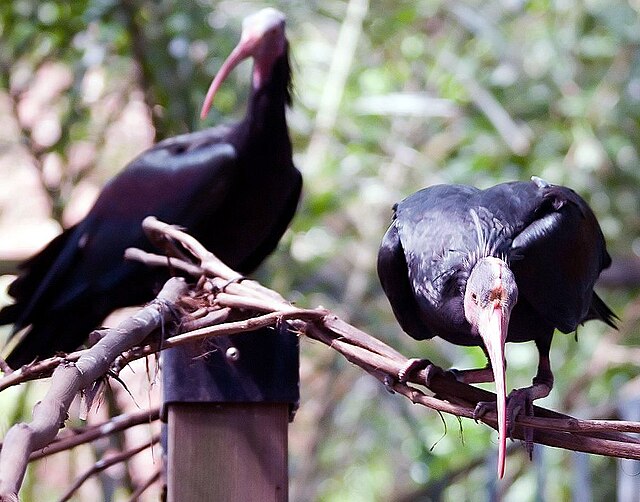
Feeding chicks, cleaning their space and watching their condition are less spectacular than flying across a landscape, but they are part of the same job. Foster carers spend time with the birds so that contact becomes familiar.
The term imprinting describes the attachment the project seeks to establish. Visitors should still leave wild birds alone rather than trying to make them follow.
Following a Microlight
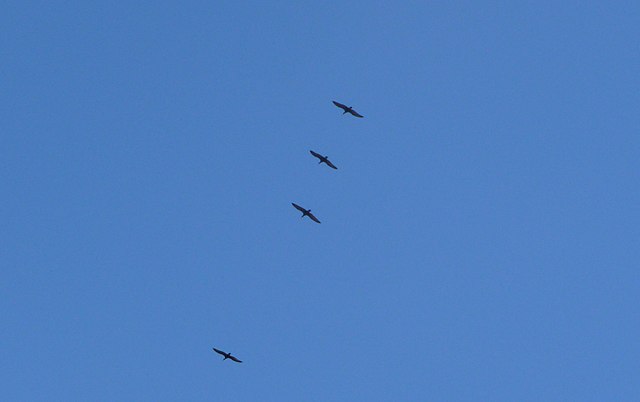
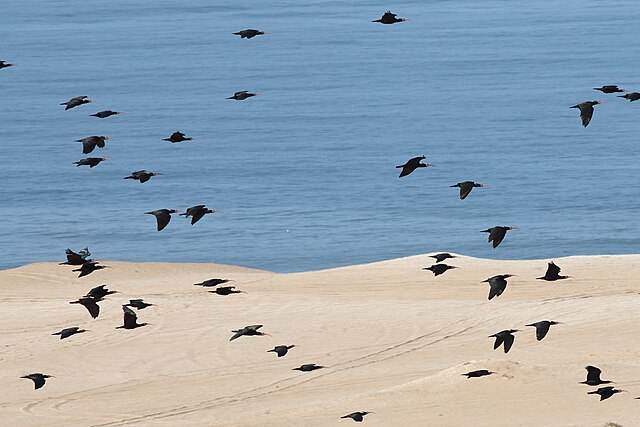
During guided flights, a foster carer travels with the aircraft while the birds follow. A pilot, ground support and places to stop are also needed. The flock's behaviour and the weather affect what happens on each stage.
From a distance, the scene can look like one continuous flight south. The project diary shows something more practical: separate stages, delays and adjustments.
Why the Idea Looks Familiar
Birds behind a small plane may bring Fly Away Home to mind. In the 1996 film, a girl and her father raise orphaned geese and help them make a journey south. That's the story on screen.
The ibis work is a separate conservation project. The film shows geese, not whooping cranes; it doesn't document this reintroduction.
Success Needs More Than a Training Flight
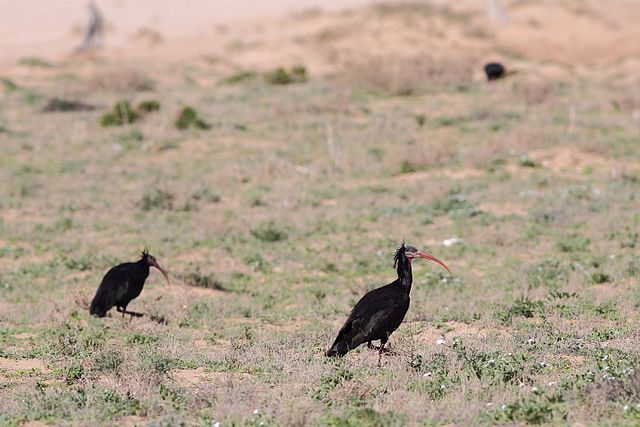
A group reaching a wintering area is one milestone. Establishing a population that can breed, survive and make later journeys is a longer task. The project's monitoring follows those questions beyond the day the aircraft lands.
Its reports also record losses and threats, including illegal hunting and power lines. A growing population is encouraging, but the numbers need that context.
A Different Way Around the Alps

Why head for Spain? The team said warming conditions were making autumn crossings of the Alps increasingly difficult for the birds in its northern colonies. Andalusia offered a wintering area reached by a different route through France.
The first guided trip there took place in 2023; the 2024 journey followed it. This was the team's response to a problem with its migration corridor, not a claim about every migratory species.
All 36 Arrived, but Not Every Stage Was Flown
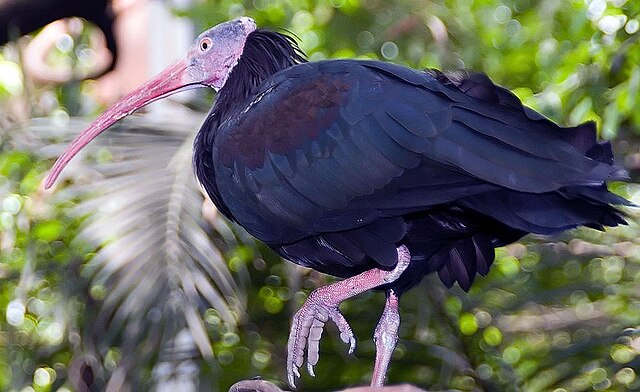
The 2024 annual report records an August 13 start and an October 2 arrival after 52 days, covering about 2,600 kilometres. All 36 birds reached Andalusia without losses on that journey.
There was an important qualification: some stages required transport by car when birds would not follow the aircraft. The report describes that difficulty openly. All arrived, but not every bird flew the whole route.