Animals
Divers Filmed an Injured Oarfish Off Taiwan. It Wasn't an Earthquake Forecast.
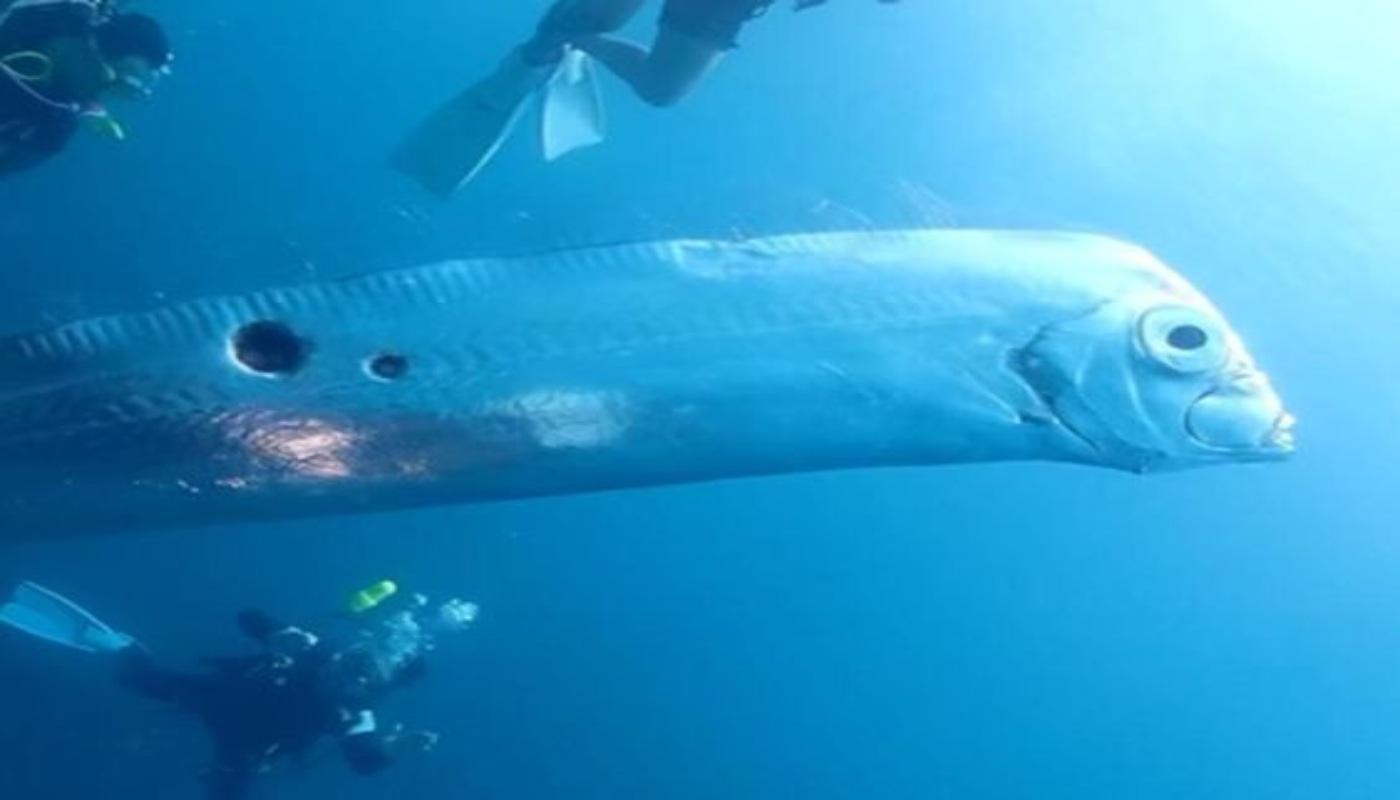
The fish beside the divers had a long, silvery body and conspicuous round marks along its side. It was an oarfish, an unusual animal to encounter near the surface.
In June 2023, instructor Wang Cheng-ru filmed one off Ruifang in northeastern Taiwan. Taiwan News reported the sighting that month and put its estimated length at about two metres. The images soon travelled much farther than the fish, bringing an old earthquake legend along with them.
What the Wounds Could Tell Us
Wang suggested the circular wounds could have come from a cookiecutter shark. He also thought an injured, dying fish might have moved into shallower water. Those were explanations offered after the encounter, not findings from an examination of this animal.
The footage shows an oarfish swimming among divers. It doesn't establish its eventual fate or prove which animal caused each mark. Its appearance near the surface isn't enough to diagnose why it was there.
A Nickname Doesn't Predict a Disaster
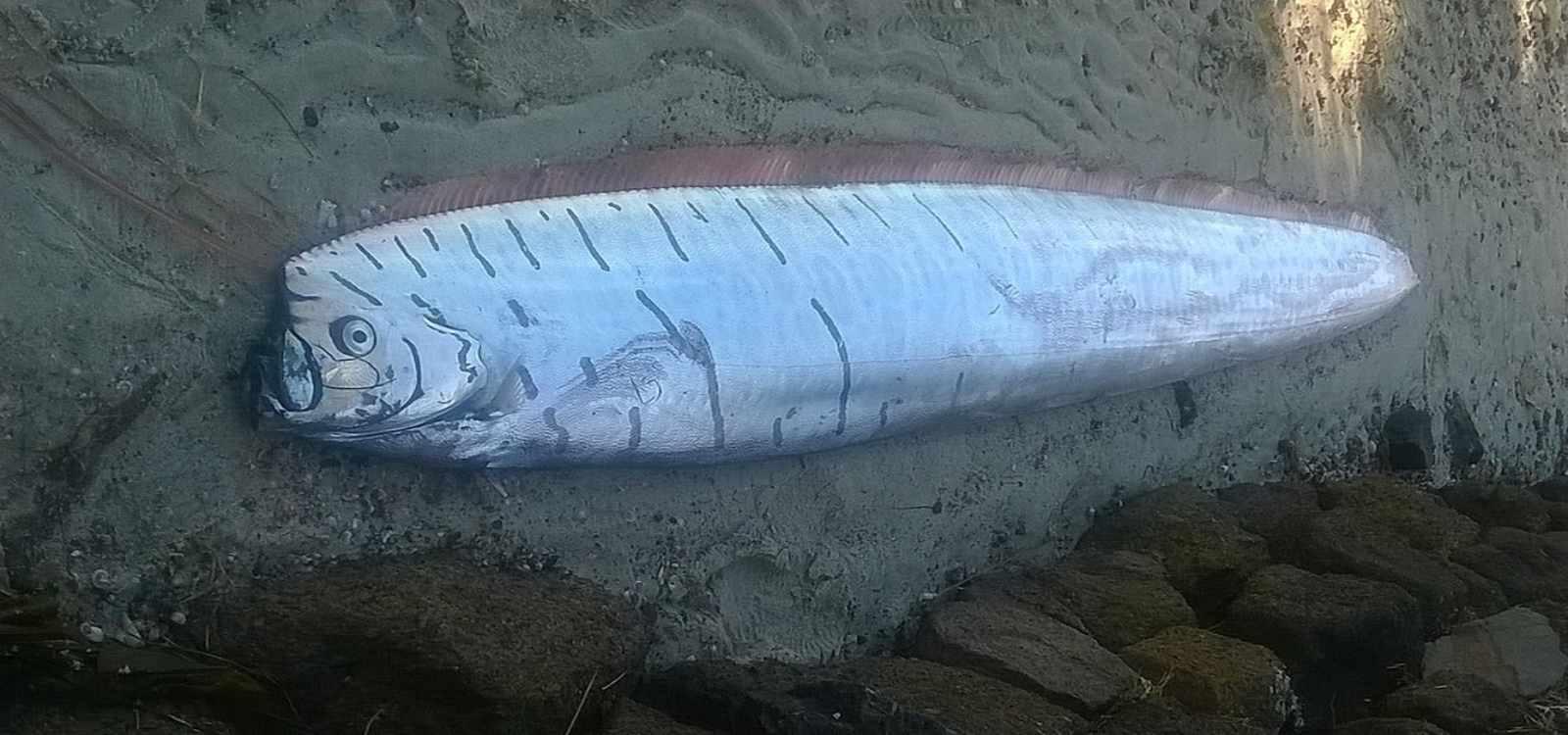
Earthquake fish and doomsday fish are names tied to folklore about oarfish appearing before disasters. A sighting doesn't turn either nickname into a forecast.
Checking that claim means comparing records of fish and earthquakes, including sightings followed by no quake. Otherwise, an eye-catching animal and a later disaster can seem connected just because people remember both. The Taiwan video by itself can't show a relationship.
A Body Built Like a Ribbon
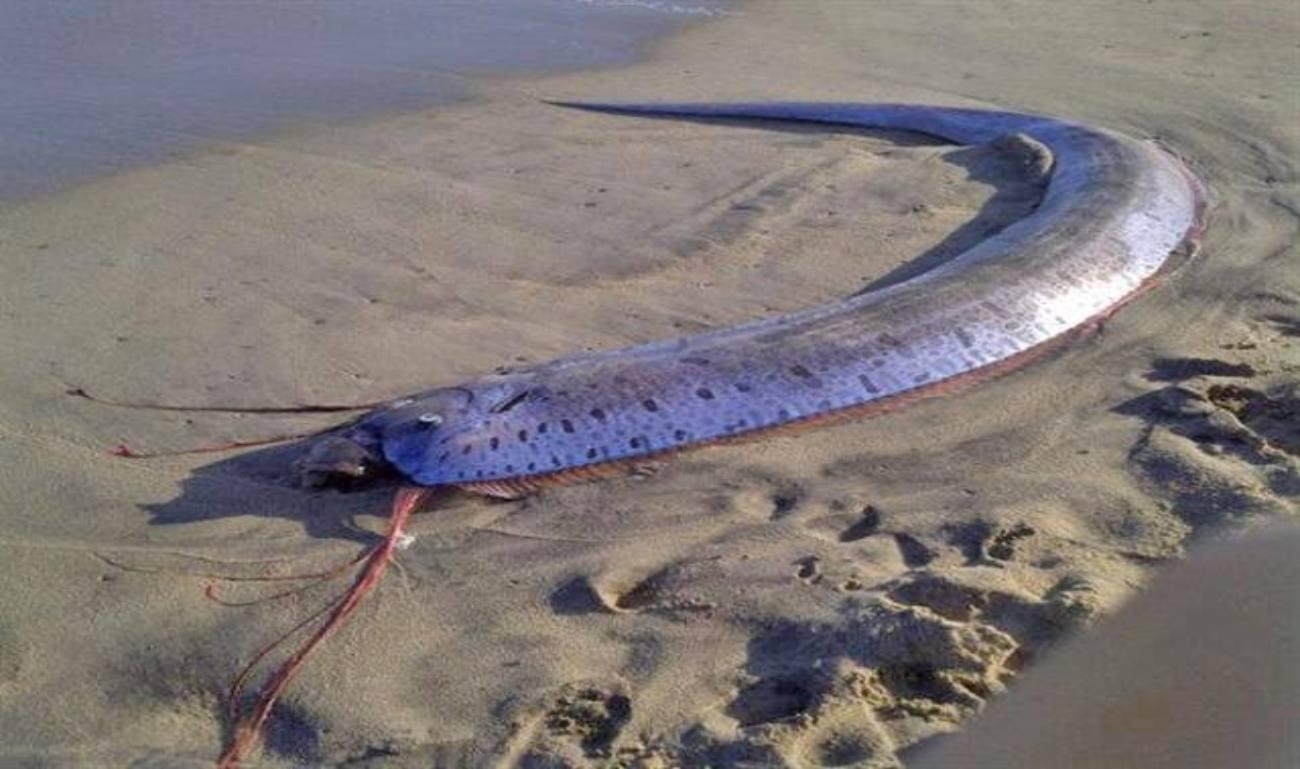
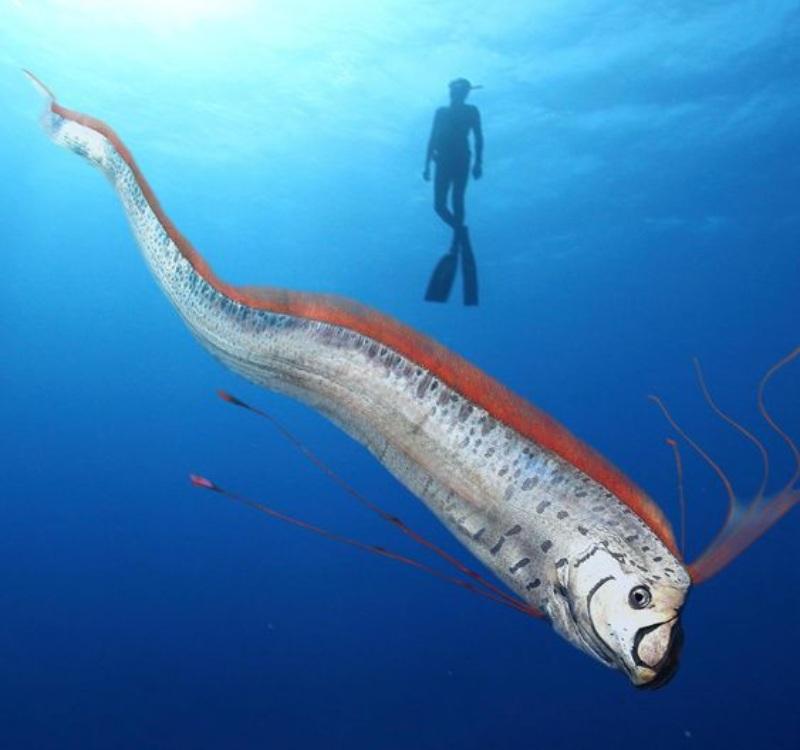
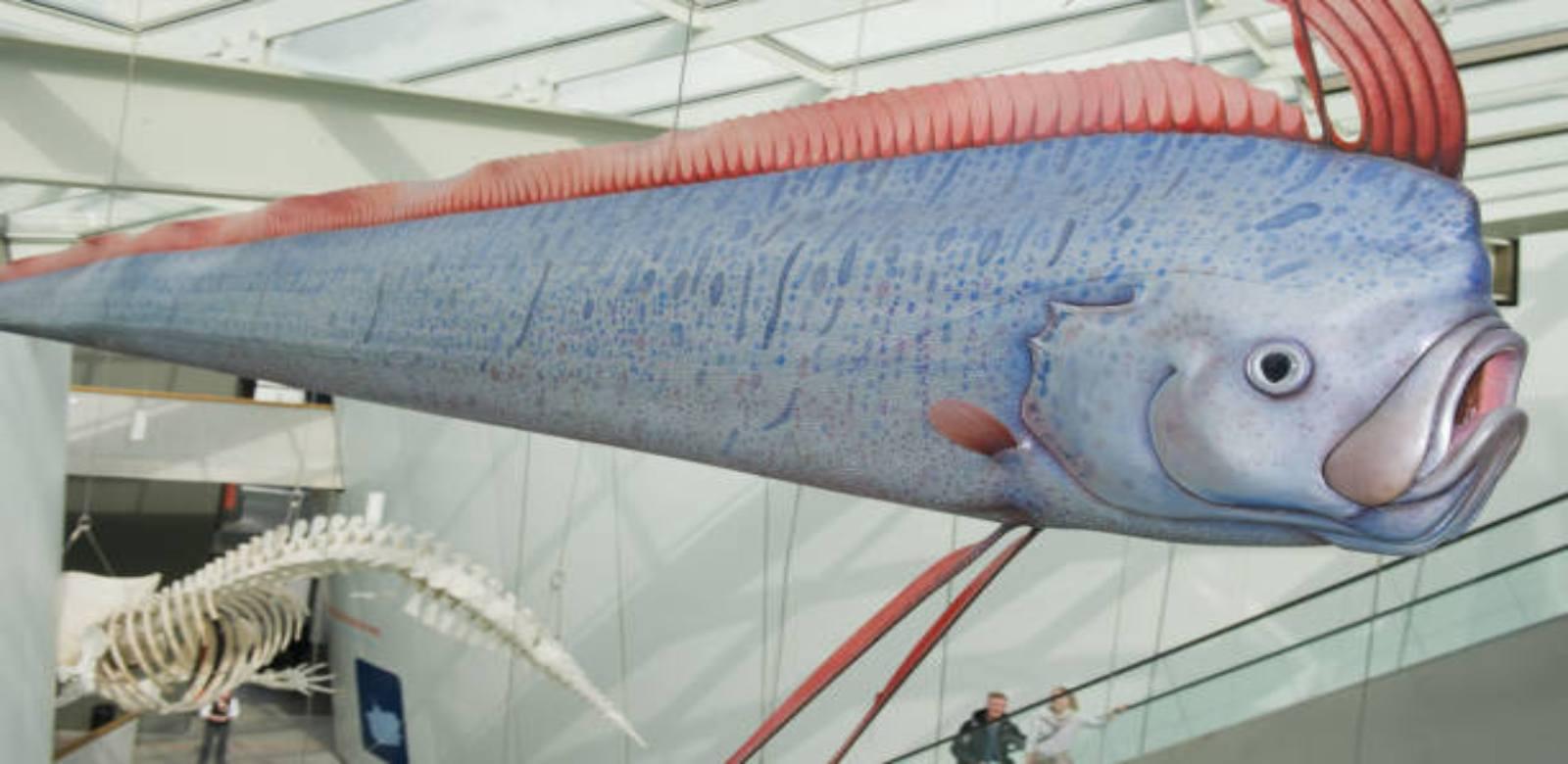
The long body, silvery skin and striking dorsal fin help explain why an oarfish catches the eye. In a separate 2024 examination in California, Scripps researchers described a scaleless, ribbon-shaped fish with a long red crest.
That was a different specimen, found dead in La Jolla Cove. Scientists examined it and preserved it for research. It offers biological evidence about oarfish, rather than an explanation of everything that happened to the Taiwan fish.
What the Research Says
Scripps points to a 2019 study that found no correlation between oarfish or ribbonfish strandings and earthquakes in Japan. The USGS also says consistent, reliable animal behaviour that predicts earthquakes has not been established.
Some animals can notice an earthquake's fast first waves before people feel stronger shaking. That's different from predicting a future earthquake days ahead. The Taiwan encounter remains a remarkable look at a rarely seen fish, with no demonstrated warning attached.