Animals
The Tiny Worms Revealing a Hidden Side of Great Salt Lake
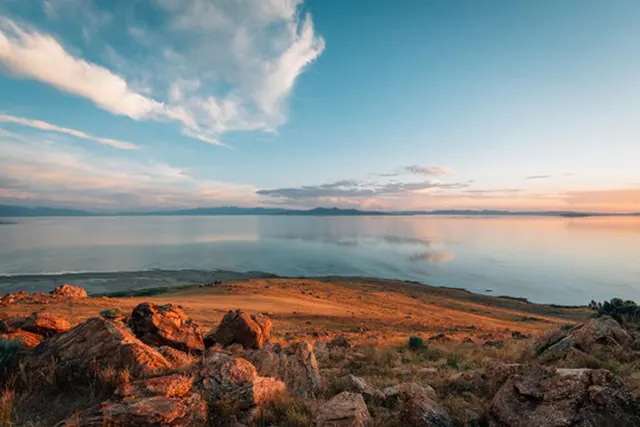
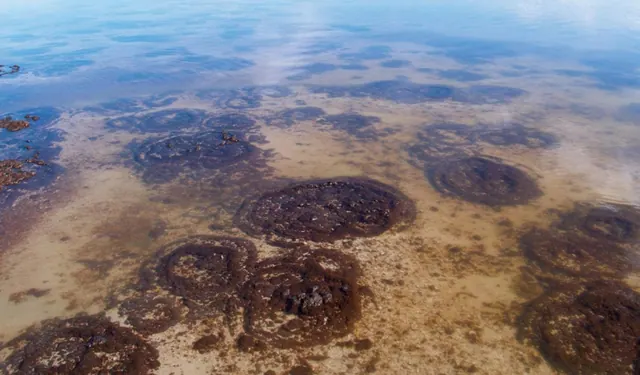
Great Salt Lake can look almost empty until you know where to look. Beneath its salty water, small animals live among structures that resemble rocks. In 2024, University of Utah researchers reported finding nematodes, or roundworms, in this habitat.
The discovery added another group of animals to a system best known for brine shrimp and brine flies. It also raised questions about how worms survive there. Follow-up research described a species new to science in 2025, giving a name to one small resident of a lake whose food web is still being investigated.
A Salty Lake With a Busy Food Web
Great Salt Lake is the largest saline lake in the Western Hemisphere. Its saltiness limits which animals can live in the open water, but that doesn't make it lifeless.
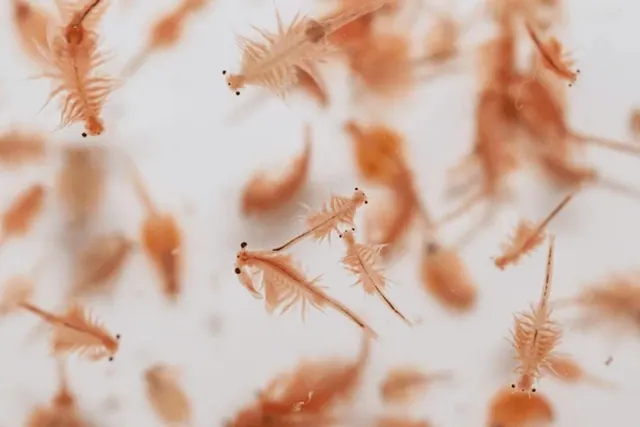
Algae and other microorganisms support brine shrimp and brine fly larvae. Those small animals, in turn, feed birds. The surrounding wetlands and islands add other habitats, so wildlife around the lake should not be confused with animals living in its salty water.
Finding the Right Place to Look
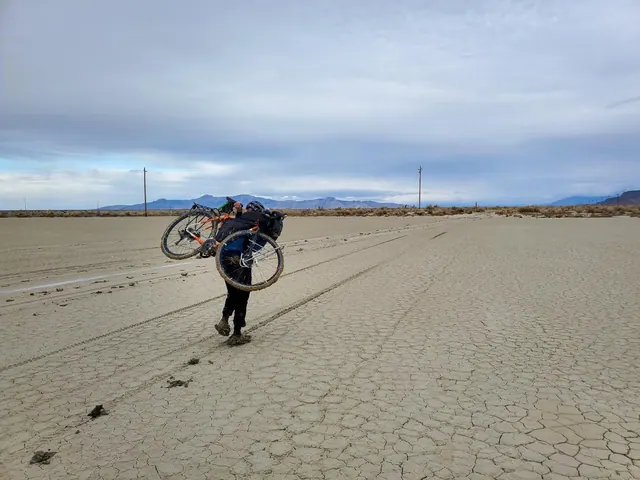
The Utah team's field surveys began in 2021, with researchers visiting sites in the lake's South Arm. Finding worms required collecting and examining samples, rather than simply looking out across the water.
The original report described access by kayak and later by bike or on foot as water receded. Those journeys show how much the sampling landscape could change between visits; they aren't a measurement of the lake's present-day shoreline.
Why the Birds Matter
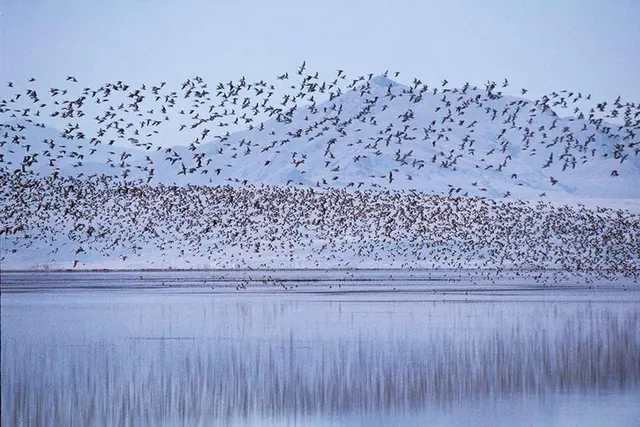
Birds connect the lake's tiny inhabitants to a much larger ecosystem. Brine shrimp and flies provide food for migrating waterbirds, while nearby freshwater wetlands support their own communities.
That is why an inventory of birds, mammals or fish in the wider Great Salt Lake region cannot tell you which species tolerate the lake's brine. Habitat boundaries matter when describing what scientists found and why it was surprising.
Salt Tolerance Has Limits
Salt concentrations vary across the lake, and the North and South arms aren't interchangeable habitats. A species that survives one set of conditions may struggle in another.
The nematode research examined that variation rather than treating all roundworms as equally salt tolerant. Laboratory worms and worms collected from the lake also need to be distinguished: they aren't automatically the same species just because both are nematodes.
Small Worms, Many Species
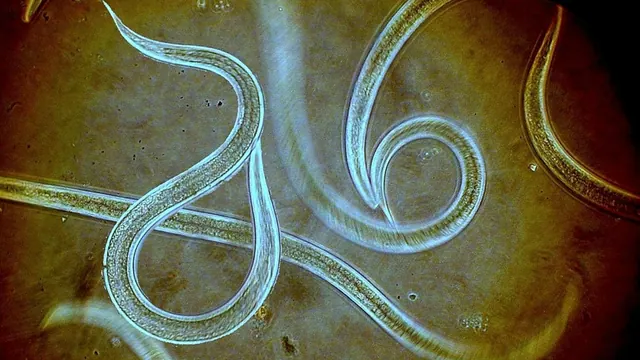
Nematodes are roundworms found in many environments, including soils and aquatic sediments. The name describes a broad animal group, not one newly discovered creature.
The 2024 research documented nematodes in Great Salt Lake and their close association with microbialites. Later work went further by describing a particular species. Keeping those steps separate avoids turning the discovery of a previously overlooked community into a claim that every worm was new to science.
A Species Receives a Name
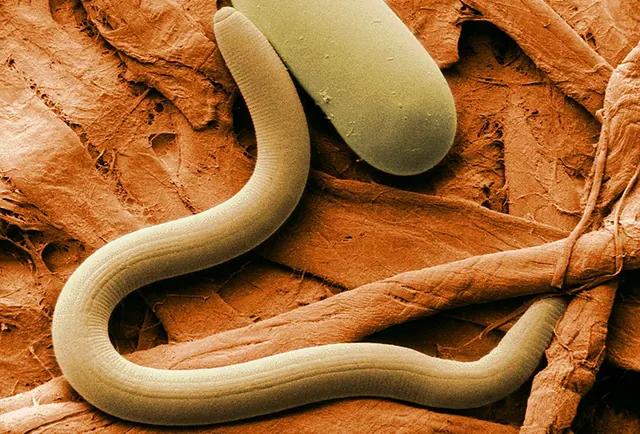
The 2025 species description named Diplolaimelloides woaabi. Researchers used physical characteristics and genetic evidence to distinguish it, drawing on specimens collected from microbialites near Antelope Island.
The authors explain that the name recognizes the Shoshone word for worm. The study examined specimens collected during 2024, using microscopy alongside DNA sequencing to support the identification. The description identifies a particular animal within a broader community; it does not establish when that community first entered the lake.
The Structures Beneath the Water
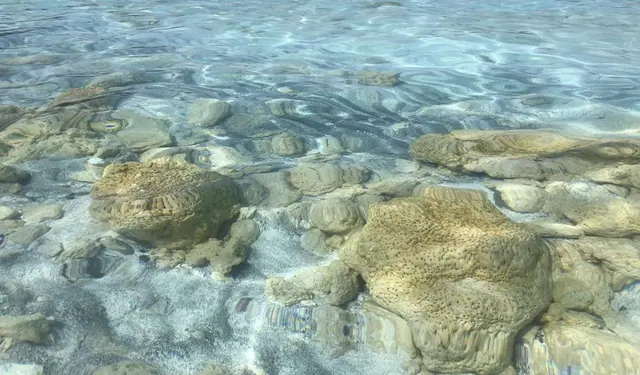
Microbialites form through the activity of microbial communities. Great Salt Lake's shallow-water formations are sometimes described as living rocks, but their biological role goes beyond their appearance.
Utah's geological guidance identifies them as habitat within the lake's food web. Their surfaces and small spaces offer places where organisms can live. The connection helps explain why examining these structures can reveal animals missed by a broader look at the lakebed.
What Breaking a Sample Revealed
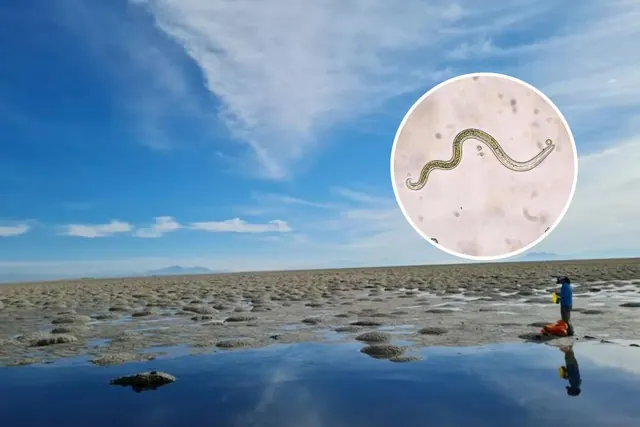
Breaking apart microbialite samples let researchers recover many worms hidden inside. The finding redirected attention toward a habitat that could easily look like ordinary submerged rock.
The published work reported a strong association between worms and microbialites. Association alone doesn't settle every question about the relationship, though. It leaves researchers to test which features of that habitat matter, what the worms eat and how they cope with changes in salinity.
The Bacteria Experiment
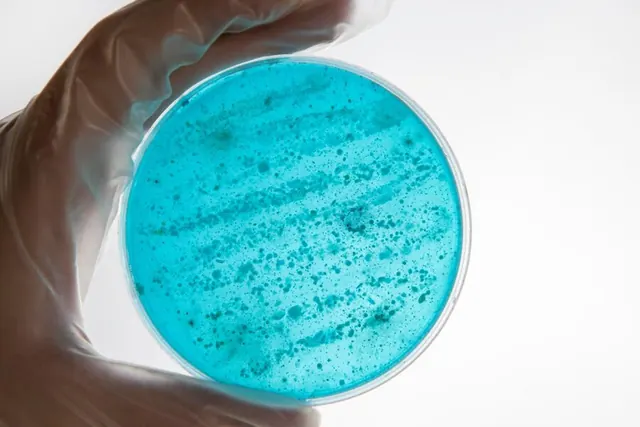
A separate experiment used the laboratory nematode Caenorhabditis elegans. Worms fed lake bacteria survived exposure to lake water longer than worms fed their usual laboratory diet.
That result suggested a possible role for microbes in salt tolerance. The experiment used a laboratory species, so it cannot by itself explain every adaptation of the wild lake community. The mechanism still needed investigation.
An Unfinished Relationship
The worms' place in microbialite communities remains a useful research question. Finding them does not establish that they build the formations or transport the particular bacteria needed to maintain them.
Those are ideas to investigate, rather than services to present as proven. For readers, the distinction is practical: a habitat can be important to an animal even while scientists are still working out what the animal contributes in return.
A Reason to Look More Closely

The discovery adds detail to a familiar place. A lake known for salt, birds and brine shrimp also contains microscopic animals with their own habitat requirements.
The research gives scientists another way to study life under extreme conditions. It does not demonstrate life on another planet or establish that the worms can tolerate any future change. Understanding the lake starts with the organisms actually found there and the limits the experiments can support.