Animals
The Dinosaur Skeleton a Dog Walk Helped Bring to Light in France
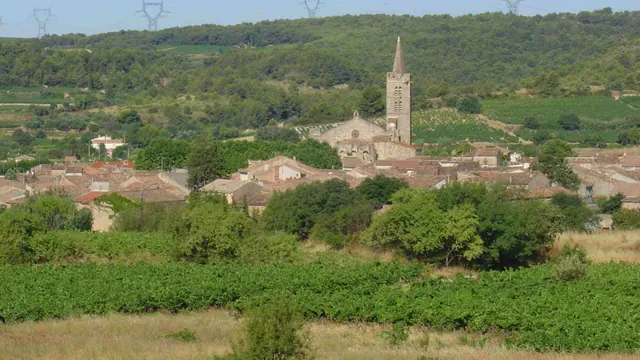
While walking his dog in southern France in 2022, Damien Boschetto noticed exposed dinosaur bones. Excavation revealed the remains of a titanosaur.
The discovery reached international audiences in 2024. In his account to ABC News that March, Boschetto described a specimen about 70 million years old, with roughly 70 percent of its skeleton recovered. This is a look back at that discovery and the work behind it.
A Region With a Fossil Record
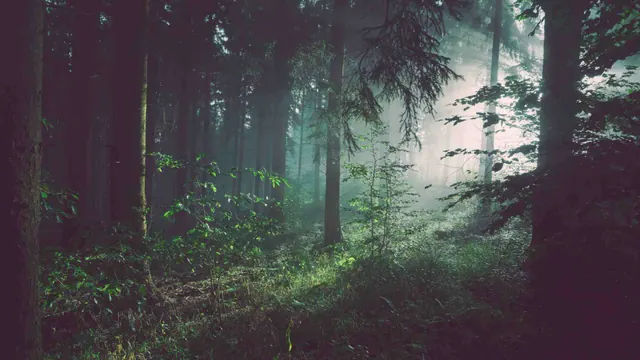
The find was made at Montouliers, near Cruzy. It joined a longer history of paleontological work in this part of southern France.
The Cruzy Museum describes nearby sites as Late Cretaceous deposits, approximately 70 million years old. Its account traces regional fossil discoveries to the nineteenth century and organized excavations at local sites from 1996. The landscape was already known to researchers before this particular skeleton emerged.
From Exposed Bones to a Skeleton
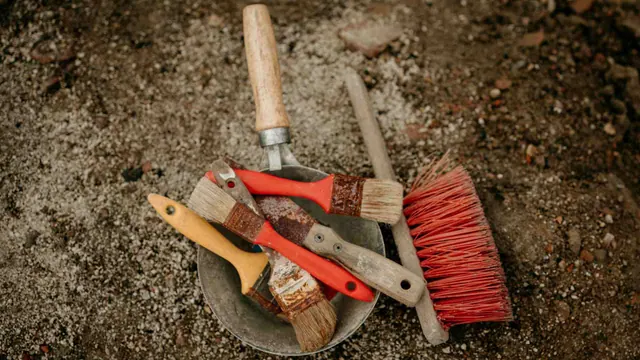
Boschetto's account described erosion exposing bones at the edge of a slope. What first appeared to be scattered material turned out, after excavation began, to include bones that remained connected.
The arrangement gave the team relationships between bones to investigate, alongside the pieces themselves.
Experience Behind the Discovery
A portrait published by the Sud-Hérault local authority describes Boschetto as an active ACAP member with practical experience excavating, exposing and identifying bones. It also describes him learning from university researchers he met on digs.
His background matters to the dog-walk story. Recognizing a promising bone was followed by work that depended on experience and cooperation. The discovery wasn't completed by the first person noticing something unusual in the ground.
Why the Team Kept It Quiet
Boschetto and members of the Archaeological and Paleontological Cultural Association, ACAP, limited publicity while they excavated. They wanted to protect the site from damage and unauthorized collecting.
The finding dates to 2022; the account reached international audiences in 2024, after the team had begun protecting and recovering it.
What a Titanosaur Is
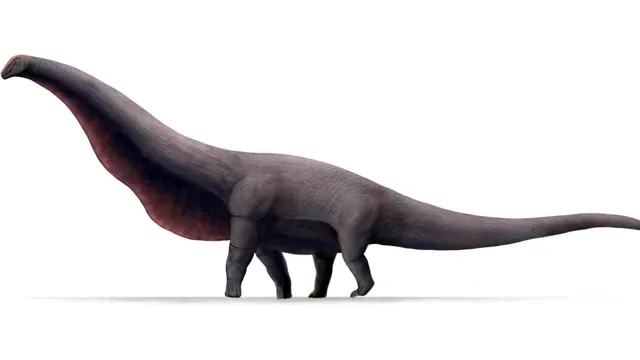
Titanosaurs are a group of sauropod dinosaurs, rather than one species with a single standard size. These plant-eating animals included some of the largest creatures ever to walk on land.
The Western Australian Museum describes titanosaurs as a diverse group that developed during the Early Cretaceous and survived until the end of that period, about 66 million years ago. The French specimen's reported age places it in the Late Cretaceous, not the Jurassic.
One Group, Very Different Sizes
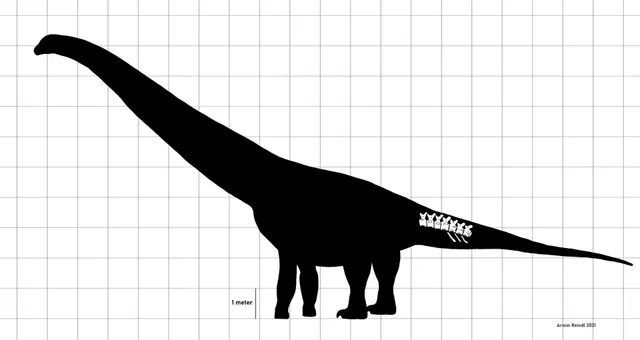
The French skeleton was reported at around 30 feet, or roughly nine metres, long. That estimate describes this find; it is not a size limit for titanosaurs.
For comparison, London's Natural History Museum lists the Argentine titanosaur Patagotitan at about 37.5 metres. The museum also cautions that not every titanosaur was particularly large. A comparison with a famous giant should not turn a smaller French specimen into that species, or give it the giant's estimated weight.
What Connected Bones Can Show
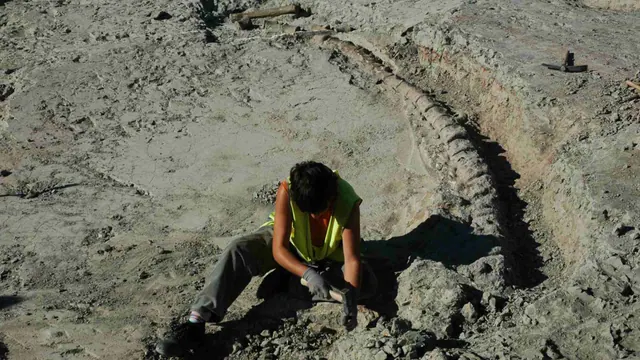
Bones preserved together give researchers anatomical relationships to document, alongside the shapes of the individual pieces. Photographs, notes and identification still matter when much of a skeleton survives.
The Cruzy Museum describes ancient river deposits in the region, including bones transported and deposited by water. That regional setting does not establish the exact death and burial sequence of this individual. A regional description cannot settle that sequence.
A Fossil for Study and Display
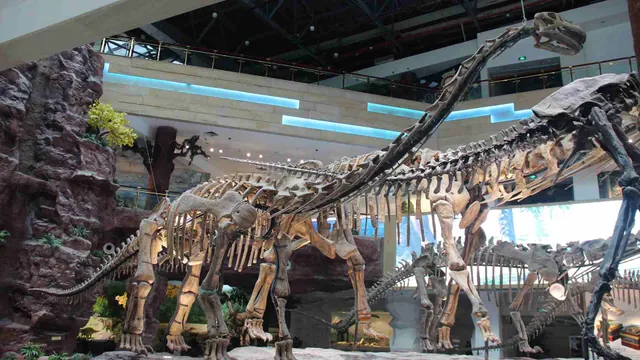
A largely preserved skeleton can offer possibilities for explaining an animal to museum visitors as well as studying it. But an excavation, a prepared fossil and a finished exhibition are different stages.
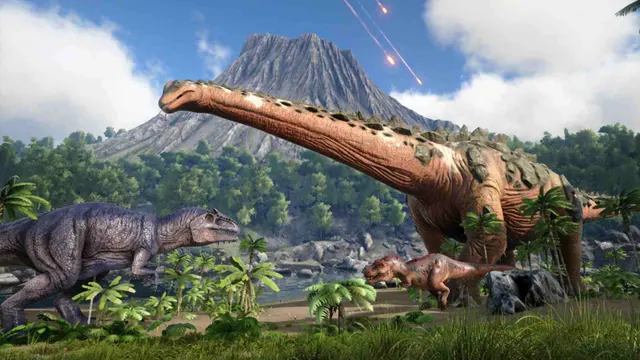
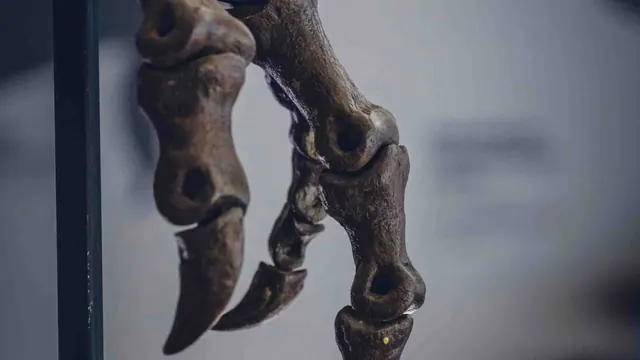
The mounted skeleton pictured in this gallery is a comparison image, not Boschetto's French discovery. Nor should its posture or proportions be used to fill gaps in the French specimen without anatomical evidence. The reported completeness remains approximate, rather than a claim that every bone survived.
Work After the Excavation
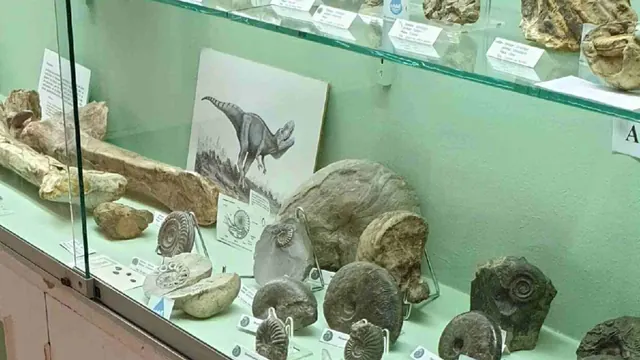
The Sud-Hérault portrait describes bones protected in plaster and the slow work of freeing them from rock after transport. It refers to small powered tools used during preparation.
This part of the process receives less attention than the discovery itself. Documentation, identification, data analysis and scientific publication were further tasks named in that account.
More Than a Single Dinosaur
The museum's regional collection places the find within a wider fossil landscape. Its paleontology account describes work with the CNRS and the dinosaur museum at Espéraza, as well as dinosaur eggshell material and a preserved clutch from Massecaps.
Those records concern the surrounding region and its research history. They are useful context for the discovery, while remaining separate from the bones recovered at Boschetto's site. A nearby fossil is not automatically part of the same animal.
A Change of Direction
The local-authority portrait also describes Boschetto redirecting a career that began in the hydrogen sector toward paleontology. The public story of the find therefore involved both a fossil and a change in the discoverer's working life.
The portrait does not establish a later qualification or the current completion of a degree. The evidence behind the discovery remains the recovered material and the work done to document and study it.