Animals
The Walmart Insect That Turned Out to Be a Rare Giant Lacewing
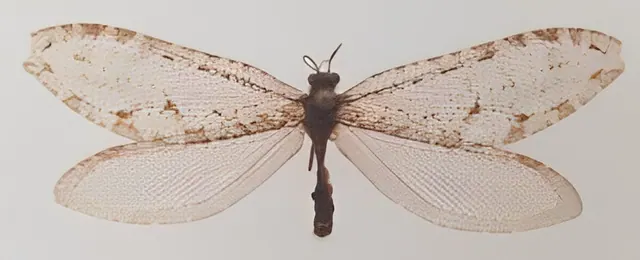
An insect collected outside a Walmart in Fayetteville, Arkansas, in 2012 spent years under the wrong name. When entomologist Michael Skvarla examined it again during an online class in 2020, it turned out to be a giant lacewing with an unusual place in the region's records.
The find involved a living species, Polystoechotes punctata. Its significance came from where it was collected and the long gap in eastern records, rather than the discovery of an individual insect left over from the age of dinosaurs.
A Shopping Trip in 2012

Skvarla was a University of Arkansas doctoral student when he noticed the insect on the outside of the store. His later position at Penn State's Insect Identification Lab belongs to a different stage of the story.
A university account published in February 2023 describes him collecting the insect while shopping for milk, then taking it home and preserving it. Collection, recognition and publicity happened years apart.
A Specimen With the Wrong Label
Skvarla initially thought he had collected an antlion. The insect entered his personal collection with that identification, where it remained available for another look.
The mistake became important because the specimen survived it. A preserved insect can be examined again as questions change or its owner notices a feature that does not fit the original label. Here, that second examination came through teaching.
What an Antlion Actually Is
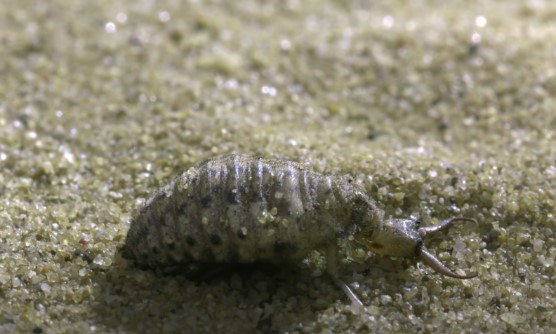
Antlions belong to the family Myrmeleontidae within the insect order Neuroptera. Their adult forms are winged and can resemble delicate damselflies, while the larvae look very different.
Some familiar antlion larvae build small pits in sandy soil and wait for prey to tumble in. The larva pictured in this gallery illustrates that stage. It is a comparison with the original identification, rather than the giant lacewing collected in Arkansas.
A Second Look During Online Teaching

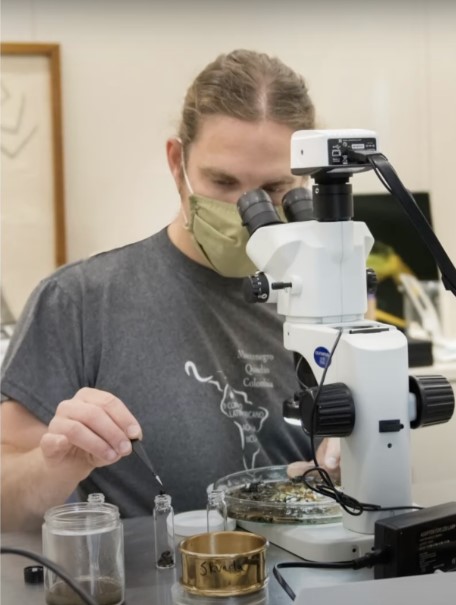
In fall 2020, Skvarla was teaching a Penn State insect biodiversity and evolution course online. His personal collection supplied specimens he could show students remotely.
While demonstrating the insect he had labeled an antlion, he noticed that its features did not match that identification. A routine teaching example became a question the class could investigate together. The preserved specimen was now being examined for a different purpose.
The Name That Fit
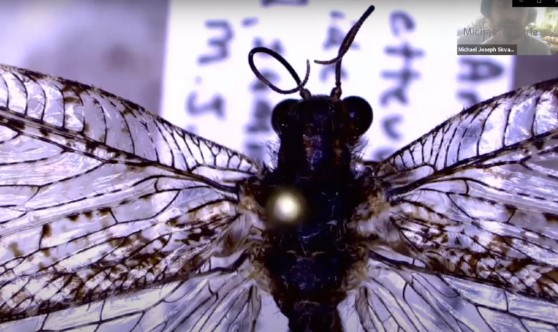
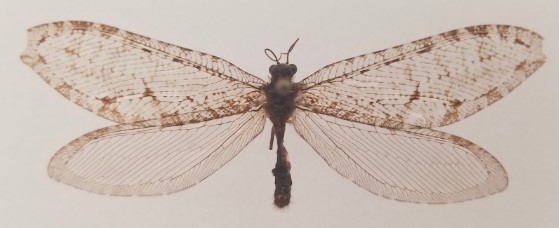
The revised identification was Polystoechotes punctata, a giant lacewing in the family Ithonidae. Antlions and giant lacewings share an order, but belong to different families.
Penn State's account described the giant lacewing's wingspan as roughly 50 millimeters, or about two inches. Size was part of the description; the story concerns examining the insect's characteristics, rather than treating any large, lacy-winged insect as the same species.
Checking the Identification
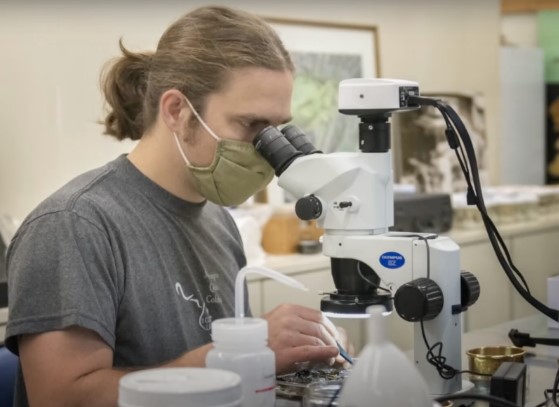
According to the university, Skvarla and colleagues used molecular DNA analysis to help confirm the specimen's identity. They also examined its collection information and compared it with records of the species.
These steps address different questions. An identification establishes which insect was collected, while the date and locality establish why that occurrence may matter. Neither question can be answered reliably by calling the insect unusual-looking.
Putting the Record on the Map
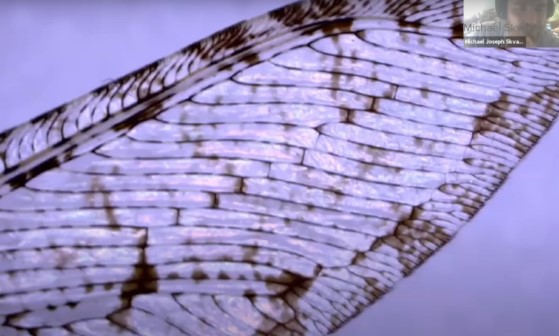
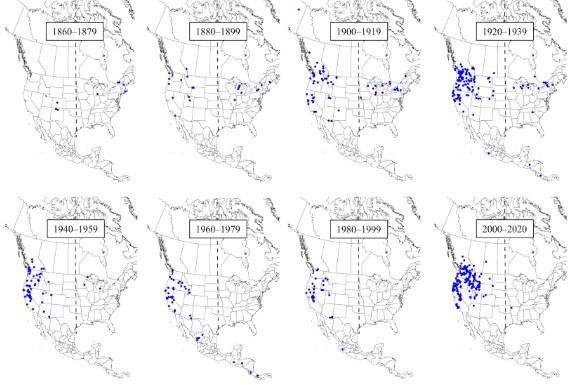
Skvarla and co-author J. Ray Fisher reported the rediscovery in a paper published in November 2022. Their review described the Fayetteville specimen as the first state record for Arkansas and the first eastern North American specimen recorded in more than fifty years.
That is a claim about the records examined for that publication. It should not be stretched into saying the species had vanished from all of North America.
A Modern Insect With Ancient Relatives
The phrase Jurassic-era insect attracted attention when the story reached a wider audience. Chile's National Museum of Natural History offered a useful clarification in March 2023: this was a modern species with ancient relatives.
The museum placed the family's history back in the Late Triassic. An old evolutionary lineage and an ancient individual are very different things. The insect Skvarla picked up was a contemporary animal, subsequently preserved as a specimen.
Could It Have Come From the Ozarks?

Fayetteville lies in the Ozark region, which the researchers considered a plausible place for an overlooked population to persist. They described an area rich in distinctive species and less studied than some comparable regions.
That made the possibility worth investigating. The discovery of one adult did not establish the size of a population, identify its breeding habitat or show exactly how far the insect had traveled before reaching the building.
Missing Records Are Not a Census
The 2022 paper raised another possibility: giant lacewings may always have been uncommon in the eastern region, at least during the period of substantial insect collecting beginning in the late nineteenth century.
The authors considered collecting effort as well as the insect's history. A long gap in museum records is important evidence, but interpreting it requires asking where people looked and how likely they were to encounter the species.
What Might Have Changed?
Researchers have discussed several possible explanations for the apparent eastern disappearance. These include artificial lighting and urban development, changes associated with fire suppression, and introduced organisms that alter forest habitats.
Those remain hypotheses in the accounts reviewed here. The Arkansas specimen does not identify a single cause of decline or show that an environmental pressure has been reversed. It adds an occurrence that future explanations must take into account.
Not Every Lacewing Picture Shows This Species
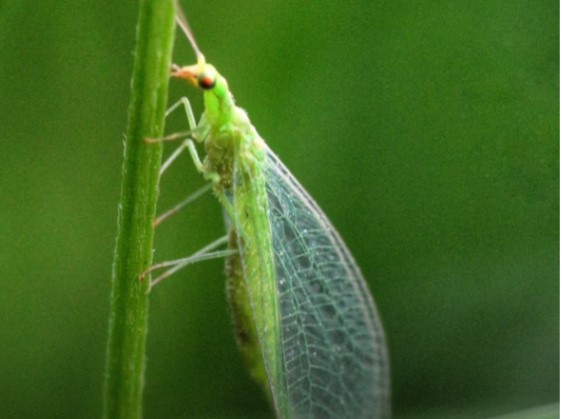
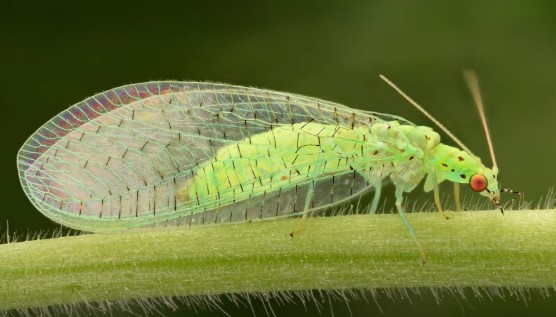
Lacewings vary widely in appearance. The bright green insects in this gallery illustrate other lacewings, rather than the brown, broad-winged Arkansas specimen.
The distinction matters when photographs accompany an identification story. The Australian Museum describes Neuroptera as a diverse order whose larvae and adults can look quite unlike one another. Shared wing patterns or a common name are useful starting points, but they do not settle a species identification.
A Museum Specimen That Can Be Revisited
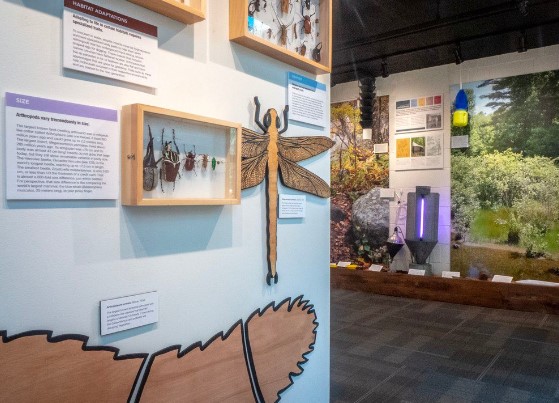
Penn State reported in 2023 that the insect had been deposited in the Frost Entomological Museum. Retaining it gives other researchers access to the physical evidence behind the record.
The collection information is part of that evidence too. The date, locality and history of an identification help future researchers interpret what they are examining. In this case, preserving a specimen made it possible to correct an earlier mistake years later.
Questions Beyond the Store Wall

The next question concerns the landscape around the find. Additional documented observations could help researchers investigate whether a local population persists and where to search for it.
The existing record has a definite place and date, and a specimen that can be rechecked. It does not supply a population count. That gap between a striking discovery and the evidence still needed is what makes further field observation useful.