Animals
How Electric Harps Can Help Protect Honey Bees From Hornets
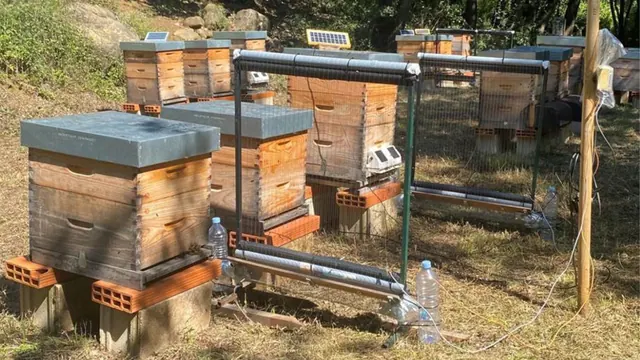
A frame of electrified wires can give honey bees some breathing room when hornets gather outside their hives. Known as an electric harp, the device intercepts hunting hornets and can reduce the pressure on a colony.
Research supports that practical benefit, with important limits. Protecting an apiary does not demonstrate that the invasive hornet has been eliminated from a region, and even protected colonies can struggle under heavy pressure.
Which Hornet Is the Research About?
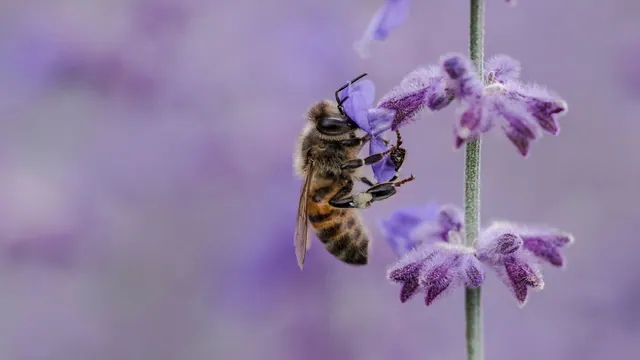
The studies concern Vespa velutina, commonly called the yellow-legged hornet or Asian hornet. It hunts honey bees and other insects, creating problems for beekeepers in invaded parts of Europe.
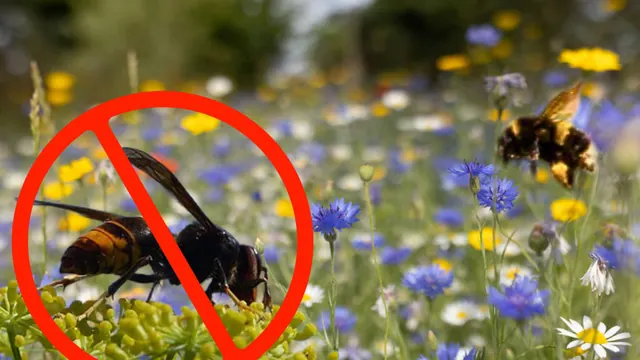
Accurate identification matters. A general picture of a large hornet cannot establish the species, and the composite illustration in this gallery should not be used as an identification guide.
Pressure at the Hive Entrance
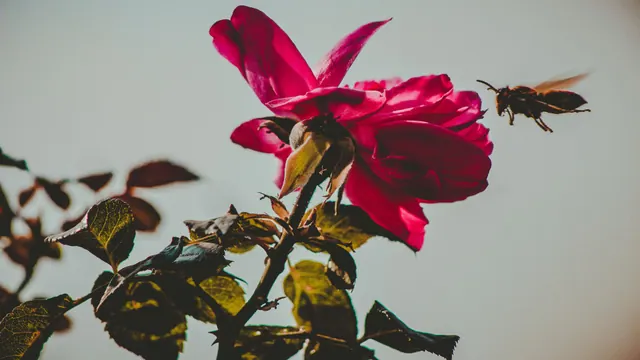
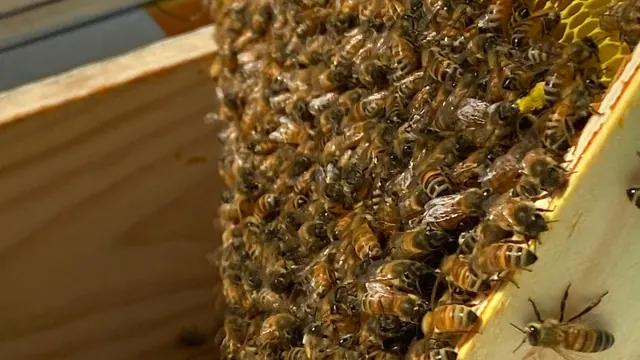
The harm extends beyond the bees a hornet catches. When predators hover near an entrance, bees may become reluctant to leave. Researchers describe this disruption as foraging paralysis.
Fewer trips can mean less food coming into the colony. That gives scientists a reason to measure bee activity and colony condition alongside the number of hornets trapped.
A Frame Across the Flight Path
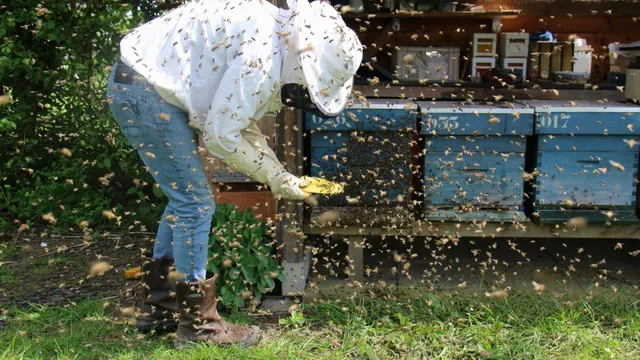
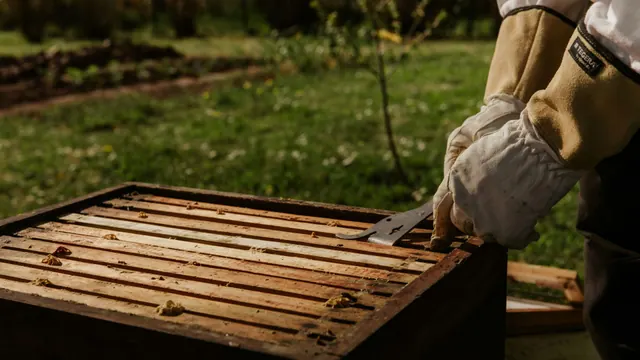
Electric harps use spaced wires carrying an electrical potential. A hornet touching adjacent wires completes a circuit and is stunned or electrocuted. In tested designs, a collection system below the frame receives the insects.
The equipment is positioned around hives to intercept hornets moving through the apiary. Its spacing and collection arrangement help determine which other insects may be affected.
What a 2022 Experiment Found
A 2022 study compared protected and unprotected colonies in 36 experimental hives across three apiaries. Harps reduced hunting pressure and the disruption of bee foraging.
Protected colonies showed better results on several measures, including winter survival, particularly where predation was intermediate or high. The authors recommended using the equipment alongside other measures, including support for colonies' access to food.
Checking What Else Gets Caught
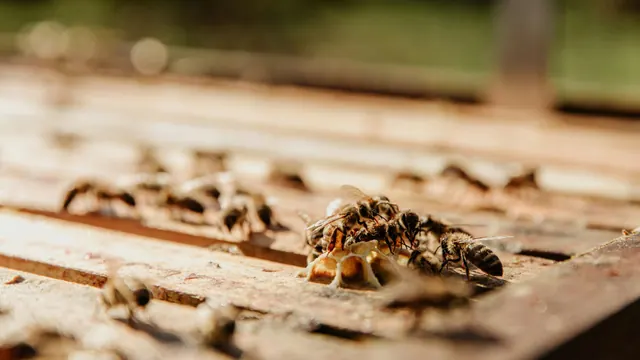
Selectivity is a separate question from effectiveness. A device can catch hornets while also affecting insects the beekeeper wants to protect.
A study published in a 2024 journal issue examined captures over three years at four locations in Girona, Spain. Asian hornets accounted for 90.5% of all insects trapped overall, but the proportion varied substantially between locations and years.
Why One Percentage Is Not a Guarantee
That study reported hornet shares ranging from 29.9% to 94.3%. Native insects other than domestic honey bees averaged 1.2% of the insects trapped.
Those categories matter: the 1.2% figure does not describe honey bee captures. Neither result means every harp is harmless to other insects. Equipment, placement and local conditions need to be considered when interpreting a capture rate.
A Later Trial Shows the Limits
A separate 36-hive study, first published online in November 2025, compared electric harps, protective muzzles and unprotected colonies. Hornet abundance was lower around harp-protected hives.
Under the heavy pressure observed, all unprotected and muzzle-protected colonies collapsed by the end of sampling. A quarter of harp-protected colonies remained active. That was a benefit under those conditions, with substantial losses even in the protected group.
Colony Health Still Matters
The later study emphasized that the colonies' pre-existing health strongly influenced the results. Its analyses did not detect a protective-treatment effect on the measured stores of honey, pollen and brood.
A lower hornet count is useful evidence, but it cannot stand in for a full assessment of colony health. Monitoring needs to follow what happens inside the hive too.
Pollination Involves More Than Honey Bees
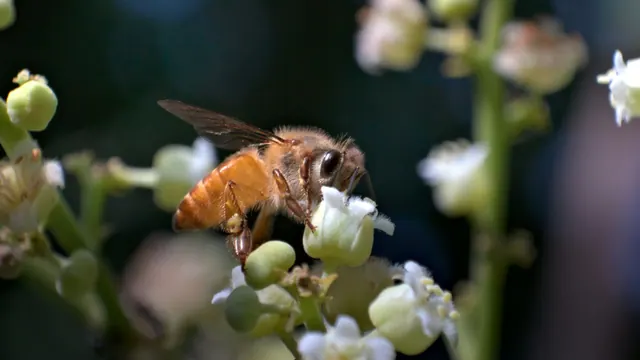
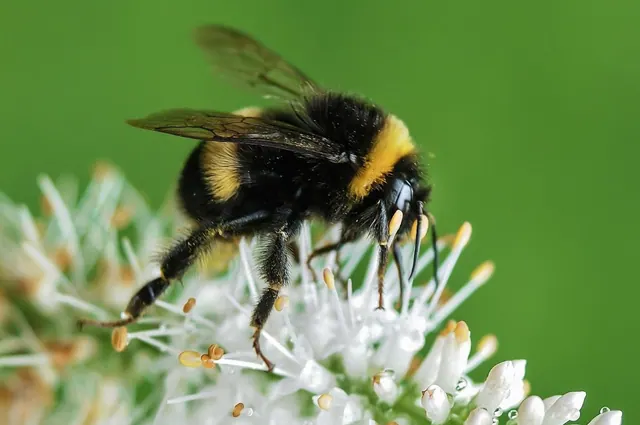
Honey bees are valuable pollinators, alongside wild bees, flies, butterflies and other animals. Many crops benefit from their visits, though plants differ in how much they depend on animal pollination.
Protecting a managed hive addresses one part of that wider picture. It does not support claims that all plants would stop growing without honey bees, or that 90% of the world's bees have disappeared.
A Tool With a Defined Job
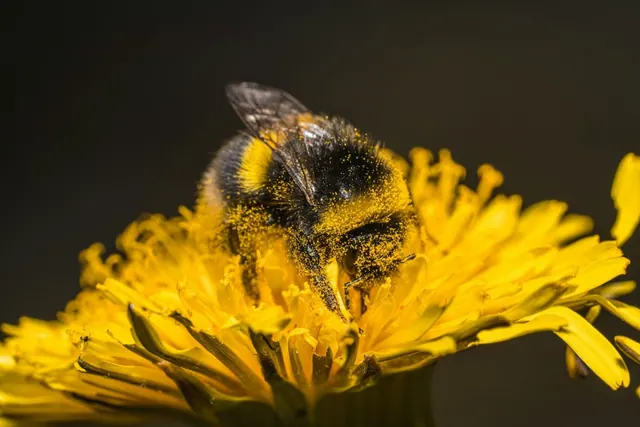
An electric harp addresses hunting near hives. The studies reviewed here measured local protection and colony responses, rather than demonstrating eradication across an invaded landscape. Comparing equipment therefore means asking what it was designed to do, which insects it caught and how the protected colonies fared.
What You Can Do Around Home
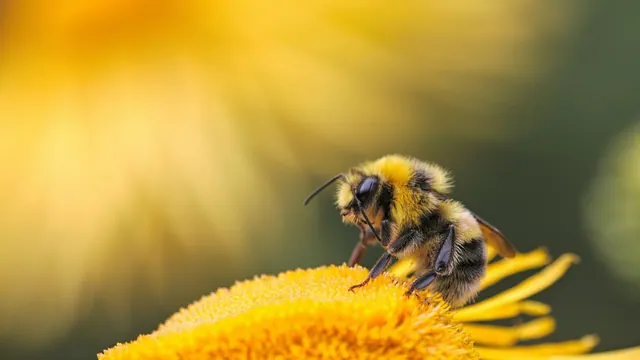
You can support pollinators by growing locally appropriate flowers that bloom across the season, retaining suitable habitat and reducing their exposure to pesticides. These measures help address food and shelter needs beyond a single apiary. For beekeepers facing hornet pressure, the evidence favors combining targeted protection with attention to the colony's condition and food supply.