Animals
What Researchers Learned From the 2020 Elephant Deaths
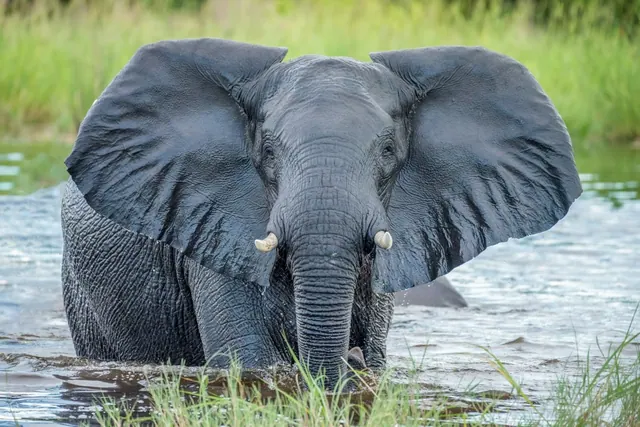
In 2020, two elephant die-offs raised urgent questions in southern Africa. About 350 elephants died in northern Botswana during May and June. Later that year, 35 were found dead in northwestern Zimbabwe.
Researchers have since uncovered evidence of a bacterial infection in Zimbabwe and investigated a possible link to toxic waterholes in Botswana. The findings need to be read separately. Sharing a border, and a year of unusual deaths, does not establish that both events had the same cause.
Evidence From Zimbabwe
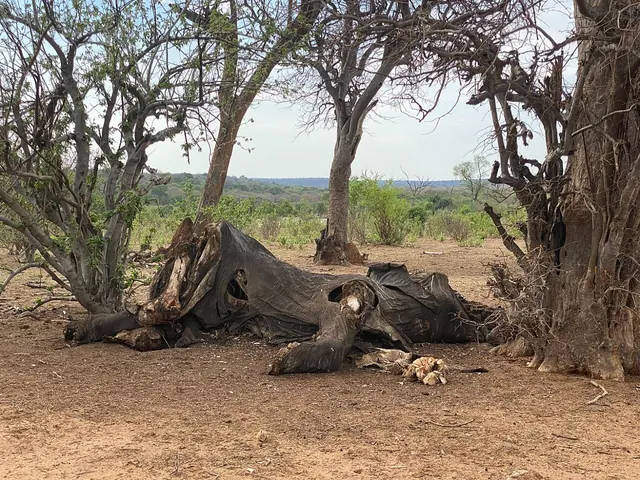
A study published in October 2023 linked fatal bloodstream infections to a little-known bacterium called Bisgaard taxon 45. Scientists found molecular evidence of the organism in samples from six of the 15 elephants tested.
That result gave investigators a specific disease to consider. The evidence was strongest for those sampled animals; it did not establish an identical diagnosis for every elephant that died across the region.
Related Bacteria Are Not Identical
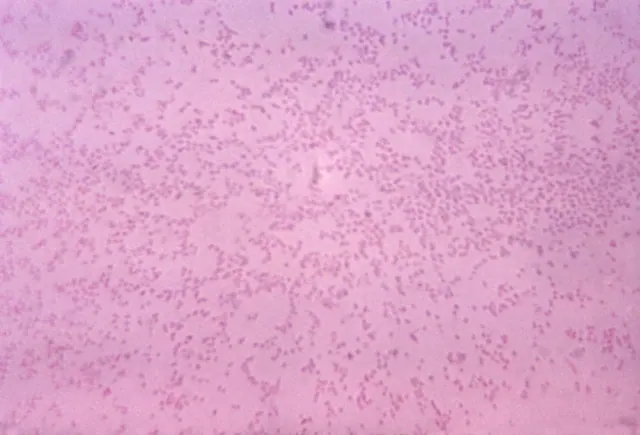
Bisgaard taxon 45 is closely related to Pasteurella multocida, a bacterium associated with disease in other animals. The relationship helps researchers compare the organisms, but they are not interchangeable names.
The microscope image in this gallery shows P. multocida as a comparison. It is not an image of bacteria collected from the Zimbabwe elephants, and it cannot establish how their infection began.
Botswana Required Its Own Investigation
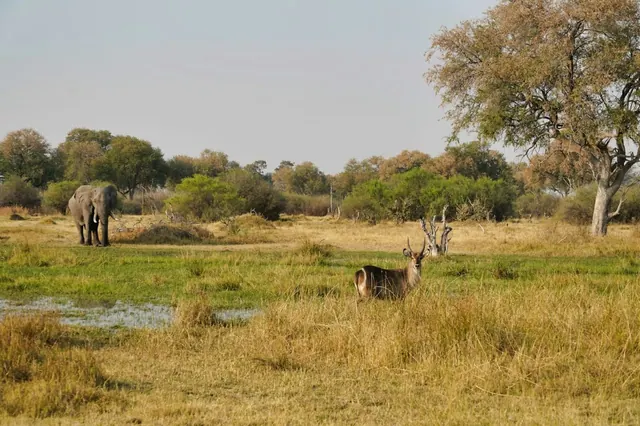
The Botswana deaths attracted attention several months before the Zimbabwe outbreak. Authorities suspected toxins produced by cyanobacteria, often called blue-green algae, in water the elephants drank.
Questions remained about the exposure and why the deaths were concentrated among elephants. Samples from Zimbabwe could help scientists frame further questions, but they could not supply a diagnosis for animals in Botswana.
What Satellites Could Add
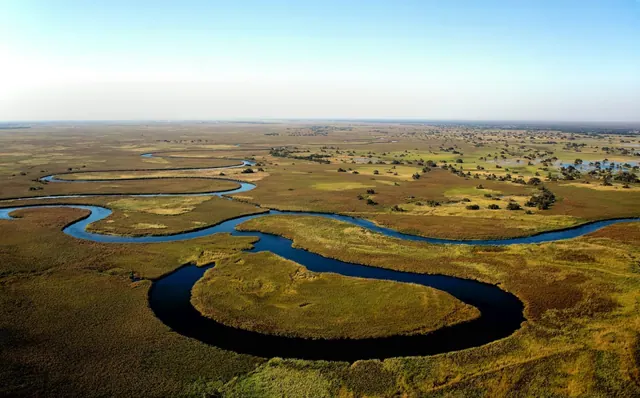
A 2024 investigation combined satellite observations of waterholes with the locations of elephant carcasses. Waterholes near the carcasses showed elevated algal levels and repeated bloom events during the period of the die-off.
The study added evidence consistent with cyanobacterial toxicity as a contributing factor. Satellite patterns can help identify a likely exposure pathway, while leaving uncertainty about the toxins and doses individual animals encountered.
Why the Cause Remains Open
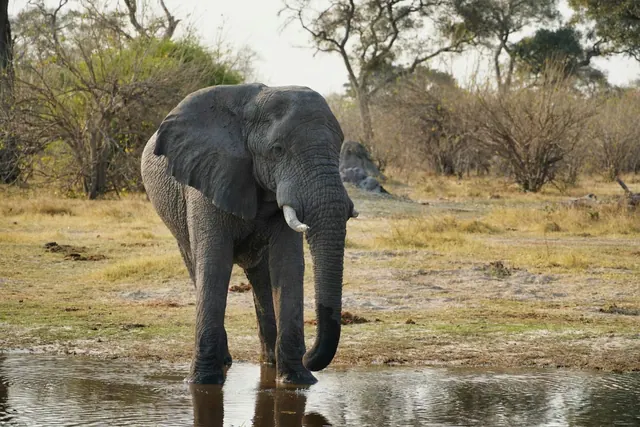
In a 2025 account of further bacterial research, University of Copenhagen scientists emphasized that the Botswana cause had not been verified. They left open several possibilities, including cyanobacterial poisoning, infection or a combination of factors.
The waterhole analysis and the Zimbabwe laboratory findings answer different questions. Putting them together requires evidence linking a particular animal, its exposure and its illness.
New Genetic Clues in 2025
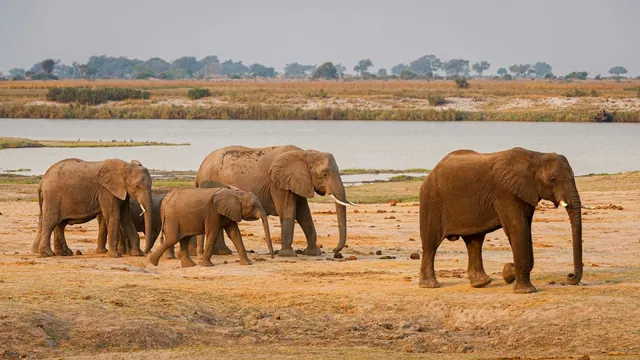
A September 2025 genetic analysis compared the Zimbabwe outbreak organism with additional Bisgaard taxon 45 isolates. Researchers identified a distinctive combination of genes that could help explain its ability to cause invasive disease.
These were clues to a possible biological mechanism. Further work is needed to establish exactly how the relevant proteins function during infection and why this strain was associated with the elephant deaths.
Heat, Drought and Crowding
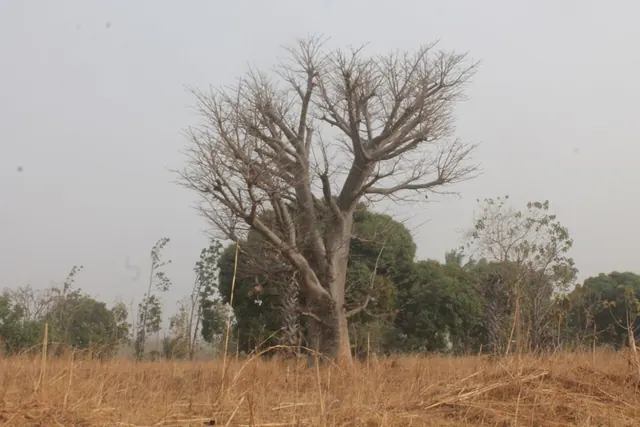
The Zimbabwe researchers proposed that heat, drought and high elephant density could have contributed to the outbreak. Scarcer food and water can place animals under pressure during a dry season.
This was a proposed combination of stresses. The study did not establish a universal temperature at which the bacterium suddenly becomes lethal, or a rule that every hot season will produce another mass die-off.
Following the Conditions Around an Outbreak
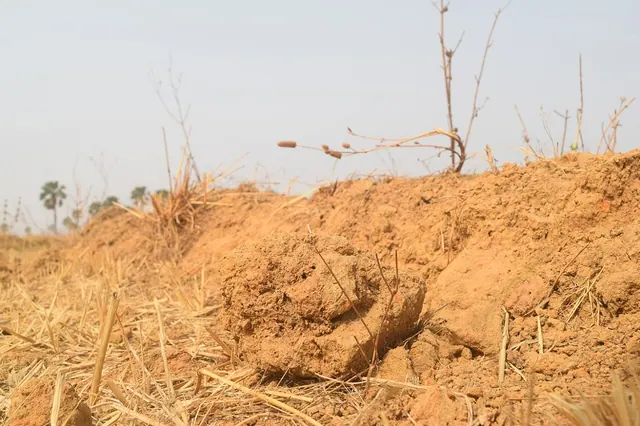
Understanding those stresses requires more than a weather reading on the day an elephant dies. Rainfall, water availability, animal movements and disease records can help researchers examine what changed. The Botswana satellite study, for example, considered waterhole conditions across different years. That wider context helps distinguish a plausible explanation from an assumption based only on a dry landscape.
Conservation Beyond One Outbreak
Disease adds to the pressures elephants already face from habitat loss and ivory poaching. In its 2021 assessment, the IUCN listed African savanna elephants as Endangered and African forest elephants as Critically Endangered.
Understanding an outbreak is one part of conservation. Protecting habitat and addressing poaching remain important even when laboratory work identifies a pathogen.
Fieldwork Has Limits
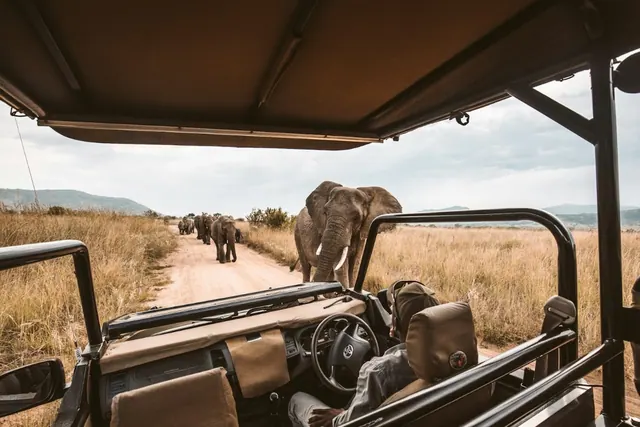
Investigating a large carcass in a remote location is difficult. By the time a team arrives, decomposition and access problems may limit what can be collected and tested. The Zimbabwe investigation combined field examinations with laboratory work to build its case. Those practical limits help explain why a study can provide strong evidence in some animals while leaving other deaths unresolved.
What Continued Monitoring Can Reveal
A 2025 symposium abstract from Victoria Falls Wildlife Trust reported finding Bisgaard taxon 45 in both dead and live elephants during later surveillance. The researchers described an organism that may cause disease under particular conditions, with much still to learn about its ecology. Following apparently healthy animals as well as investigating deaths may help clarify where the bacterium persists and when it becomes dangerous.