Animals
What Mexico’s Shark Fossils Revealed About Ptychodus
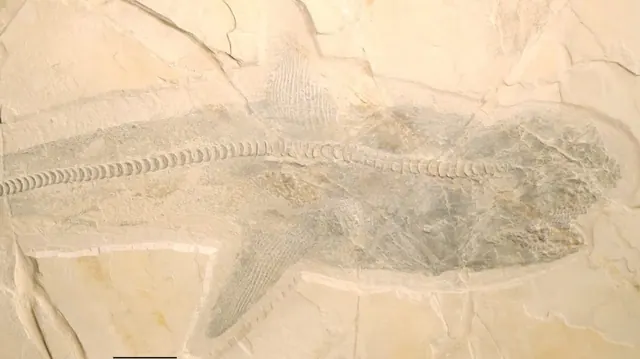
For nearly two centuries, scientists knew the extinct shark Ptychodus mainly through its teeth. Fossils from northeastern Mexico finally supplied something much harder to find: bodies with fins, skeletal details and outlines still preserved.
A study published on April 24, 2024, used that material to reconstruct the animal's shape and investigate its relationships. The discovery helped explain how a shark with crushing teeth might have moved through Cretaceous seas.
A Longstanding Puzzle
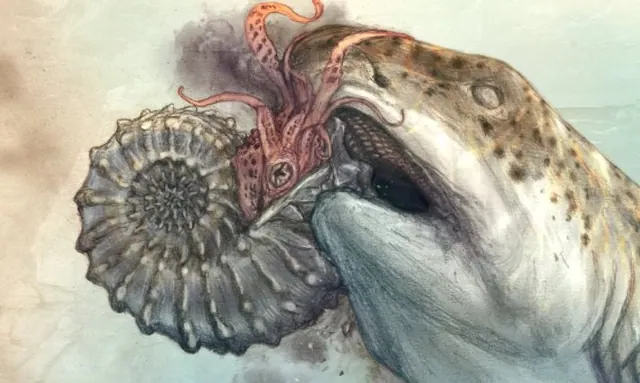
Ptychodus was named in 1834. Teeth and dental plates had provided much of the evidence for understanding the genus, while more complete skeletal remains were rare.
That left basic questions about its appearance. A tooth can reveal something about feeding, but a body provides additional clues about swimming and evolutionary relationships.
Teeth Built for Crushing
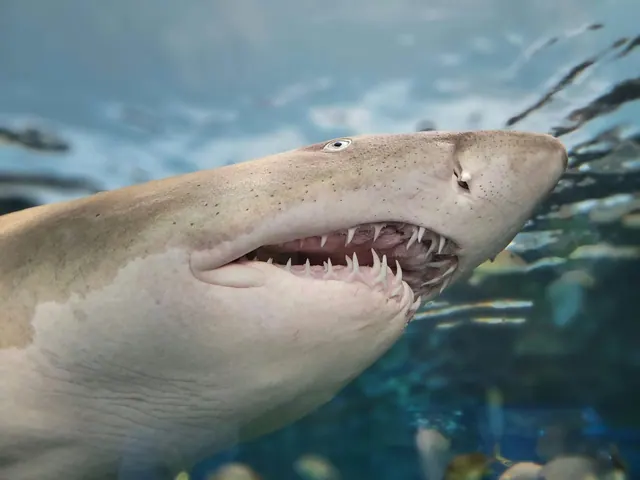
Broad teeth fitted together into grinding surfaces suited to processing hard-shelled food. That arrangement differs from the pointed cutting teeth familiar from many modern sharks.
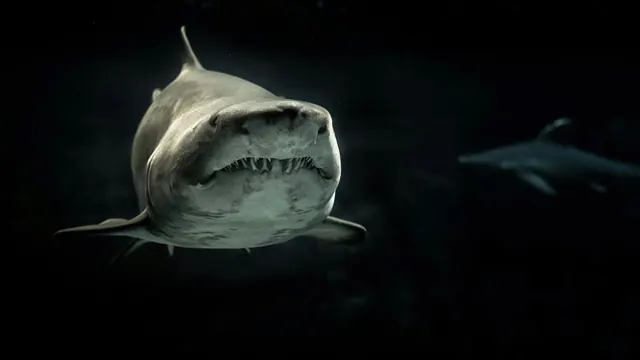
The gallery's modern shark is a comparison image. Its pointed teeth differ from Ptychodus's broad crushing surfaces, which worked together across the jaws.
Six Specimens From Mexico
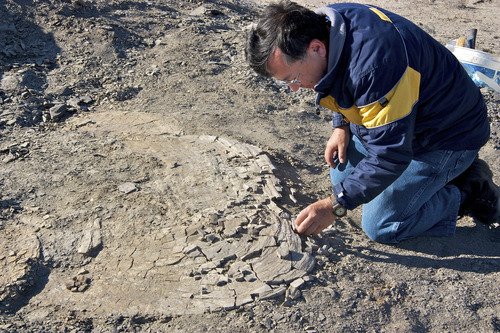
The researchers examined six specimens from quarries near Vallecillo in Nuevo León. Their condition varied: some preserved much of the body, while others retained only part of the skeleton.
Together, they offered a more useful anatomical picture than isolated teeth could provide. The excavation photograph illustrates fieldwork; it does not establish where these particular fossils were collected.
What the Limestone Preserved
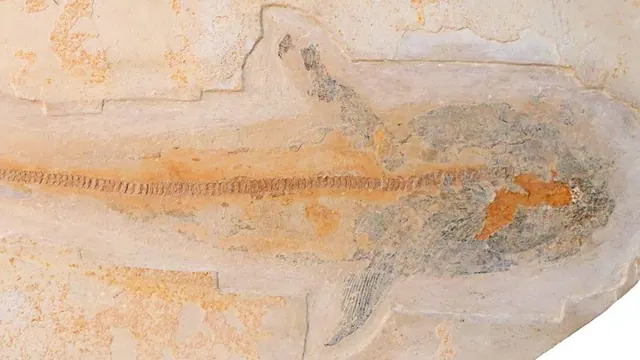
The fossil-bearing limestone recorded details that included body outlines, fins and, in some specimens, muscle remains. A museum account of the research places the animals at roughly 93 million years ago.
Preservation varies within the collection. Describing every specimen as completely intact or unmarked would conceal the differences the researchers documented.
Reading the Shape of a Swimmer
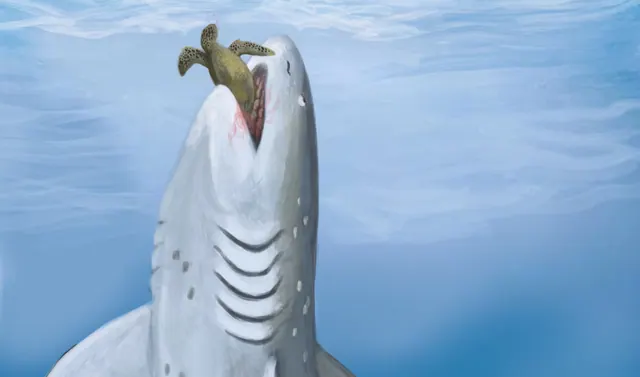
The authors interpreted the streamlined body and fin anatomy as evidence for an active, open-water predator. That challenged the image of a slow shark feeding only along the seabed.
This is an interpretation from anatomy and comparison. The reconstruction in the gallery helps visualize that proposal; it cannot show behavior directly observed in a living animal.
A Place Among Mackerel Sharks
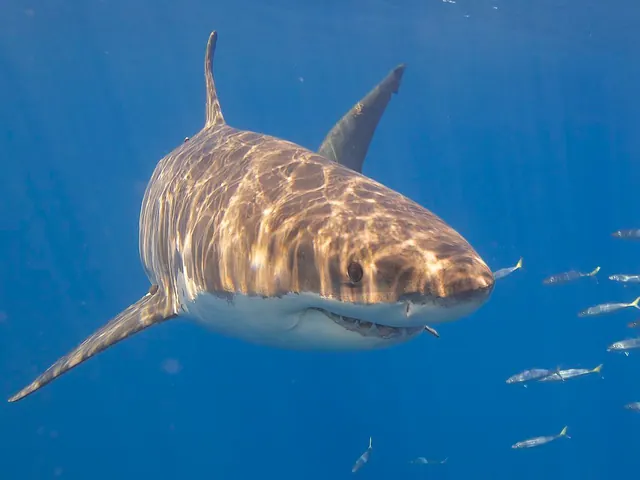
The study's evolutionary analysis placed Ptychodus within Lamniformes, the order commonly called mackerel sharks. Living great whites belong to this broad group too.
That proposed relationship is more precise than calling Ptychodus a great white's ancestor. The modern shark photograph provides a comparison, rather than a likeness of the extinct genus.
How Big Were the New Fossils?
The paper discusses an estimated maximum size for the genus of around 10 meters, or 33 feet. The Mexican specimens themselves were much smaller. One nearly complete individual measured approximately 2.03 meters.
Keeping those measurements separate matters: a large estimated maximum does not mean the team excavated a complete 33-foot shark.
Possible Prey in Open Water
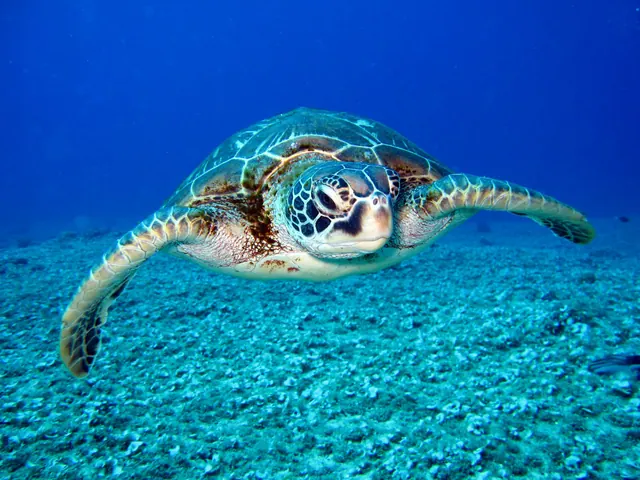
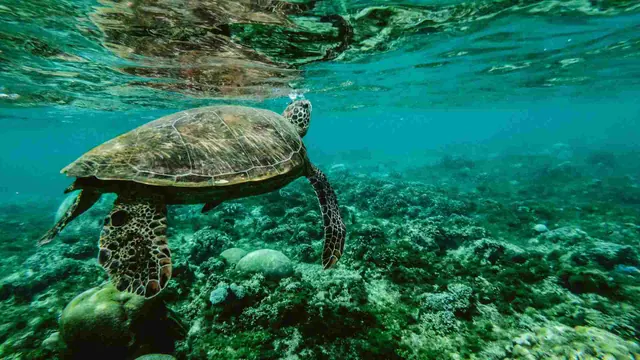
The researchers proposed that Ptychodus could have pursued hard-shelled animals such as ammonites and marine turtles. That combines evidence from its crushing dentition with the reconstructed swimming form.
It remains a dietary interpretation. A photograph of a living sea turtle illustrates one proposed prey group without demonstrating what any particular fossil shark ate.
An Uncertain Extinction Story
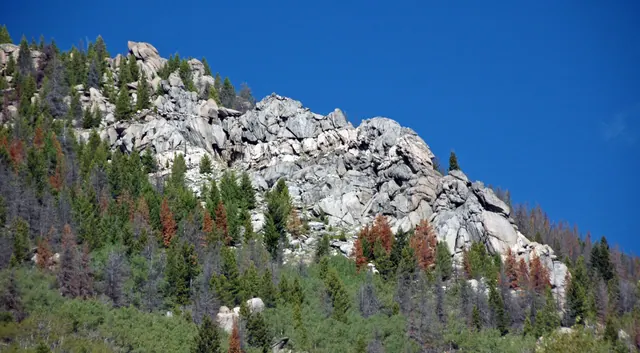
Competition with marine reptiles, including mosasaurs targeting similar food, has been suggested as one possible pressure on Ptychodus. It should be presented as a hypothesis rather than an established cause of extinction.
The landscape photograph is illustrative. It neither recreates a Cretaceous ecosystem nor identifies the Mexican fossil locality.
A Widespread Fossil Record
Ptychodus remains have been reported from widely separated regions, showing that the genus had a broad geographic distribution. Fossils can reveal where animals occurred without establishing that they dominated every ocean.
The open-water photograph offers a present-day view of the sea. Reconstructing an ancient habitat requires geological evidence as well as the animals found there.
From Fossils to a Museum Model
The findings also influenced a newer reconstruction. In September 2026, Oxford University Museum of Natural History described creating a two-meter model of Ptychodus for its Cretaceous display, drawing on the 2024 research.
A model makes an anatomical interpretation easier to picture. The fossils remain the evidence, and details such as feeding behavior still require careful inference.