Animals
How Sea Otters Help Hold a California Marsh Together
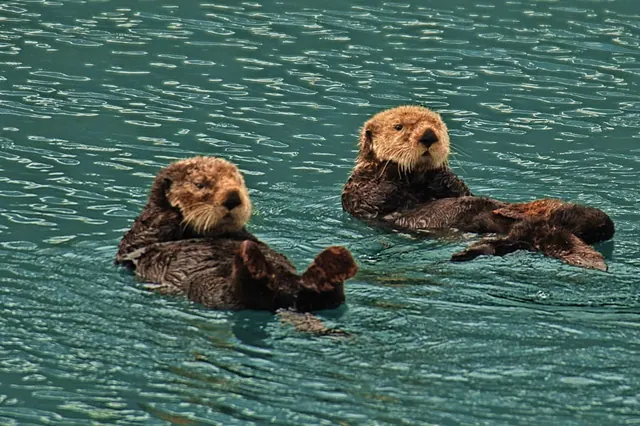
A sea otter eating a crab looks like an ordinary meal. At California's Elkhorn Slough, those meals have consequences for the ground beneath the marsh. Fewer crabs means less damage to plants whose roots help hold creekbanks together.
A study published in Nature on January 31, 2024, connected the otters' return with slower erosion. Its findings concern this particular estuary, rather than a cure for erosion along the whole California coast.
What the Researchers Found
The study combined observations with field experiments at Elkhorn Slough, near Monterey Bay. Researchers found that recovering otter populations reduced the pressure from burrowing, plant-eating crabs. Marsh vegetation benefited, and creekbanks became more stable.
This is a trophic cascade: a predator changes the abundance or behavior of its prey, with effects reaching other parts of the ecosystem. Here, the chain connects an animal's appetite to the shape of a shoreline.
Looking Back and Testing on the Ground

Historical records helped the team examine how the estuary changed as otters returned. The researchers also used experimental enclosures to keep otters out of selected areas and compare what happened there with places the animals could reach.
That comparison matters. A recovering animal population and a changing shoreline can occur together for several reasons. Experiments help test whether predation itself contributes to the pattern, rather than relying entirely on two trends moving together.
Why Eating Crabs Helps the Marsh
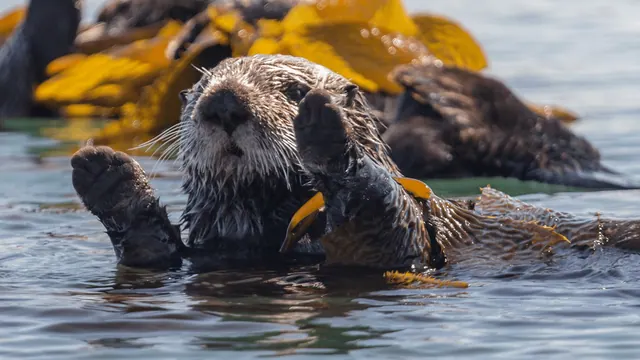
The connection runs through the plants. Shore crabs can graze on marsh vegetation and dig into the banks. When otters eat those crabs, plants have a better chance to grow and maintain the roots that bind soil.
The animals aren't deliberately repairing a shoreline. They're feeding. The restoration benefit follows from that everyday behavior, which helps explain why losing a predator can affect much more than the animals it directly eats.
The Crab in This Story
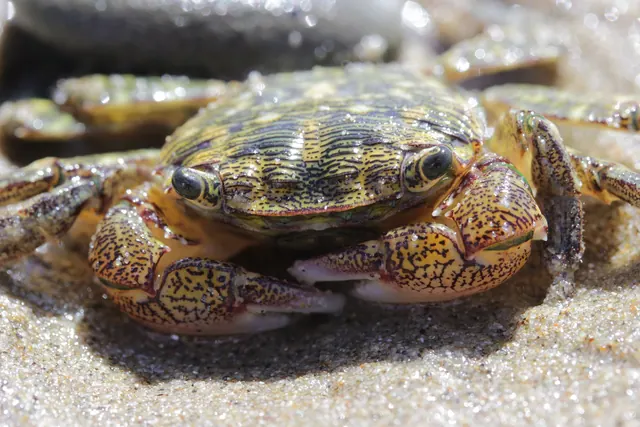
The striped shore crab, Pachygrapsus crassipes, is part of the marsh food web. Calling it a pest in this setting describes the damage associated with its feeding and burrowing; it doesn't make the species an introduced invader.
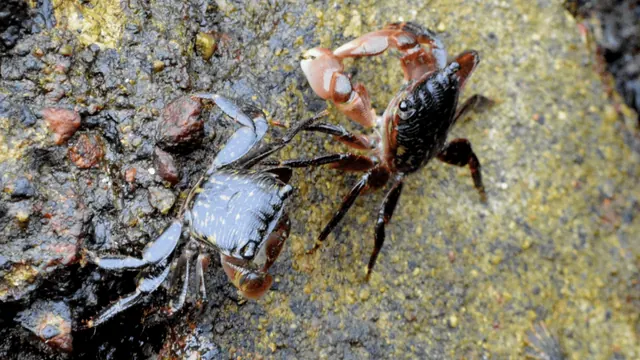
That distinction is easy to lose when several crab stories share a coastline. This research concerns the relationship among otters, shore crabs and marsh plants. It shouldn't be folded into a general claim that all crabs damage coastal habitats.
Recovery Has a Specific Meaning
Sonoma State's account of the research describes a study spanning roughly a decade, with observations from the ground and aerial photography alongside experiments. It reported that erosion had stopped at sites with large otter populations by the study's end.
Those locations are evidence of what happened during the research. They don't establish that every marsh edge recovered, that erosion has permanently ended, or that the estuary no longer faces pressure from rising seas and strong tidal currents.
Beavers Change Habitats Too
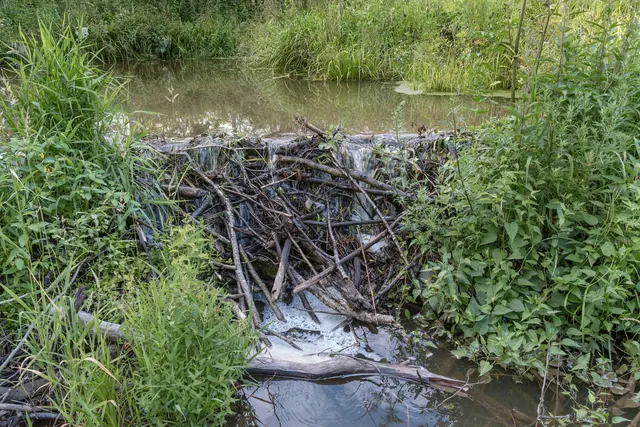
Sea otters aren't the only animals whose routine behavior alters the places where other species live. Beavers build dams that slow water and create ponds, changing the surrounding habitat.
The U.S. Fish and Wildlife Service describes how these ponds can provide summer habitat for cold-water fish, including steelhead and spring Chinook. The benefit depends on the setting. A beaver pond has different depths, flows and temperatures, rather than one uniform pool of cold water.
Water Can Keep Helping Downstream
Stored groundwater can support riverside plants, whose shade helps keep streams cool. In some places that water also returns to the surface farther downstream.
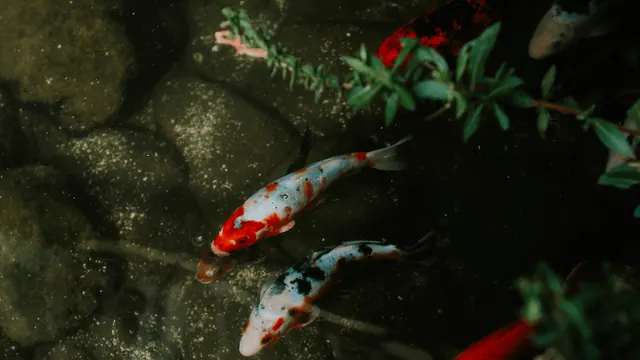
These connections help explain why habitat work looks beyond the stretch of water immediately behind a dam. The fish photograph here shows ornamental koi as an illustration of fish in water; it does not show the native salmon or trout discussed in the research.
Wet Vegetation and Wildfire
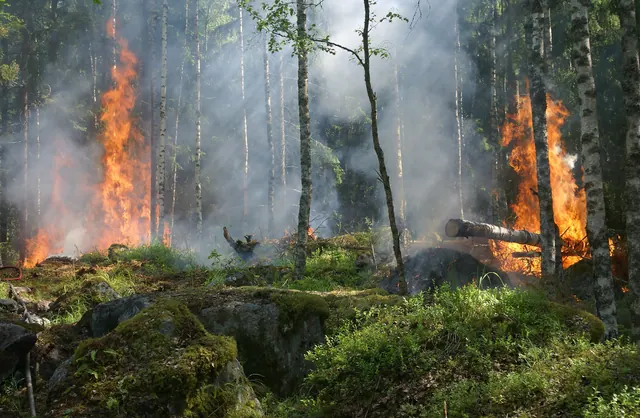
A 2020 study by Emily Fairfax and Andrew Whittle examined beaver-dammed stream corridors during wildfires in the western United States. It found that these areas stayed greener than comparable undammed corridors.
That supports a role for beaver wetlands as refuges during fire. It doesn't mean a dam will stop every wildfire or protect a particular house. The wildfire photograph illustrates the subject; it isn't evidence from one of the study's sampled sites.
Bats Connect Another Food Web
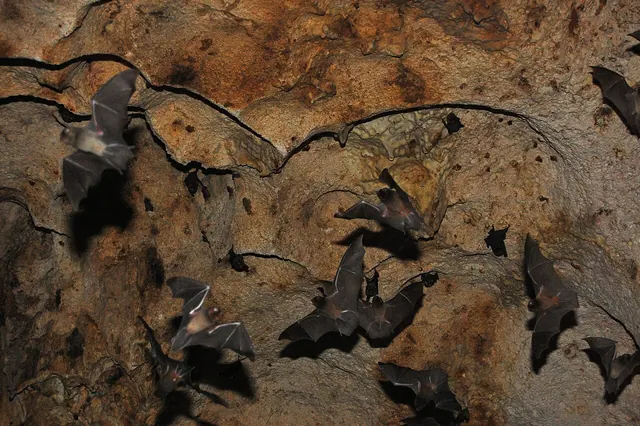
Bats provide different services depending on the species and what it eats. Insect-eating bats consume agricultural pests. Other bats help pollinate flowers or disperse seeds.
The National Park Service describes these roles across different bat communities. They should not be combined into a claim that every bat performs all three jobs. A flying insect hunter and a fruit-eating bat can support ecosystems in quite different ways.
Putting the Corn Estimate in Context
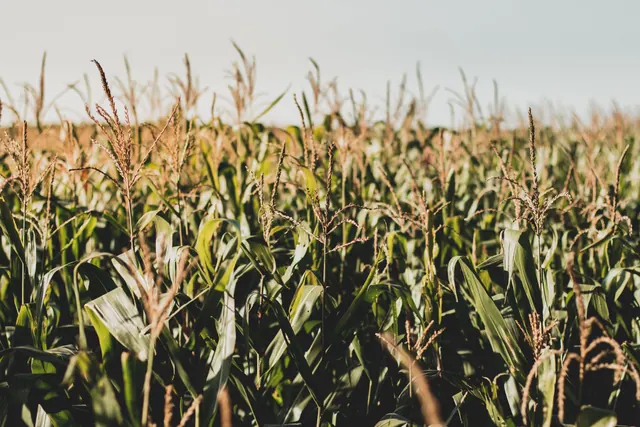
A 2015 study estimated that bats' suppression of insect damage to corn was worth more than $1 billion worldwide. That was a global estimate for this crop, not a measured annual saving for the United States alone.
The researchers also examined fungal growth and toxins associated with pest damage. The finding adds an agricultural reason to care about bats while remaining an estimate from a dated study, rather than a current accounting of every farm's savings.
What the Otter Study Adds

At Elkhorn Slough, the food web and the physical shoreline turned out to be closely connected. Protecting a predator can help vegetation, and that vegetation can help stabilize the marsh.
The useful detail is the chain of events: otters eat crabs, plants face less pressure, and roots help hold banks together. Conservation decisions can follow those connections while still addressing the physical stresses that wildlife alone cannot remove.