Animals
What a Panda Skeleton Revealed Near an Ancient Emperor's Tomb
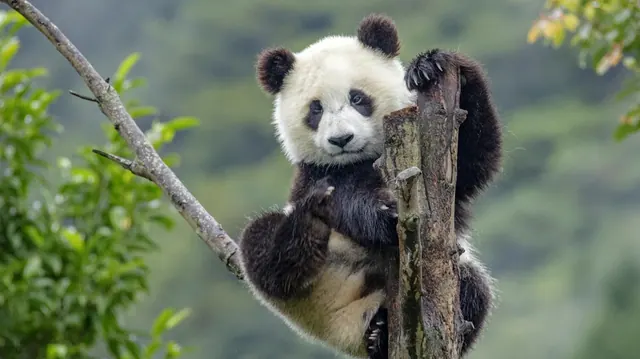
A complete panda skeleton was among the animal remains found near the tomb of Emperor Wen of Han in Xi'an, China. The discovery drew attention in 2023, but it belongs to excavations carried out in 2021 and 2022.
The animal was buried in a separate pit associated with the emperor's mausoleum, rather than discovered inside his main burial chamber. Wen ruled from 180 to 157 BCE, placing the burial more than 2,000 years in the past.
Identifying the Panda
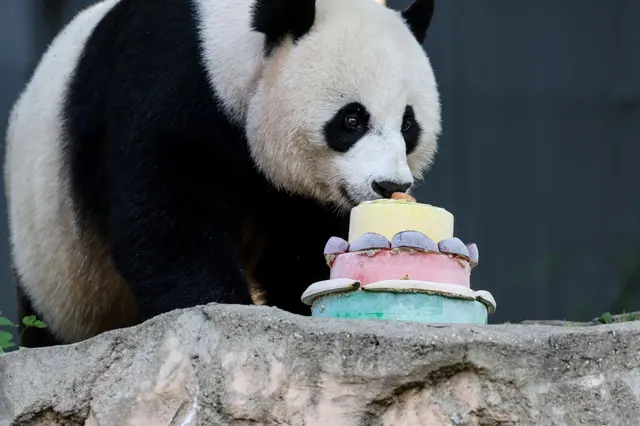
Archaeologist Hu Songmei's team identified the panda by comparing its bones with existing specimens. Hu suggested it belonged to the Qinling subspecies, rather than a separate panda species.
The researchers' account describes anatomical comparisons, measurements and ancient DNA work on some animal remains from the wider excavation. That doesn't establish that a DNA test alone identified this panda. Its complete skeleton was reported as a first for an imperial tomb, not the first panda remains ever found.
An Animal Burial Outside the Tomb

The panda's head faced toward the emperor's tomb. Researchers interpret these animal burials as sacrifices connected to the royal afterlife, reflecting the animals kept in imperial parks.
In their account of the excavations, Hu and colleagues describe rare animals as signs of rank and status. That interpretation doesn't tell us that this panda was a favorite pet, or that its burial carried the same symbolism people attach to pandas today.
An Earlier Find Nearby

Panda remains had already been found in 1975 near the tomb of Wen's mother, Empress Dowager Bo. That discovery included a skull, while the torso was missing. The complete skeleton near Wen's tomb gave researchers a fuller specimen to examine.
Its presence alone can't settle where the animal was born. Researchers have considered the surrounding environment and the possibility that some animals reached the royal collection as tribute from elsewhere.
More Than One Unusual Animal
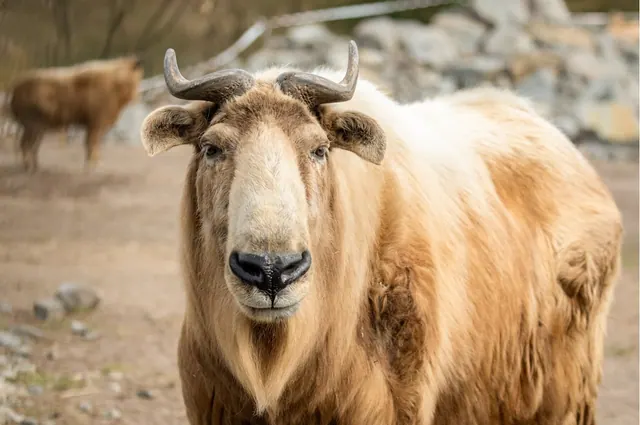
The panda was part of a much larger set of discoveries. The excavators recorded animals including tiger, yak, takin, Indian wild cattle and Malayan tapir.
Archaeology magazine's 2023 selection described more than 400 sacrificed animals representing 41 species across the royal tomb complex. Those totals cover the wider discoveries associated with Wen and his mother, rather than one panda burial pit.