Parenting
She Thought the Fish Finder Showed an Octopus. Her Dad Saw a Shipwreck.
Henley Wollak was out fishing with her dad when a shape appeared on the boat's fish finder. To her, it looked like an octopus. Tim Wollak suspected something else: a wreck on the bottom of Green Bay. Their August 2023 outing led archaeologists to the remains of a sailing ship, with a history reaching back to the Peshtigo Fire.
A Familiar Place to Go Swimming
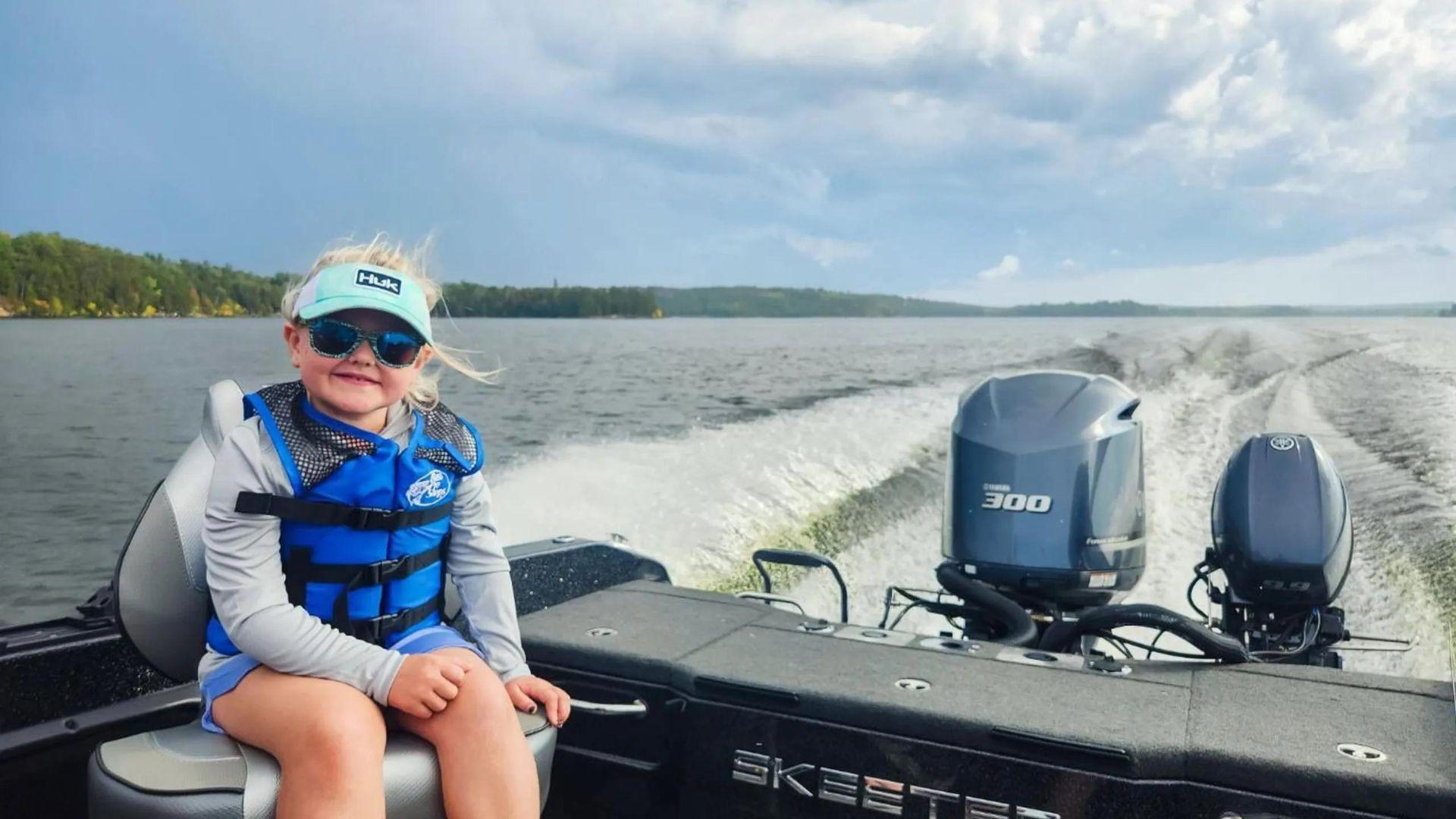
Green Island was somewhere Henley wanted to spend time, rather than a spot chosen for a shipwreck search. Her father later credited her choice of swimming location with putting their boat in the right place. The family photos show an ordinary day on the water: life jackets, sunglasses and a young fishing companion.
The Shape on the Fish Finder
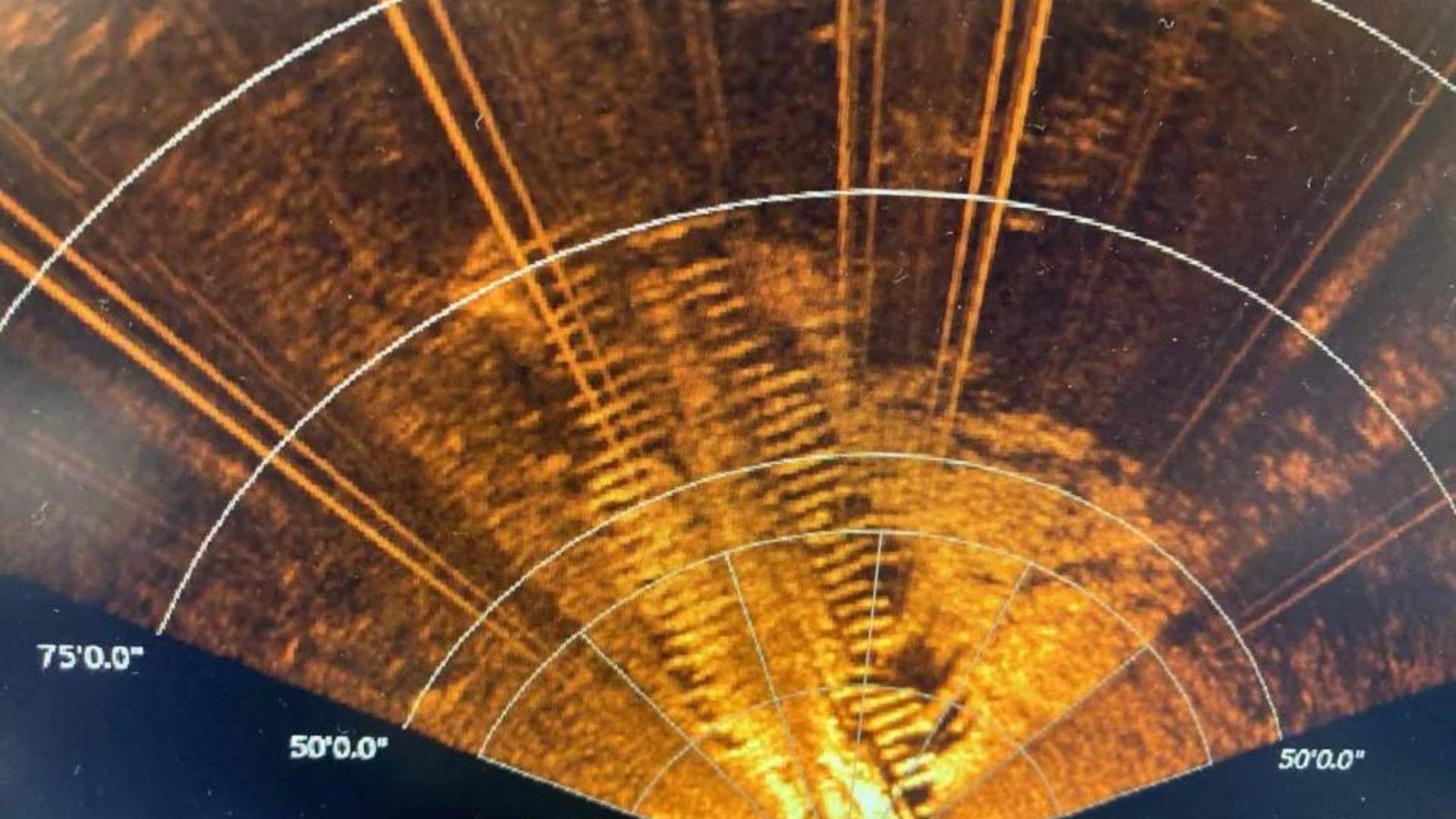
There wasn't an octopus underneath them. Sonar was picking up a structure on the lake bottom, and Tim took pictures of what the screen showed. An unusual shape was enough to make him curious, but it couldn't tell him the vessel's name. That would take people who knew the area's recorded ship losses.
A Facebook Post Reached the Right People
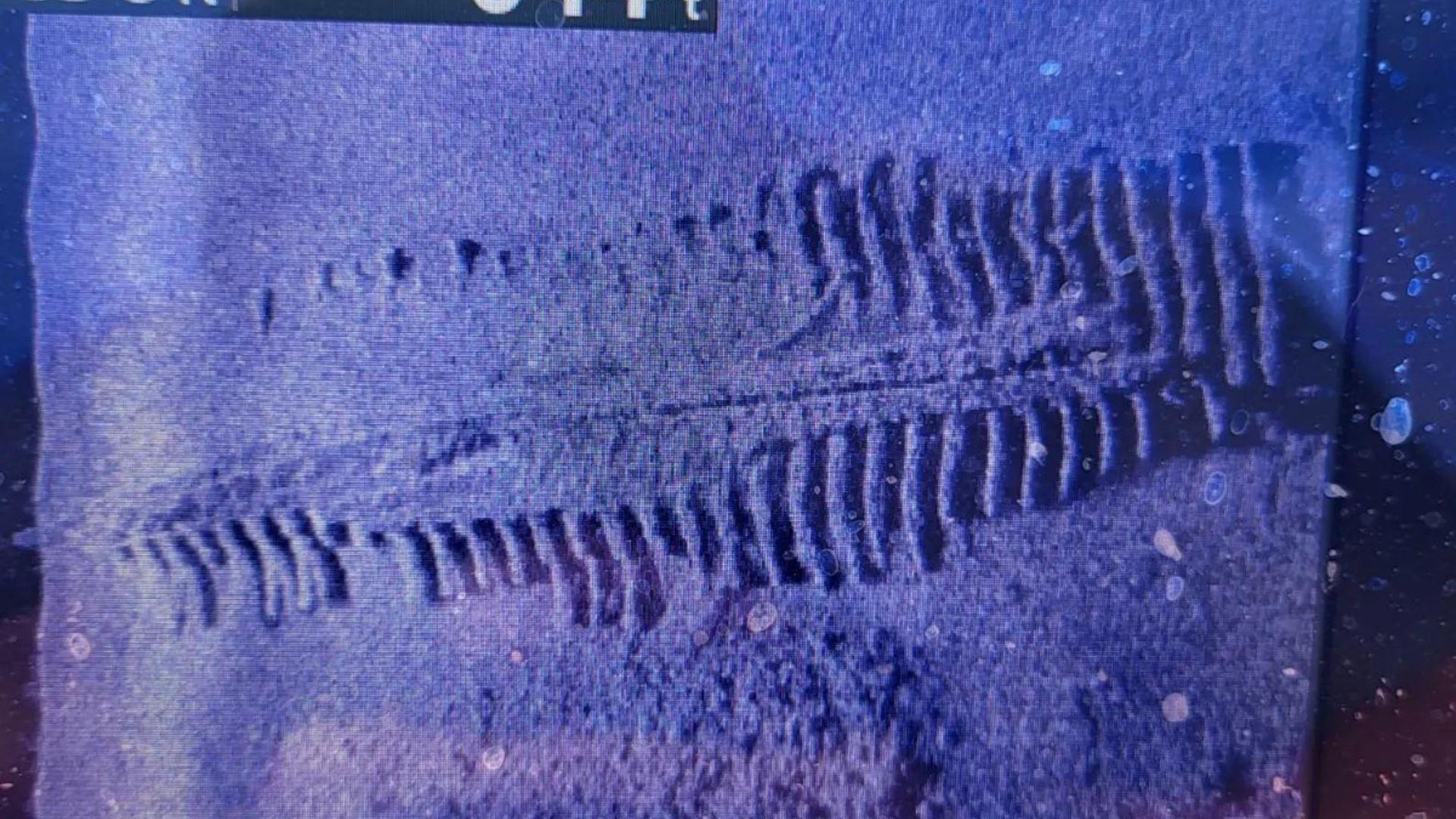
Tim shared his images in Facebook groups, where they caught the Wisconsin Historical Society's attention. The pictures gave maritime archaeologists a starting point. In NPR's December 2023 report, archaeologist Tamara Thomsen described comparing the wreck's location and features with historical records. The social post had become a lead worth investigating.
A Camera Went Below the Surface
The Wisconsin Department of Natural Resources helped investigate the site with a remotely operated vehicle on December 4, 2023. Its footage showed the remains of a wooden sailing vessel. This was a separate step from reading the family's fish finder: researchers could now look at what was actually left underwater.
The Name That Best Fit
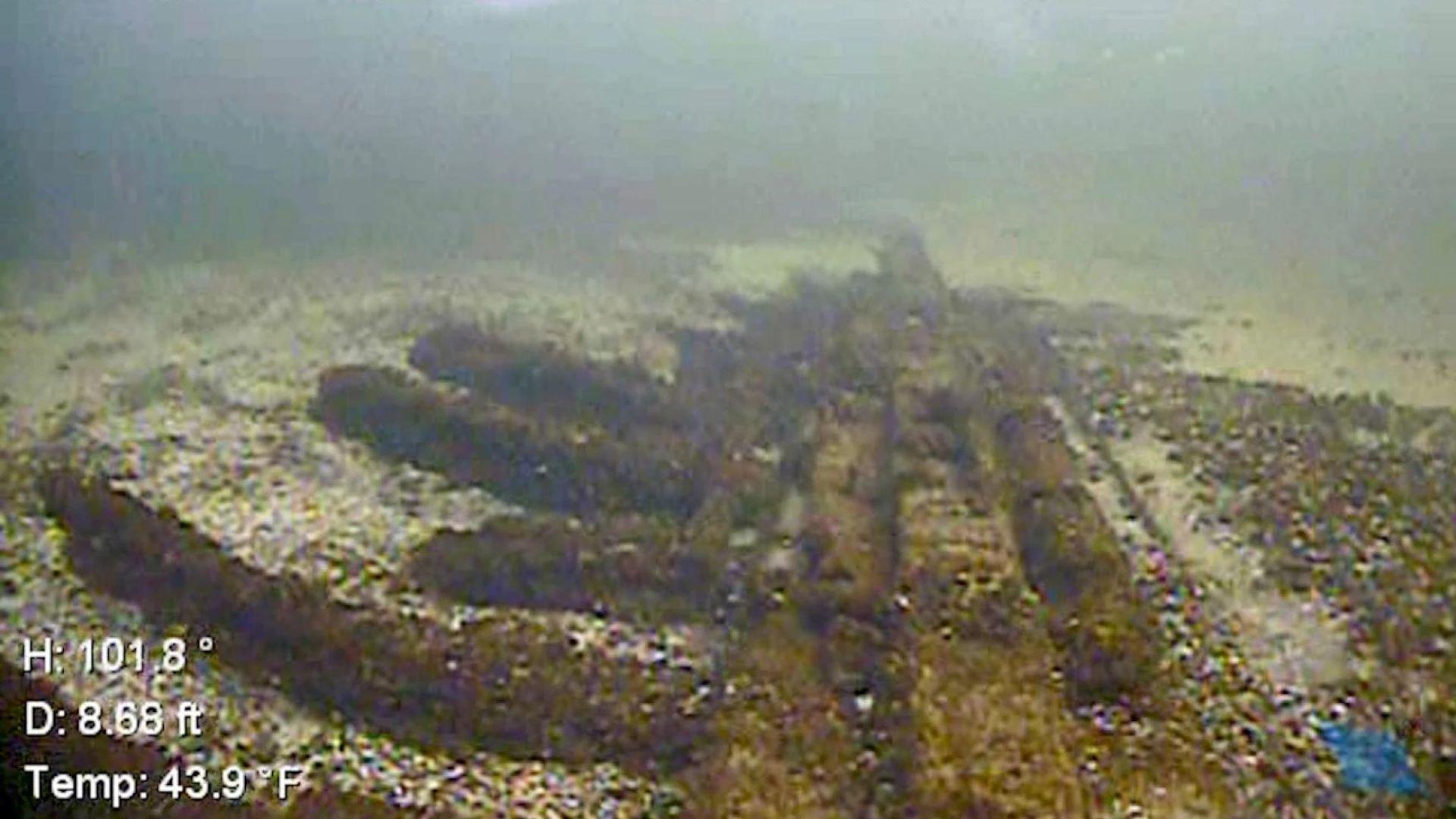
The leading match was the George L. Newman, also recorded as G.L. Newman. Early coverage described the identification as probable. The Wisconsin Historical Society's 2023–2024 field report likewise says the remains likely belong to that ship, based on their dimensions, location and recorded losses. The name comes from that comparison, not a readable sign on the wreck.
Why a Wreck Can Be Hard to Recognize
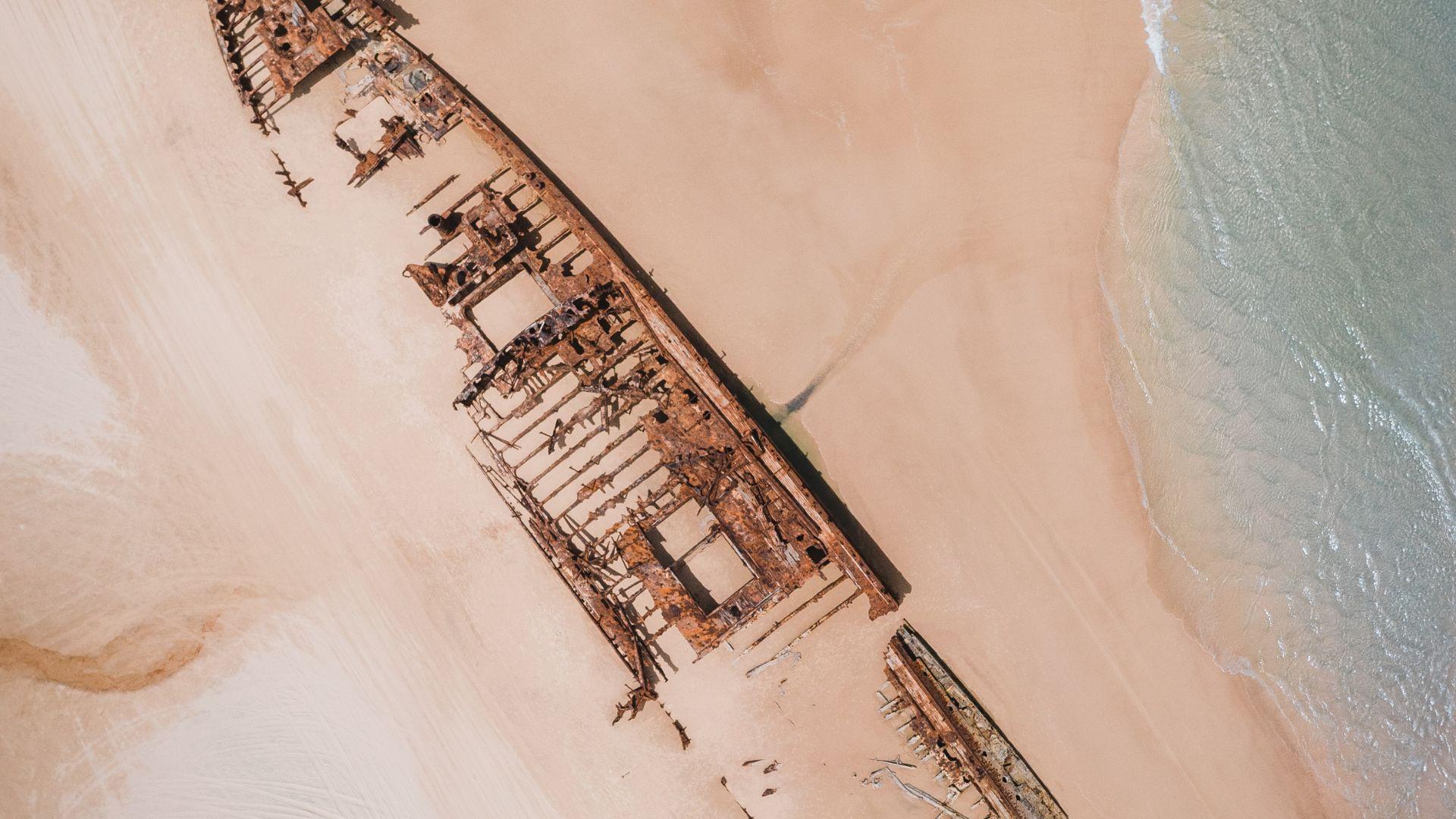
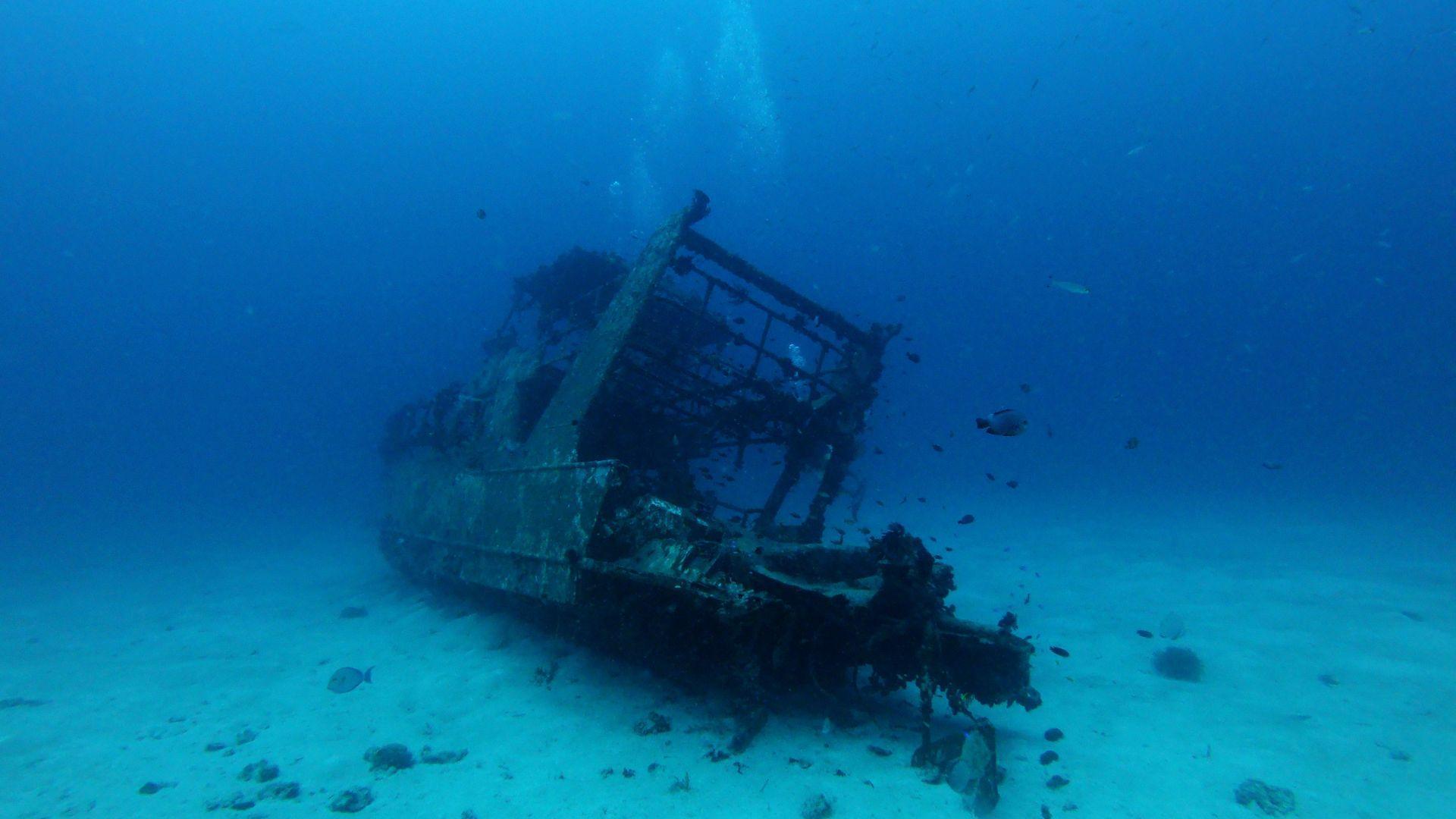
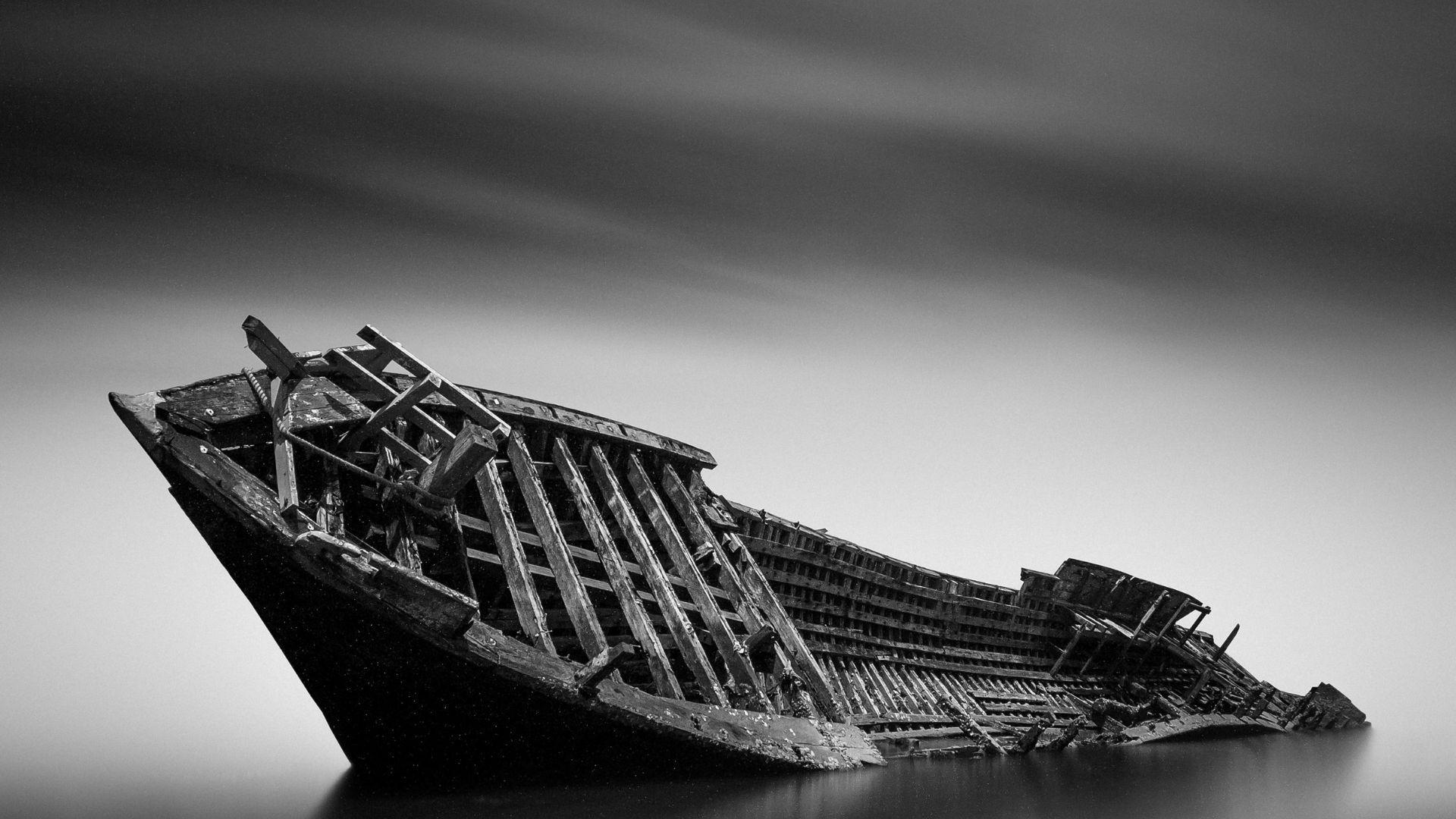
This wasn't an intact ship waiting under the water. Upper portions had been lost, and years of waves and ice had broken the vessel apart. Sand had also covered it. A photograph of another exposed wreck can help illustrate that kind of damage, but it isn't a picture of the Wollaks' discovery.
The Family's Part in the Find
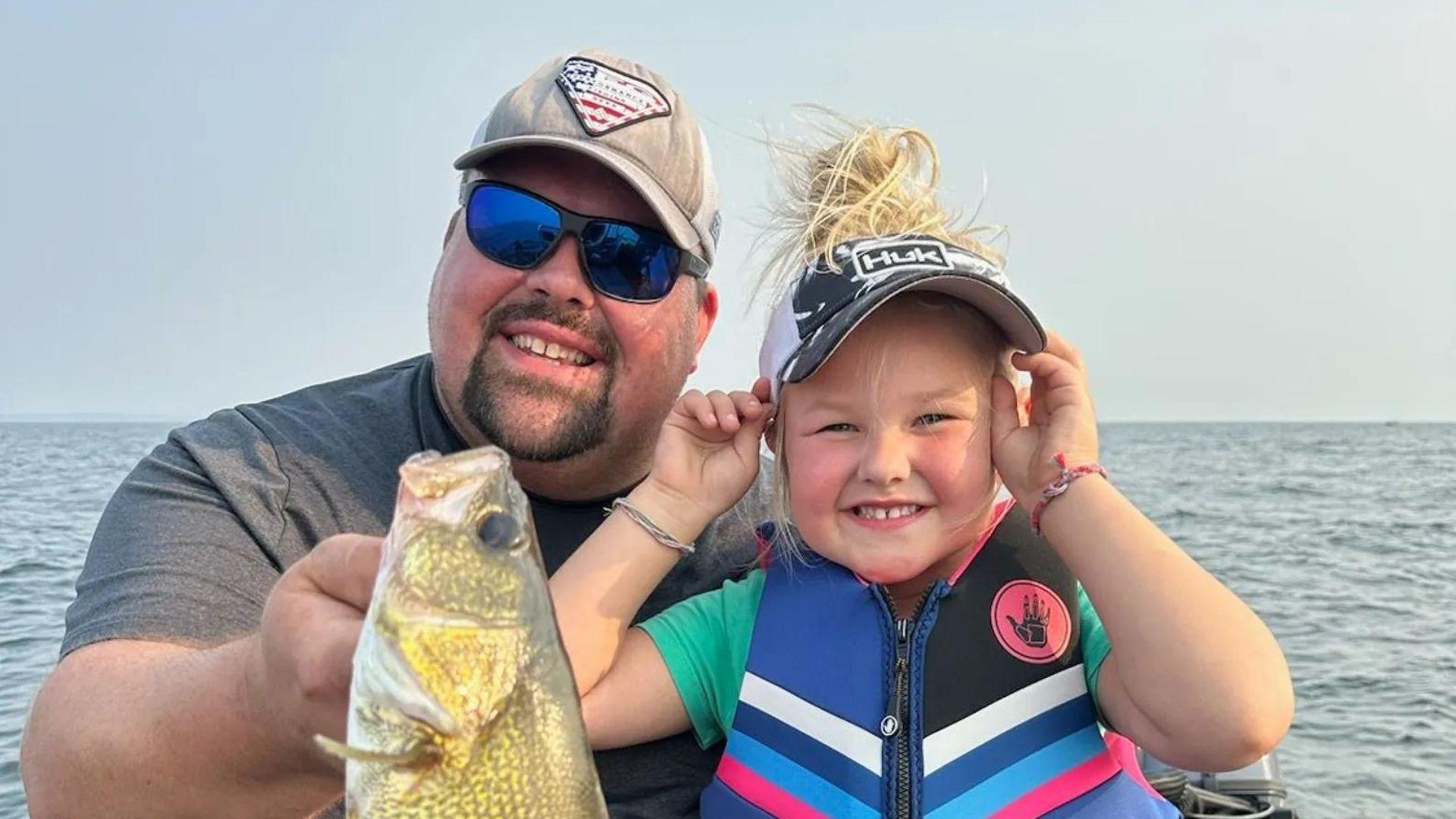
The boat trip didn't end with Tim and Henley diving down to identify the wreck. What they had were pictures and a location to share. Researchers took it from there. That leaves plenty of credit for the family: without their report, the site might have stayed another unexplained shape on a fish finder.
What the Follow-Up Added
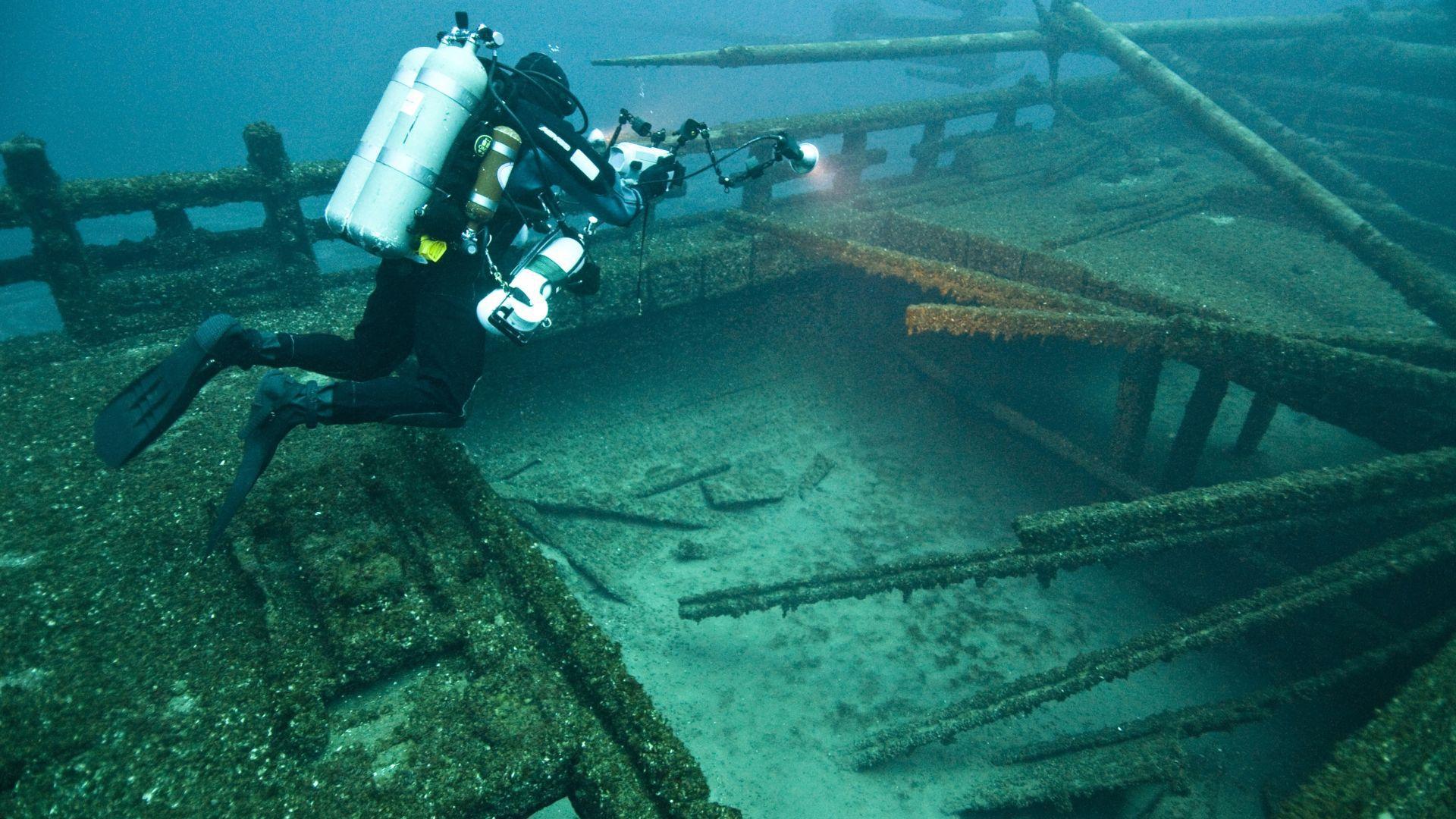
Archaeologists returned for a survey in May 2024. That matters when reading the first reports, which spoke about a future visit. The field report documents the later work; the Wisconsin Shipwrecks catalogue now lists the site under G.L. Newman. The original find was a beginning, with documentation continuing after the headlines.
A Voyage Through Heavy Smoke
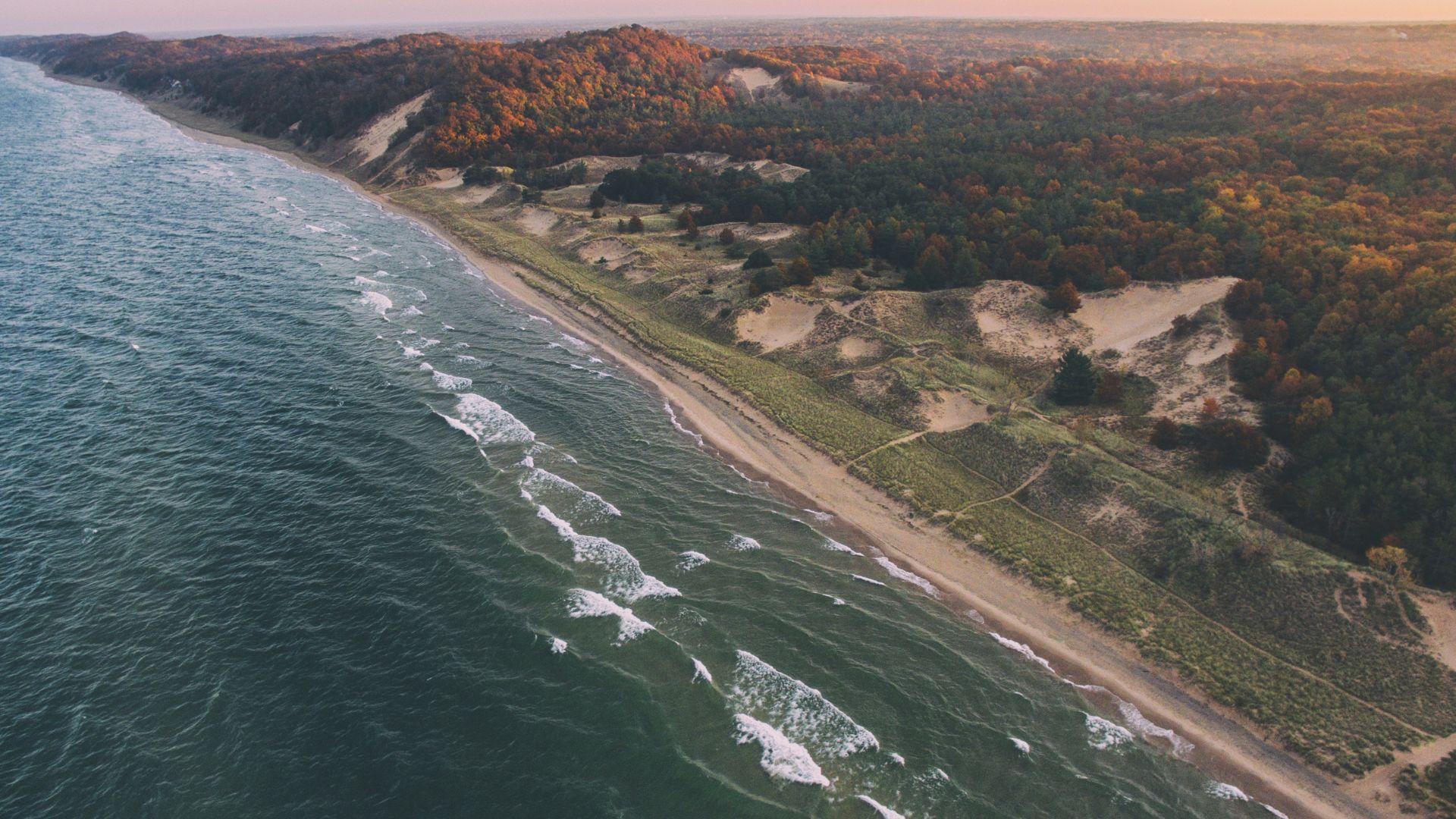
The ship's recorded final voyage began at Suamico on October 8, 1871. Smoke from the region's fires made navigation difficult, and it ran aground at Green Island. The National Weather Service records more than 1,200 deaths in the Peshtigo Fire. The wreck connects the family's story with a disaster that devastated communities ashore.
Shelter at the Lighthouse
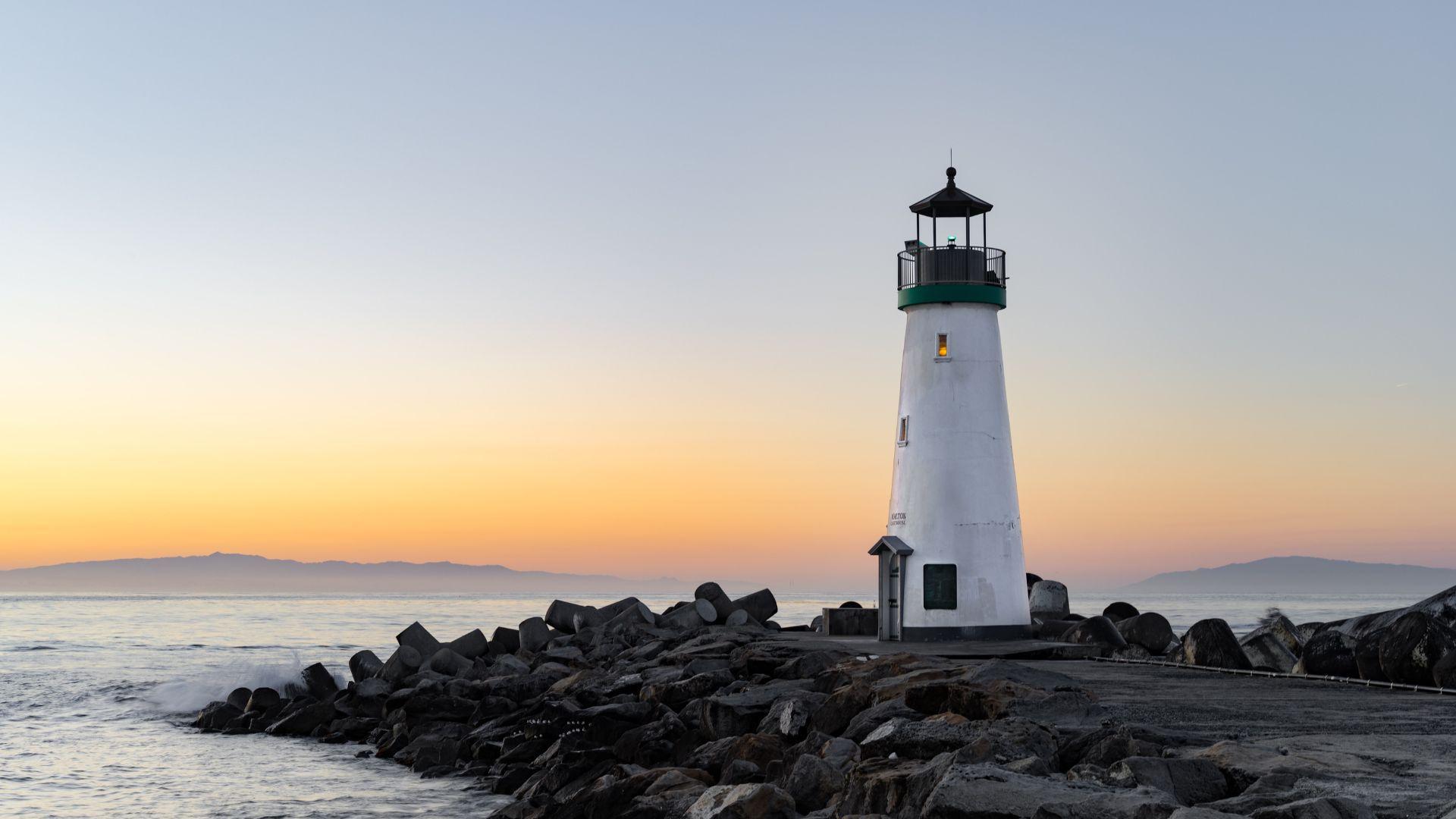
Green Island's lighthouse keeper, Samuel P. Drew, helped the crew reach the island and sheltered them. They stayed for more than a week while salvaging what they could. Efforts to free the vessel failed. The lighthouse pictured here is an illustration; it should not be mistaken for a historical photograph of that rescue.
A Different Kind of Catch
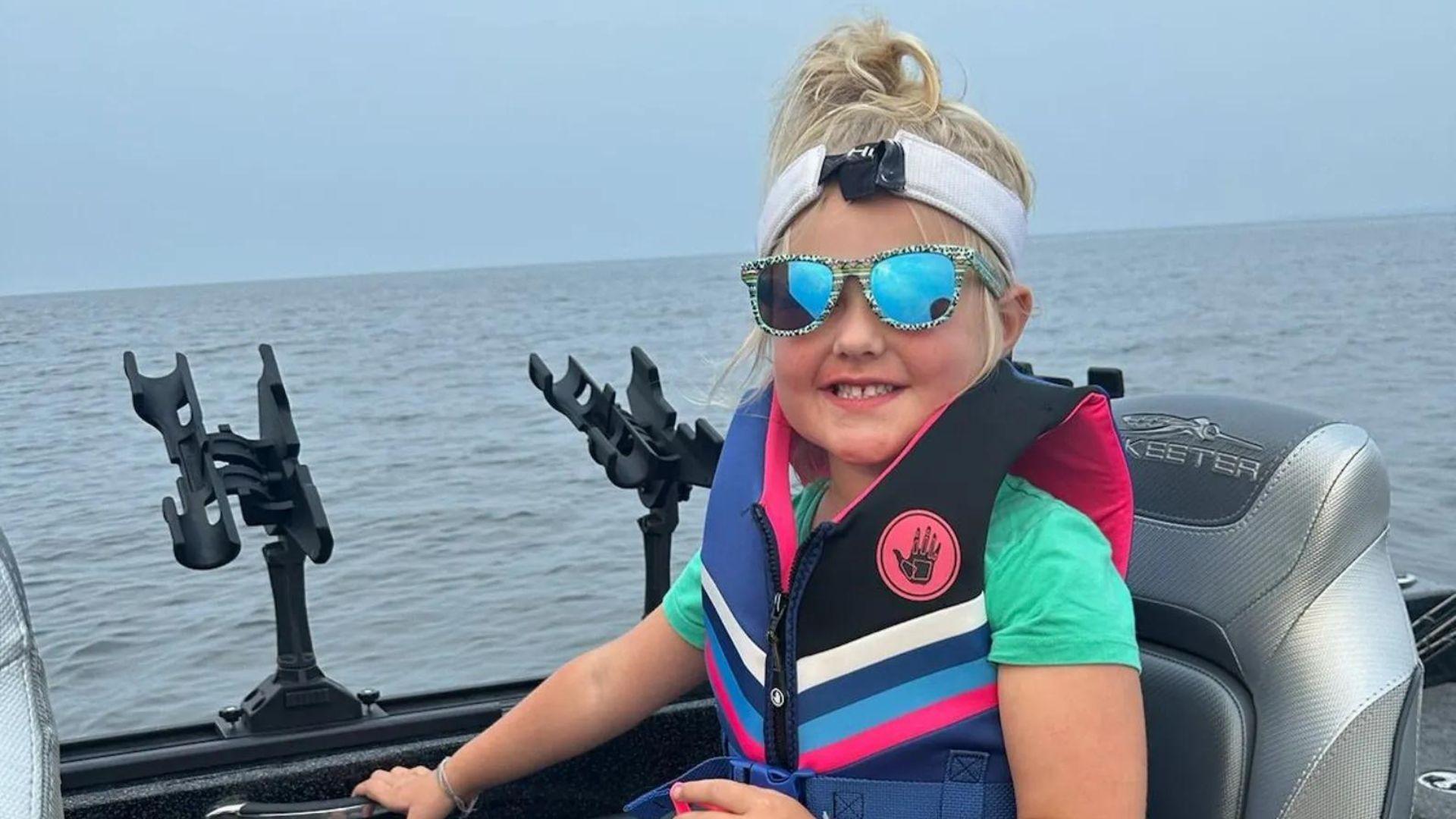
Henley had hoped the wreck might offer treasure to keep, her father told NPR. What the family actually brought back was information about a site that needed recording. No chest of coins was required. A child's day out with her dad had given researchers another place to look, and a very old ship another chapter.