Parenting
At 13, Dillon Reeves Stopped His School Bus When the Driver Lost Consciousness
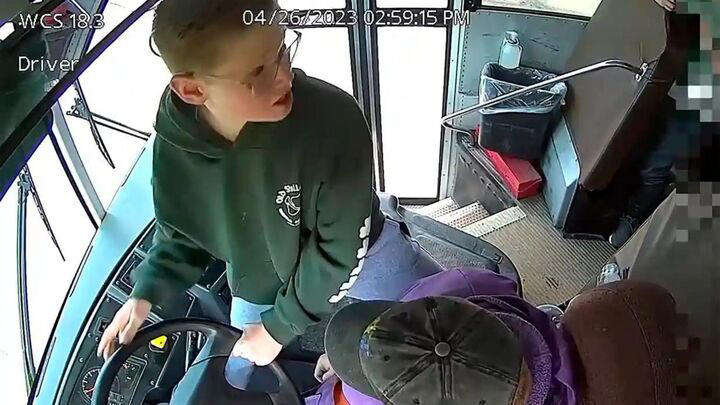
Dillon Reeves was riding home from school when the person at the wheel could no longer drive. The bus driver had lost consciousness. Dillon, a 13-year-old seventh grader, went to the front, took hold of the wheel and brought the bus to a stop. Then he called out for someone to dial 911.
It happened in Warren, Michigan, on April 26, 2023. A camera aboard the bus recorded the emergency, leaving a much clearer account than the dramatic retellings that followed. There were dozens of children on board, and help was needed quickly.
The Driver Had Already Asked for Help
Before she lost consciousness, the driver had told the transportation office she was feeling lightheaded and needed to pull over. She was trying to respond to a medical problem, not simply ignoring the road. The recording shows her fanning herself with a cap.
She didn't manage to complete the stop. Local reporting described the bus veering toward oncoming traffic as Dillon got up from his seat. Nothing in the publicly described sequence establishes a medical diagnosis, and an account of the rescue doesn't need to guess one.
A Hand on the Wheel, a Foot on the Brake
Dillon's intervention was direct: get to the controls and stop the moving vehicle. In the school district's released video, he holds the steering wheel and applies the brake. Superintendent Robert Livernois later drew attention to how he slowed the bus rather than simply stamping on the pedal.
He didn't describe himself as taking the bus on a long drive to safety. In his FOX 2 Detroit interview, Dillon explained that he had taken over the wheel and stopped it. The immediate job was to halt a bus already moving with its passengers aboard.
The Next Request Was for a Phone
Once the bus was stopped, Dillon shouted, "Someone call 911. Now!" That short instruction is heard in the footage. It wasn't a speech scolding classmates for making videos, as some retellings suggest. He was asking for emergency help.
Adults who came to the scene helped the driver and students. Livernois described two people assisting with the response, and paramedics treated the driver. Dillon's action gave others a chance to help. The episode involved a child responding quickly, followed by the adults and emergency services who were needed there.
A Police Call His Dad Hadn't Expected
Steve Reeves learned what had happened through a call from police. As a parent receiving an unexpected call about his child, he first wondered what Dillon had done. The explanation was good news: his son had stopped the school bus.
Steve and Dillon's stepmother, Ireta, spoke publicly about how proud they were. Their reaction needs no invented dialogue or description of what every hug meant. In the days after the incident, they were processing both the danger on the ride home and the attention their son was suddenly receiving.
How Did He Know What to Do?
Dillon had watched his bus driver make the same stops day after day, his parents said. They also described him driving golf carts on family campground trips and spending time around vehicles with his dad. He wasn't arriving at the controls without ever having seen someone use them.
Still, watching a driver and responding during a medical emergency are very different things. His parents were proud of both the practical response and the composure it took. They were explaining what their son had done that afternoon, not announcing a new qualification.
The Phone Detail Became Part of the Story
Later coverage focused on something Dillon didn't have: his own cellphone. His family felt that helped him notice what was happening. The idea attracted attention because other students described listening to music or looking at devices before the emergency.
It is a detail about this incident, rather than proof that every other passenger was careless or incapable of helping. The same response needed someone to use a phone to summon assistance. Looking up helped Dillon recognize the problem; a call for help was part of what came next.
Recognition in Warren
Dillon did not take questions at the first news conference after the rescue. His parents said the attention had been overwhelming. He later spoke with FOX 2, where then-mayor Jim Fouts presented him with a proclamation on April 30.
There was recognition at school, too. Local reporter Maria Allard documented the board of education's May 3 presentation of a certificate. His mother, Andrea Keller, father Steve, stepmother Ireta and sister Raelyn attended the meeting. The ride home had become a story known far beyond their family and school.
What Remains Clear in the Recording
A driver fell ill, a student noticed and the bus stopped before a crash. That is enough to explain why the community celebrated Dillon. We don't have to decide exactly what he was thinking at every second, or predict what would certainly have happened without him.
When he spoke afterward, Dillon said he had wanted to do the right thing and was concerned about the people on the bus, including the driver. His account brings the story back to the ride itself: an emergency recognized, a vehicle stopped and help called.