Animals
How Researchers Identified Two Overlooked Types of Mole in Turkey
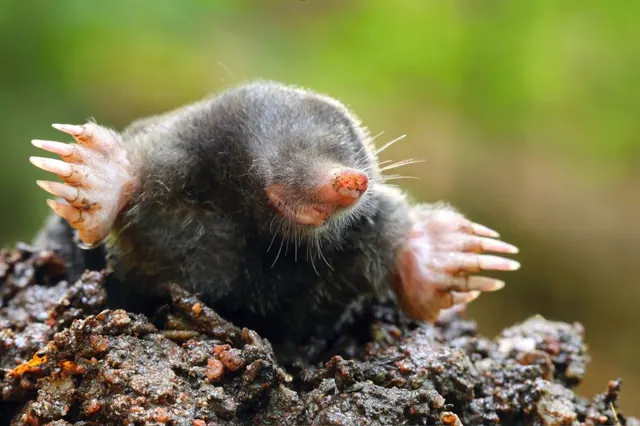
Two moles can look much alike and still tell different evolutionary stories. In July 2023, researchers described two previously unrecognised forms from eastern Turkey after comparing their DNA and physical features.
One was a new species, Talpa hakkariensis. The other, Talpa davidiana tatvanensis, was classified as a subspecies of Talpa davidiana. The names describe different taxonomic ranks.
Where the Moles Were Found
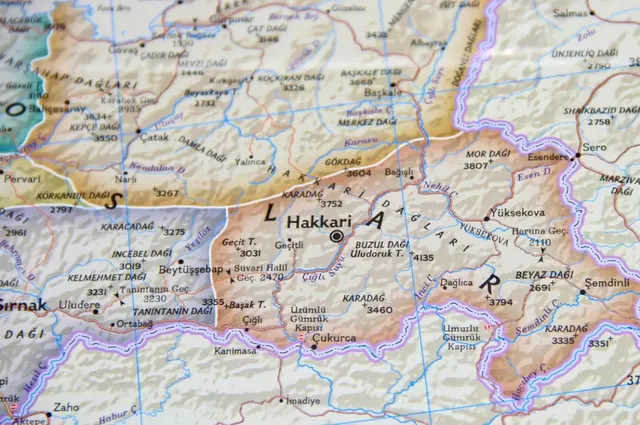
The research involved scientists from Ondokuz Mayıs University in Turkey, Indiana University in the United States and the University of Plymouth in Britain.
Talpa hakkariensis was found in the Hakkari region. The newly described subspecies came from near Bitlis. These are separate locations in southeastern Turkey, rather than a single discovery site. The original map provides geographical context, not a complete distribution map.
What the DNA Revealed
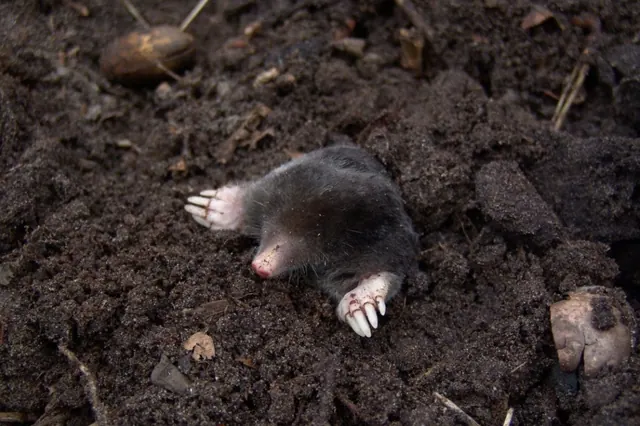
The study combined mitochondrial and nuclear DNA sequences with measurements of body structures. Researchers used geometric morphometrics, a way of comparing shape, to help distinguish animals that look similar.
Their analysis examined the wider Talpa davidiana group, recognising four taxa within it. The two newly described forms were part of that broader reassessment, alongside Talpa davidiana davidiana and Talpa streetorum.
Why Appearance Can Be Misleading
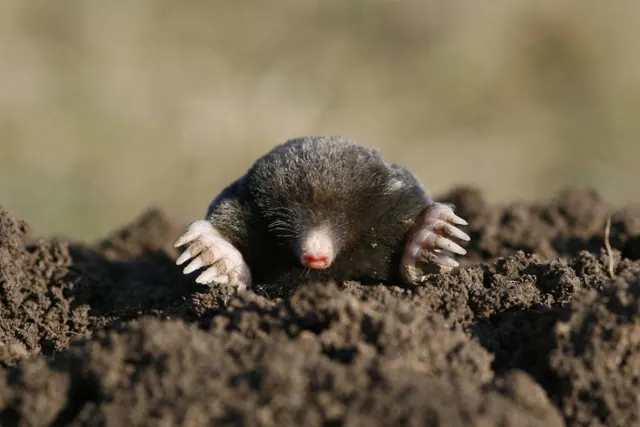
Living underground limits the body shapes that work for a mole. Similar-looking animals can therefore belong to distinct evolutionary lineages, something scientists describe as cryptic diversity.
Plymouth's account explains that the team also compared museum specimens collected in the nineteenth century. Older collections let researchers check their new samples against animals preserved long before modern DNA analysis was available. The stock mole photographs illustrate the subject; they do not identify the study specimens.
What the Discovery Adds
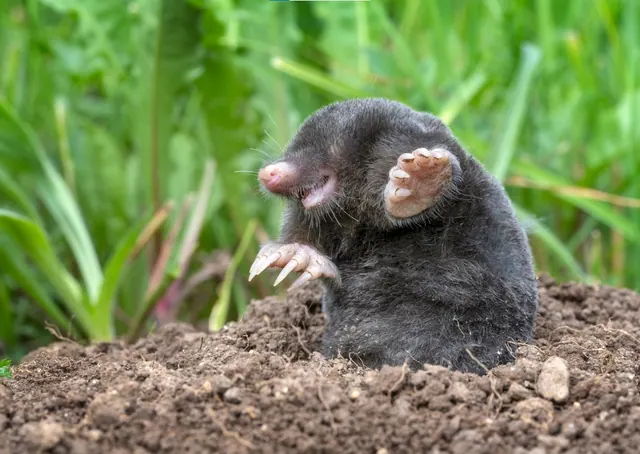
The 2023 research revised the family tree of Eurasian Talpa and reported 18 living taxa. That was the study's tally, not a claim that every mole lineage had been found.
Identifying overlooked diversity gives researchers a clearer picture of which animals occur in a region. The paper points to further lineages worth investigating, with Anatolia an especially diverse area for this group.