Animals
What Scientists Learned From La Jolla's 2024 Oarfish
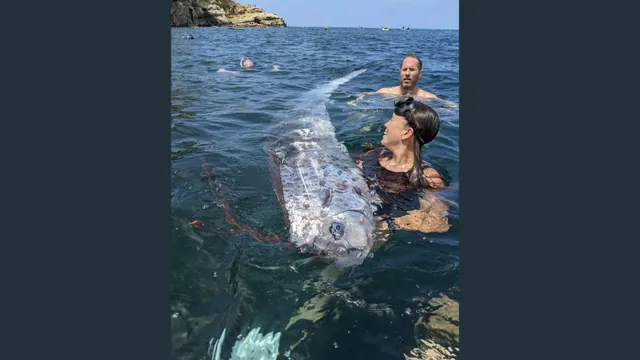
The long, silvery fish found at La Jolla Cove on August 10, 2024, was already dead. Its appearance gave researchers a rare opportunity to examine an animal usually encountered far below the surface.
Scientists examined the oarfish on August 16. Their account, published by Scripps six days later, recorded an adult male with a ribbon-shaped body and striking red crest. The discovery offered biological evidence, rather than a warning of an earthquake.
From the Cove to the Laboratory

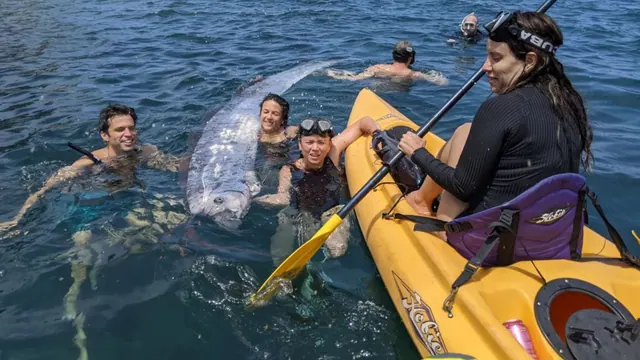
Kayakers and snorkelers helped recover the fish, which was taken to NOAA Fisheries' Southwest Fisheries Science Center in La Jolla. Researchers from Scripps, California State University Fullerton and NOAA took part in the examination.
A necropsy is an examination of an animal after death. It can establish measurements, describe organs and provide samples for further work. It doesn't necessarily produce a complete explanation of how an animal died.
A Fish Researchers Could Measure
The examined animal measured 12.25 feet long and weighed 74.3 pounds. Researchers identified it as a short-crested oarfish, Regalecus russellii.
Those measurements describe this individual, rather than every oarfish. The recovery images document the practical challenge of moving a long, delicate fish while keeping it available for study.
An Unusual Body in Plain View
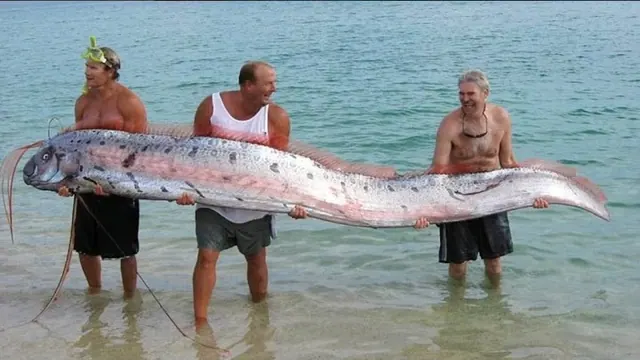
The Scripps account describes silvery skin without scales, dark spots and a long red dorsal crest. The body's ribbon-like proportions help explain why oarfish have often been compared with sea serpents.
A photograph can show shape and colour, while an examination allows researchers to investigate anatomy directly. The comparison photograph shows another encounter, rather than this specimen.
The Nickname and the Folklore
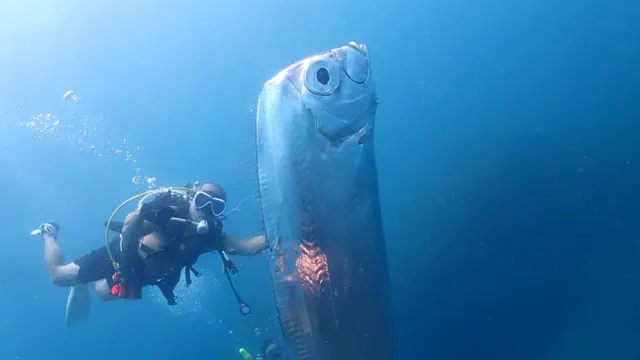
Doomsday fish and earthquake fish are nicknames associated with stories about oarfish appearing before disasters. They describe a tradition, rather than an ability scientists have established.
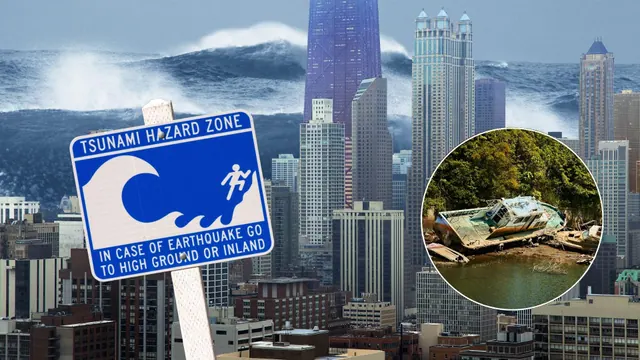
Scripps' report points to a 2019 study that found no correlation between oarfish or ribbonfish strandings and earthquakes in Japan. Its discussion of folklore should not turn the La Jolla discovery into an alert. The tsunami composite at the start is illustrative.
A Sighting Is Not a Forecast
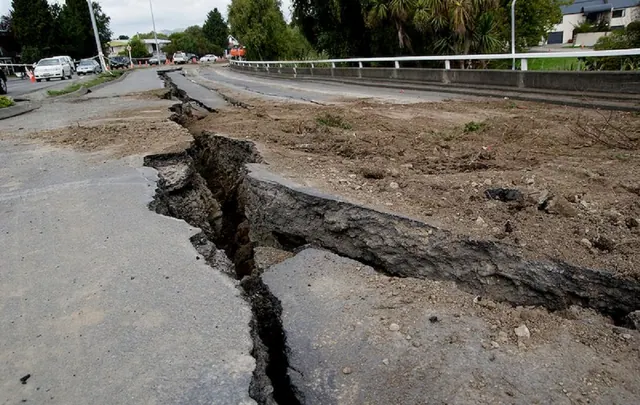
The US Geological Survey says consistent, reliable animal behaviour before earthquakes, together with a mechanism explaining it, has not been established. An eye-catching fish followed by an earthquake does not supply that missing evidence.
The agency also distinguishes a prediction from an assessment of earthquake probability over time. A particular prediction must identify the place, time and magnitude. A fish photograph cannot provide those details. The damaged-road image is unrelated archive material.
Why Deep Water Matters Here
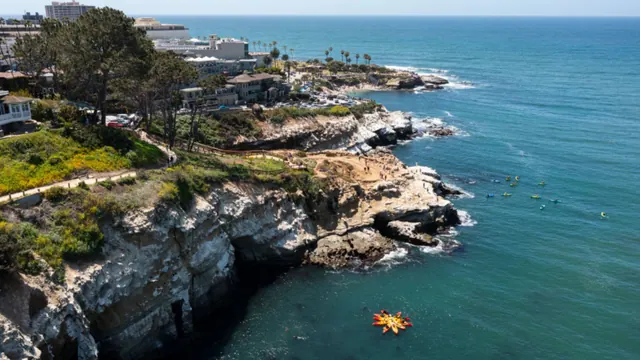
In its August 2024 account, Scripps noted that two underwater canyons bring deep water close to La Jolla Shores. That geography may help explain why unusual deep-sea animals sometimes reach the nearby coast.
It remains a possible part of the setting, rather than a diagnosis of this fish. The scientists had not established why it died or why it appeared at that location. The coastline photograph provides local context.
A Specimen With a Longer Research Life
After the examination, the fish entered the Marine Vertebrate Collection at Scripps. The collection describes approximately two million alcohol-preserved specimens representing more than 5,600 fish species.
Preserved material can support work long after the first examination. The collection's research includes diversity, evolution, ecology and conservation, as well as genomic studies. It also supports teaching at UC San Diego. A specimen's value extends beyond the first photograph or news report.
Samples for Further Questions
The 2024 report described plans to use samples for genomic work, feeding research and examination of gills and other organs. Testing for possible contaminants was another planned use.
Those were research aims, not announcements that contaminants had been found or that every project was finished. A dated account of planned testing should not quietly become a claim about completed results two years later.
What the Examination Did Not Settle
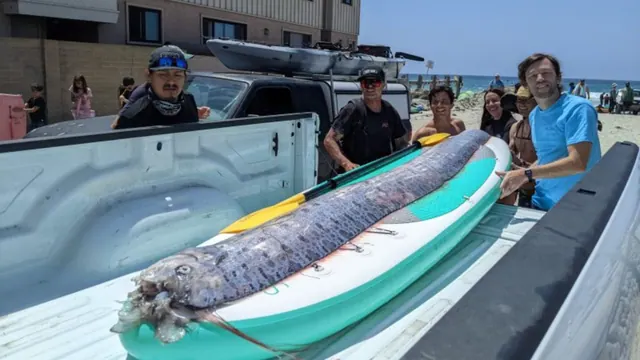
The fish was described as being in good condition, yet its cause of death remained unclear in the published account. An intact-looking animal can still leave researchers with unanswered questions.
Images of people transporting the specimen show recovery work. They cannot, on their own, establish an illness, an injury or an environmental trigger. The fish's examination and retained samples provide a firmer basis for asking those questions.
Keeping Separate Encounters Separate
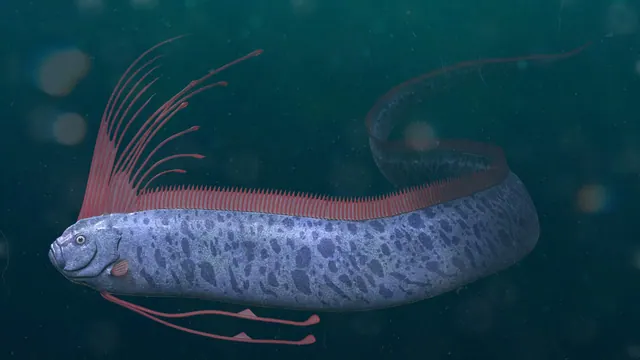
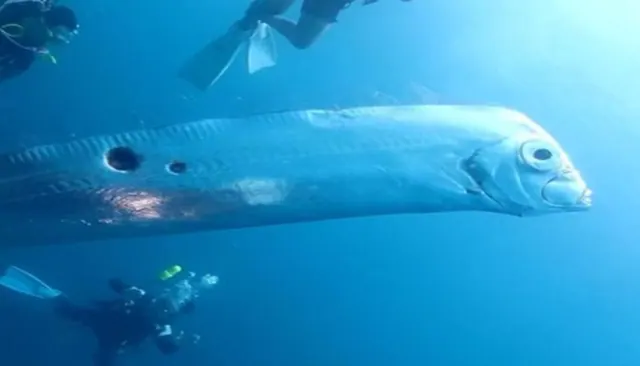
The gallery combines recovery images, comparison photographs and a digital illustration. A fish seen beside a diver is not automatically the dead La Jolla animal, and its movements cannot explain what happened to another specimen.
That distinction also applies to the wider story. Folklore, a live observation, a recovered carcass and a laboratory examination supply different kinds of information. They should not be merged into a single account of what one fish experienced.
If You Encounter an Unusual Fish
Scripps encourages people who find an unusual animal on a beach to alert local lifeguards. In Southern California, its published contact is scrippsnews@ucsd.edu or (858) 534-3624.
Let the relevant authorities and researchers coordinate any recovery. The 2024 La Jolla effort shows how a community discovery can become a preserved specimen for future study, without turning a rare animal into a disaster prediction.