Animals
Why Bull Sharks Could Stay in an Australian Golf Course Lake
A shark in a golf-course lake sounds like a joke about water hazards. At Carbrook Golf Club near Brisbane, it became a documented example of bull sharks surviving away from the sea.
Peter Gausmann's retrospective review reported six sharks and a 17-year period of isolation between 1996 and 2013. He drew on historical accounts and an interview with the club's manager, rather than tracking tagged animals.
How Sharks Reached the Lake
Floods in the 1990s connected the lake with nearby rivers. When the water fell, land separated it from the Logan River.
The review identifies 1996–2013 as an isolated period, while acknowledging uncertainty about the sharks' exact arrival dates. Later floods could have allowed animals to enter or leave. Being trapped after one flood did not make the lake permanently sealed.
Why Bull Sharks Can Use Fresh Water
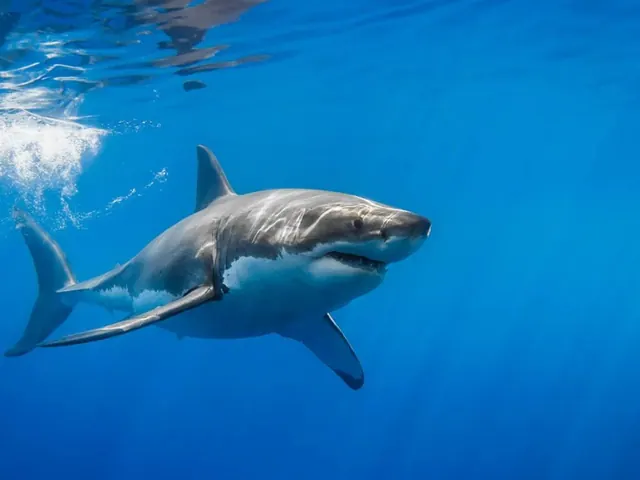
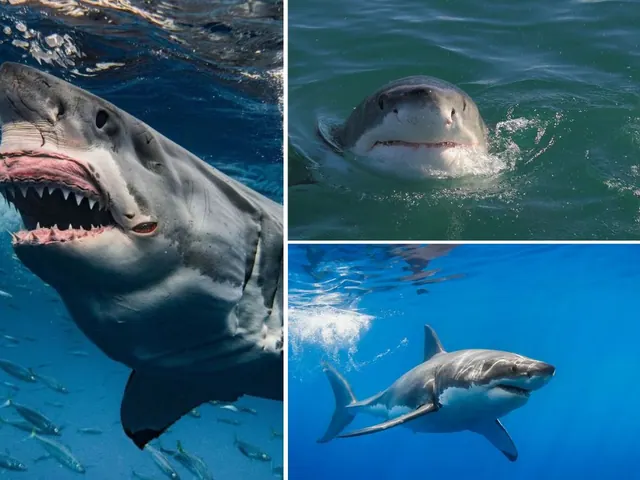
Bull sharks, Carcharhinus leucas, are found in both salt and fresh water. The Florida Museum describes them as stout sharks with broad, rounded snouts, commonly using coastal and estuarine habitats. They can also travel far inland through rivers.
Their diet includes bony fishes and smaller sharks. That describes the species generally, rather than a measured feeding record for Carbrook. A shark photograph alone cannot establish the water's salt content or identify where an animal was living.
Survival Did Not Establish Breeding
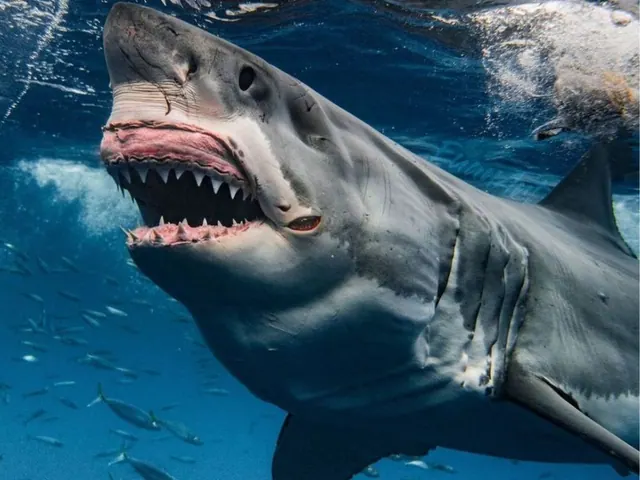
Gausmann found no reliable evidence that the Carbrook sharks reproduced in the lake. Long survival and successful breeding are separate claims.
The animals were not individually marked, so the reconstruction also has limits when identifying which sharks were present after later floods.
A Historical Account, Not a Live Headcount
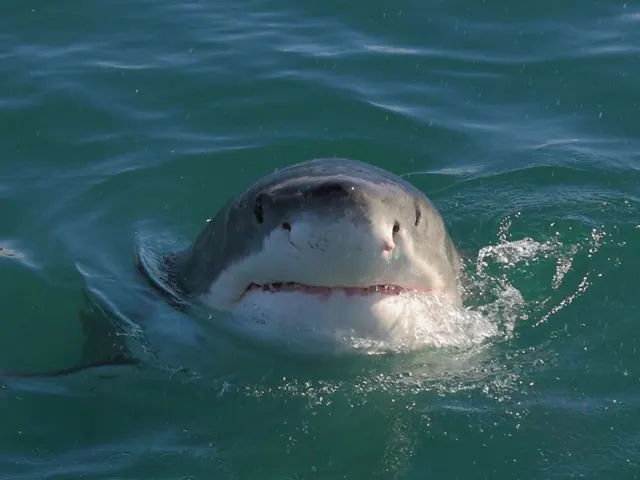
In Gausmann's account, the latest verified sighting was in 2015. His review, published in the journal's 2024 issue, does not establish the lake's shark population today.
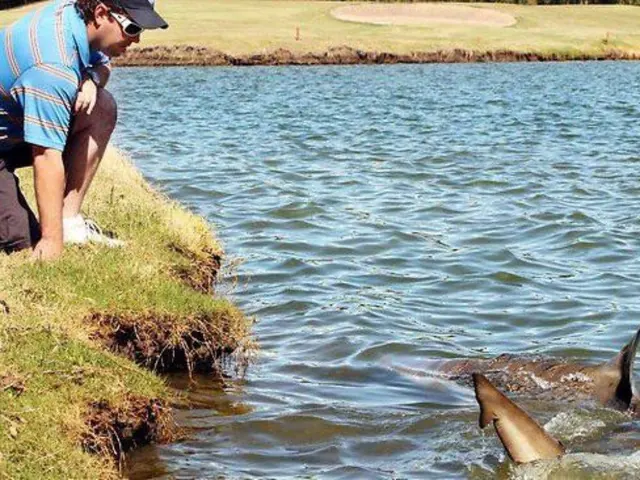
The original gallery includes generic shark imagery and an unverified lakeside photograph. It is not a visual census of Carbrook's animals. Queensland's responsible-fishing guidance also warns against attracting sharks near swimmers: keep bait and fish waste away from places where people enter the water. A lost golf ball is no reason to test an animal's temperament.