Animals
Lief the Sitatunga and Why Brights Zoo Bans Food Pouches
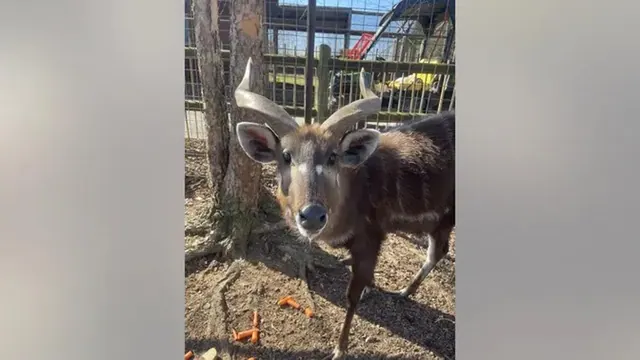
What happened to Lief at Brights Zoo
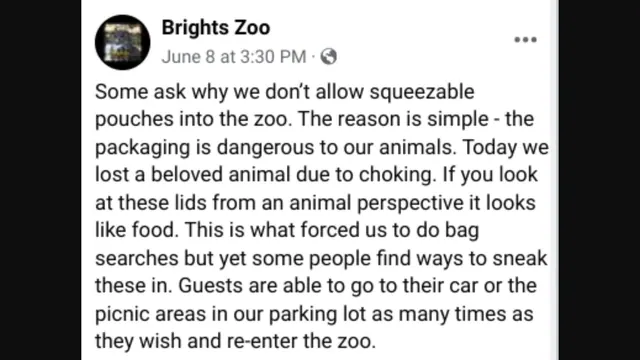
On June 8, 2024, a keeper at Brights Zoo in Limestone, Tennessee, noticed that a seven-year-old sitatunga named Lief was in trouble. Zoo director David Bright told CBS News the keeper was making a routine check and called the veterinary team. The team tried to remove a plastic cap from a squeezable food pouch, but couldn’t save him. The zoo announced the choking death that day and explained why it already kept pouches out of the park.
The zoo’s account establishes what Lief choked on. It doesn’t establish exactly how the cap reached his enclosure or who left it there. Bright told CBS News no one had come forward with that information. A photograph shared by the zoo shows the kind of packaging it was talking about; the picture doesn’t identify the particular cap. The distinction matters because the lesson applies to a loose lid or wrapper from any brand.
Bright remembered an animal who was unusually comfortable around his keepers. During feeding, Lief would follow them around, the director said, even though other animals tended to keep their distance. He had been part of the zoo for years and was weeks away from turning eight. The Smithsonian’s National Zoo describes a lifespan of around 22 years for sitatungas in human care. That gives some context for why staff spoke of losing him so young, without telling us how long he would have lived.
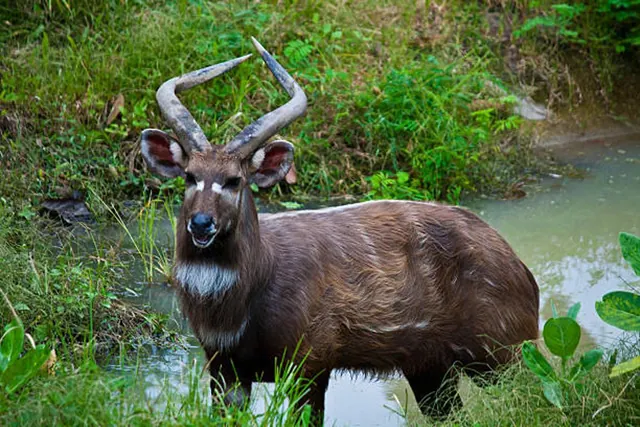
A sitatunga is an African antelope that lives around wetlands, including marshes thick with reeds and papyrus. Its hooves are long and spread wide, which helps it move on soft ground. Adult males can grow spiral horns. Those features may catch your eye in a photograph, but the hooves tell you more about how the animal gets around: what might look awkward on firm ground makes sense in a swamp.
The Smithsonian’s sitatunga guide describes animals that feed on reed shoots and other vegetation and can shelter in dense growth. In the heat of the day, they may rest on beds of plants they’ve pressed down in the reeds. When alarmed, they can swim with little more than their nostrils above the water. Even the way a mother hides her calf fits that setting: the Smithsonian describes a resting platform tucked into dense reeds, where the calf can stay out of sight while it learns to navigate the swamp. The zoo guide also describes a diet prepared for its own animals, including hay and woody browse. That’s an example of how keepers can plan what an animal eats; it isn’t a description of Lief’s individual feeding plan.
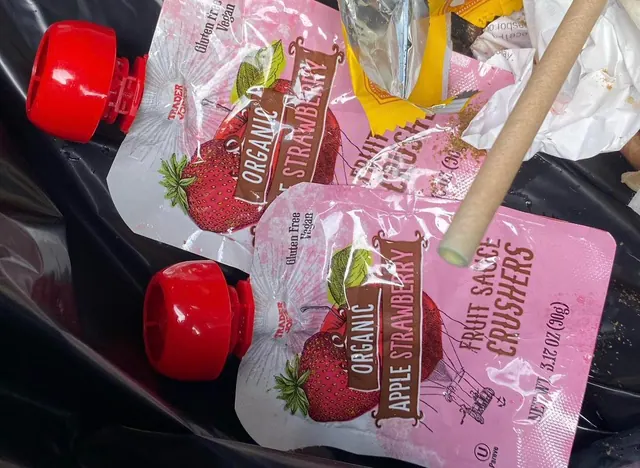
The Brights Zoo announcement explained its pouch ban in terms a visitor can picture: a small cap can look like something an animal might pick up. The risk isn’t limited to someone deliberately feeding an animal. A lid can separate from its container, and a wrapper can blow away while you’re trying to get a stroller or a group of children moving. Once an item lands beyond the barrier, getting it back is a job for staff.
How to plan food and snacks for a zoo visit
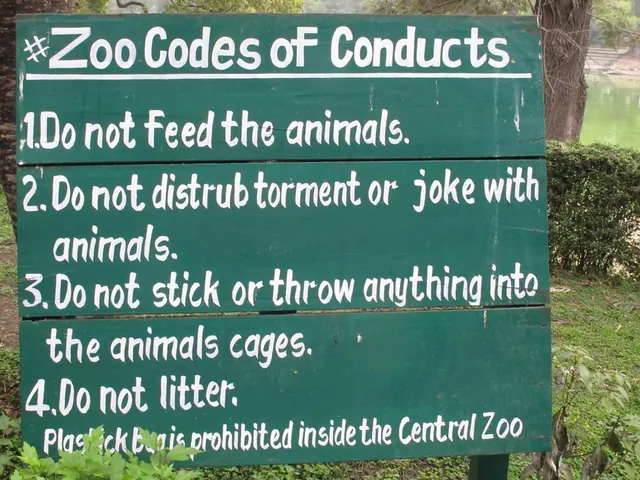
Check the zoo’s visitor rules before you pack. Brights Zoo’s visitor guide says pouches of any kind are prohibited and that outside food stays out of the zoo. It makes an exception for baby food in a plastic container, subject to the guide’s other restrictions. If your child relies on a particular kind of food or container, ask the zoo what you can bring. That’s easier to sort out before you reach the entrance.
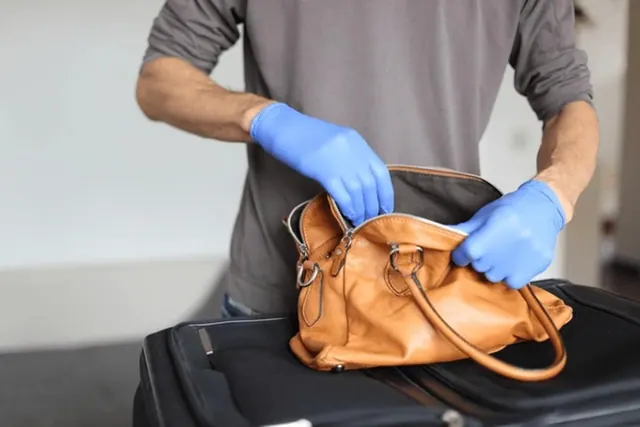
The zoo’s guide also explains where you can eat. Families bringing their own lunch can keep it in the car and use the covered pavilion in the main parking lot. Food bought at the zoo’s concessions belongs in the designated picnic area or pavilion. Brights Zoo reserves the right to check bags and containers, so keep any permitted food easy to show at the entrance. Rules may differ at other zoos; read the policy for the one you’re visiting. For a group visit, tell other adults where the lunch will stay before everyone packs a separate bag. You can decide who carries the allowed items and agree on a place to meet for the break. That way a last-minute handoff at the gate doesn’t leave someone guessing which bag has food in it.
Put the break in your plans before anyone is hungry. For example, you could see the animals your child most wants to visit, head to the designated picnic area, and then come back for the rest of the exhibits. If you use the parking lot pavilion, check the current reentry instructions before you leave. A planned break also gives you a place to deal with lids and wrappers before you go back to an animal habitat.
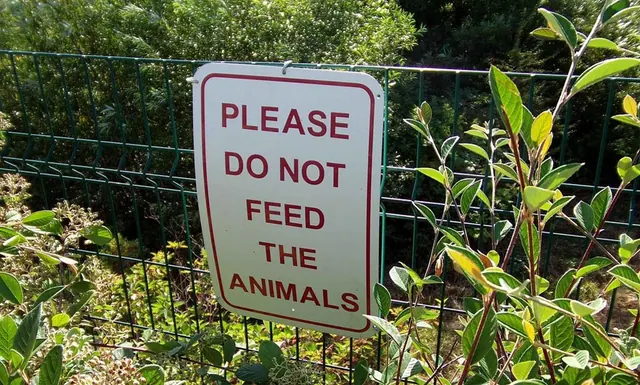
During the visit, leave food in the designated eating areas and use the bins there. Keep track of loose items when you stop near an enclosure. If a cap or wrapper goes through a railing, tell a keeper or another employee where it landed. Give them a description and the enclosure name if you can. Don’t climb the barrier or try to reach in. Brights Zoo asks visitors to stay on public paths and follow the signs; reporting an item gives staff a chance to get it safely.
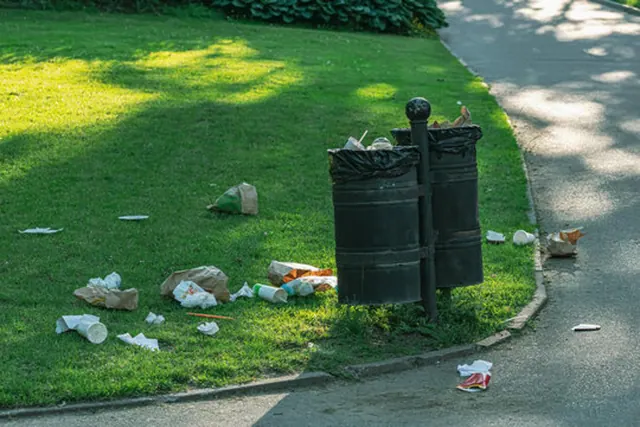
Children can help without being made responsible for everything in the bag. Give them one job they can remember, like handing a lid back to you before they move on. An older child can check under the picnic table for wrappers before the family leaves. At an exhibit, you can point out the difference between watching an animal eat and offering it something from your lunch. Some zoos offer supervised feedings with food chosen by staff; follow the instructions for that activity.
It’s easy to read a rule about pouches as one more item to remember on the way in. Lief’s story shows what that rule is trying to prevent. You can still take a break, feed a hungry child and spend time watching the animals. Keeping food in the places set aside for it and telling staff when something goes over a barrier makes it easier for everyone to do those things safely.