Animals
Why the Wild Horses Stayed at Theodore Roosevelt National Park
Why the Park Service considered removing the herd
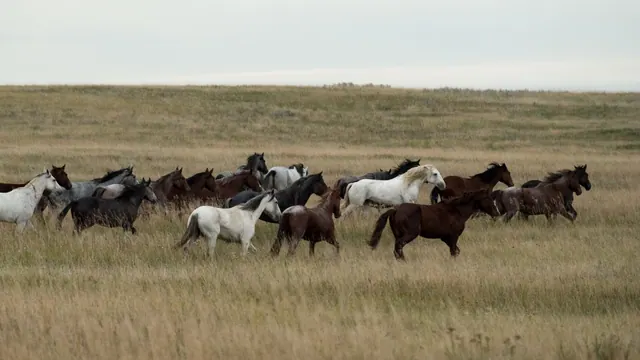
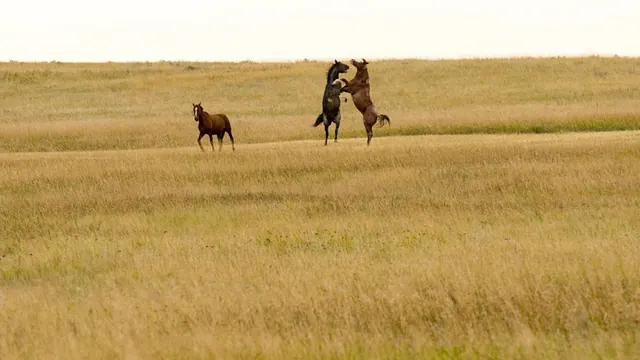
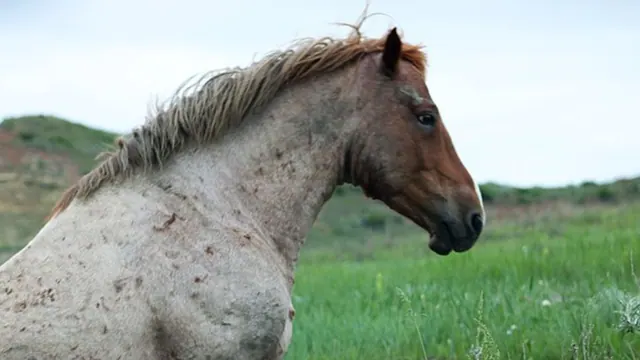
Drive through the South Unit of Theodore Roosevelt National Park and you might see a band of horses grazing in the Badlands. In 2023, the National Park Service asked the public to weigh in on a question that could have changed that view: Should there still be a horse herd in the park?
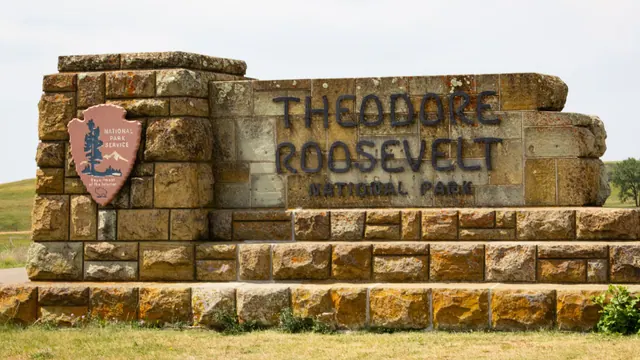
The horses live much as wild animals do, but the Park Service describes them as feral because they descend from domestic stock. Horses from surrounding ranches were already in the area when Theodore Roosevelt National Memorial Park was established in 1947. A fence went up around the park, and early managers tried to remove the horses.
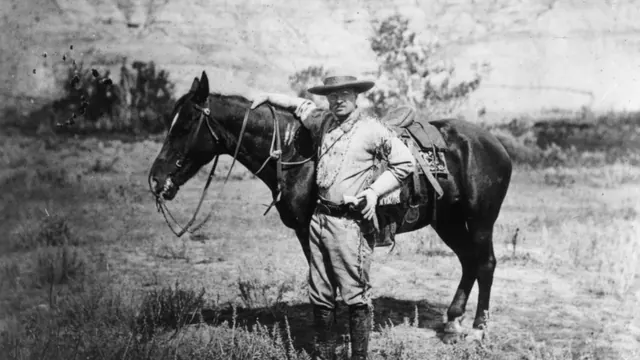
By the 1970s, the park had changed course. Managers began keeping horses as a demonstration herd, a way to show visitors something of the landscape Roosevelt knew during his ranching years. The site became Theodore Roosevelt National Park in 1978. The horses’ place in that story is part of why the later proposal drew so much attention.
The 2023 draft assessment set out three choices: continue existing management, remove the herd as quickly as possible, or remove it over a longer period. The Park Service also looked at how those choices could affect the prairie and visitors. The question was how to care for the native plants and animals sharing fenced land with the horses.
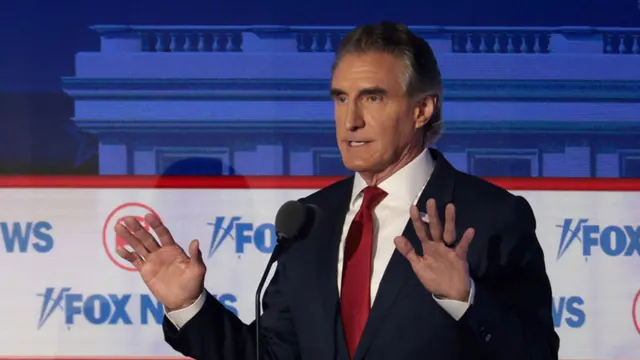
That fall, the park opened a public comment period and held an online meeting on October 10. Then governor Doug Burgum had already written to the agency in support of keeping the horses. He pointed to their ties to the history of the Badlands and their importance to visitors and nearby communities.
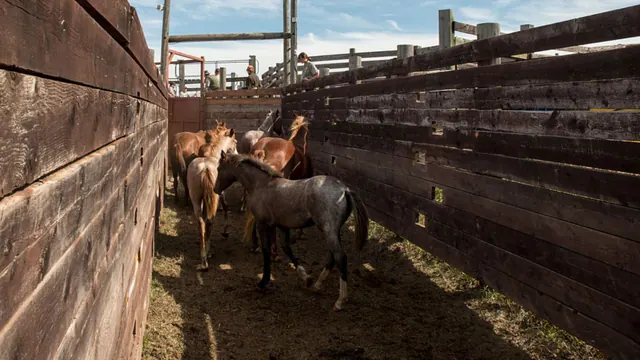
North Dakota’s legislature also urged federal officials to keep a horse herd in the South Unit. The Park Service’s summary of public comments captured another view as well: some respondents wanted park resources to go toward native species. The debate reflected a real difference in what people expected the park to protect.
What happened after the public comments
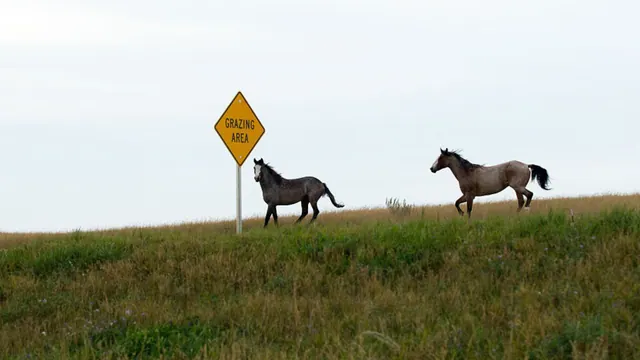
On April 25, 2024, the National Park Service ended the environmental assessment. It cited the information gathered during planning, including public feedback. The two proposals to remove the entire herd did not go forward. For visitors, the result was simple: there would still be horses to look for in the South Unit.
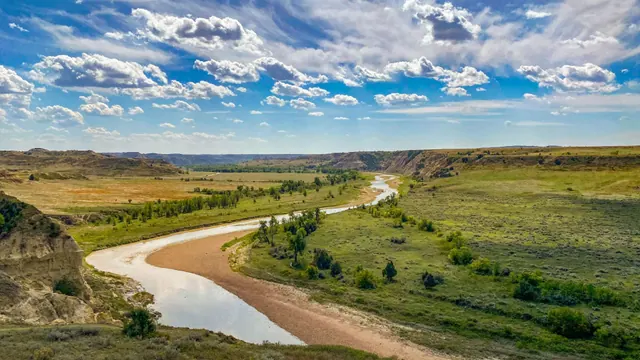
That decision didn’t end day-to-day herd management. The fence that keeps horses within park boundaries also limits how far they can roam. Park staff still have to consider the forage available to the horses and to the bison, elk and pronghorn that share the area. Keeping the herd means continuing that work.
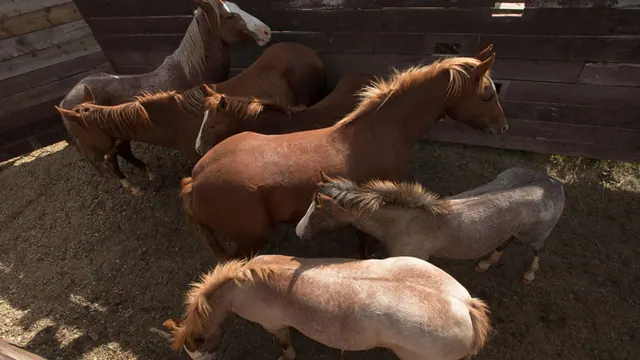
The Park Service began fitting some mares with GPS collars in 2024, working with the U.S. Geological Survey. A collar follows one animal, but a mare often travels with the same group. By following a sample of mares, researchers can learn how much of the South Unit the groups use and where their paths overlap.
The park’s October 28, 2026 update included a time-lapse map based on 15 mares tracked during August and September. Each color follows a different mare, showing where routes overlap. It’s a different view from what you see from the road, where a few minutes of watching gives you only a snapshot of the herd’s movements.
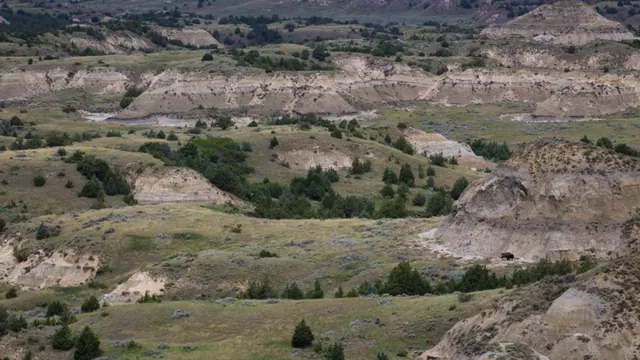
If you visit, bring binoculars and let the animals go about their day. The Park Service asks visitors to stay at least 25 yards from wildlife, including the horses. A horse that looks calm from the roadside can still bite or trample someone if you get close. Give a band room to pass.
You may see the horses near the road or barely make them out on a hillside. Either way, it’s the view the Park Service was weighing in 2023: how to keep a herd that helps tell the Badlands’ history while caring for the prairie the horses share with native animals.