
Animals
The Hundreds of Horses Buried Beside a Tomb Linked to Duke Jing of Qi
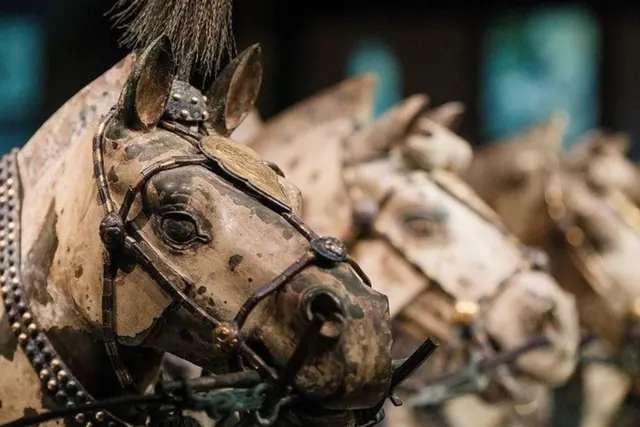
Hundreds of horses beside a ruler’s tomb
At Heyatou in Linzi, China, horse burial pits extended for 215 metres around three sides of a tomb. Archaeologists discovered them in 1964. Inside were the remains of horses deliberately killed and arranged in two rows, alongside the eastern, western and northern edges of Tomb 5.
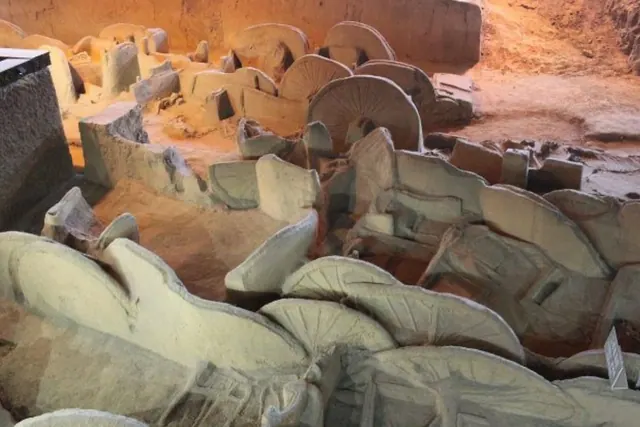
The site lies in what is now Zibo, in Shandong province. Its excavation record appears in the 1989 Linzi District gazetteer: 145 horses were uncovered in 1964, followed by another 83 in 1972. The first excavation covered 54 metres of the pits; the second opened a further 30 metres.
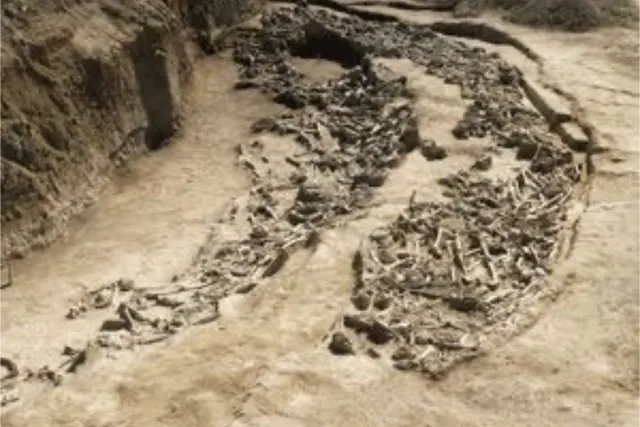
Much of the pits’ combined length therefore lay beyond those excavated sections. From the number of horses packed into the areas they had opened, archaeologists estimated a total of approximately 600. That figure describes the likely scale of the burial, including horses beneath ground those excavations hadn’t reached.
The gazetteer records a preliminary archaeological attribution to Duke Jing of Qi, who ruled from 547 to 490 BCE. He is considered the most likely owner of Tomb 5, though that remains an archaeological judgment rather than a confirmed identification.
Horses, power and two different rulers
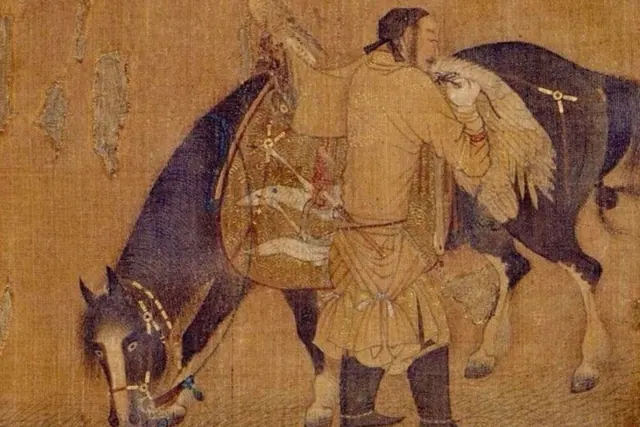
Horses were part of a Chinese ruler’s military strength, and they also had a place in burial customs. The National Gallery of Victoria traces sacrificial horse burials back to the Shang dynasty, around 1600–1046 BCE. The Linzi pits belong to that long funerary tradition.
Real horses and chariots were also buried near Qin Shihuang’s mausoleum, according to the museum. Its exhibition notes discuss these remains alongside the Linzi burial, putting horses within the wider history of rulers’ power and the arrangements made for their tombs.
The Dukes Jing of Qi and Qin ruled different states. The Duke Jing associated with Linzi ruled Qi. A separate horse pit beside the other duke’s tomb lies at the Yongcheng ruins in Baoji, Shaanxi. That ruler belonged to Qin, and his pit has its own excavation history.
Xinhua reported on the Qin site on April 10, 2019. The pit was discovered in 1977; excavation started in 2003 but stopped because preparations were inadequate. Work resumed in April 2019. Archaeologist Yang Wuzhan told the news agency that the excavation could shed light on burial practices, army size and history and culture before China’s unification under Qin.