
Animals
Why the American Ornithological Society Proposed New Bird Names
The 2023 decision
On November 1, 2023, the American Ornithological Society (AOS) Council committed to changing English common bird names within its geographic jurisdiction that directly honor people. Alongside these eponyms, the organization pledged to replace other names it deemed offensive or exclusionary, focusing initially on species occurring primarily in the United States or Canada.
In explaining its decision, the AOS pointed to exclusionary naming conventions along with historic racism and misogyny. The society stated that it hoped to include more people and focus attention on the features of the birds themselves.
The Council also committed to forming a new committee with expertise in ornithology, taxonomy, social science, and communications, paired with public involvement in choosing replacement names. These changes apply to English common names, and the initiative does not change scientific names.
Even so, a historical commitment does not mean that all of these bird names have since changed. The AOS English Bird Names Project page and its linked FAQ, retrieved on November 7, 2026, still describe the 2023 commitments.
Why the decision drew debate
The recommendation to replace every name honoring a person came from an AOS committee formed in 2022. In its FAQ, the society explained why it favored that approach over examining each person’s life and deciding which names should stay.
AOS argued that individual reviews would invite divisive moral judgments, draw attention away from birds and leave people affected by harmful names responsible for petitioning for changes. This was the society’s reasoning for replacing all eponyms, as a group instead of handling petitions separately.

The FAQ described support alongside frustration and disagreement. Supporters welcomed the possibilities for inclusion and greater attention to birds. Critics raised concerns about learning many new names, unstable taxonomic lists, losing ornithological history and paying for changes whose conservation and inclusion benefits remained uncertain.
Those concerns were not all the same. Disagreement over replacing every honorific was distinct from opposition to removing offensive names. AOS acknowledged that some honorees had made important contributions and that learning replacements would take effort.
The six-species pilot

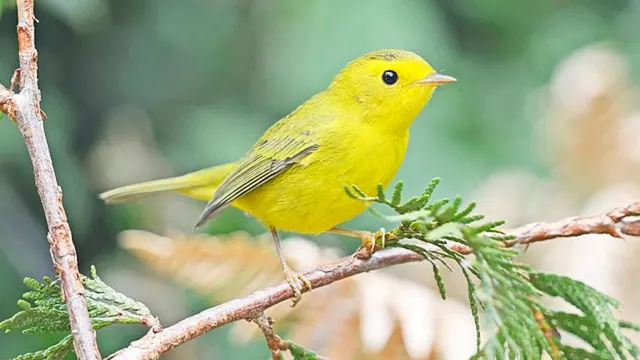
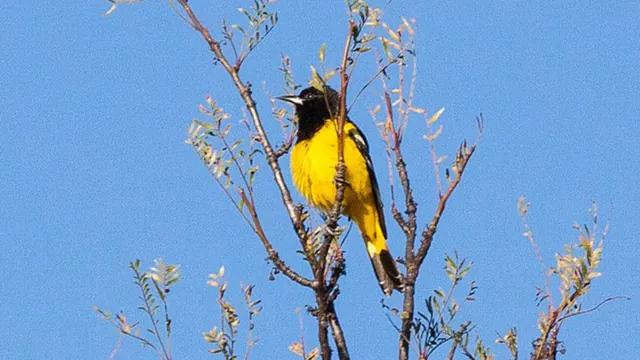
In an update dated May 13, 2024, AOS outlined a pilot to develop and test a naming process for six species. The birds were Inca Dove, Townsend’s Solitaire, Maui Parrotbill, Bachman’s Sparrow, Scott’s Oriole and Townsend’s Warbler. The update was amended twice that year.
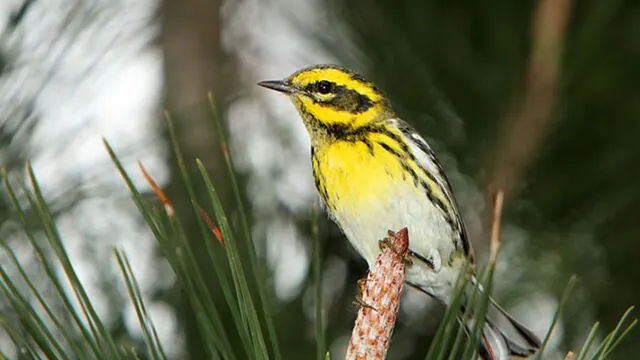
Four of those names honor people. Inca Dove and Maui Parrotbill brought other questions into the pilot, concerning cultural suitability and local Indigenous naming. The selection therefore gave the proposed committee more than one kind of naming issue to consider.
A new committee would work with groups inside and outside AOS, species and geographic experts, and international partners across the birds’ ranges. Its tasks included building a platform for public input, seeking replacement names, bringing in diverse perspectives and preserving naming stability.
AOS explained that its checklist authority depended on recognition of its expertise, not legal power. Birds’ ranges cross borders, making coordination important. These were plans outlined in 2024; the update does not establish that all six names have changed or that public voting is open now.