Animals
Why a Museum Agate Is Thought to Be a Dinosaur Egg
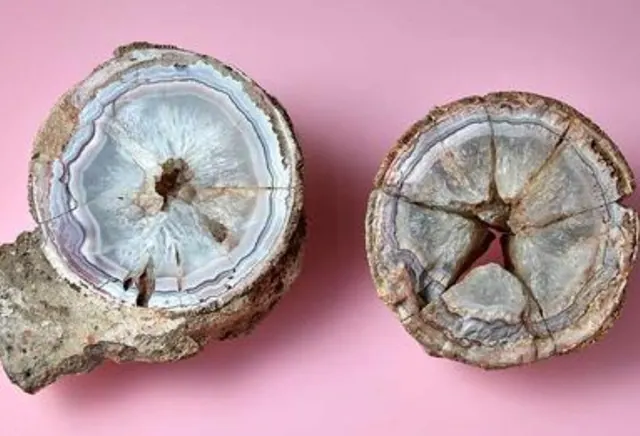
The specimen's cut faces show pink and white bands of agate. Then a fresh look suggested something more: the agate had formed inside a dinosaur egg. London's Natural History Museum reported the identification in March 2023. Its mineral label wasn't simply wrong; the object appears to preserve both a mineral filling and an older biological structure.
An Old Collection Record, Revisited
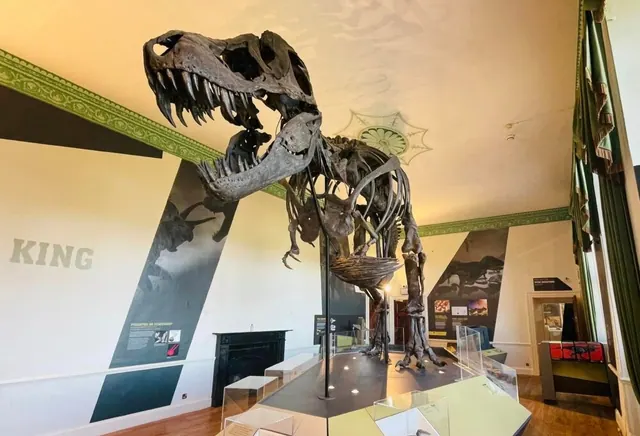
A later paper by Robin Hansen and Paul Barrett identifies the specimen as BM.58644, an agate from central India registered in 1883 and donated by Chas. Fraser. Their archival research suggests it was collected before 1843. That's an estimated collection window, not a precisely recorded discovery date. The authors note it may even predate the naming of Dinosauria in 1842. Registration, collection and recognition happened at different times.
The Clue That Prompted Another Look
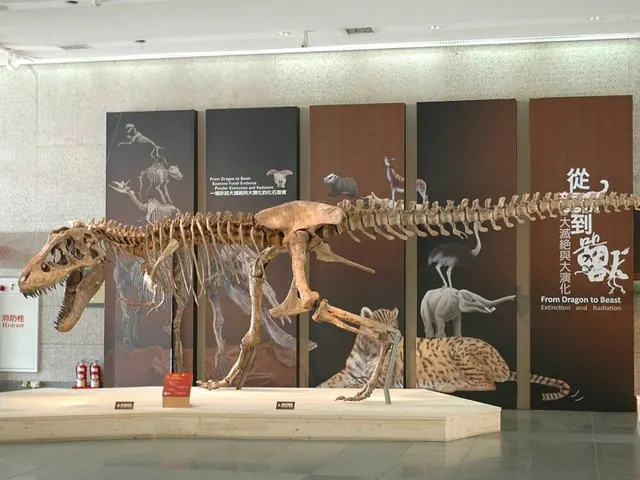
The museum's account describes a nearly spherical specimen about 15 centimeters across, selected for display in 2018. Later, at a mineral show in France, Hansen saw an agatised dinosaur egg that reminded her of it. Dinosaur specialists Paul Barrett and Susannah Maidment examined the museum object. Its size, surface and shell-like outer layer supported the egg interpretation; traces of neighboring rounded objects suggested a nest.
What the Agate Can Tell You
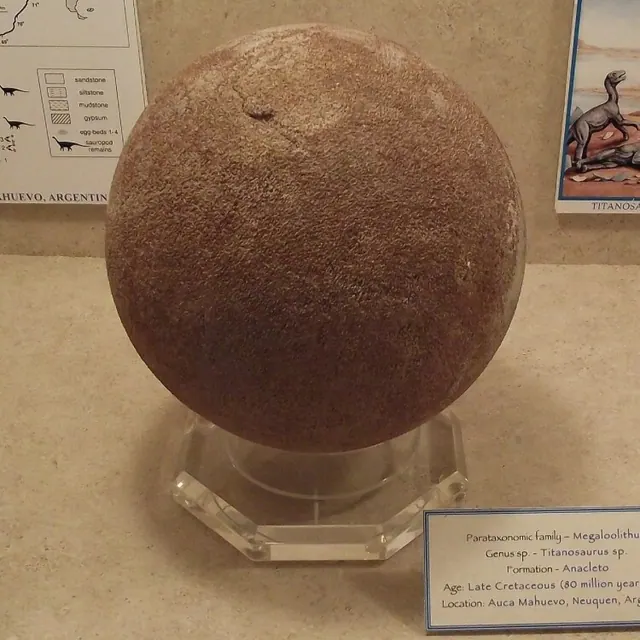
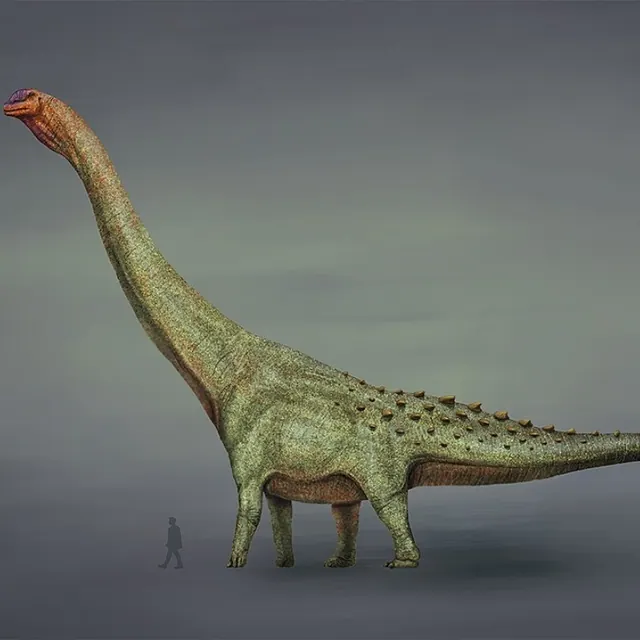
The team tried CT scanning, but the dense agate prevented them from resolving finer internal details. The museum places the specimen at about 67 million years old and considers a titanosaur the likely parent. Those conclusions rely on its features and geological context. The identification is at the group level, with no particular species named in the museum's account.
Mineral Bands and Dinosaur History
The British Geological Survey describes agate as very finely crystalline quartz with banded colors. In the museum's proposed history, mineral-rich water filled an egg after its original contents decayed. The bands you can see belong to that mineral filling. They aren't a preserved hatchling. The American Museum of Natural History explains that assigning fossil eggs to particular dinosaur species is difficult because embryos are rarely preserved. Its account also documents the famous 1923 egg discoveries in Mongolia. An earlier collection date for the London object could make it historically important, without proving it was the first dinosaur egg anyone ever found.