Animals
The Firefly That Turned Up After 43 Years
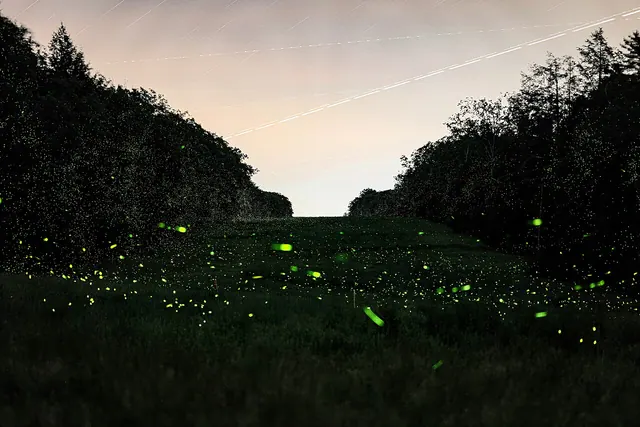
On an evening in May 2026, Aljoscha Nern saw fireflies blinking low over a Virginia meadow. Nern shared the observation on iNaturalist. A few weeks later in Delaware, entomologist Christopher Heckscher watched a series of short amber pulses in another meadow. The flashes repeated after a pause, the rhythm he had been looking for. Both observers had seen a species that hadn’t been documented since 1983.
The insect has an endearingly plain name, the similar firefly. Its scientific name is Pyractomena similis. The research paper describes another species that looks similar. The flashes gave observers another clue. Researchers used a microscope to confirm the identification. The story of how that happened is a good reason to slow down the next time someone in your family points out a light in the grass.
Two meadows and a closer look
The Virginia sighting came first, on May 15. The Journal of Lost Species study also describes a May 28 observation in another meadow nearby. According to Re:wild’s account of the rediscovery, Heckscher was surveying for the species that spring. He looked at two sites in Maryland and Delaware without finding it. On June 3, his last survey night, he went to a mature meadow at Delaware’s Brandywine Creek State Park. Re:wild describes low vegetation, shrubs and brush in the meadow.
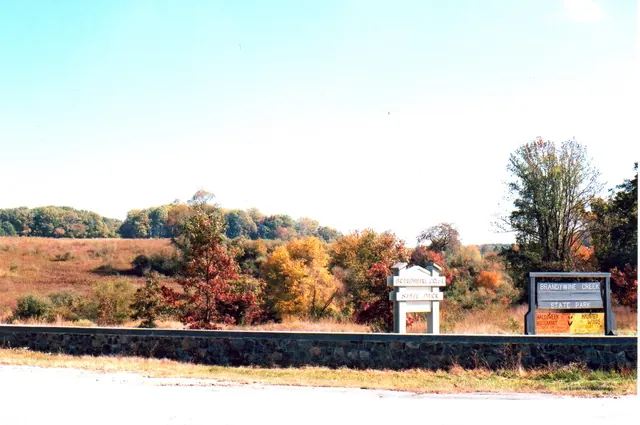
When it got dark, Heckscher saw between eight and about a dozen fireflies producing the pattern he was looking for. Re:wild describes the flashes from males of this species as a run of about 10 to 20 quick pulses, then a short break before the next run. There was another kind of firefly with a flickering flash in the meadow that night. Researchers examined a specimen under a microscope to confirm the similar firefly in Delaware on July 2. Anatomy provided the confirmation after the flashes drew attention in the field. The earlier Virginia sighting was confirmed on July 6.
A flash has more to it than the color. It has a length, an interval before the next flash and sometimes a run of pulses you can try to count. Watch where it appears, too. Imagine a light pulsing several times close to the ground, followed by a different light higher up. Those could be two insects. If you look from one to the other, it’s easy to lose track of which light you started with. Keeping your eyes on one patch makes it easier to notice the pause between runs.
The gap in the record
The long gap refers to the record scientists had. It starts in 1983 and ends with the confirmed sightings in 2026. The authors also looked at the records for 178 described firefly species in the United States and Canada. They classified 28 species as lost because there had been no confirmed observation for at least a decade. That’s about 16 percent. A long stretch without a record can tell researchers where to concentrate their efforts. It takes more evidence to understand why a particular insect disappeared from view.
Even a search that comes up empty has a place in that work. Heckscher looked in three places and found the similar firefly in one of them. Writing down where he looked, when he looked and what he saw lets someone else put those nights side by side. A species may be active for a short period or use habitat that’s easy to walk past. The records in both states give researchers places to start learning how much suitable habitat the species still occupies. They leave its population size and current range open.
The authors also point to older records with vague location details. A line on an old specimen label may get someone back to the right county while leaving the actual field hard to find. A 30-minute survey at historic Virginia sites on May 11, 2024, found no similar fireflies. The team reported temperatures of 55 to 57 degrees Fahrenheit during that survey. The authors recommend looking again.
Try watching one patch together
Save this for a night when your local fireflies are active. The Firefly Atlas says its target species have adult activity windows from April through August, with the timing varying by species and place. For a family firefly watch, go with an adult and choose a spot you’re allowed to visit after dusk. A yard or a familiar path with a view of low vegetation is enough if you see fireflies there. Any local firefly will do. Pick a small patch so everyone is looking in the same direction. One child can call out when a flash starts. Someone else can watch for a pause or jot down the time. If the lights are too quick to follow, try counting just one run and then look up again. Leave the insects where they are.
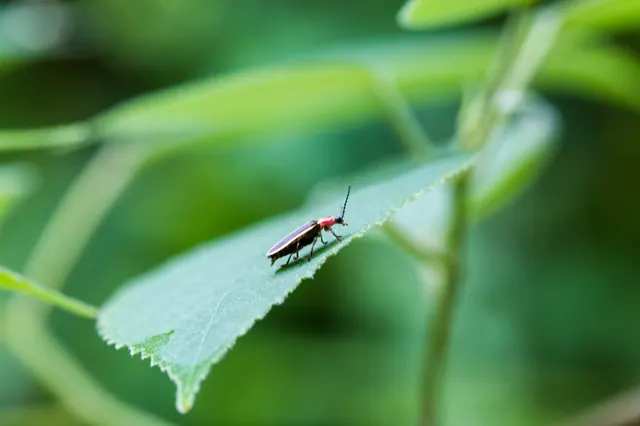
Write down the date and time, what kind of place you were in and what you actually saw. A few words about the surroundings go a long way. Were the lights over short grass or next to taller plants? Was there one light or were several visible at once? If you can get a photo or short video from where you are, keep it with your notes. If you lose track of the pulses, you can write “pulses too quick to count” and still have a record worth keeping.
The Firefly Atlas participation guide explains how to submit a chance sighting, with a photo if you have one. It asks where and when you saw the insect and what the habitat was like. The Atlas also has a more detailed survey protocol for people who want to go back and collect the same kinds of information on different nights. The Atlas handbook says observers can describe what they saw even when they’re unsure which species it was.
There’s a small pleasure in coming back to the same patch on another evening and seeing if the lights show up around the same time. That’s also how a family can start making records that someone else can compare. In Virginia and Delaware, observers recorded the flash patterns, and researchers confirmed the species with a closer look under a microscope. A good first field note can begin the same way, with the time, a patch of grass and whatever the next flash lets you see.