
From the archive
Rosie and Her Six Kittens Found a Home With Carolyn
Prefer Family & Pets on GoogleSee more of our stories in your results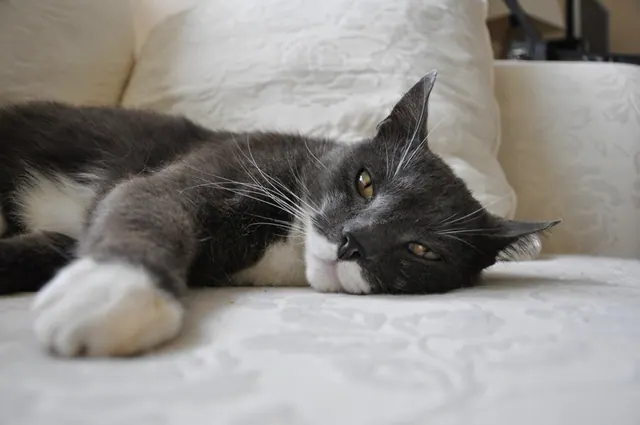
In a fundraising post, Carolyn says she found Rosie on February 14, 2025, the day Rosie gave birth to six kittens, and took the whole family in. She names Delilah, Forrest, Flynn, Leo, Luna, Koda and Rosie as the cats running her home, and says they bring her joy every day.
Best Friends names several checks before adopting. Will everyone in the home welcome an animal? Does a renter have permission from the property owner? Is there room, time and money for ordinary expenses, and a backup caregiver for travel? If any answer is unresolved, waiting is sensible. The grid needs only paper and a pen, but a tired adult may have no energy for it, and skipping it costs less than rushing the decision.
Behind a seven-cat adoption sit litter trays, bowls, beds, time and money, all needed every day, and those decisions belong to adults. A family weighing up a group of cats could try three optional activities. One is a household schedule, one is a map of places where an imaginary cat could rest undisturbed, and one is a list of questions for adoption staff.
Ask the social question first
Cats Protection explains that domestic cats need the choice to be solitary, and are generally happy to live without other cats for company. When several cats share a home, the charity says many only tolerate one another to reach food, water, toileting areas and outdoor access, which can cause anxiety and chronic stress that is not always obvious. Cats that sleep touching, groom or rub against one another are likely in the same social group, according to the charity. It also says that even careful introductions of unfamiliar cats come with no guarantee.
The first family conversation can borrow Best Friends' questions for choosing a cat, which start with the household rather than the cat. What is the daily schedule and activity level? Would a calm adult cat suit better than high-energy kittens? Is a quiet, independent cat or a social, interactive one the better fit? Best Friends also notes that cats do not always show their true personalities in a shelter, so the useful question for adoption staff is what they have observed in the individual cats. A child could draft that question in their own words, and the adults keep the answers and the decision.
Here is a hypothetical. A family of four meets a rescued mother cat and three kittens. A child might ask staff which cats seem comfortable together, such as sleeping touching or grooming one another, which Cats Protection links to a shared social group. Another question is whether any of them are expected to go home as a group, and why.
Do the resource math
PDSA's guidance gives families a number to work with. It describes recommended practice as one of each resource per cat plus one extra, spread around the house so cats can avoid each other if they wish, and it warns that inadequate provision risks tension, undesirable behaviour and harm to welfare. Cats Protection gives the same golden rule. Here, resources means litter trays, food and water stations, beds and similar items.
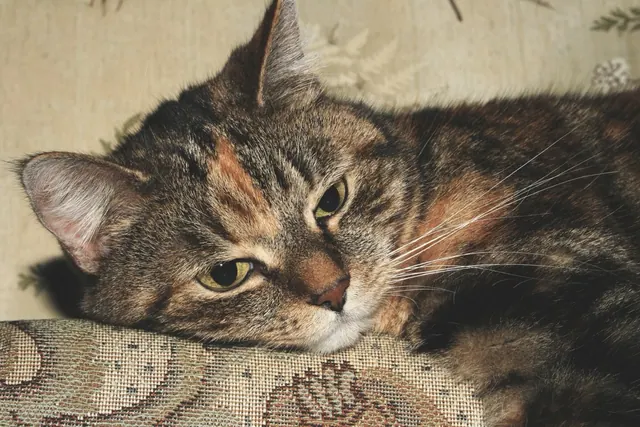
For a child, the rule becomes a sum with a floor plan attached. With two imaginary cats, it gives three of each resource. A child could sketch a home and mark where an imaginary cat might rest undisturbed, away from doors and noisy appliances, since Cats Protection lists children, dogs and noisy household appliances among the situations a cat may want to avoid. Suppose the family can identify only two quiet corners in its flat. Bring that question to adoption staff before committing to two cats. An adult still decides what the home can hold and what it costs.
Housing was part of Carolyn's plan as written. In her fundraiser, she describes a move from Florida to New Jersey, living with her mother while saving for a house for herself and the seven cats. The stated goal was a place of her own, with room to rescue and foster more animals. A household can borrow the habit by asking how a move, or a landlord's answer, would change its own plans.
Plan an ordinary week
Best Friends asks about your daily schedule and whether someone can be a secondary caregiver when you are away. Suppose a family lets a child draw the week as a grid and propose which jobs they would like to try, such as feeding, scooping and evening time with the cats. Adults confirm what is realistic. Thursday shows a gap, because the usual caregiver works late and nobody else is home. Finding that now is easier than finding it with hungry cats watching.
Prepare one room before anyone arrives
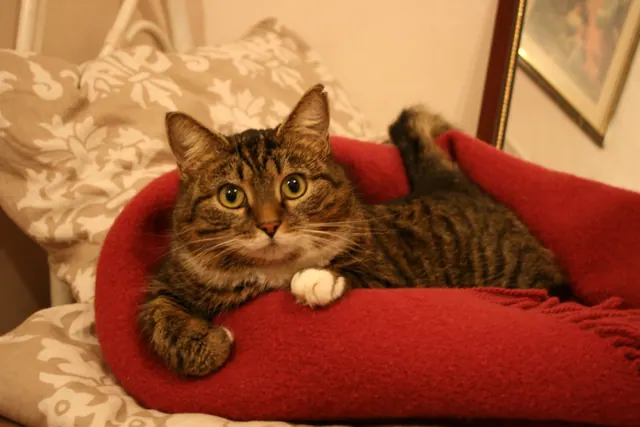
The Scottish SPCA advises confining a new cat or kitten to one quiet room at first, with windows and outside doors closed and separate areas for eating, drinking, resting and the litter tray. It suggests a hiding place such as an enclosed bed, a high shelf or a carrier, and limiting visitors until the cat settles. The cat should leave the carrier in its own time, with no forced interaction.
Best Friends includes bedding, a carrier, scratching surfaces and food and water bowls on its adoption checklist. A child could add a question about familiar supplies or routines to the list for adoption staff. The hiding spot can go on the sketch too, since Best Friends says it can be as simple as a cardboard box and describes hiding as healthy behaviour for a newly adopted cat.
The Scottish SPCA recommends supervising every interaction until a cat has settled, so the child's part stays on paper while an adult handles the cat and the adoption arrangements.
Ask about support after adoption
Talk with the adoption team about the cats you have chosen and your real plan. Best Friends describes adoption counselors who learn about your home, answer questions and help match an animal to a household, and it invites questions after adoption too. Not every shelter offers the same service, so ask what yours provides. Bring whichever helped: the grid, the sketch or the child's questions. The child can choose one question to ask aloud. If an adult ends up redrawing everything, drop the activity.
Related stories


Nina Okafor
Synthesizes learning research and age-appropriate activity guidance.