
From the archive
What an Old English Sheepdog’s Double Coat Means for a Household
Prefer Family & Pets on GoogleSee more of our stories in your results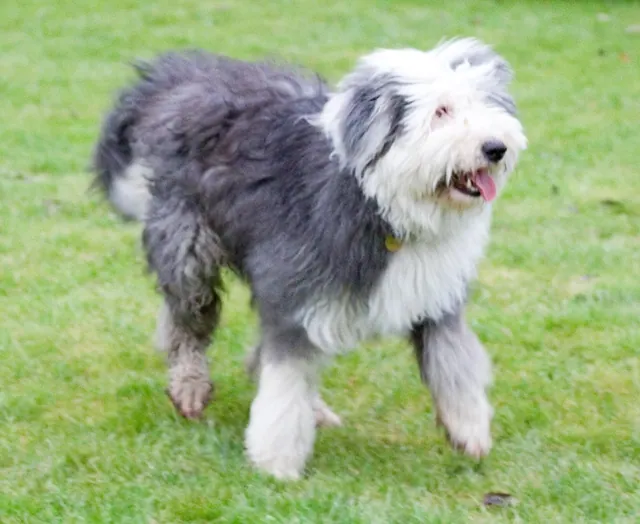
Put coat care on the calendar before you bring home an Old English Sheepdog. The American Kennel Club’s Old English Sheepdog page recommends grooming a full coat down to the skin at least once a week. A shorter pet trim still needs regular brushing between grooming visits. The first question to settle is whether somebody in your household can give the dog that time every week.
So the answer for a household is plain. The coat is a standing appointment, and it belongs on the family calendar before the dog comes home. If your week cannot reliably hold that appointment, or the budget for professional grooming visits, this breed’s coat will end up setting the terms for everyone.
What “down to the skin” asks of you
The Old English Sheepdog Club of America describes a soft undercoat beneath a coarser outer coat. A pass over the surface can make the shag look neat while leaving tangles underneath. The breed club recommends line brushing for a long coat. A groomer can show an adult how to part the coat and work through a section at a time, then what a finished section looks like before moving on.
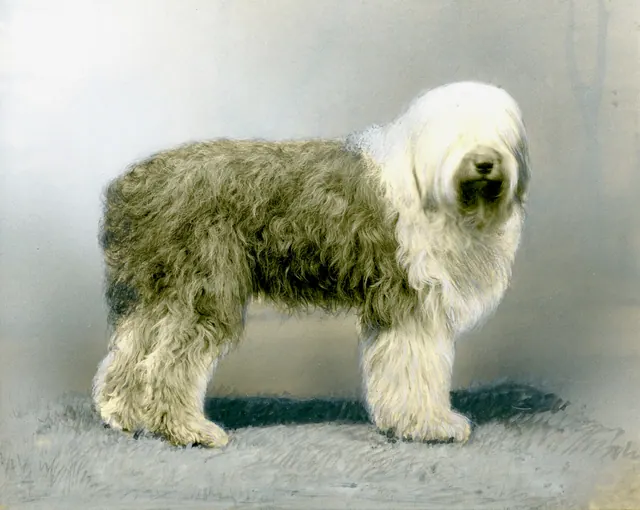
How long a session takes depends on the individual dog, the length of the coat and the skill of whoever holds the brush. Nobody can give you a reliable number in advance. Time your first several sessions, then plan from your own results.
Full coat or pet trim: choosing what to spend
The coat decision is really a decision about which resource you would rather spend: your hours, your money, or some of each. A full coat keeps the breed’s classic look and puts most of the weekly work in your hands, or in a groomer’s. A shorter pet trim reduces how much hair there is to work through, but it does not remove the job. The AKC page still calls for regular brushing between grooming visits, so a trim swaps some home time for recurring appointments, and those appointments need booking, transport and payment.
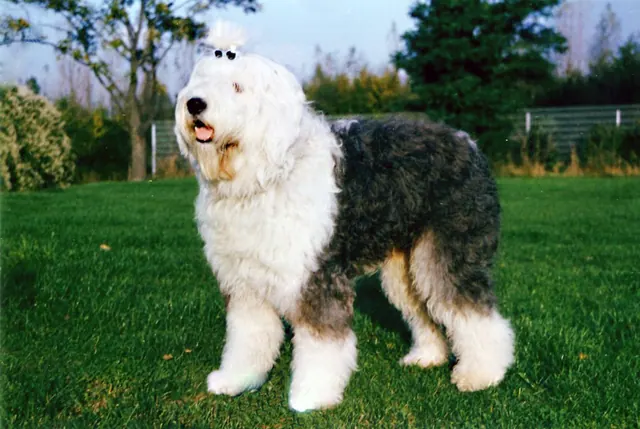
Neither choice is the wrong one. The mistake is picking the full coat for its looks and then discovering that nobody in the house has the weekly time, or picking a trim and assuming the brush can go back in the closet. Decide which cost you can actually carry in an ordinary month, not an ideal one.
A large, agile dog in a family house
The AKC page describes the Old English Sheepdog as a large, agile herding dog, and that description affects grooming as much as it affects living space. A big dog needs a spot where it can stand, turn and be handled without sliding on a smooth floor or bumping furniture. A dog that is not used to being touched all over will make a thorough, skin-level session harder for everyone. Handling practice is easier to build in very short, rewarded sessions that end before the dog gets restless, well before the first full grooming.
Choose somewhere you can sweep after the work is done. Put the things you use for brushing within reach before the dog comes over. If you need to move a chair, clear a table and look for a towel every week, setup becomes its own chore. Pick the space on a busy evening so you know how much trouble it will be on an ordinary day.
Where children fit in
One workable plan is to give the brushing to the adults. Children can help with the routine away from the brush. You might ask one to put the next appointment on the calendar or lay out the towels before the dog comes over. Those jobs make a real difference when everybody gets home late and you still need time to set up.
A child who likes making lists can check off the supplies before the session and remind the household who put their name next to the next one. Sweeping the area after the dog and the adult have left is another concrete job. Let the person doing it pick which job fits the time they have.
The point of those jobs is to make coat care part of the household’s routine. They need not happen while the dog is being groomed. Choose a job with an obvious finish, like putting the broom away or checking the appointment time. On a busy weekend, knowing which tasks are already done helps the adult make room for the brushing itself.
Make a plan for a missed session
Plan for the week when the usual adult is out or gets home late. Decide who can step in, and leave the grooming space ready for them. A shorter session may be more manageable if the adult knows where to stop and where to resume. Ask a groomer about a plan if you cannot keep up, especially if the coat is already getting tangled.
If the coat is getting difficult to brush, ask a professional groomer what arrangement would work for that dog. The breed club recommends regular attention to a full coat. It is useful to have that conversation before you miss several weeks, while you still have choices about the schedule and length of the trim. A groomer can help you compare a full coat and a shorter trim for the time your household has.
What to ask a groomer
A household that pays a groomer still needs to decide what happens between visits. Ask how often a pet trim should be maintained for this dog and which areas need the most attention at home. Get those answers before comparing prices. Two households can make different arrangements and both keep up, provided somebody knows when the next bit of work is due.
Try it on the calendar first
Before bringing the dog home, try putting four weekly brushing sessions on your calendar. Choose an adult who can do the work and a backup for the week that goes wrong. If you are considering a shorter trim, ask a local groomer for a realistic appointment schedule and price. You will learn more from a schedule that includes transport and brushing at home than from a monthly cost on its own.
If the four sessions fit, you have the start of a routine. If they keep moving because another job takes priority, take that seriously while you still have choices. A long coat or a pet trim can both be good arrangements when the dog has somebody who can keep up with it.