Animals
A Six-Million-Year-Old Turtle Fossil Showed Possible DNA Traces
The shell wasn't the only part of this Panama turtle fossil worth a look. Under a microscope, researchers found preserved bone cells. Inside some were structures that responded to a DNA stain. Their 2023 paper called the material potential DNA, from a turtle roughly six million years old. That is an intriguing possibility. It isn't an ancient genome they have managed to read.
A Shell From Panama's Caribbean Coast
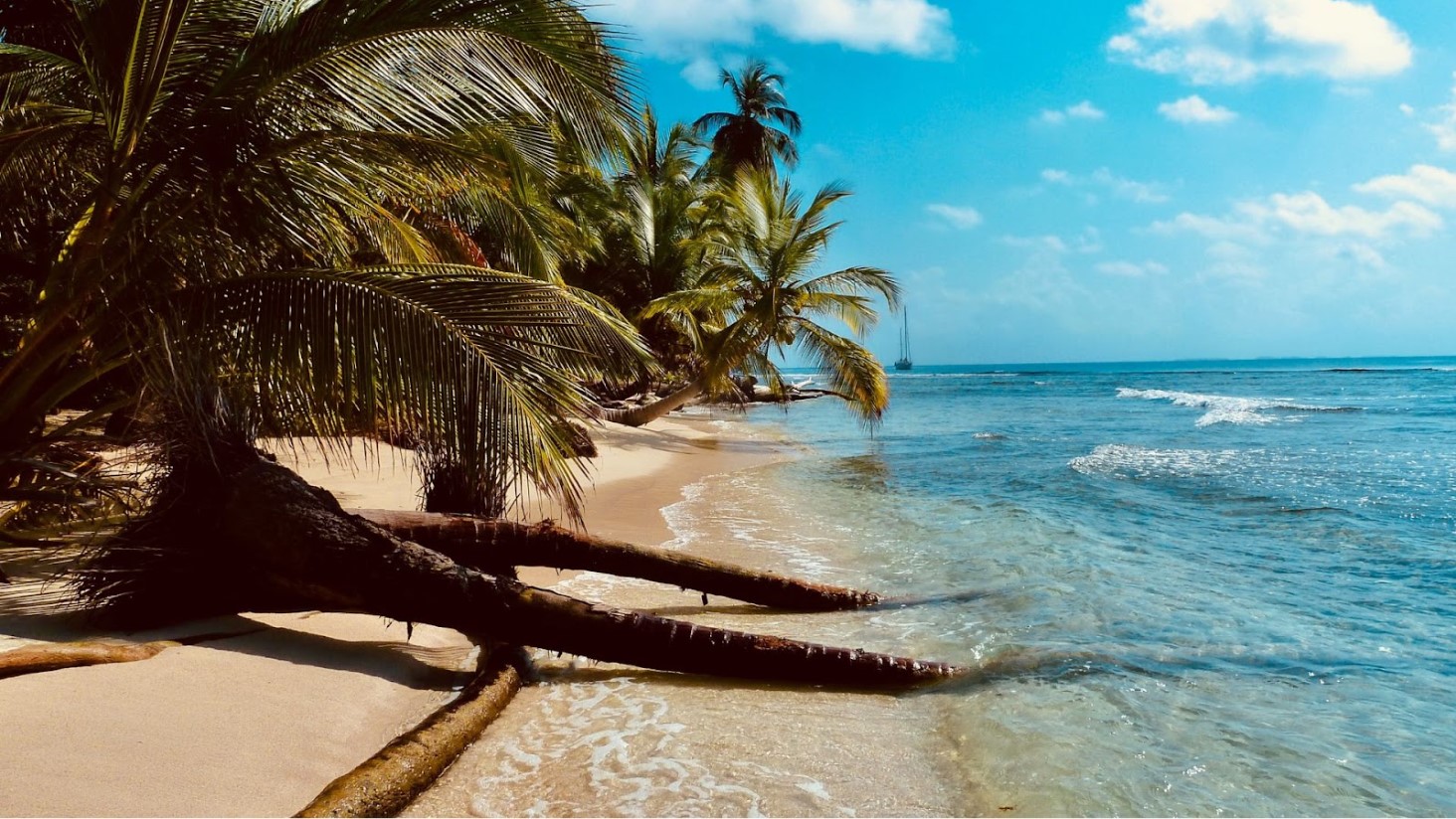
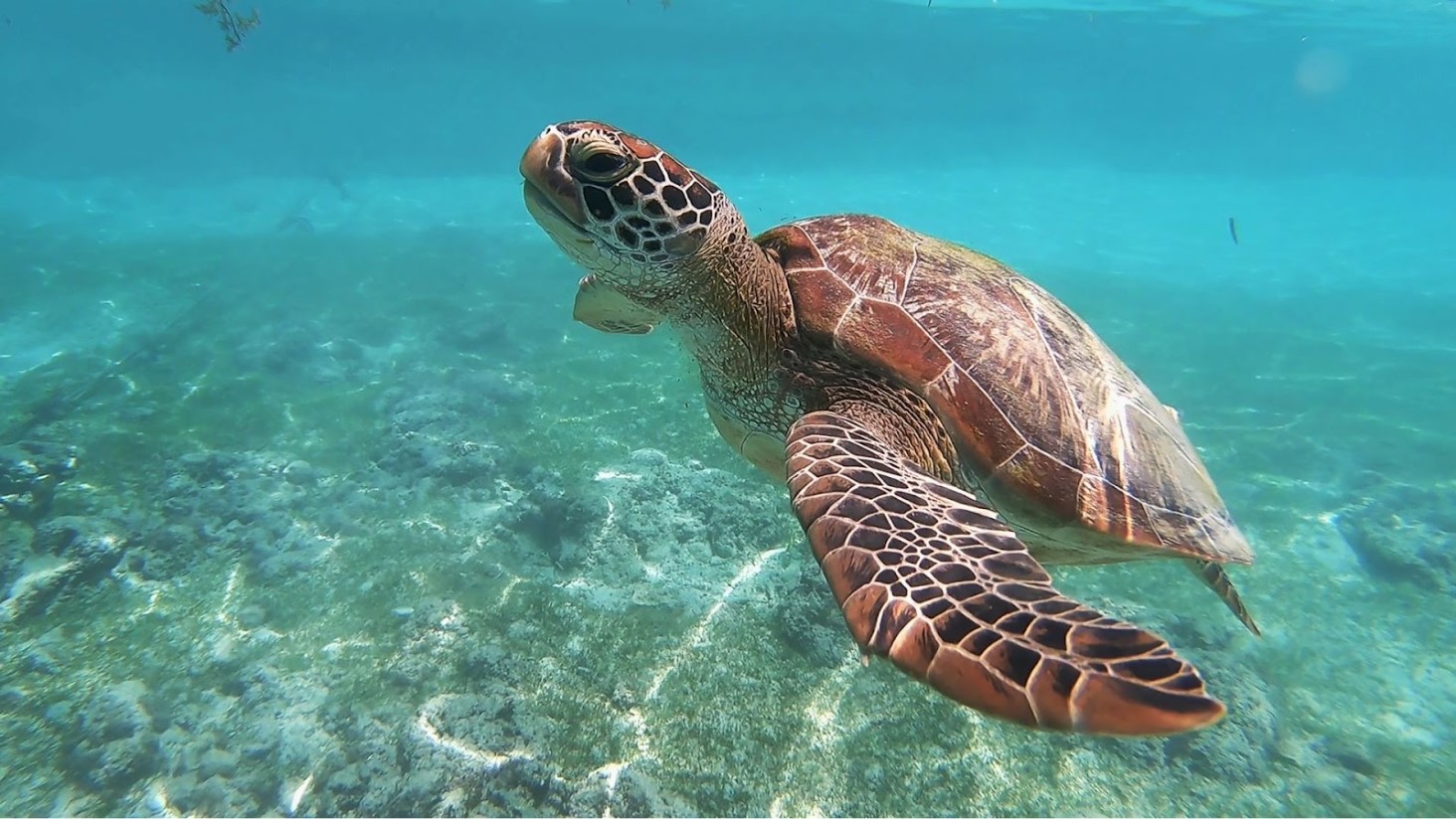
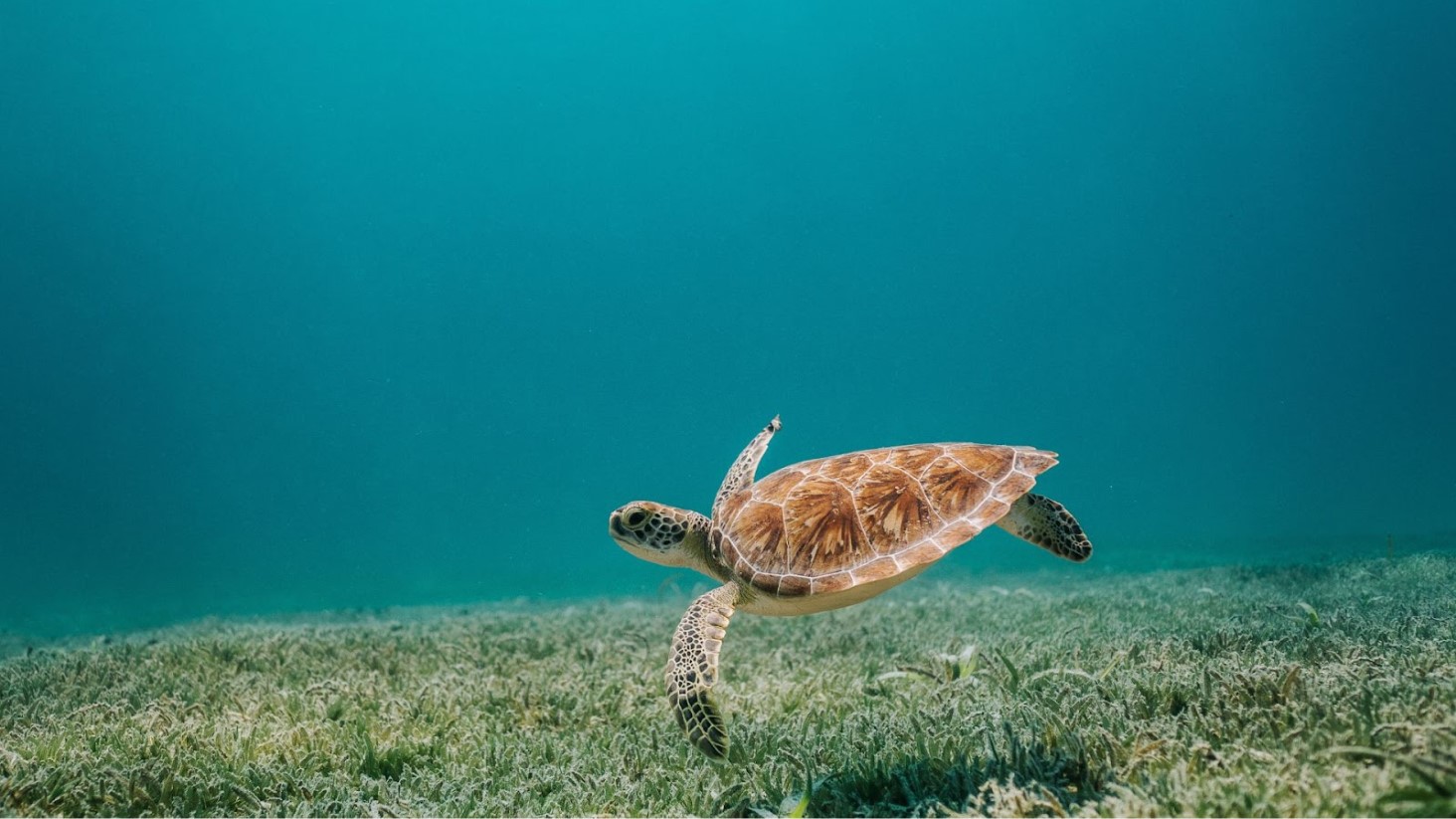
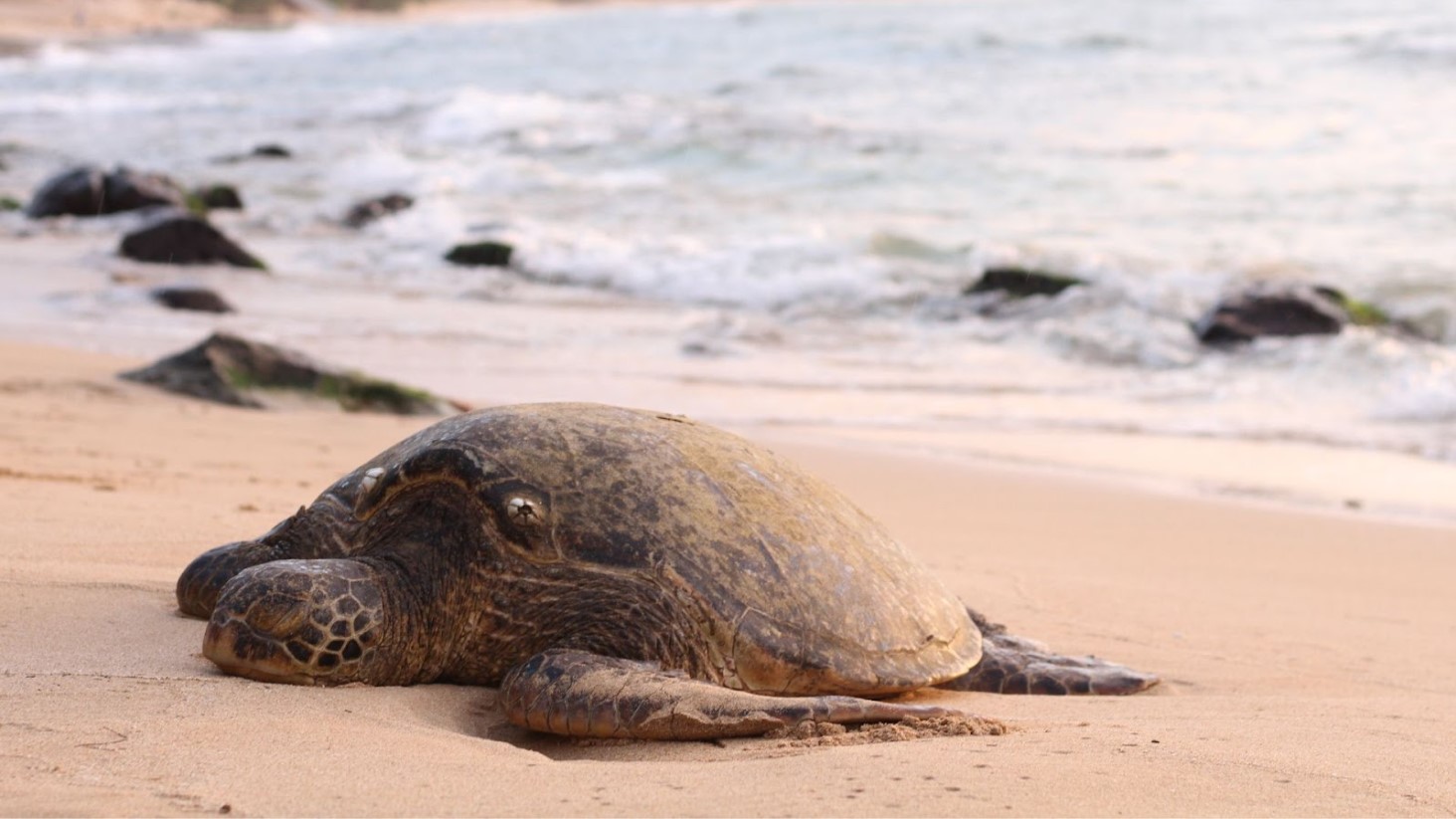
The fossil came from the Chagres Formation on Panama's Caribbean side. It was incomplete, although enough of the upper shell, or carapace, survived for researchers to study its form. The remains placed the animal in an ancient marine setting. The living turtles pictured here are illustrations, not reconstructions based on recovered genes.
A Closer Look at Bone Cells
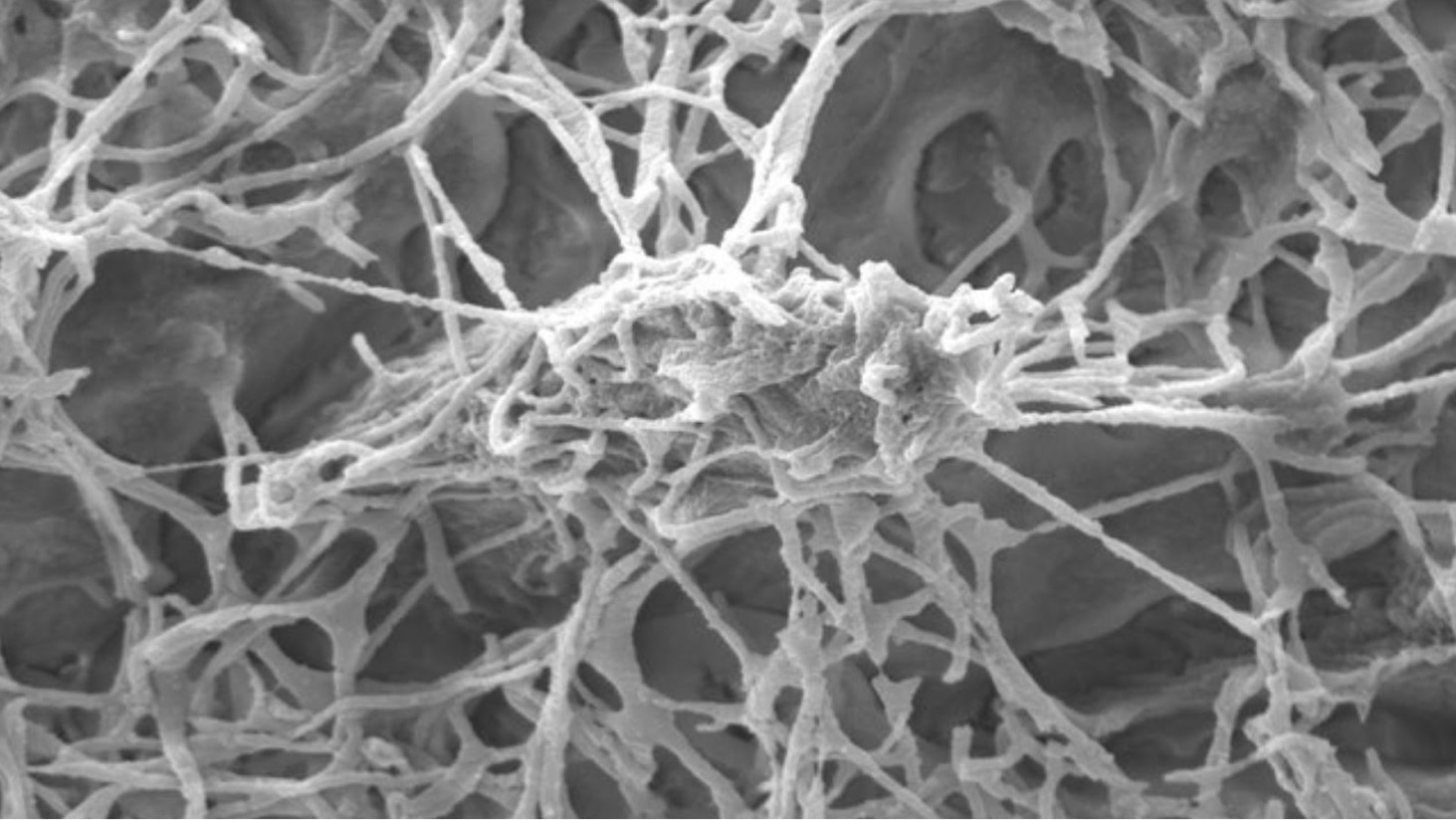
The team examined osteocytes, the cells found within bone. Some had internal structures resembling nuclei. Certain structures reacted to DAPI, a fluorescent stain used to detect DNA. The wording in the research paper is cautious: these are nucleus-like structures with potential DNA. It does not describe a complete set of intact, working cells.
A Stain Isn't a Sequence
Lead author Edwin-Alberto Cadena stressed that his team hadn't extracted DNA. A staining reaction and a readable genetic sequence are different kinds of evidence. The first may point researchers toward material worth investigating. The second would give them genetic letters to compare. This study reported the former, leaving the proposed traces to be examined further.
A Different Ancient-DNA Discovery
A 2022 Greenland study recovered environmental DNA from sediments about two million years old. Its authors analysed sequences to reconstruct a past ecosystem. That result is useful context, but it isn't the same experiment as staining cells in a fossil shell. The two dates should not be lined up as though both studies recovered the same kind of evidence.
Why Dinosaur Comparisons Need Care
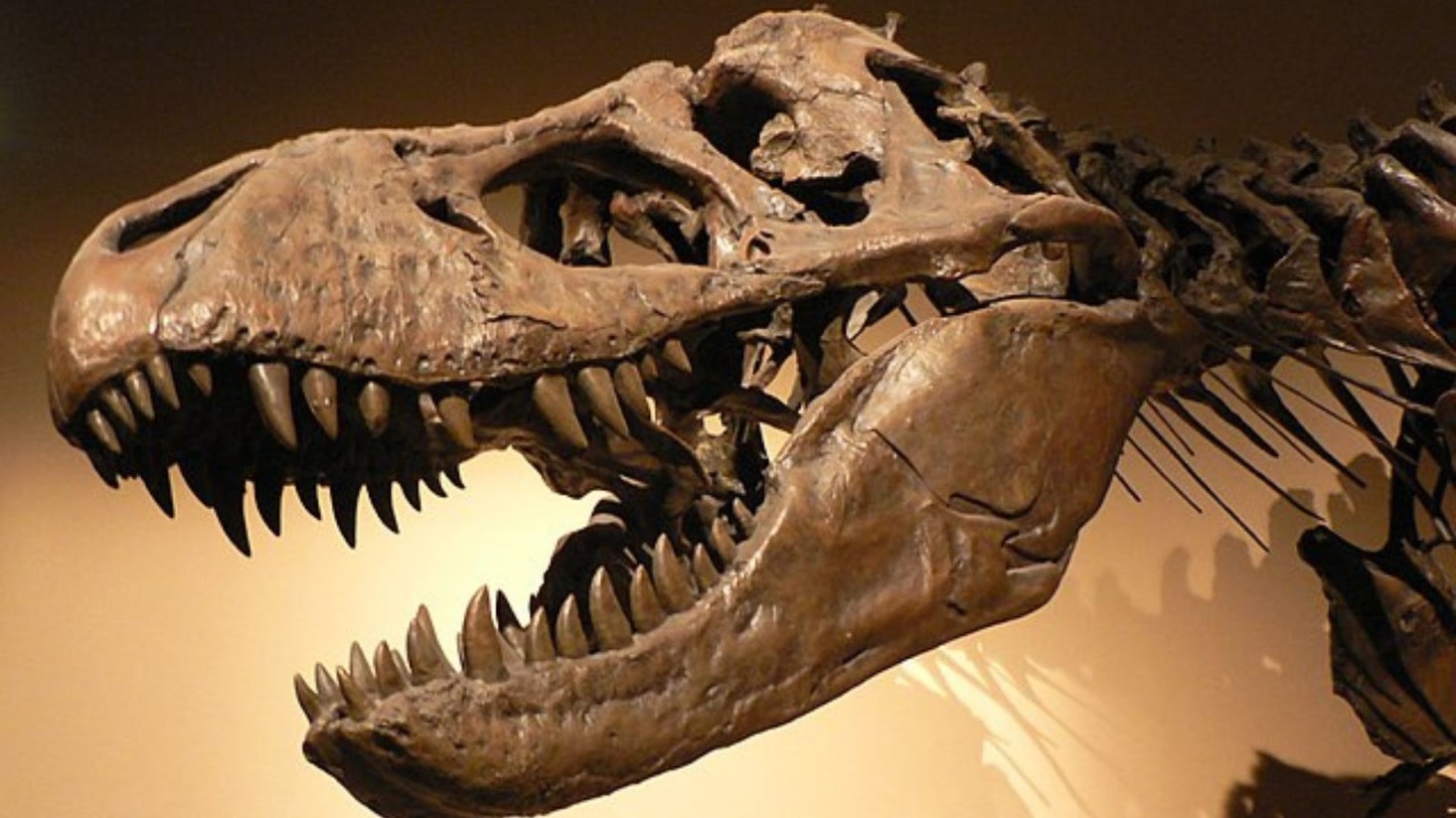
Reports of possible molecular traces in other fossils have attracted similar interest, including work on dinosaur material. That doesn't make a dinosaur skeleton a source of an established, readable genome. Nor does another fossil's age prove the origin of the material in this turtle. Each claim depends on what was actually tested in that specimen.
A Relative of Today's Ridleys
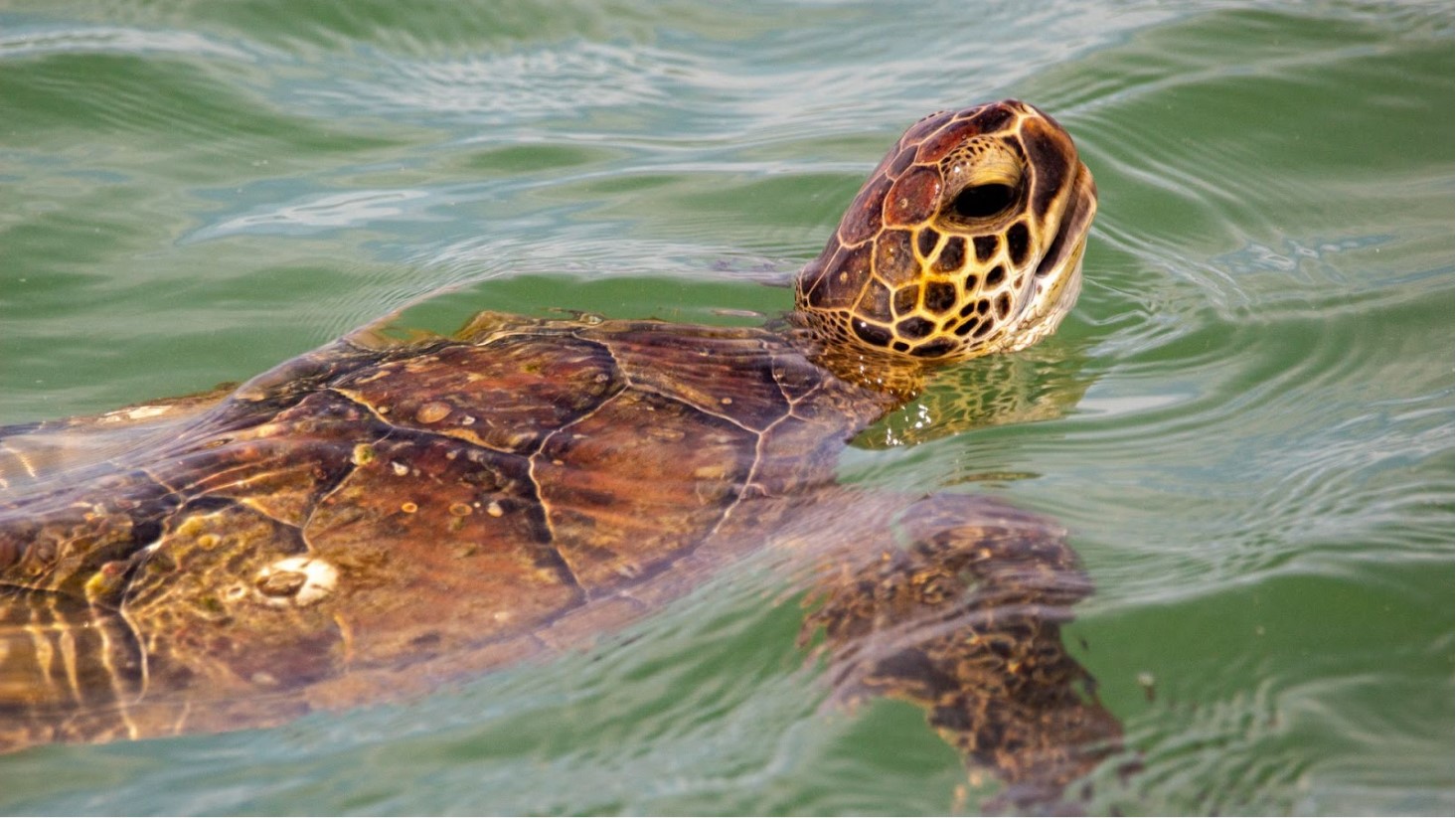
The shell was assigned to Lepidochelys, the genus that includes Kemp's ridley and olive ridley sea turtles. These are two living sea-turtle species, not two names for the same animal. NOAA's olive ridley profile describes its tropical distribution. The fossil's connection to the genus came from anatomy, rather than a DNA family tree assembled by the study.
The Species Name Stayed Open
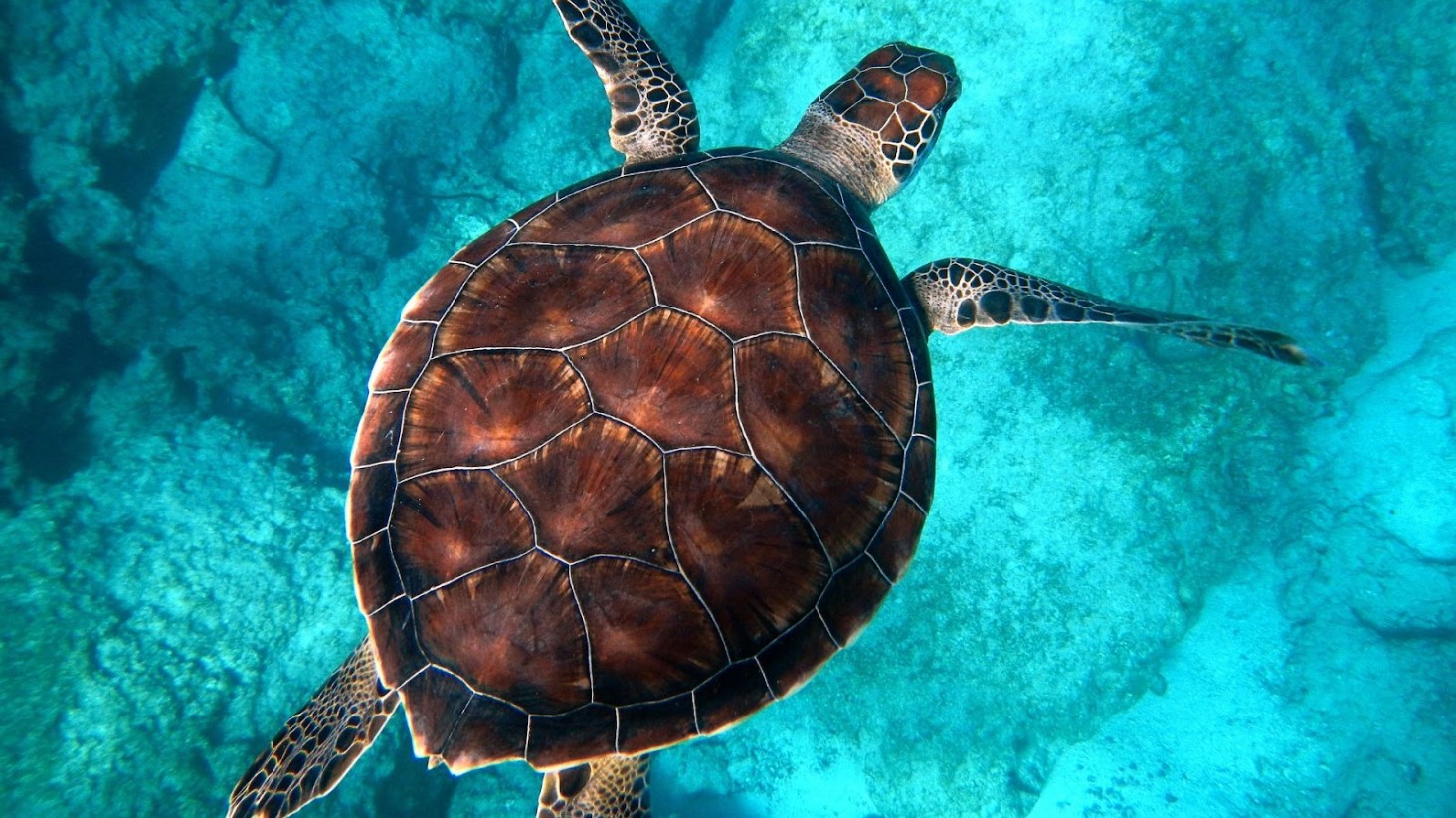
The team could identify the genus without assigning this incomplete fossil to a particular species. That is why it is described as Lepidochelys sp. The unfinished species name marks a limit in the evidence. It doesn't make the shell uninformative: its anatomy and age still add to the genus's fossil record.
Preservation Varies From Place to Place
Not every nucleus-like structure reacted to the stain. The researchers considered several explanations, including material being sealed inside a cell or DNA being too degraded to react. The unanswered part is worth keeping in the story. Good preservation gave the team something to examine; it didn't make every cell give the same result.
What More Work Would Need to Show
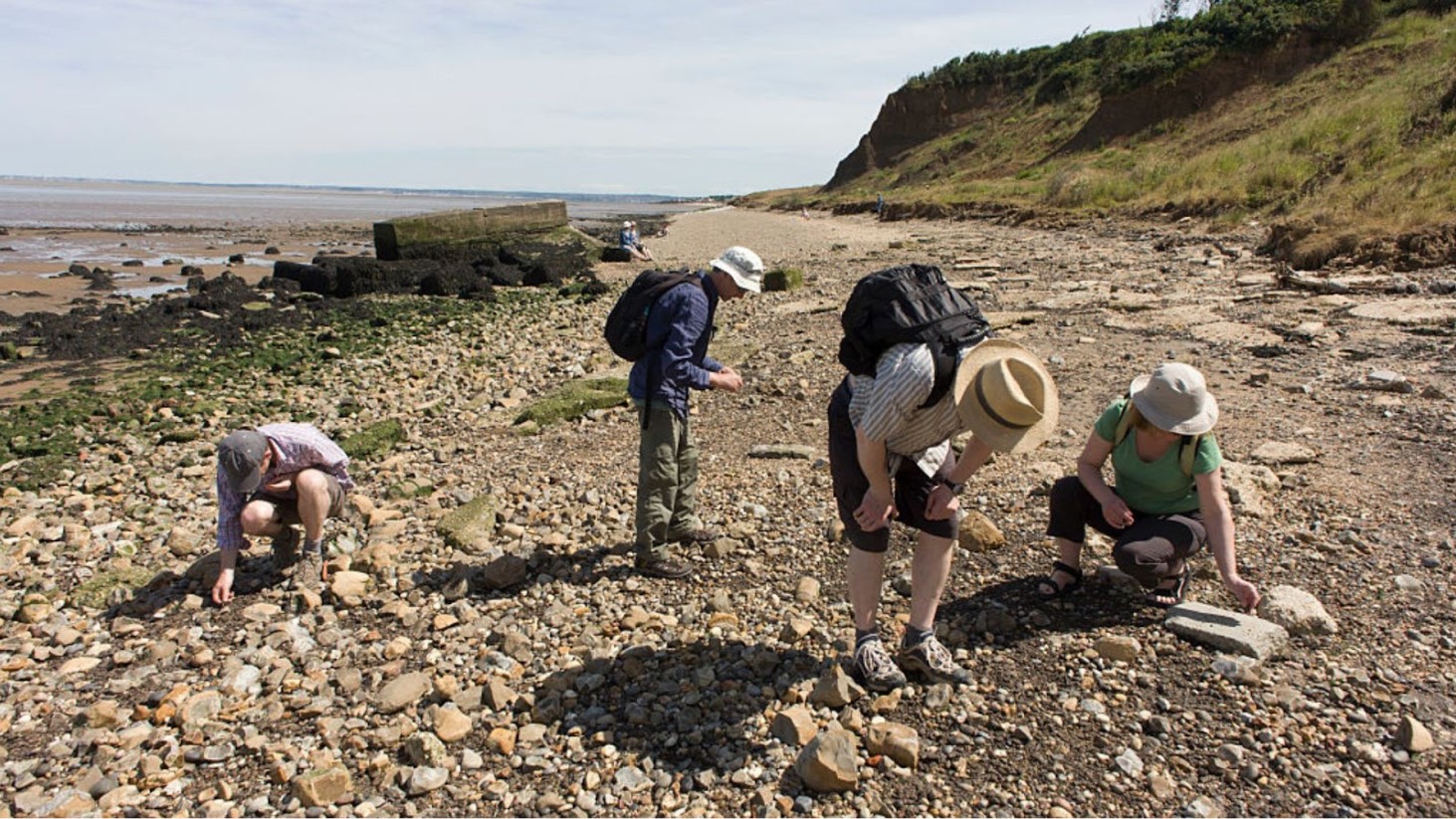
Recognizing a possible trace is an early step. Recovering and checking sequences would be another, if suitable material could be found. Cadena raised the prospect of reading small pieces in future work. That was a research possibility, not something accomplished in the 2023 paper, and not a promise that an entire turtle genome could be rebuilt.
The Fossil Matters Without a Genome
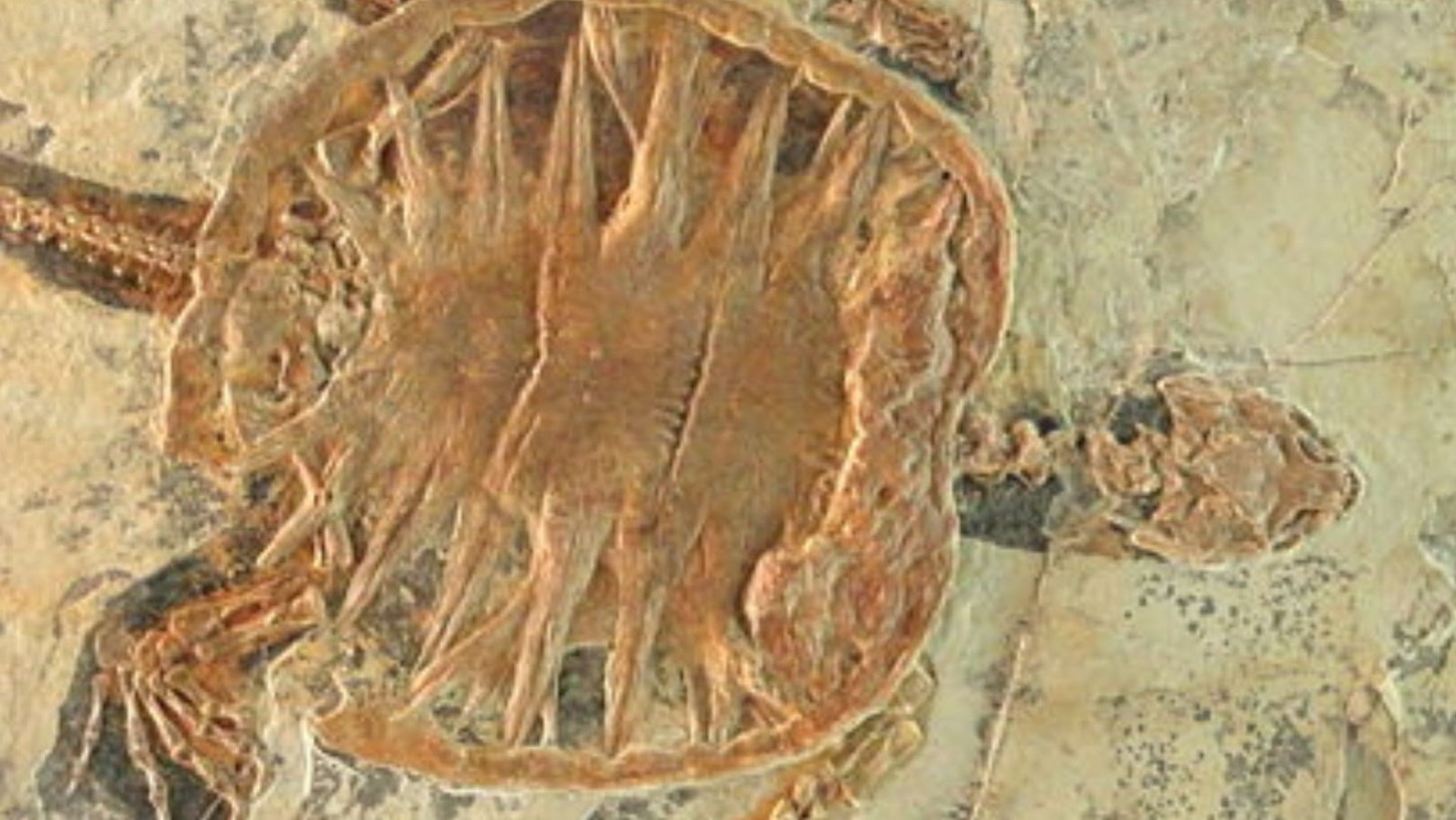
Set the possible DNA aside for a moment and there is still a shell to study. It belonged to a sea turtle in ancient Panama. Comparing its shape with other specimens helps researchers place it among its relatives. The molecular question adds to that work; the shell didn't need a readable genome to be worth collecting.
A Find With Two Questions
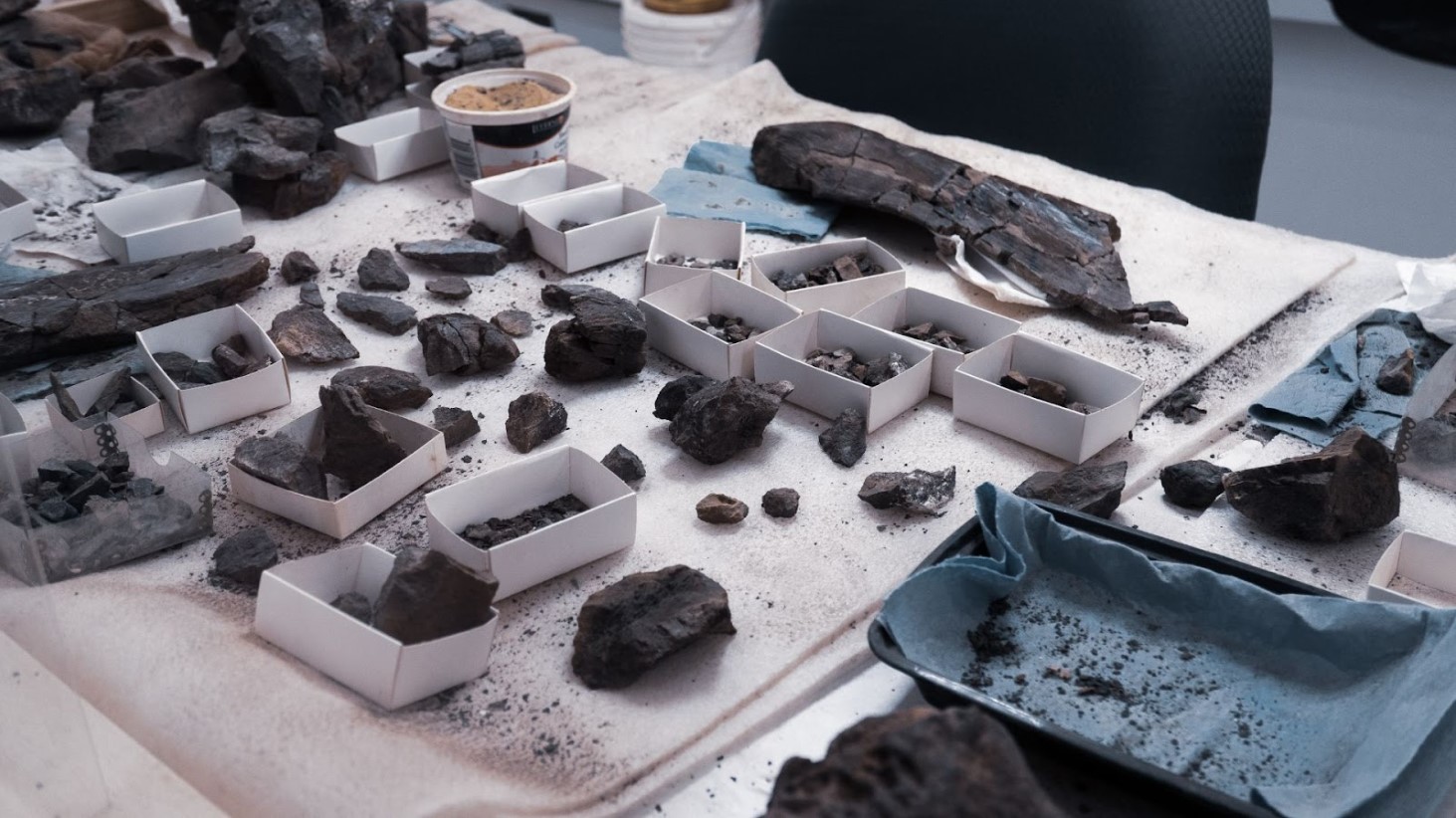
The shell helps place this turtle among the ridleys. The reaction inside some bone cells raises a second question: could any of its DNA have survived? The team reported no sequence from this fossil to read. That leaves a worthwhile result and an unfinished investigation, rather than a six-million-year-old genome on a computer screen.