Animals
Four Ways to Reduce Deer Damage in Your Garden
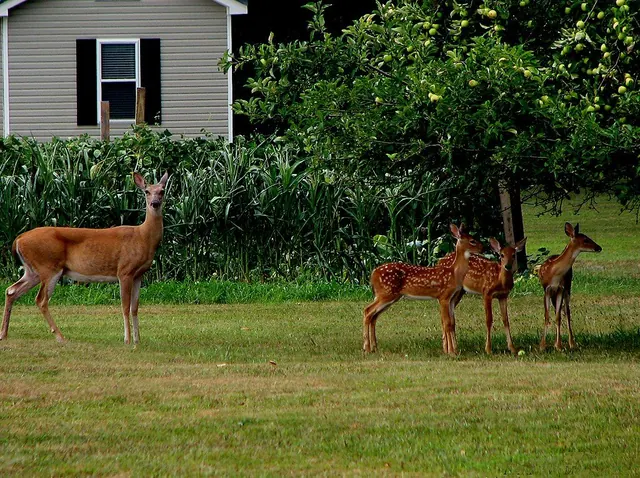
Fences and repellents have different limits
A fence can keep deer away from your vegetables and shrubs, but its height and fit matter. Iowa State University Extension recommends a general barrier at least eight feet tall, extending right down to the ground. It calls physical exclusion the most effective protection. Woven wire is reliable; netting is more easily damaged.
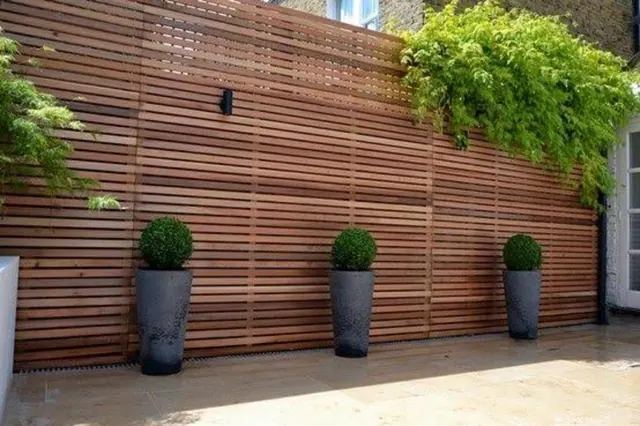
You don’t have to enclose the whole garden to protect a few plants. Individual cages can work if you leave the foliage out of reach, rather than letting leaves poke through where deer can eat them. Shorter privacy fences and small enclosures sometimes succeed, though they won’t suit every situation.

Repellents offer only partial protection. Apply one as soon as damage appears, Penn State Extension advises, before deer develop a feeding habit. Weather and fresh growth can mean another application is needed; follow the label’s directions. Before putting any on your vegetables, make sure it’s permitted on food crops. Some products are intended for other plants.
Bar soap and hair have been reported to discourage deer. South Carolina’s wildlife guidance says research doesn’t support those claims. If you’re choosing protection for a garden bed, those reports don’t establish that scattering soap will protect your plants.
Sprinklers and plant choices can reduce browsing
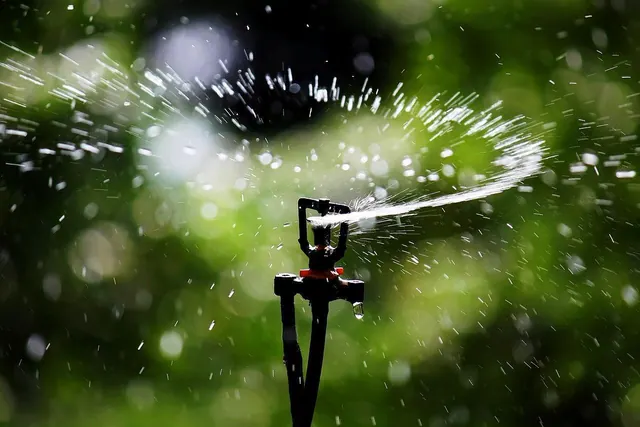
A motion-activated sprinkler can startle deer approaching your plants. Iowa State University Extension says the relief is often temporary: deer may get used to the device or learn to feed beyond the sensor’s reach. Watch where fresh browsing appears. That can help you decide which plants need protection beyond what the sprinkler provides.
You can also choose plants deer are less likely to eat. Lavender, lamb’s ear and Christmas fern appear in Cornell Cooperative Extension’s Franklin County guide as rarely damaged. That rating describes browsing, and it gives you a starting point when choosing plants for a bed that deer visit.
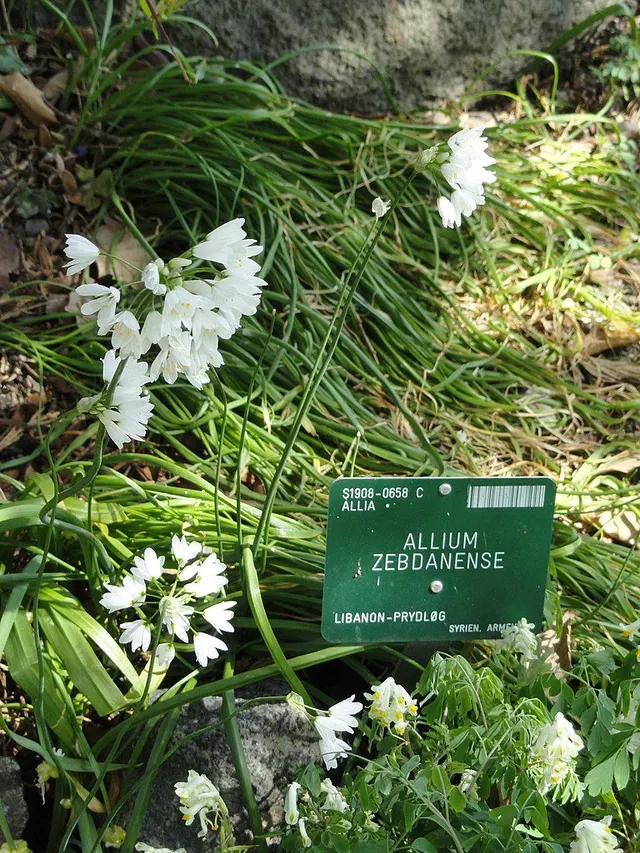
There are limits to the list. Cornell notes that its sources aren’t all equally reliable and that no plant is completely deer proof, particularly where deer numbers are high. Iowa State adds that preferences change with location, the local deer population and the other food available. Nearly any plant may be browsed.
When you’re planning a bed, think about where deer usually walk through your yard and which plants they tend to eat. Keep those favorites away from their habitual routes. If you still want to grow them, choose a spot where they’ll be easier to protect.