
Family life
4 Decorating Projects to Plan Before You Buy
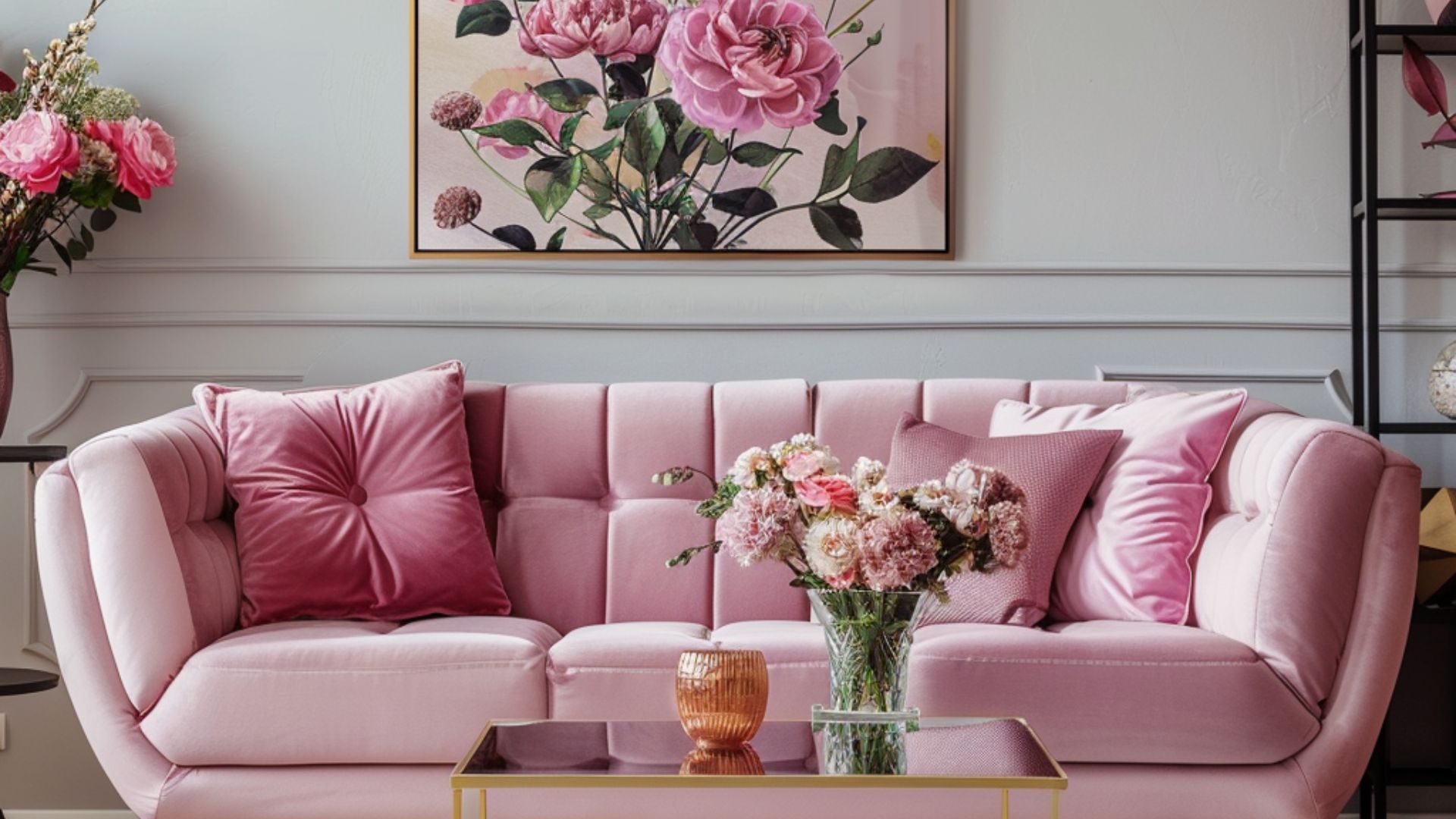
Have a look around the room before you start shopping. Where would a plant go, and does that spot get the right light? Would a mirror reflect something you want to see? Those questions help with the four projects below. You can try one without replacing everything else in the room. For wallpaper and window coverings, measure and check the fitting instructions first. If you rent, ask what changes are allowed before doing work on the walls.
1. Choose a plant that belongs in the room
Decide where the plant will stand before choosing it. A shelf, a side table and a floor pot give you different amounts of space, light and room for leaves to spread. Look at the care label, and choose a container you can keep stable. For a house with pets, there's another check to make: the ASPCA's toxic and non-toxic plant list. Search the exact species, not just a similar common name. Spider plants are listed as non-toxic to cats and dogs, though chewing plant material can still cause stomach upset. One suitable plant is enough to start with.
2. Test removable wallpaper first
Pick up a sample before buying enough wallpaper for the room. Look at it beside your furniture and check it with the lights on as well as in daylight. One patterned wall may be all you want.
Next, read the maker's surface and removal instructions. Tempaper warns that matte or flat paint can make removal less clean. Test a discreet area, and check permission if you rent. Measure before ordering, remembering that matching a repeating pattern can use extra paper. Those checks matter more than the promise suggested by a removable label; it won't behave the same way on every wall.
3. Work out how to secure a mirror
Before buying a secondhand mirror, check whether the frame is sound, the glass is intact and the fittings are there. Then measure where you'd like it to go. A large mirror isn't something to lean against a wall and forget about; some floor-standing models must be anchored too. IKEA's HOVET is one example with that requirement. Follow the instructions for the mirror you choose, using fittings appropriate to its weight and your wall. Ask a professional if you're uncertain about the installation. Once those practical checks are covered, decide whether you like the view it reflects.
4. Compare blinds and curtains for the room
In a home with young children, start with cordless window coverings. The CPSC calls them the safest option because accessible cords can strangle a child. That applies to the choice of covering as well as where you put furniture a child could climb. Keep it away from windows and follow the installation instructions. With that decided, look at how much light and privacy the room needs. Compare a sample of the blind or curtain fabric in the space, then measure before ordering. Work out the complete cost of fittings and installation too; neither style is automatically the cheaper one.