
Family life
4 Garden Shortcuts to Check Before You Try Them
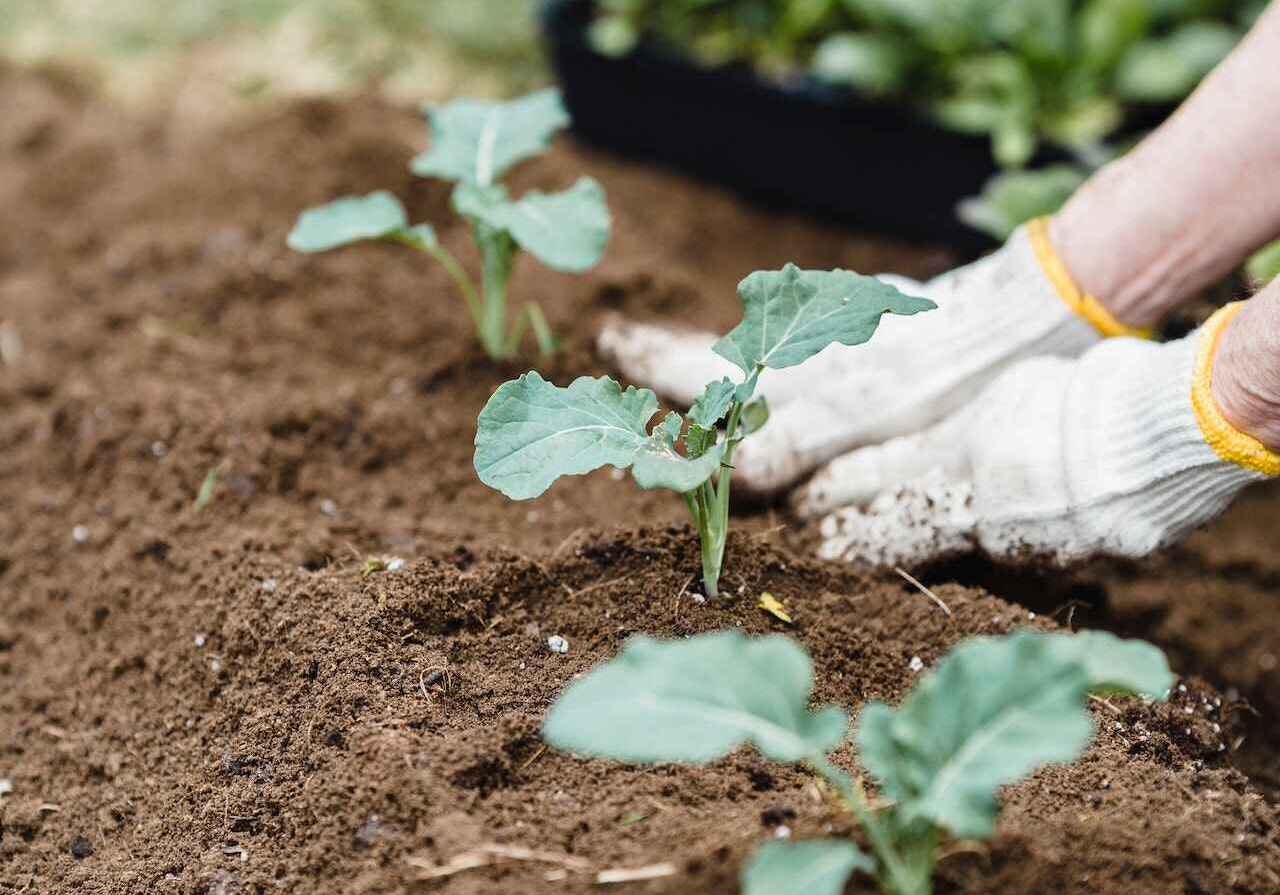
An empty milk jug might earn a second job in the garden. A lemon peel or a jar of pepper needs a closer look before it joins the planting routine. These four familiar shortcuts mix useful reuse with claims that ask too much of kitchen scraps. Start with suitable compost, drainage and water, then identify any pest problems.
Identify the Pest Before Reaching for Pepper
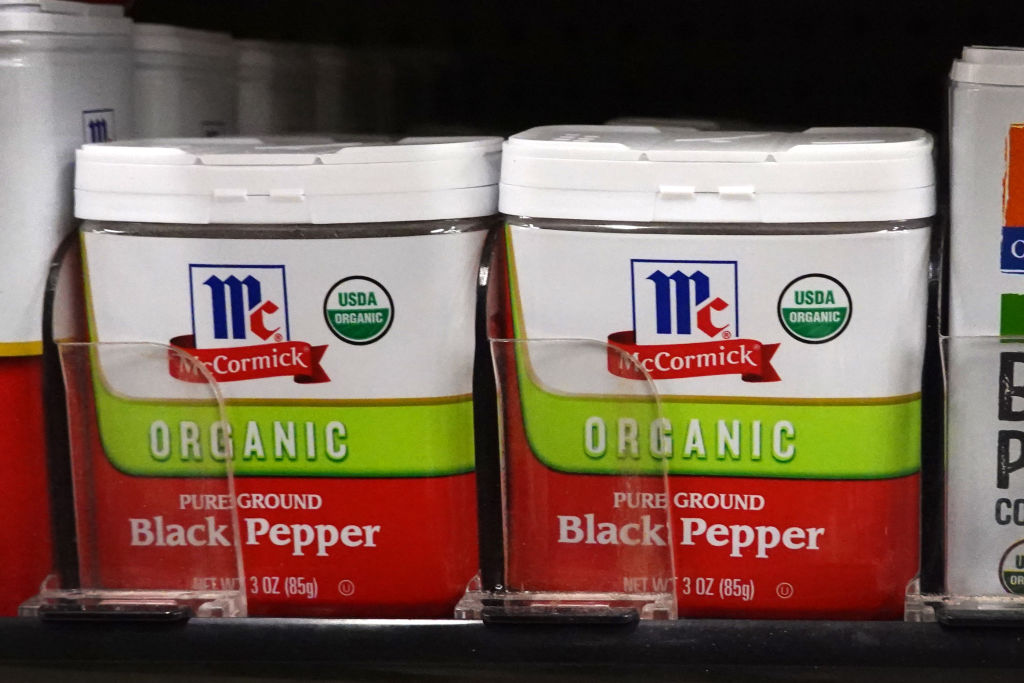
Before shaking pepper over a plant, find out what's eating it. Look at the damaged leaves and try to identify the insect. University of Minnesota Extension has guides for that first step, which is much more useful than treating every hole the same way.
A jar from the kitchen isn't a tested answer to every garden pest. Match any treatment to the plant and the problem, including whether a treatment is needed at all.
Give a Clean Milk Jug Another Job
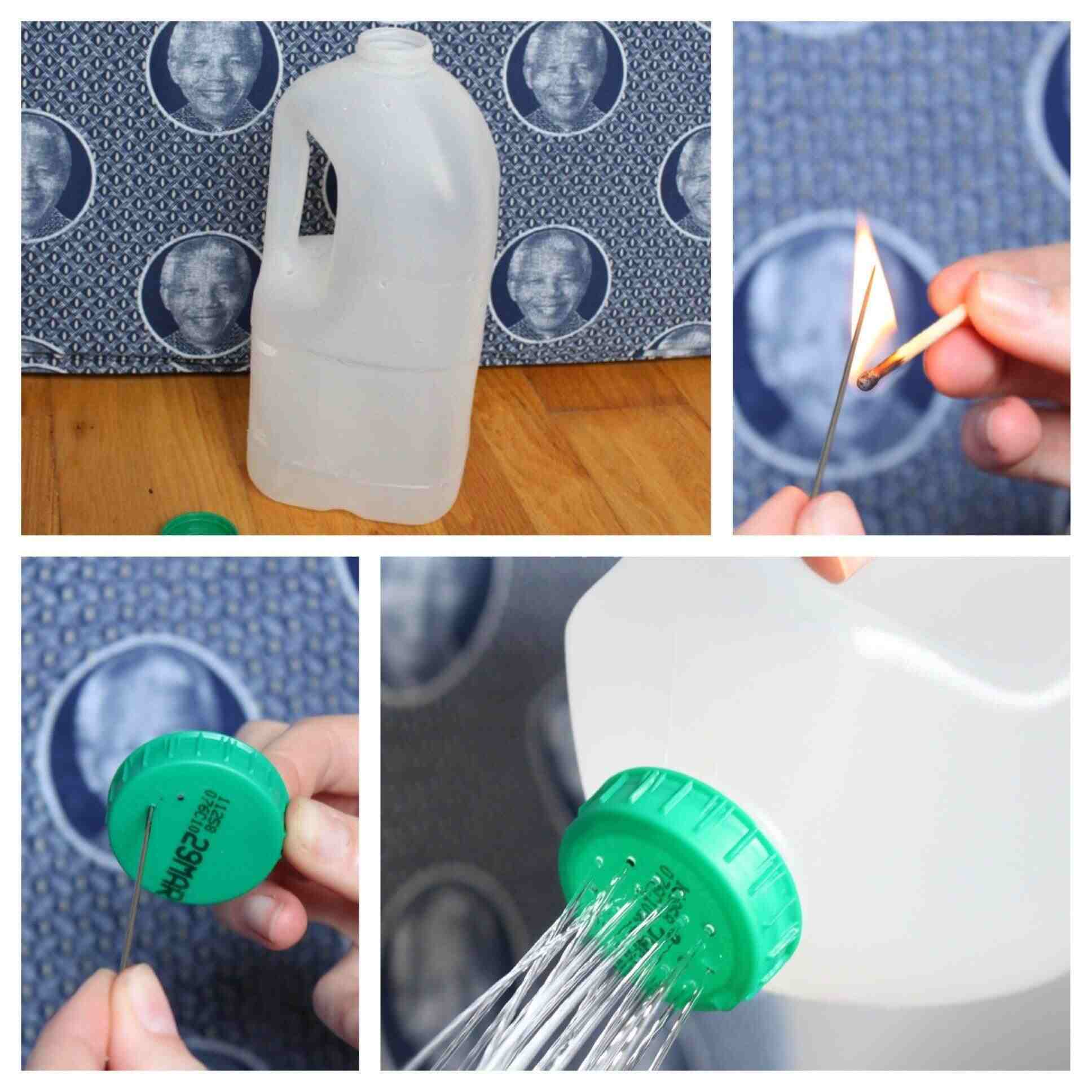
Rinse out an empty milk jug and you have a container with a handle already attached. Small holes in the cap can turn its single stream into several little ones. Have an adult do the cutting or drilling with suitable tools.
Try it away from the seedlings first. If water gushes out, you haven't gained much control. If it barely drips, the cap needs another look. It's a simple hand-held watering container, with you still in charge of pouring.
Choose a Pot for the Seedling, Not the Photo
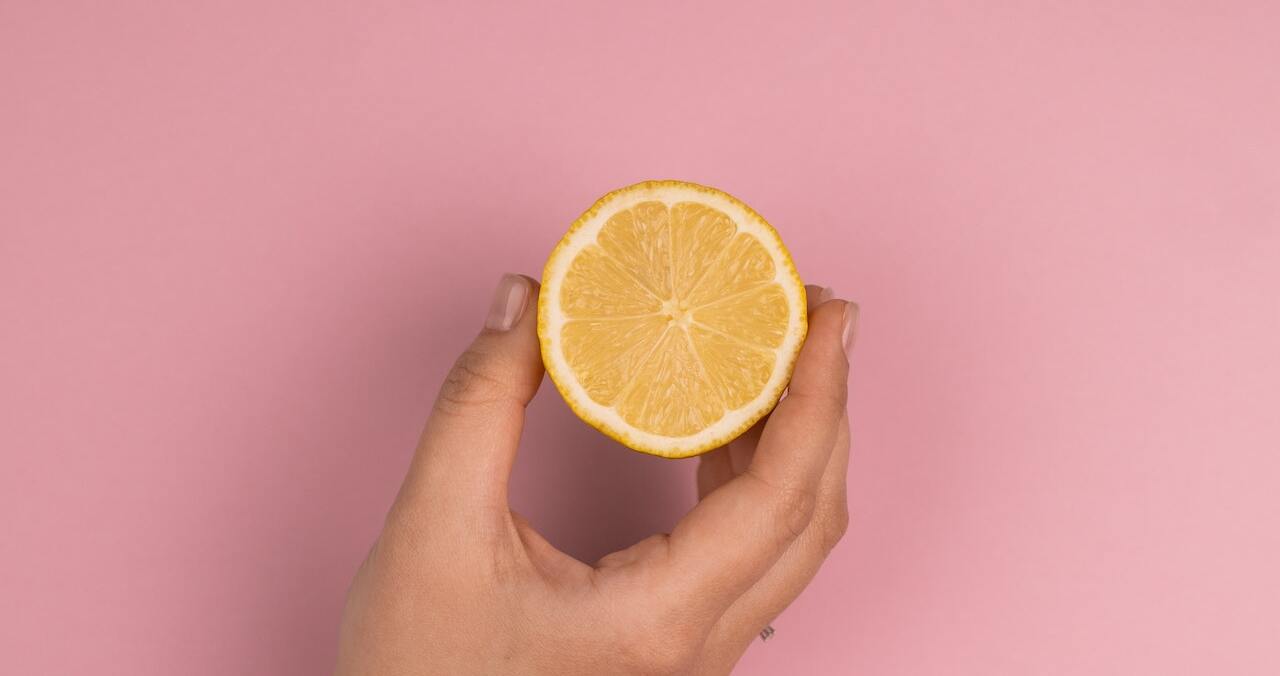
A lemon half makes a photogenic container. It also leaves you with a very small space to fill with compost. There's no measured plant feed in that setup, and drainage still has to work.
The RHS sowing guide lists ordinary pots, seed trays and recycled containers. Add drainage holes where needed and use suitable seed compost. If the lemon peel is what you have, treat it as a novelty trial and keep an eye on the roots and water.
Check What a Buried Bottle Actually Waters
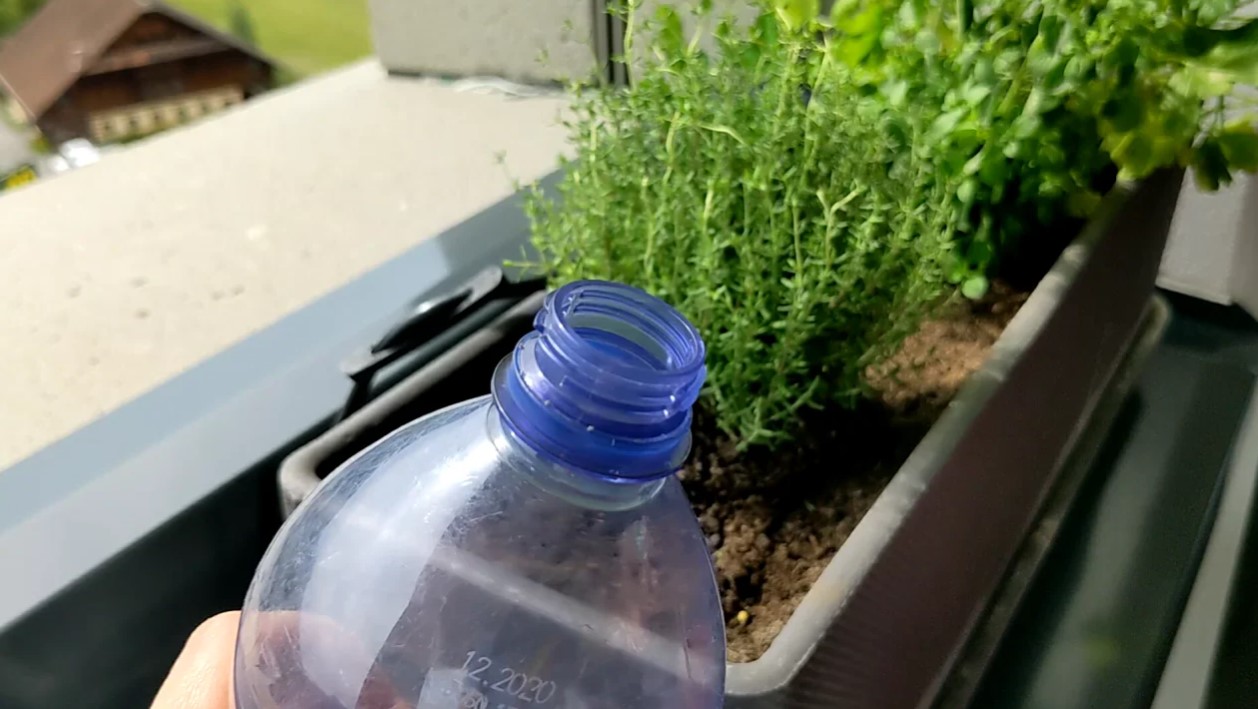
An empty bottle doesn't prove the whole root area has had a drink. Water may have escaped quickly beside one hole while the soil farther away stayed dry. Try the bottle where you can check the result.
Hole size, soil and the cap can all affect flow. Follow RHS container guidance on watering and drainage, then check the soil around the plant. A bottle is a tool to test, not a reason to stop looking.