
Family life
4 Sponge Projects, From Envelope Sealing to Printing
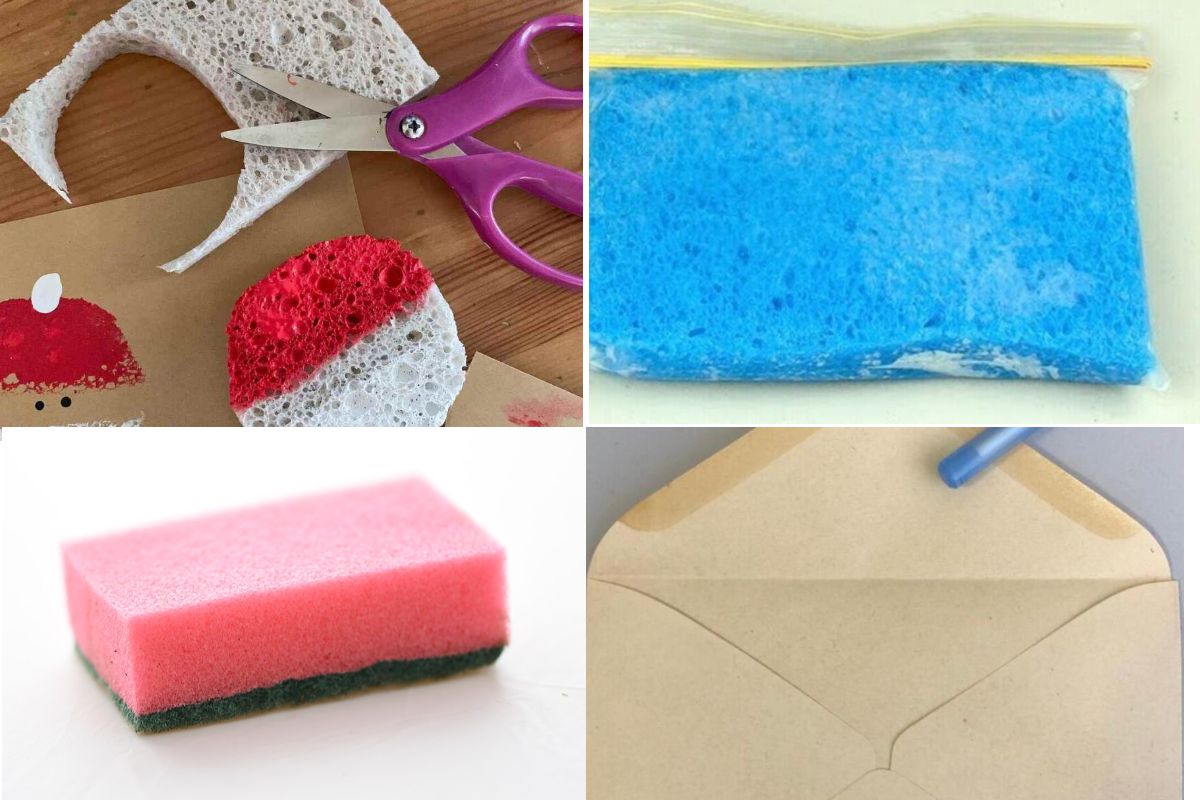
A clean sponge can earn a place at the craft table or beside a stack of envelopes. The used one by the sink? Keep that out of these projects.
Here are four ways to put a spare sponge to work, plus a growing project that needs a closer look before you try it.
A Closer Look at the Growing Trick
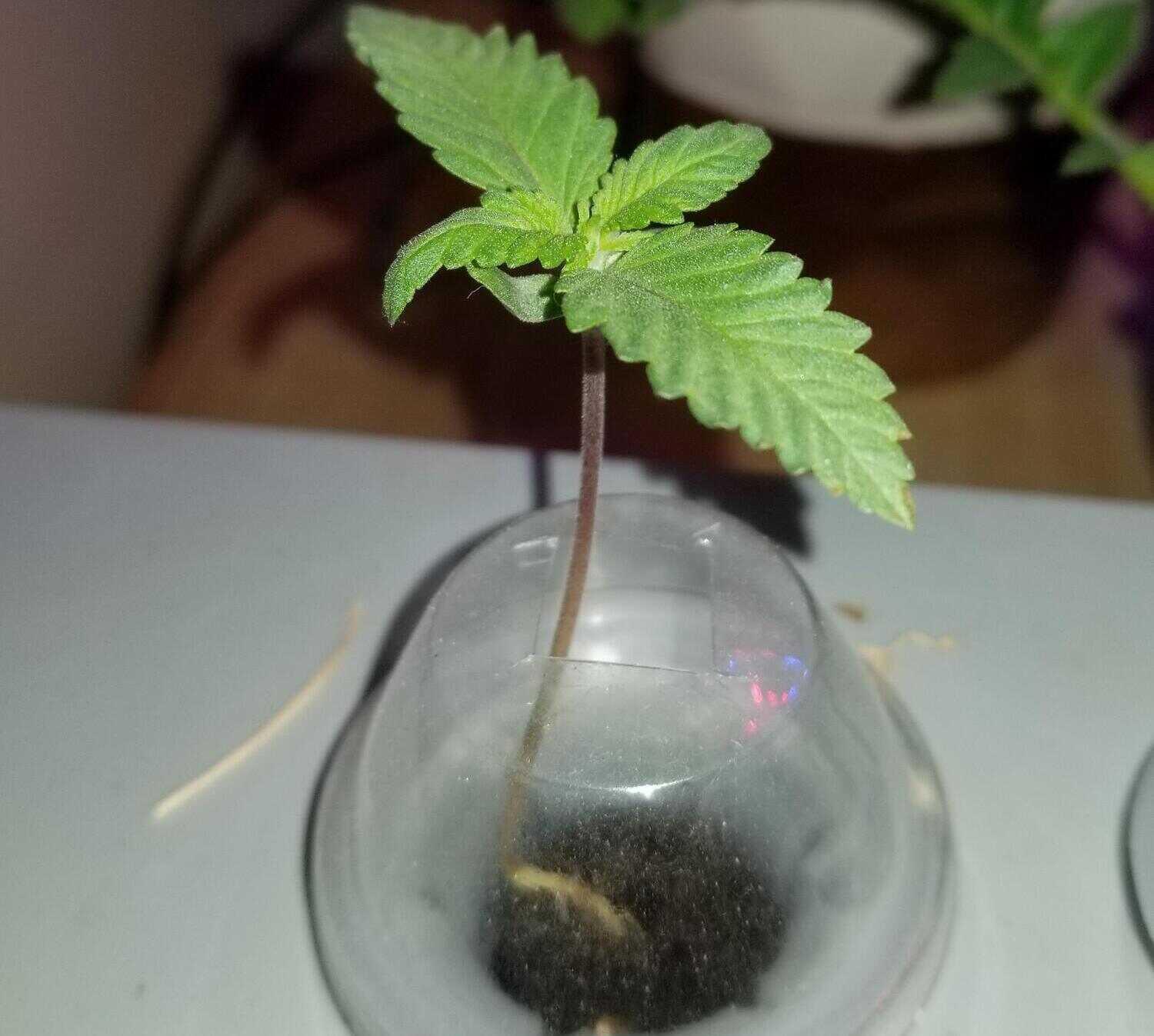
There's a cutting in the sponge pictured here. You can't see seeds germinating, and the photo doesn't tell us the plant's identity or how it grew afterward. That's too little to promise that a damp kitchen sponge makes a reliable seed starter.
For a simple seed project, try the RHS cress activity, which uses cotton wool. Read the seed packet too. Leave sponges treated with detergent or antibacterial ingredients out of experiments with plants you're planning to eat.
Keep the Bag Sealed and the Skin Covered
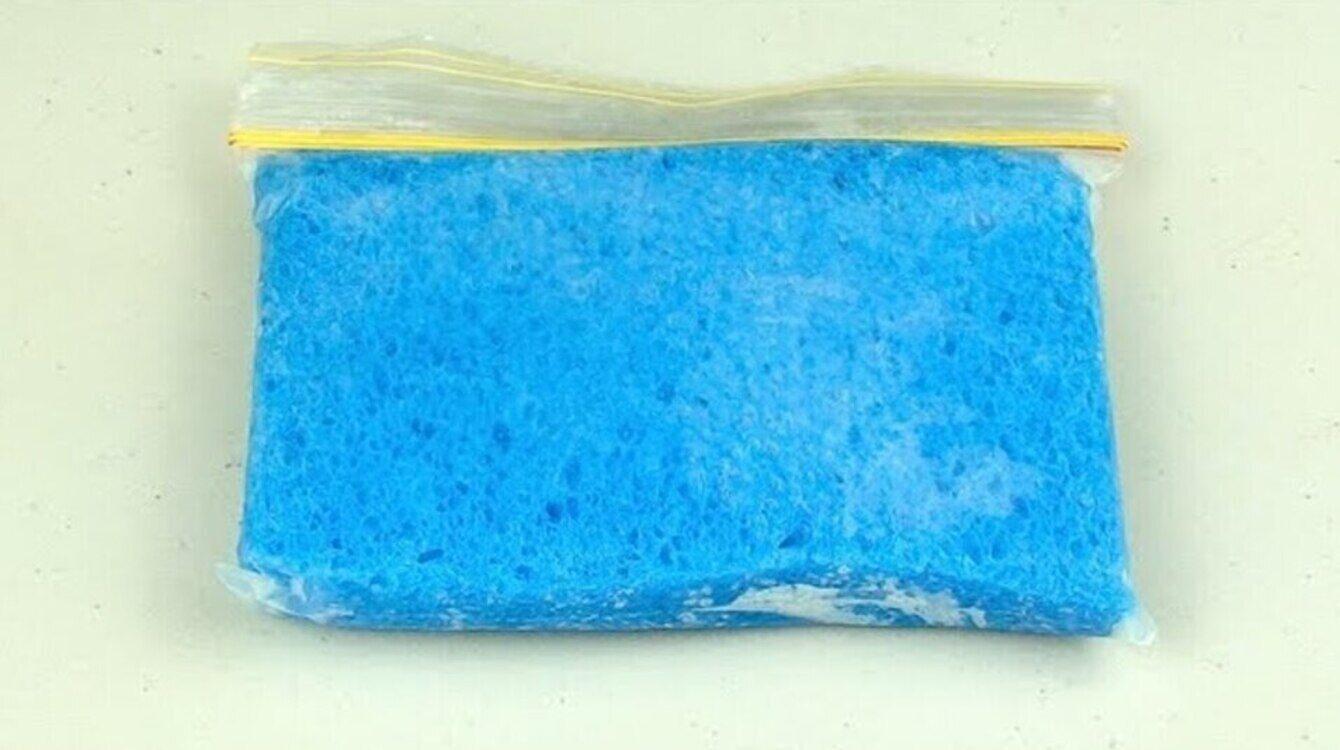
A soaked sponge can go into a closed, sound plastic bag in the freezer. As it thaws, the water still needs to stay inside that bag. Check for leaks.
That's the household project shown here. It doesn't prove that a sponge treats a headache or an injury. NHS sprain guidance describes using a cold pack wrapped in a tea towel; frozen material shouldn't touch bare skin. Get appropriate medical advice for the injury instead of assuming any cold object will do.
Skip the Lick on Gummed Flaps
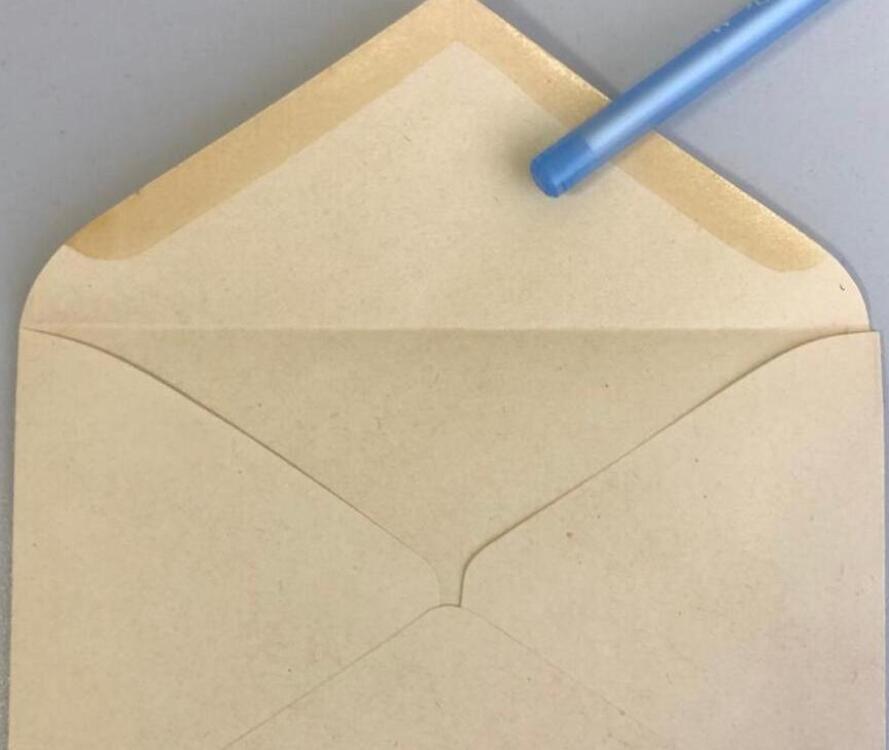
The envelope on the table decides if this trick belongs there. Water-activated gum can be moistened with a clean sponge that's lightly damp. Close the flap and press; the paper shouldn't be soaked.
Peel-and-seal strips and other self-sealing flaps don't need water. Leave the sponge aside for those. On a gummed flap, it's an alternative to licking the adhesive, with no reason to expect a stronger seal than the envelope normally gives you.
Make a Sponge Stamp
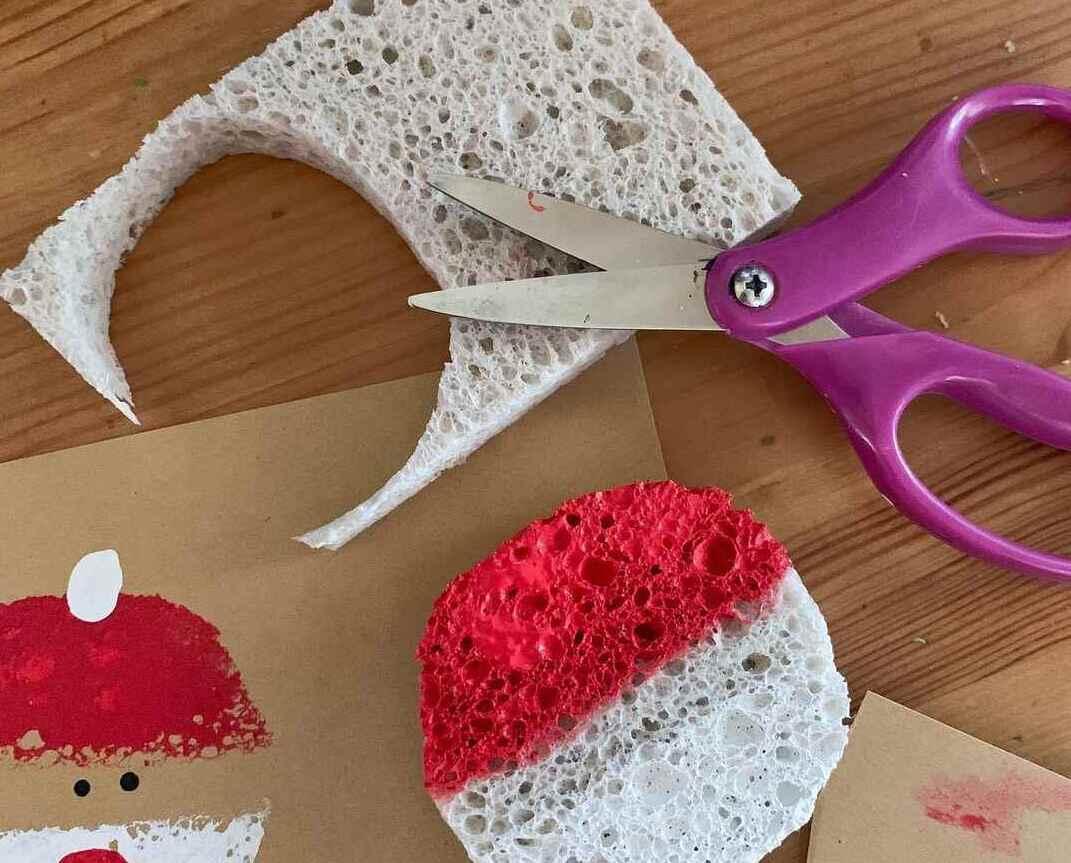
An adult can cut a clean sponge into a shape, then children can dab it in suitable paint and print onto paper. Put the wet pieces on a tray between prints. You don't need to promise a masterpiece to make an afternoon's art project.
Check the paint's age guidance and directions. The CPSC art guide recommends appropriate materials and supervision. Small sponge pieces belong away from children who put objects in their mouths. Choose the activity for the child at the table.