From the archive
What the Alaskan Klee Kai Breed Standard Actually Describes
Prefer Family & Pets on GoogleSee more of our stories in your results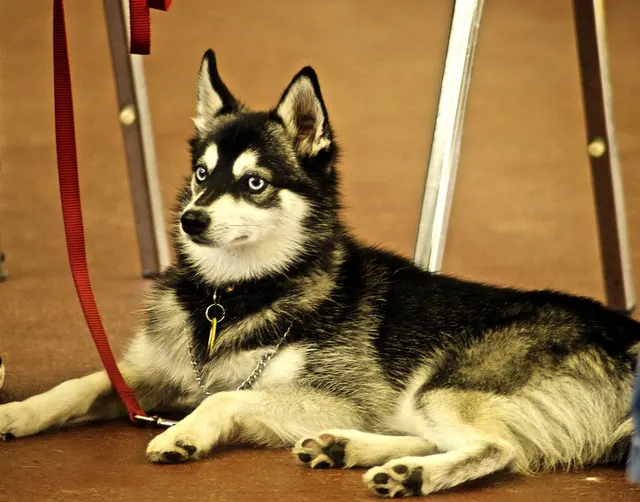
Start with the face. The Alaskan Klee Kai breed standard calls for a symmetrical mask with a clear contrast between the darker and lighter markings. Step back and look for a small dog with upright ears, a double coat and a tail that curls loosely while the dog is alert or moving. The size wording depends on whose standard you are reading: the American Kennel Club gives an overall height range, and the United Kennel Club names three varieties within its height rules.
The American Kennel Club's breed page describes a small companion dog that is alert, energetic and curious, and is reserved around unfamiliar people or situations. For somebody comparing dogs, those words are a starting point. The visual description gives you things you can see in a photograph. The temperament description gives you questions to ask somebody who spends time with the dog.
What the judges are comparing
Imagine the dog standing in profile. The AKC calls for a body a little longer than it is tall, with a level back and upright ears. That picture is more useful than a loose comparison to another breed. It helps you look for the dog’s outline even when the coat looks especially full or a close photo makes the head look larger than it is.
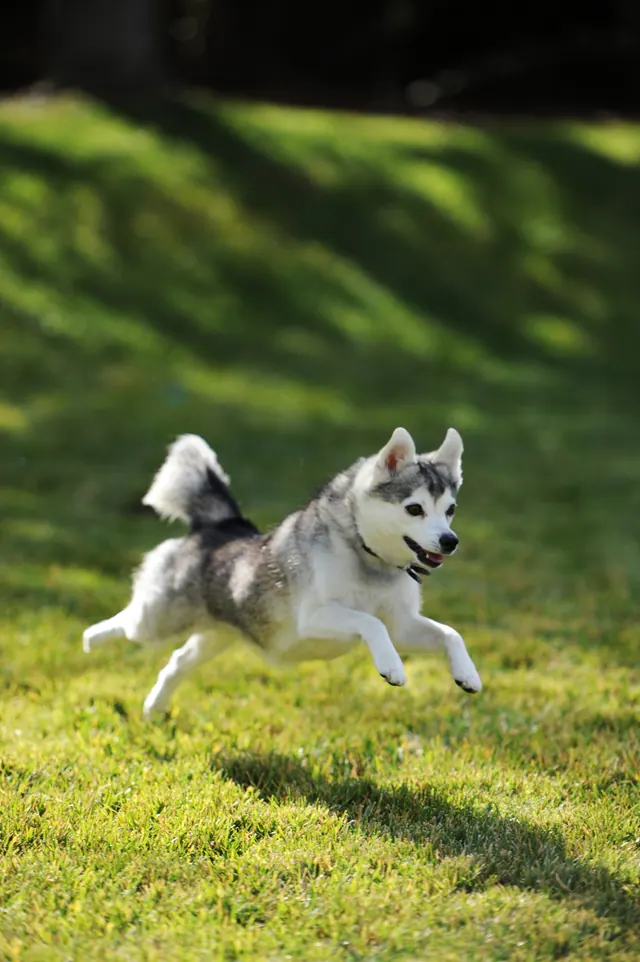
Judges compare dogs against a description of the ideal. One part of that comparison is how they move. The AKC looks for an easy, balanced trot and a back that stays level. You get a different view from a short video of a dog moving than from a portrait of it sitting. It may be easier to see the coat’s outline and the shape of the tail when it moves.
How the two clubs describe height
The AKC standard gives a height of 12 to 17 inches at the withers, the highest part of the shoulders. Its disqualification is for a height over 17½ inches. The United Kennel Club’s standard has three named height groups: toy through 13 inches, miniature over 13 through 15, and standard over 15 through 17. If somebody calls a dog a miniature Klee Kai, the UKC’s range tells you what that word means in its shows.
Ask for the height at the shoulder if size matters to you. A dog standing near the camera can look as large as the one behind it. Even when you have a good side view, you need a measurement to place it in a height range. A picture can show the shape of the ears or the way the dog holds its tail much more readily than it can show a difference of two inches.
The mask, the coat and the curl of the tail
Look for contrast around the eyes and along the muzzle. The AKC describes a symmetrical mask but allows several arrangements of the markings. The full mask is the one it prefers. In that pattern, the darker color continues along the bridge of the muzzle and around the eyes, with white markings above the eyes. A dog can have a distinct mask without having that preferred full pattern.
The AKC describes a soft, dense undercoat beneath straighter outer hairs. The coat should have enough body to look full while still letting you make out the outline. Look for the longer hair around the neck and the fur on the tail, then see whether you can still follow the line of the back. The black and white dog at the top gives you a place to start.
Tail carriage is how the dog holds its tail. The AKC describes a loose curl when the dog is alert or moving. The curl can fall against the back or to the side. When the dog is relaxed, the tail may hang down. A moving photo and a resting photo can show you two different positions without telling two different stories about the breed.
What to ask about a dog you meet
The AKC breed page uses three adjectives: alert, energetic and curious. Read plainly, that is a dog that notices things, has energy to spend and investigates. For a household, those words become practical questions. Will someone be home to engage the dog? Is there a realistic plan for daily activity? Can the household live with a dog that reacts to sounds and movement?
The breed page describes the Klee Kai as reserved around unfamiliar people and situations. That gives you a good reason to ask how the dog you meet responds to a new person. If you hope for a dog that greets every guest, see what the person caring for it has noticed in ordinary visits. Two dogs of the same breed can give you very different answers.
Ask about a normal day instead of asking whether the dog is friendly or energetic in general. What happens when a visitor comes to the door? What does the dog do after a walk? Ask the person who knows it best for one recent example. The answers will help you picture the dog in your house better than a choice between toy and miniature.
Read the photos without guessing the size
When somebody sends you pictures, a standing side view, a front view and a short clip cover different ground. Use the front view to see how the light and dark markings meet. Use the side view to see the length of the body. Then watch the clip for a few strides. A single pose can hide as much as it shows.
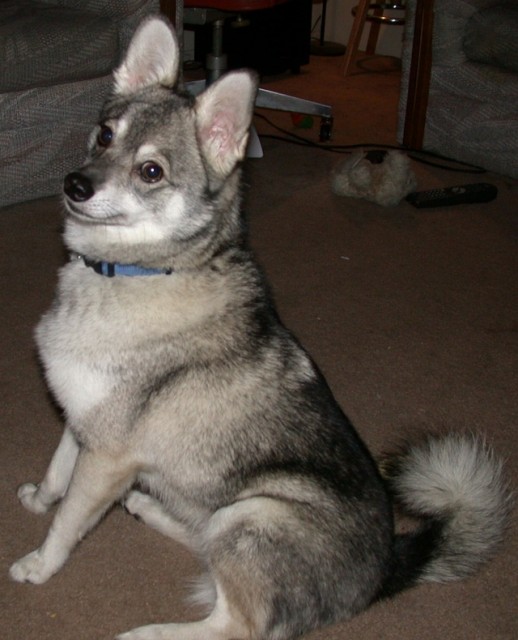
The two photos here help make that point. The sitting dog gives you a good look at the face. In the running photo, you can see the coat’s outline and the curl of the tail. For height, ask for a separate measurement. The clearest photo of the ears in the world still will not tell you how high the shoulders are above the ground.
What to look up first
Start with the size section of the standard you are reading. The AKC gives one height range, and the UKC names three groups. Then read the breed page's temperament description and write down your own household's questions: who is home during the day, how much activity is realistic, how many visitors come through. Take those questions to the breeder, rescue or owner and ask about the specific dog, including how it reacts to new people, new places and being left alone.
If you have time to do only one comparison, use the side view and the front view together. A dense coat and a sharp facial mask are both easy to notice; the proportions are easier to see when the dog is standing and you can follow the body from shoulder to rump. That makes it easier to understand what a breed description means when it describes an outline.
Start with the AKC height range when reading its standard and the three UKC labels when somebody uses a variety name. Then look at the mask, coat and tail in that order. If your real decision is whether to bring a particular dog home, use what you learn from meeting it to answer the questions the pictures leave open.