
Pets
How to Deal With Pet Scratches on Wood Floors
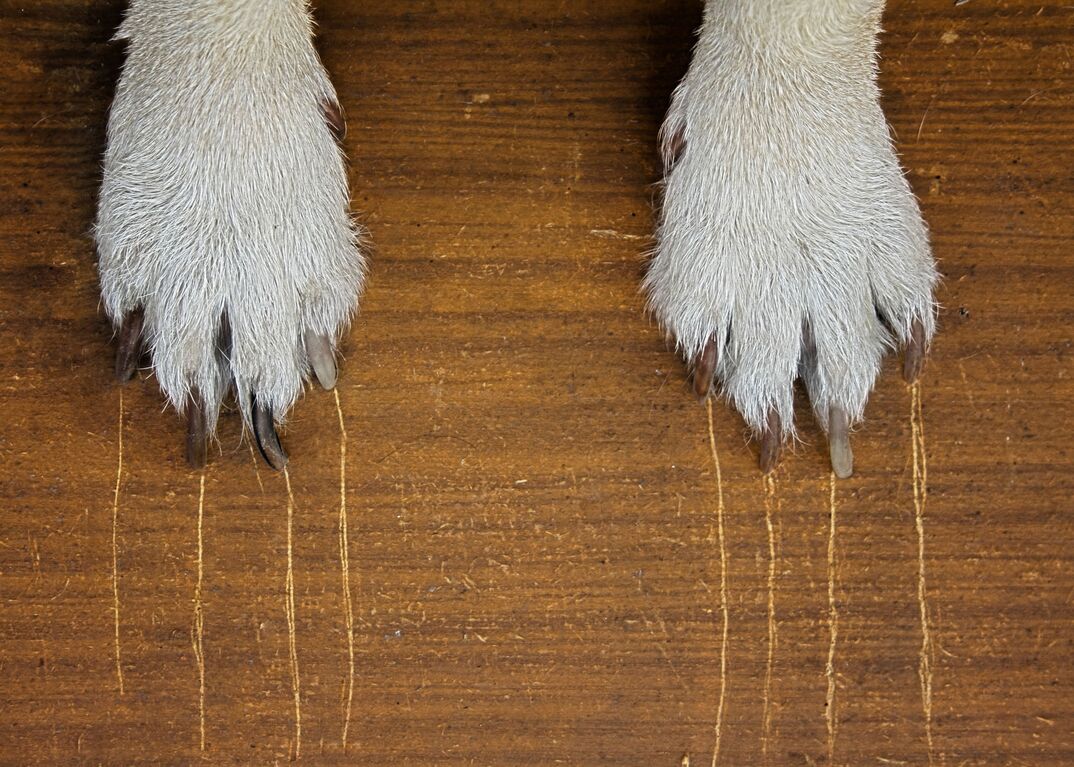
First find out what kind of floor you have. A scratch in a wood finish is different from a gouge into the wood, and laminate or vinyl needs another approach again. Clean with the maker’s recommended product, let it dry and look closely before choosing stain or sandpaper.
The manufacturer’s care instructions or your installer can help identify a suitable repair. If the home is rented, get the owner’s agreement before doing anything permanent. Try any approved touch-up product in a hidden spot first. A color that looks right on its label can dry differently on the actual floor.
Start with the surface
Gently remove loose dirt so you can see the damage. Don't flood a wood floor with water, and don't use a harsh cleaner to make the scratch disappear. Let the cleaned area dry before judging the color or depth of the mark.
For a shallow scratch, a repair marker or touch-up product made for that particular finish may be enough. Follow its directions, apply sparingly and give it the stated drying time. More product can leave a conspicuous patch where the original scratch was barely visible.
Homemade vinegar-and-oil mixtures aren't a general repair method. They can leave residue or affect a finish without repairing it. A temporary change in shine isn't proof that the damaged surface has been restored. Ask the flooring manufacturer about a product before applying it across a visible area.
Deeper damage needs a closer look
A gouge can go beyond the finish and call for filler plus a finish repair. That is a reason to check the floor’s construction, not to start sanding straight away. Engineered wood has a limited wear layer, while laminate is not solid wood. Stop if you cannot identify the material.
Ask a flooring professional about damage over a large patch, several deep scratches or multiple boards. A local repair may blend, or a board may need replacement. Keep any sample or product information you have for that conversation.
For an approved home repair, read the filler and finish instructions together. They need to be compatible, with the right color and curing times. Having shellac, polyurethane and stain in the garage does not make them suitable for this floor’s existing finish.
Keep pets away while you work
Pets belong outside the repair area while products are open or sanding is underway. Follow label directions for protective equipment, ventilation and disposal, and keep children away too. Wait for the stated full cure before letting them return, even if the floor looks dry.
Put away tools and remove debris first. Should repair product reach a pet’s coat or paws, ask a veterinarian what to do. Have the packaging available so they know which substance is involved.
Reduce the next round of scratches
Grit travels across a floor with pets and people. Use suitable mats and clean regularly to keep it down. Where animals run or turn, try a non-slip rug approved for that flooring. If nail trimming is difficult, ask a groomer or veterinarian for help with appropriate care.
Give cats suitable scratching surfaces and notice where marks recur. These steps cannot promise an unmarked floor, but they may reduce repeated wear.