Pets
Before Sharing These Kitchen Foods With Your Dog, Know the Risks

If a toxic food may have been eaten, call your vet or an animal poison service promptly. Keep the packet and note when it happened, how much was eaten and your dog's weight. A veterinary professional must direct any attempt to induce vomiting.
The foods below aren't equally hazardous. Some can poison a dog; others can upset digestion or cause trouble if a pit is swallowed.
Check What Kind of Chocolate Was Eaten

Cocoa powder and baking chocolate are particularly concentrated sources of methylxanthines, including theobromine. They can affect a dog's heart and nervous system. Ask a vet about an exposure, since type, amount and the dog matter.
Milk can upset digestion because dogs have limited lactase for lactose. That isn't the same as chocolate poisoning.
Cheese and Onions
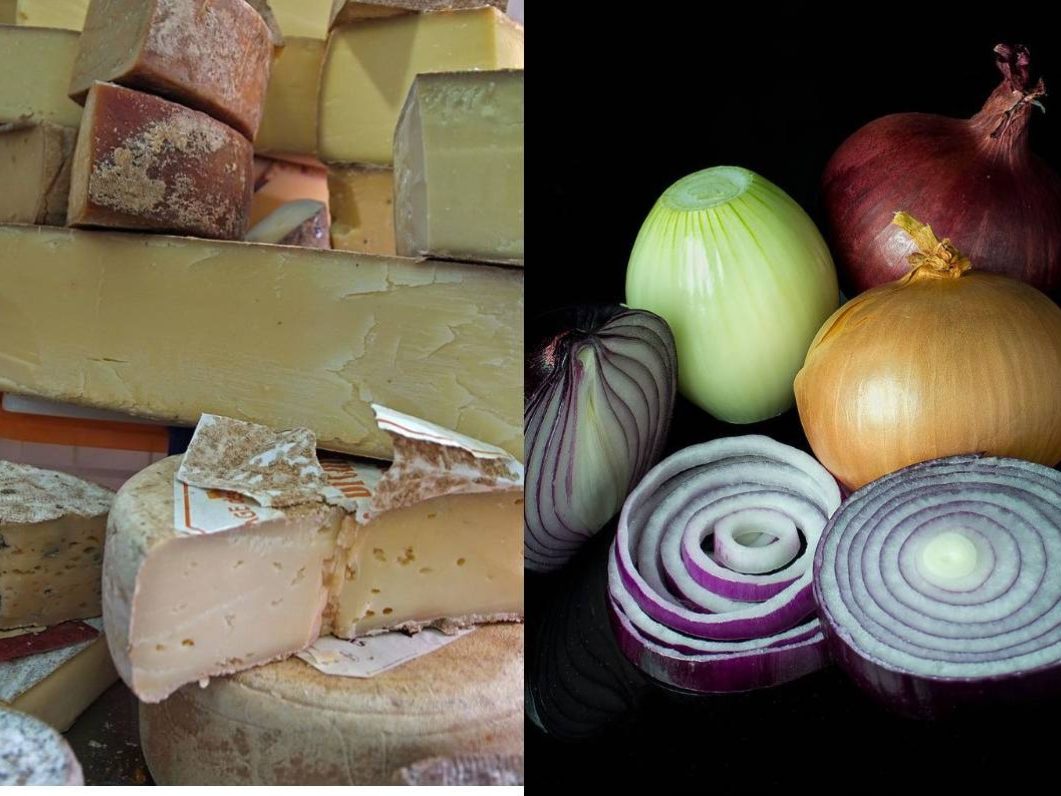
Cheese brings dairy and fat into the picture, and some dogs won't tolerate it well. That doesn't mean dogs are unable to digest all fat, as blanket food warnings sometimes suggest.
Onions can irritate the digestive tract and damage red blood cells, leading to anemia. Keep onion-containing food away from your dog and ask a vet about an ingestion.
Keep Grapes and Garlic Out of Reach
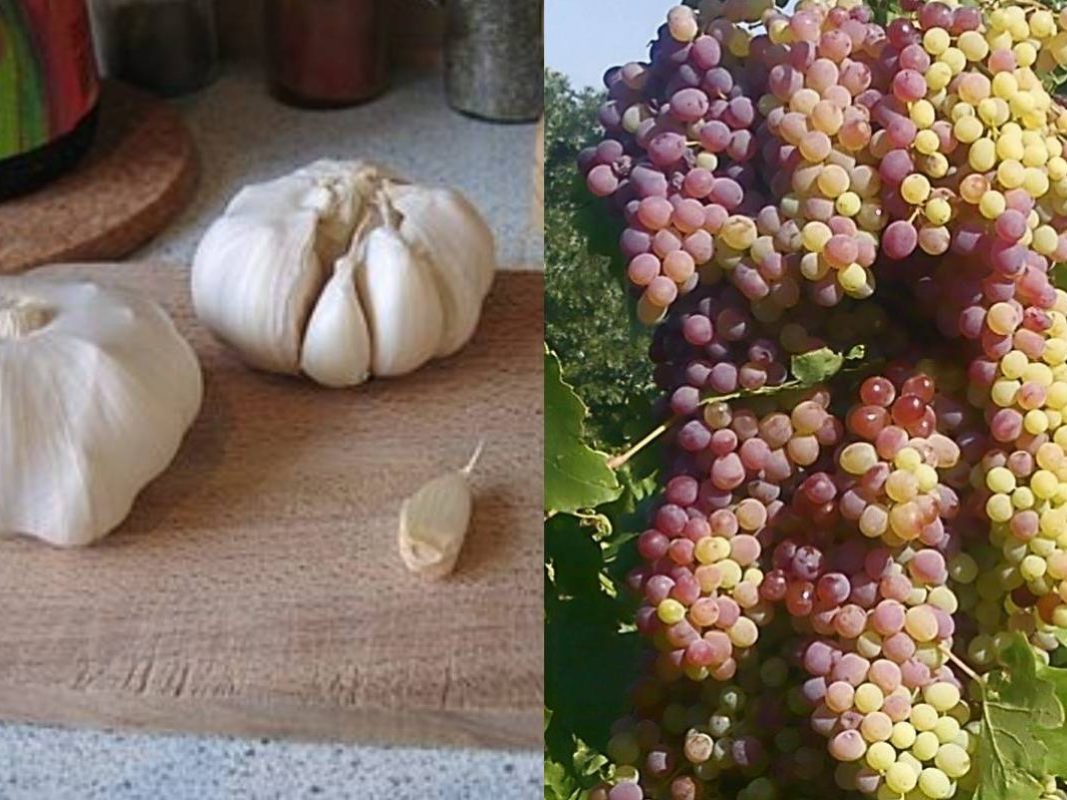
Ask a vet promptly about grapes or raisins being eaten, even before vomiting or lethargy appears. They can cause kidney injury. The MSD Veterinary Manual describes tartaric acid as a proposed toxic component whose concentration varies.
Garlic presents a different hazard: like onions, it is an Allium capable of damaging red blood cells. A stronger taste doesn't measure its risk.
Coffee and Bacon Aren't the Same Risk
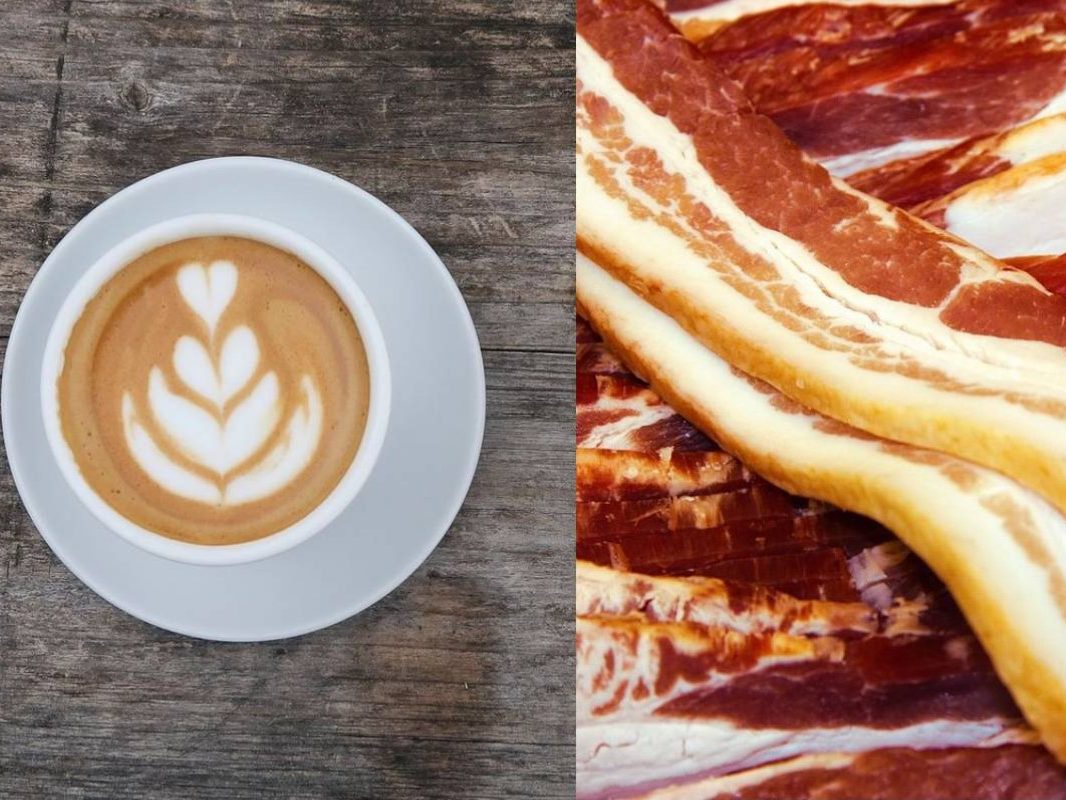
If your dog gets into coffee or another caffeine product, seek veterinary advice. Caffeine poisoning can affect heart rhythm and cause tremors or seizures. Keep the products out of reach.
With bacon and other fatty scraps, digestive upset and possible pancreatitis are the concern. Every bite doesn't cause pancreatitis, but rich leftovers shouldn't become regular treats.
Separate Fruit From Its Pit or Core
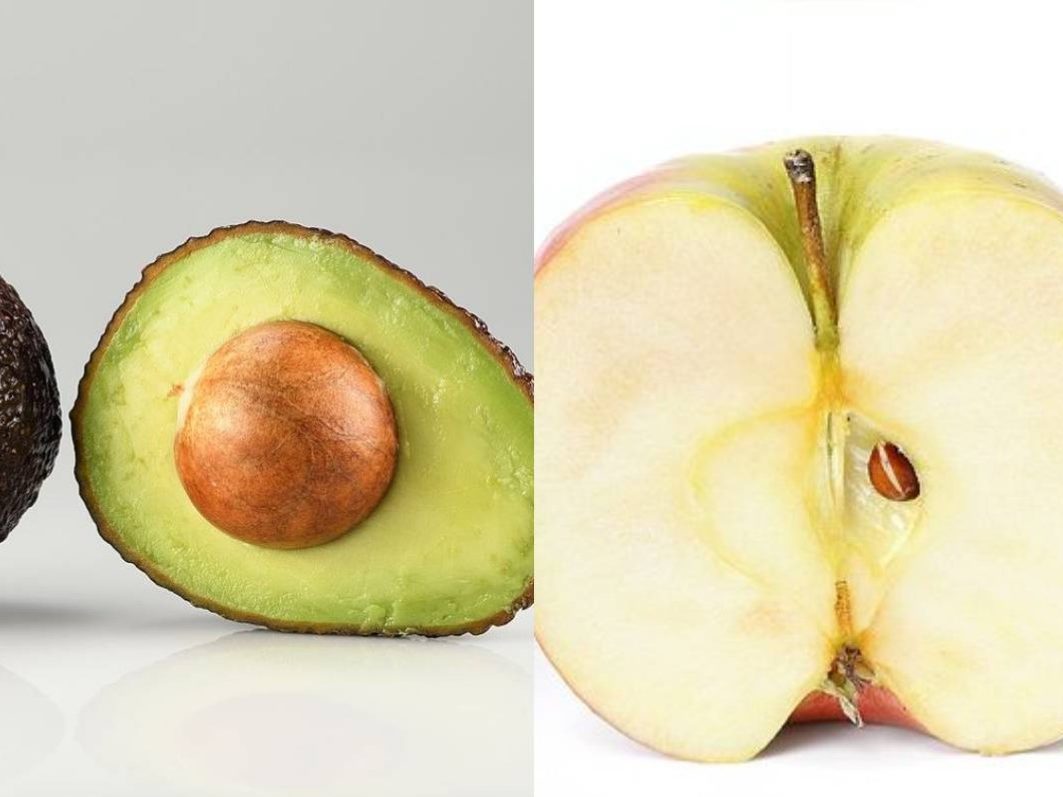
Dogs shouldn't get an avocado pit, which can choke them or obstruct the intestine. Avocado's persin risks are much greater in some other species, including birds and horses, so species matters in these warnings.
Remove apple stems, cores and seeds before offering small pieces of flesh. Seeds contain cyanogenic compounds, while the core can cause choking. If a core is swallowed, get advice about that exposure; don't assume cyanide poisoning.