Family life
A Family Found 22 Missing Okinawan Artifacts in Their Father’s Attic
What the family found in the attic
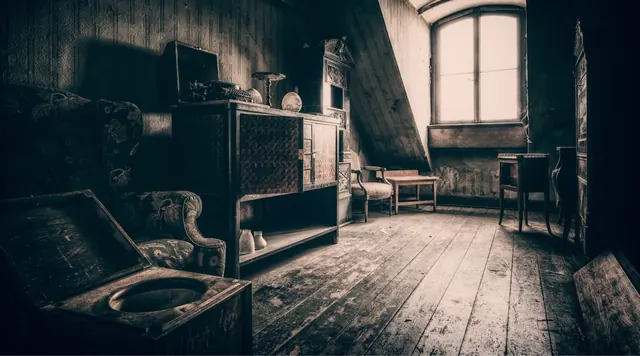
In 2023, a Massachusetts family was sorting through their late father’s belongings when they came across a collection of art in his attic. There were painted scrolls, pieces of pottery and an old map. The family started looking up the objects to see if they could find a record of where they came from.
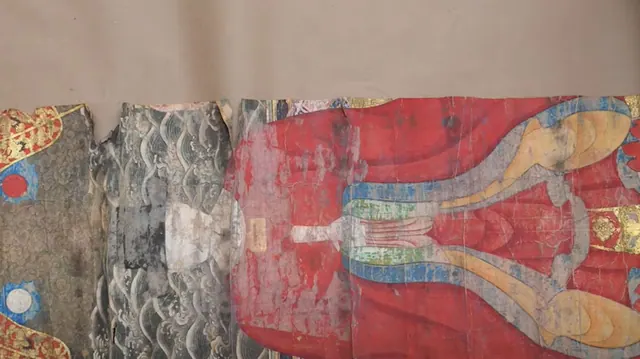
They found a match in the FBI’s National Stolen Art File. At least four of the pieces appeared to be eighteenth-century portraits that Okinawa had reported missing. The family contacted the FBI, turned over what they’d found and asked to stay anonymous. The Bureau’s Boston office began investigating in January 2023.
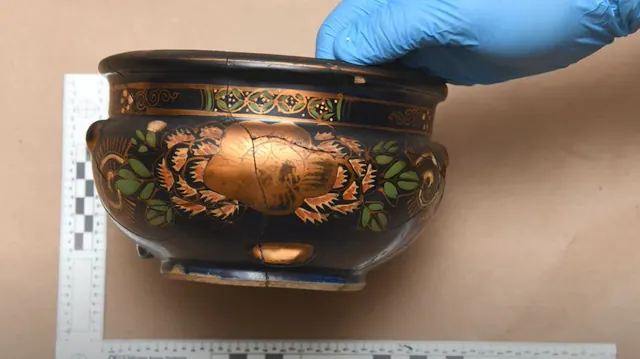
The paintings were among objects taken from Okinawa near the end of World War II. In 2001, Okinawa’s prefectural education board had listed many of the missing pieces in the FBI database. That gave the family something to check more than twenty years later, thousands of miles from where the pieces had gone missing.
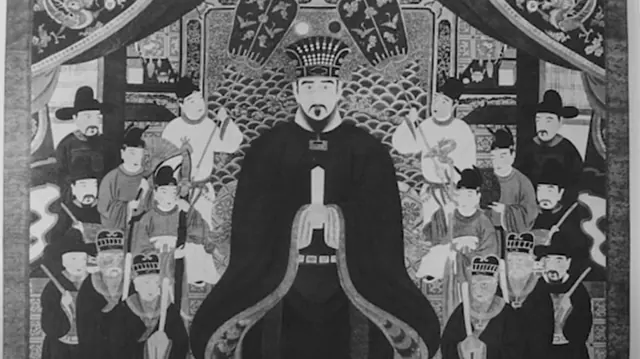
One clue was right there with the artwork. An unsigned, typewritten letter said the objects had been collected in Okinawa during the last days of the war. It helped the FBI piece together where they had come from. The Bureau’s account doesn’t say who wrote it or how the objects reached the attic.
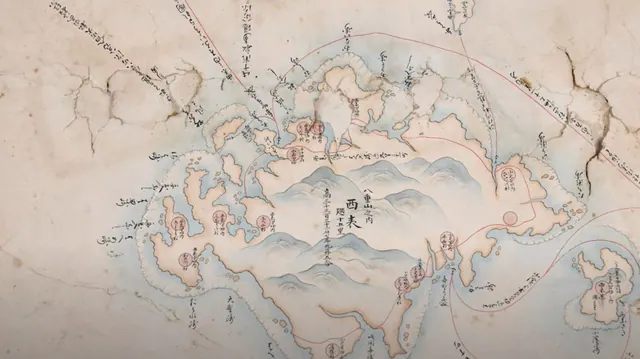
The family’s father had served in World War II, but the FBI says he never served in the Pacific Theater. His military service doesn’t explain how the collection came into his possession. By the time his family found it, what they could do was share the objects and the letter with investigators.
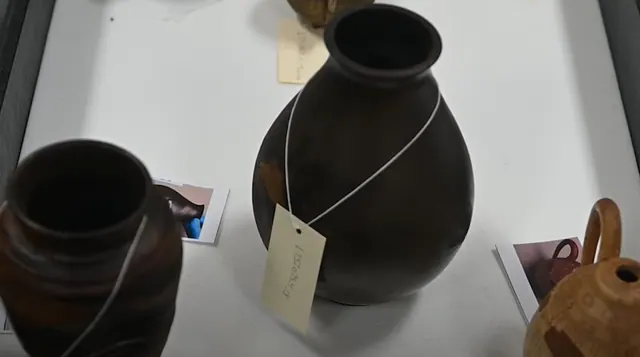
The FBI authenticated 22 pieces in all. The number includes six painted scrolls from the eighteenth and nineteenth centuries. Three of those appear to have been cut from a single work. There was also a hand-drawn map of Okinawa from the nineteenth century, along with pottery and other ceramics.
From Massachusetts back to Okinawa
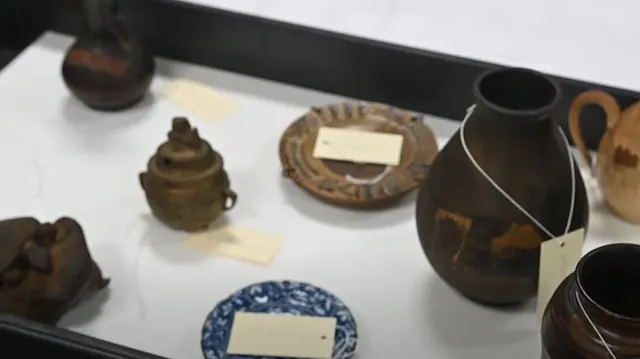
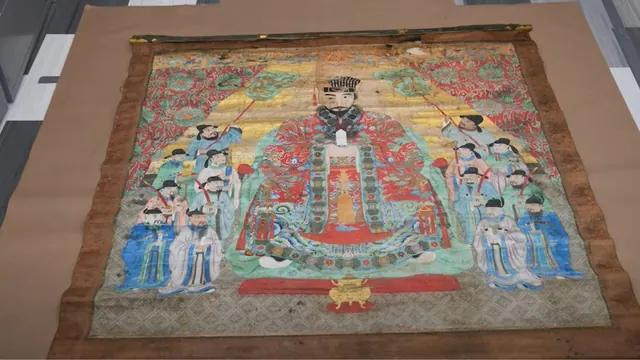
The FBI took the collection to the Smithsonian’s National Museum of Asian Art in Washington, D.C. There, the scrolls were opened for the first time in years. Red, gold and blue details were still visible in the painted portraits of Okinawan royalty. The museum helped pack the works so they could make the trip home.
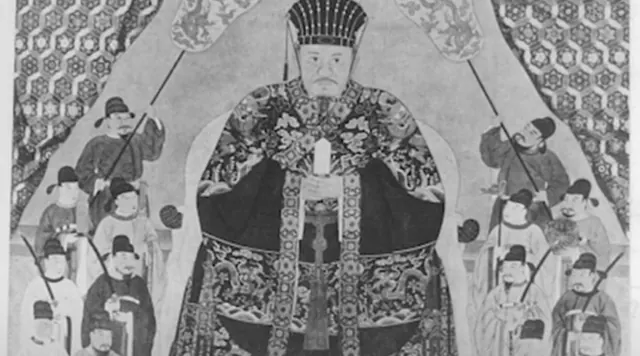
Those portraits come from the history of the Ryukyu Kingdom, whose seat was at Shuri in Okinawa. Among the returned works was an original portrait of King Shō Kei, as Okinawa’s prefectural archives note. A face in a royal painting and a map drawn by hand preserve different details of that history.
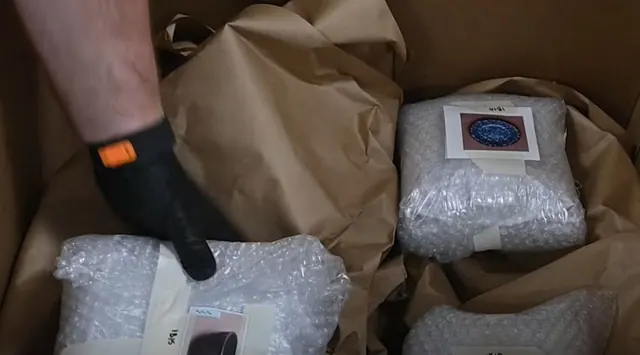
The Smithsonian worked on the packaging, while U.S. military personnel helped secure the objects and carry them to Japan. The FBI’s office in Tokyo handled the handover. On March 15, 2024, Okinawa Governor Denny Tamaki announced the return after the artifacts had been missing for nearly 80 years.
A formal ceremony followed on April 30, 2024, at the Okinawa Prefectural Museum and Art Museum in Naha. Representatives from Okinawa, Japan’s foreign ministry and the U.S. mission attended. It was the public welcome for the same collection whose return the governor had announced in March.
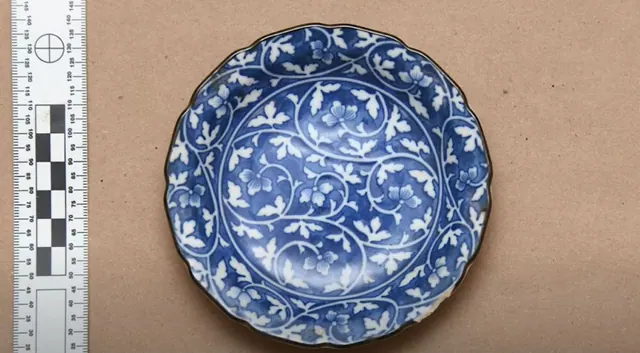
The FBI publicly thanked the family for looking up the artworks and giving them to investigators. Entries made in 2001 could finally be matched to the artwork. The family didn’t have to know the name of every person in the scrolls to recognize that they belonged somewhere else.
It’s easy to see why someone sorting through a relative’s things might stop to look at a painted scroll or an old map. This family took the extra step of checking what they’d found. For Okinawa, that small decision meant that portraits, ceramics and a map missing since the war finally came home.