Family life
Designing a Child’s Room That Can Grow With Them
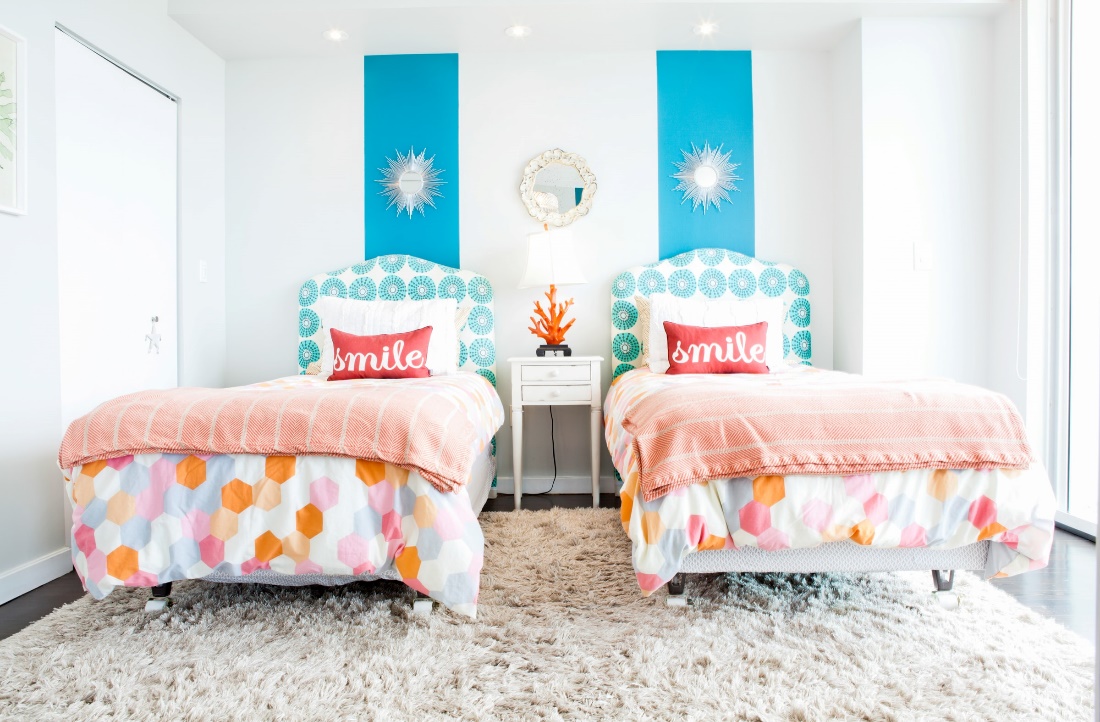
Think through an ordinary day before designing your child’s room. Where will they keep toys, read a book, get dressed or work on schoolwork? Where will a visiting friend sit? Those questions can tell you more about the space than a matching set of furniture.
A child’s interests and needs change. Leave room for that while making the bedroom comfortable for who they are now. It needs to work for rest as well as play, and it should feel like a place where they can spend time.
Involve them in the choices when they are old enough. Offer furniture and paint options that fit the budget and safety requirements first. Choosing within those limits gives them a role without making the planning overwhelming.
Storage
Low, reachable storage means fewer reasons to climb for a toy. Baskets can hold different things as children grow, from toys to sports gear. Secure dressers and bookshelves to the wall using the manufacturer’s instructions and suitable anchors. A tip-over can happen even when an adult is watching.
Light
Reading and play need enough light to see comfortably; winding down may call for a softer option. Keep lamps steady and cords away from small hands. For windows, choose cordless options. Beds and anything a child could climb should stay away from windows. Read the fitting instructions before installing coverings.
Space
Try the furniture arrangement on paper first. You need a route from bed to door and somewhere to play, not just room for another cupboard. A smaller selection of reachable toys can be more useful than a packed room.
Make space for your child’s interests, such as puzzles or drawing. Leave heaters, vents and exits unobstructed. Rugs need to lie flat without sliding underfoot, especially in a room where children will be running around.
Plan Ahead
Measure the room before choosing furniture, and buy for your child’s age and your budget. An oversized bed is not the only way to make something last. Follow age limits on products, including bunk beds. Low, accessible storage can keep earning its place even after the room gets new colors.
Privacy
Ask what helps your child feel comfortable in the room. Privacy needs change with age, and a quiet place to dress, read or spend time alone can matter. Balance that with supervision appropriate to the child. Don’t assume young children have no need for boundaries or a space of their own.
Color
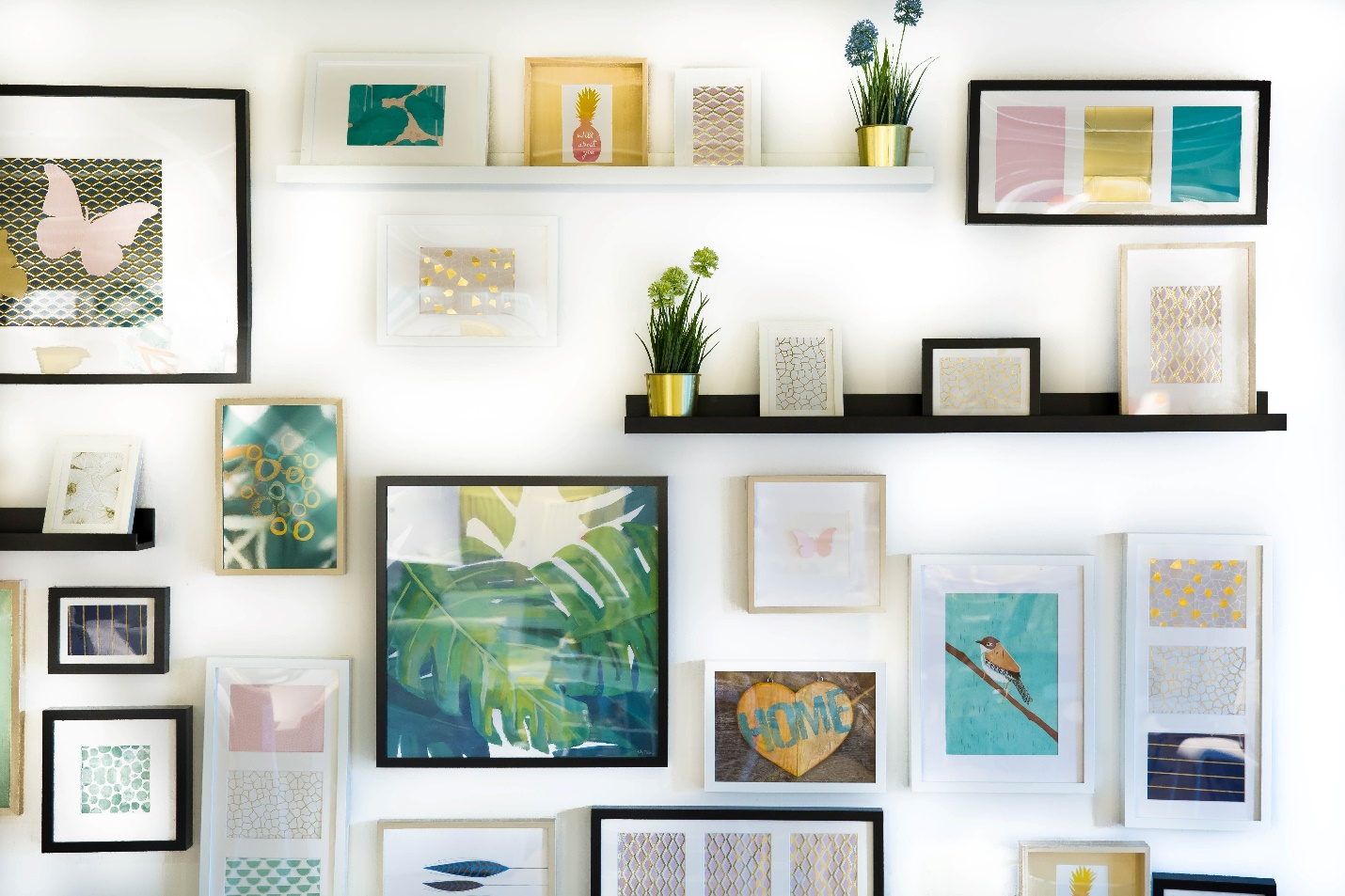
Let children help choose colors from a few practical options. Neutral walls are one possibility, but they aren’t a rule. Bedding, art and removable decorations can change more easily than furniture. Keep decorations securely attached and avoid placing tempting objects high on furniture where a child might climb to reach them.
Final Thoughts on Designing Your Kid's Room
Look around from your child’s height before deciding the room is ready. Are anchors fitted, cords out of reach and windows safe? Check for objects small enough to mouth. Follow age-appropriate sleep-safety advice for the sleeping area. Decorations can come later; you do not need to finish every detail to make the room usable.