
From the archive
Texas Teacher Fired for Reading Anne Frank's Diary to Her Class

A Texas educator from the Hamshire-Fannett Independent School District recently faced repercussions for introducing eighth-grade students to content from an unapproved version of "The Diary of Anne Frank."
This decision led to various responses from the school district, fellow teachers, parents, and the broader community.
The Decision That Led to Controversy
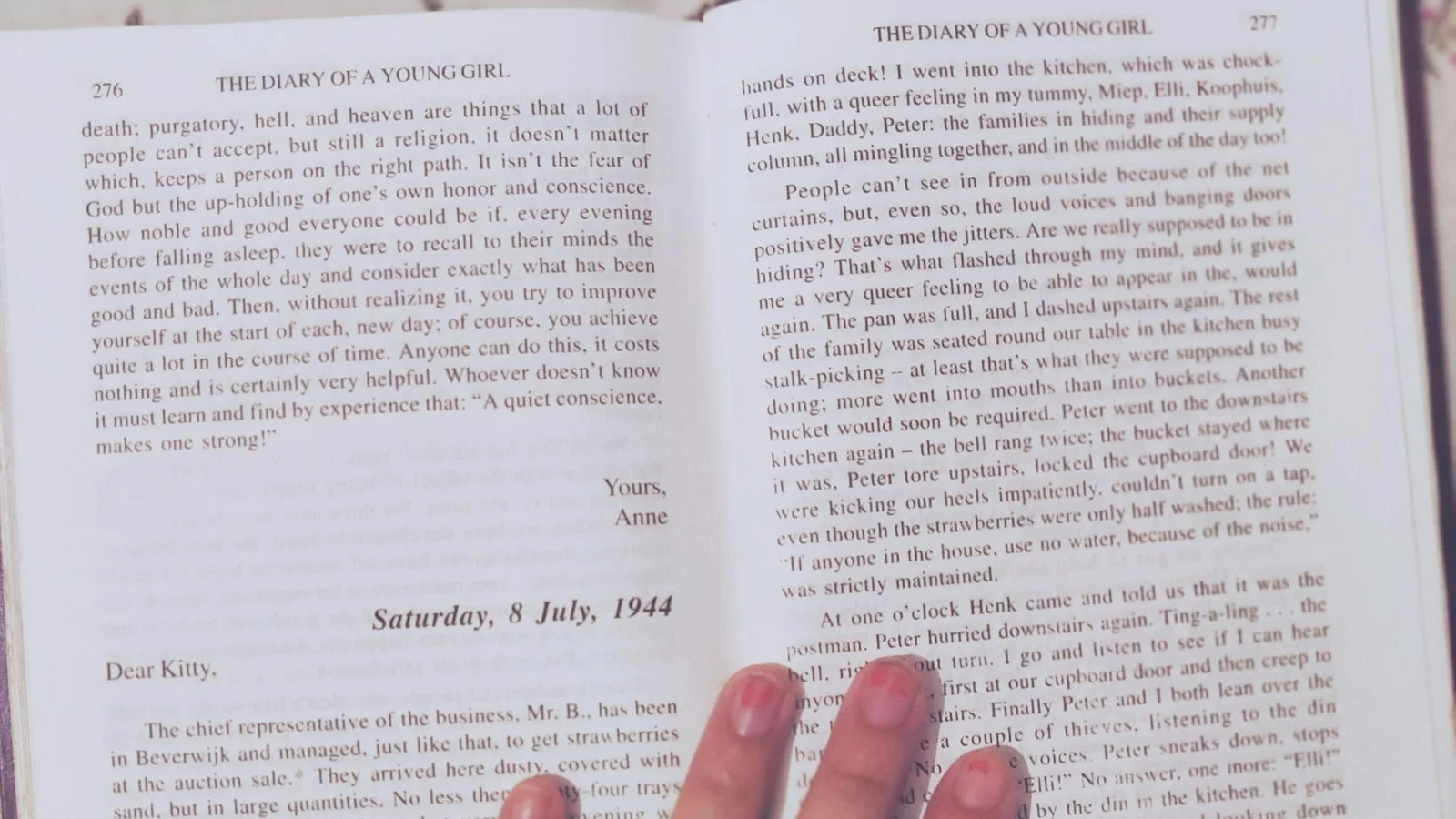
During a class, an unidentified teacher decided to read a version of Anne Frank’s diary that was not sanctioned by the district. This version contained explicit content, catching the attention of school administrators and parents alike.
Immediately, steps were taken to address this issue, underscoring the sensitivity surrounding the educational materials made accessible to middle school students.
District's Standpoint

Mike Canizales, the communication director for the school district, confirmed that the teacher had read a version of Anne Frank’s diary "that was not approved by the district."
The action resulted in the teacher’s dismissal, and an investigation into the incident was initiated. This illustrates the district's firm stance on adhering to approved educational content, emphasizing a commitment to upholding established guidelines.
Parental Concerns

Soon after the incident, parents were informed by the school about the reading of "inappropriate content."
A parent voiced discomfort about a particular passage where Anne Frank discusses feelings for another girl, expressing that such content was not suitable for their children.
The Historical Context

The passage read to the students was originally a part of Anne’s writings, but had been edited out from the classical version by her father, Otto Frank, in 1947.
These entries were later restored in definitive and critical editions published in the 1980s and 1990s.
Anne Frank’s Diary
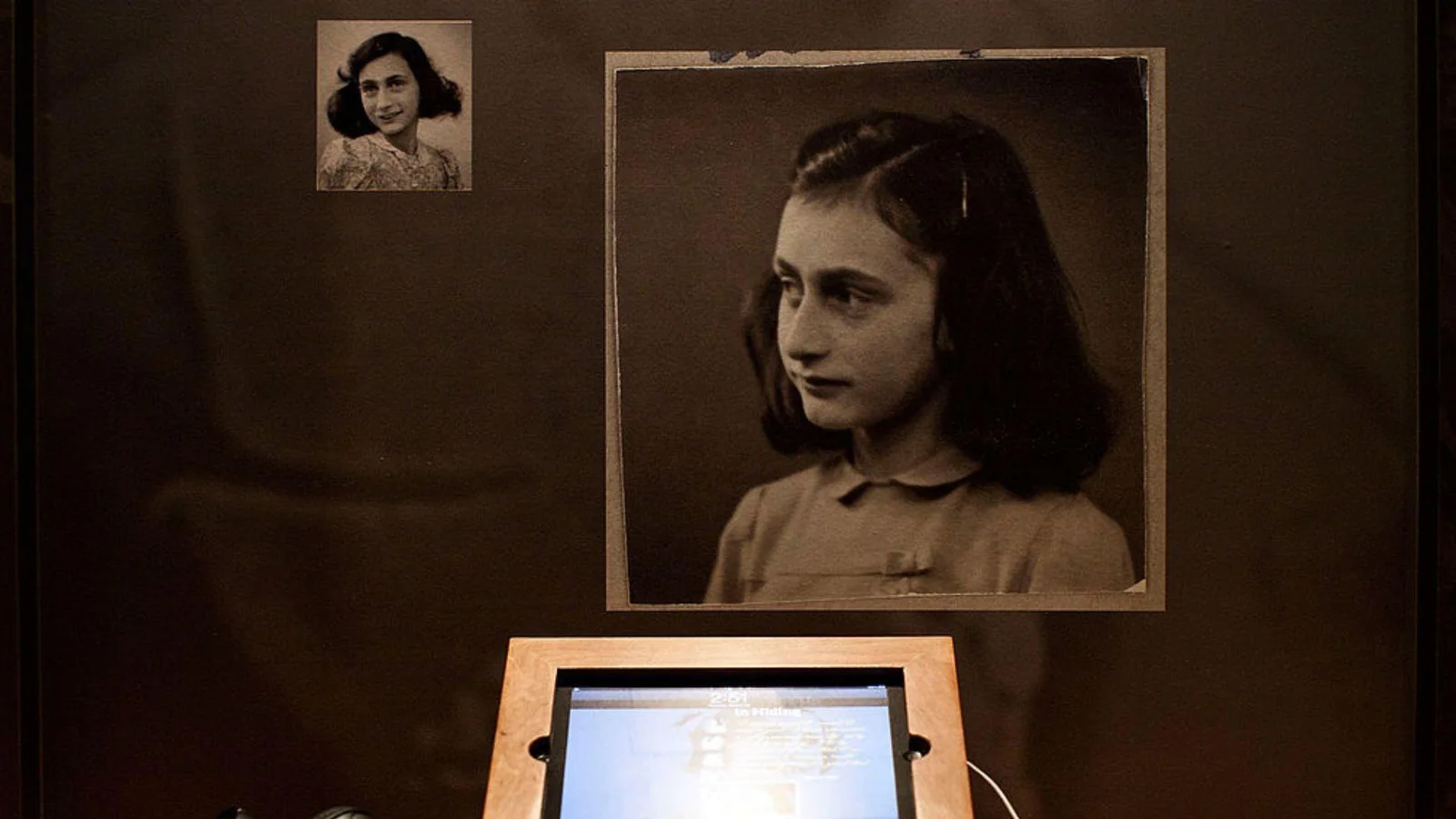
Anne Frank, a Jewish teenager, documented her experiences of living in hiding during the Holocaust. Her diary has since become a vital piece of historical literature, frequently included in educational curricula globally.
The intimate and raw account offers readers an unvarnished look into the horrors and struggles faced by Jews during this tragic period.
The Graphic Adaptation
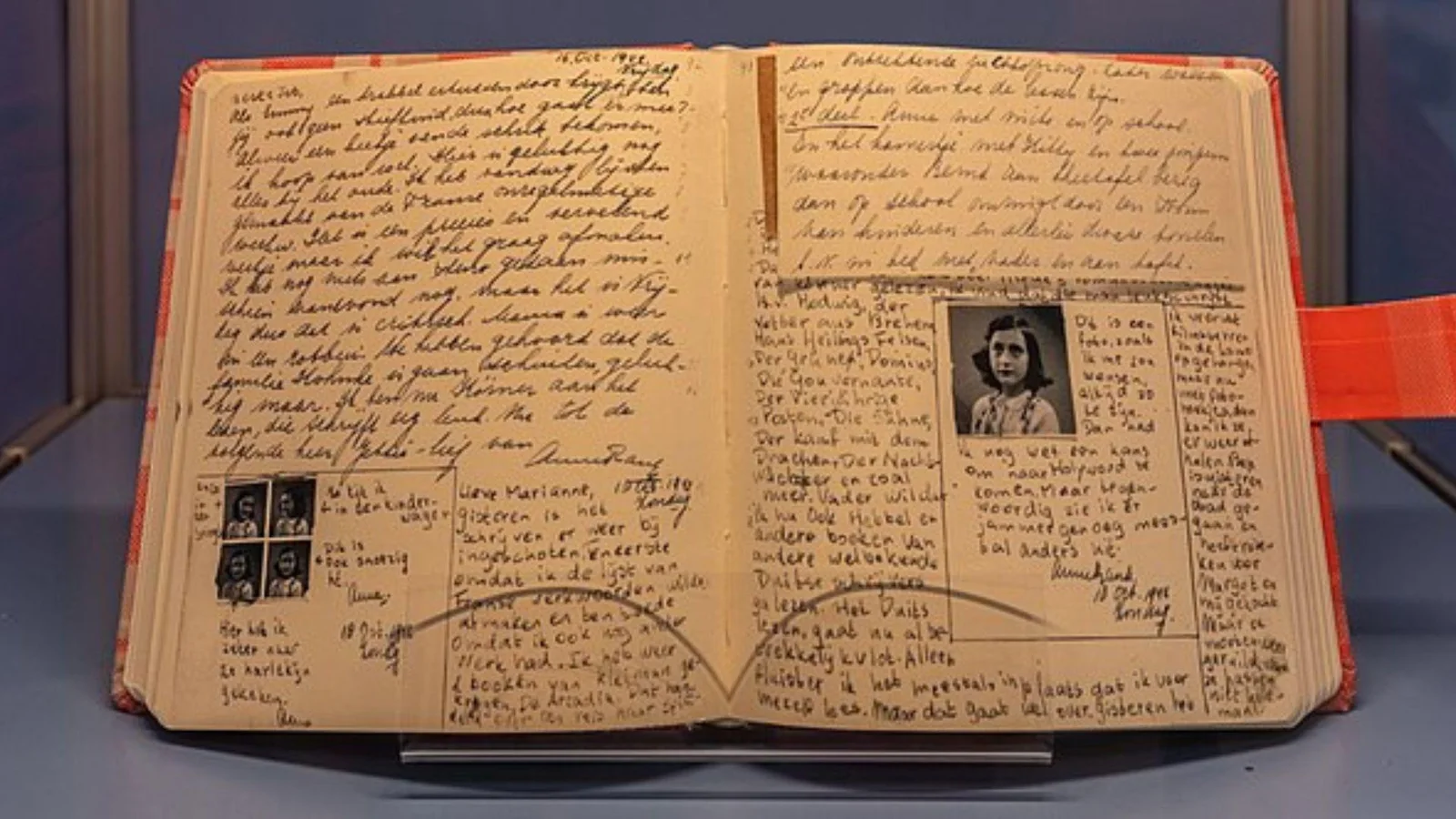
In 2018, Anne Frank’s diary was adapted into a graphic format, highlighting previously edited content.
The adaptation provided a visual representation of Anne’s writings, reviving discussions on the appropriateness of the content for young readers.
Not an Isolated Incident

This isn’t the first time the illustrated version of Anne Frank’s diary has faced scrutiny.
In the past, parents and religious groups have raised concerns over its use in classrooms, specifically pointing out passages they deemed age-inappropriate.
Actions in Other Districts

Earlier in the year, the Indian River County school district in Florida banned the use of Anne Frank’s Diary after conservative group Moms for Liberty raised objections.
The book, challenged for sexually explicit content and its depiction of the Holocaust, is emblematic of the broader dialogue on content restriction and historical representation in educational materials.
International Perspective

The Anne Frank Foundation, based in Switzerland, expressed concerns about these restrictions, highlighting the importance of the diary as an educational resource.
They stressed the significance of educating students about the Holocaust through firsthand accounts like Anne Frank's.
Content Debates in Florida

In Florida, where the “Don’t Say Gay” bill has recently been signed into law, the issue of content appropriateness continues to be a hot topic.
The landscape of educational content is ever-evolving, influenced by legal, social, and cultural factors. The case of Anne Frank’s diary highlights the complexities involved in navigating these multifaceted issues in education.
Foundation’s Concern

The Anne Frank Foundation expressed concerns regarding the limitation placed on the book, terming it a “denial of history.”
Their stance draws attention to the historical and educational significance of the diary, shedding light on the enduring tension between maintaining the integrity of historical texts and addressing concerns related to the appropriateness of specific content for student audiences.