
Family life
They Searched for a Lost Earring and Found Viking-Age Brooches
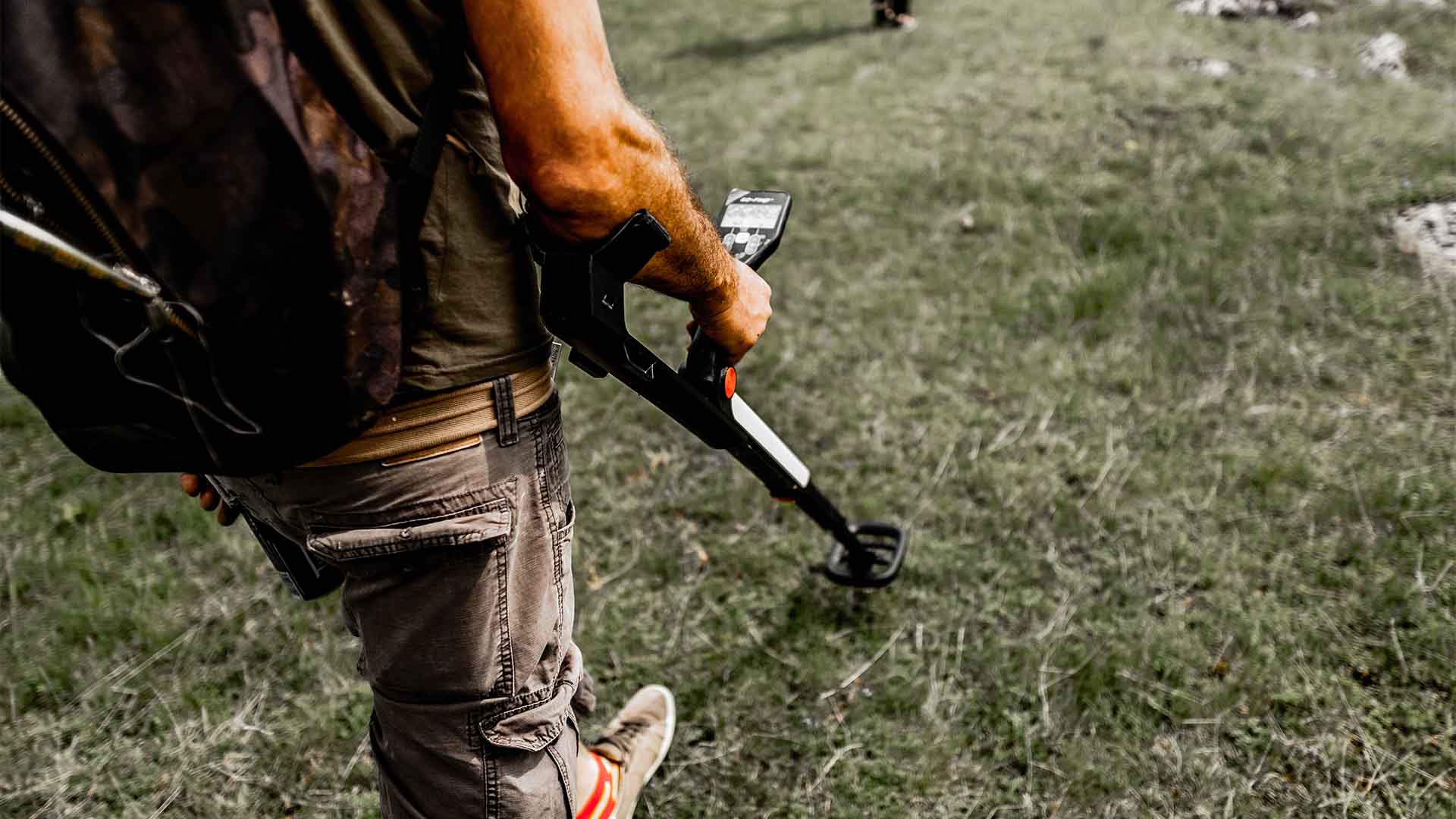
Jan Erik Aasvik took a metal detector into the garden to look for his mother's lost earring. Instead, he found objects that looked much older. The September 2023 discovery on Jomfruland, brought a county archaeologist to the family property. What began as a search for recent jewellery had turned up two Viking-age finds.
A Fastening From Another Wardrobe
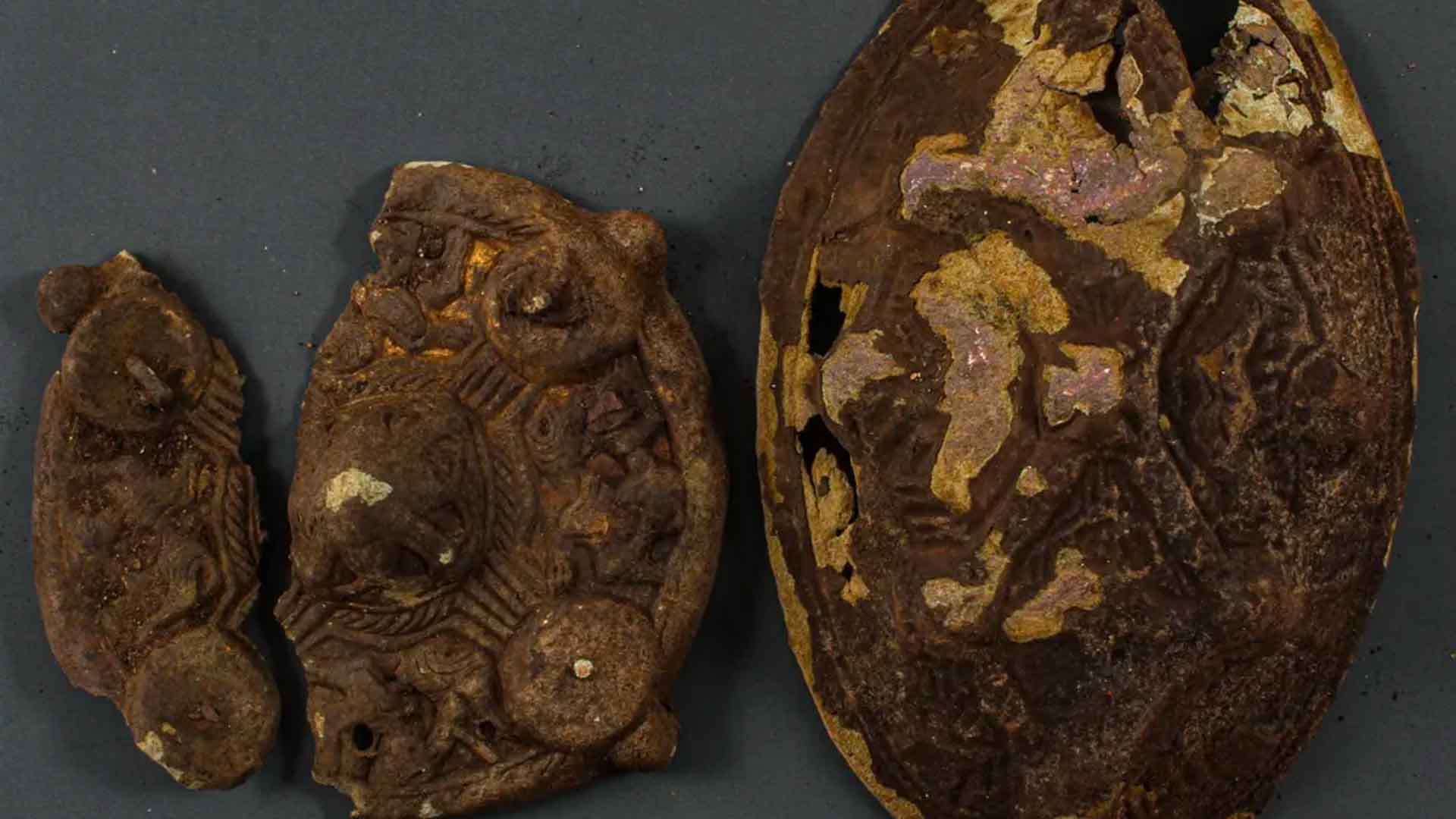
One object was a decorated, bowl-shaped brooch of a type used to fasten a woman's clothing. The second was also thought to be a dress brooch, though its identification needed more work. In Dagbladet's interview, archaeologist Vibeke Lia described the objects and the ornament still visible on them.
A Possible Burial, Not a Named Owner
Lia considered a burial the most likely explanation for the objects being together. Jewellery could accompany a person into a grave, and a burial could communicate status. That doesn't identify the wearer as an aristocrat. The brooches provided evidence to investigate, with the person behind them still unknown.
The Detector Was Only the Start
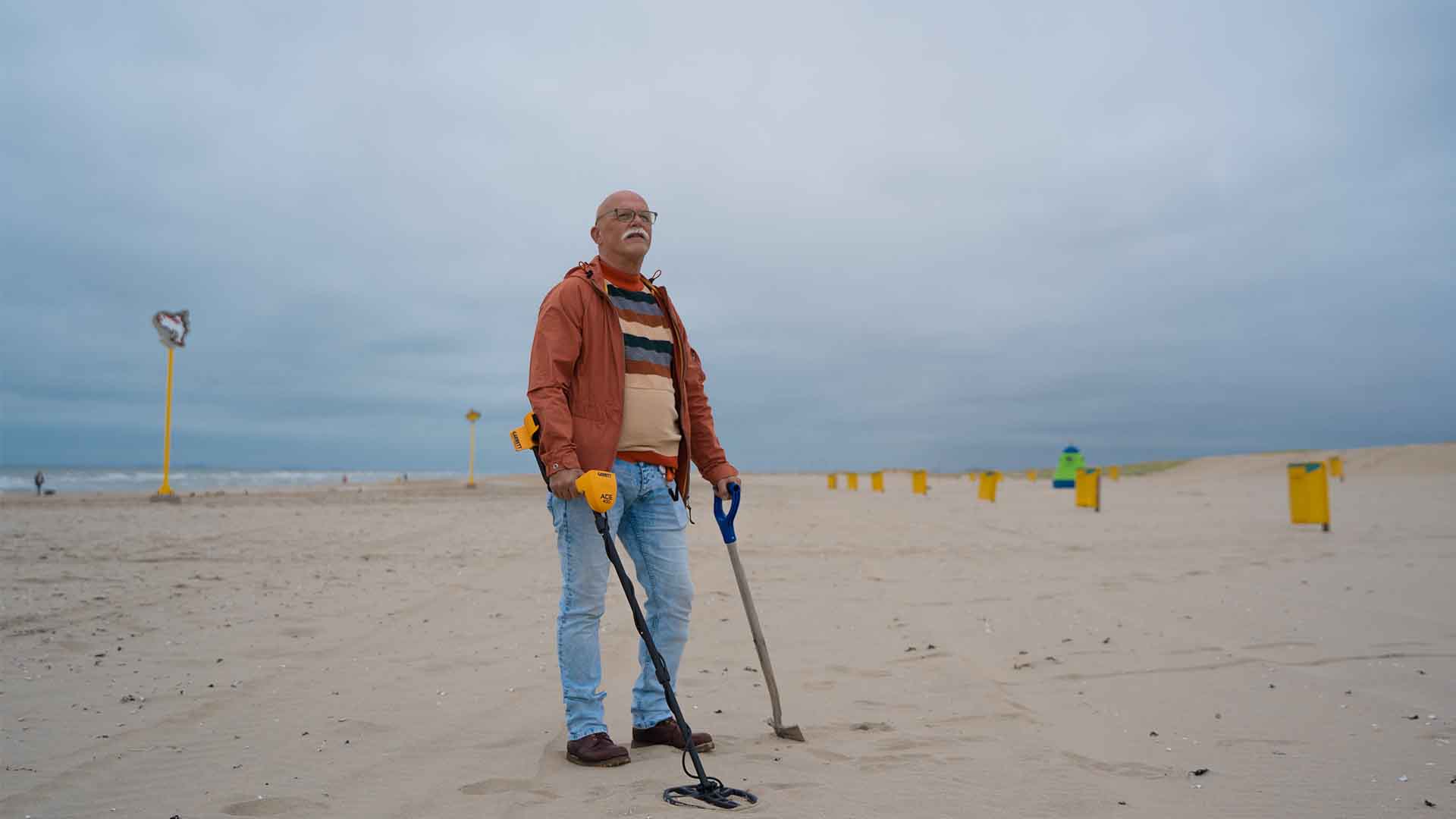
Aasvik shared a photograph with a group of metal-detector users after the find. Lia saw it and came to look. That exchange connected a private discovery with professional assessment.
A detector's signal can locate metal, but it can't date an object or explain why it is there.
A Different Norwegian Find in the Same Year
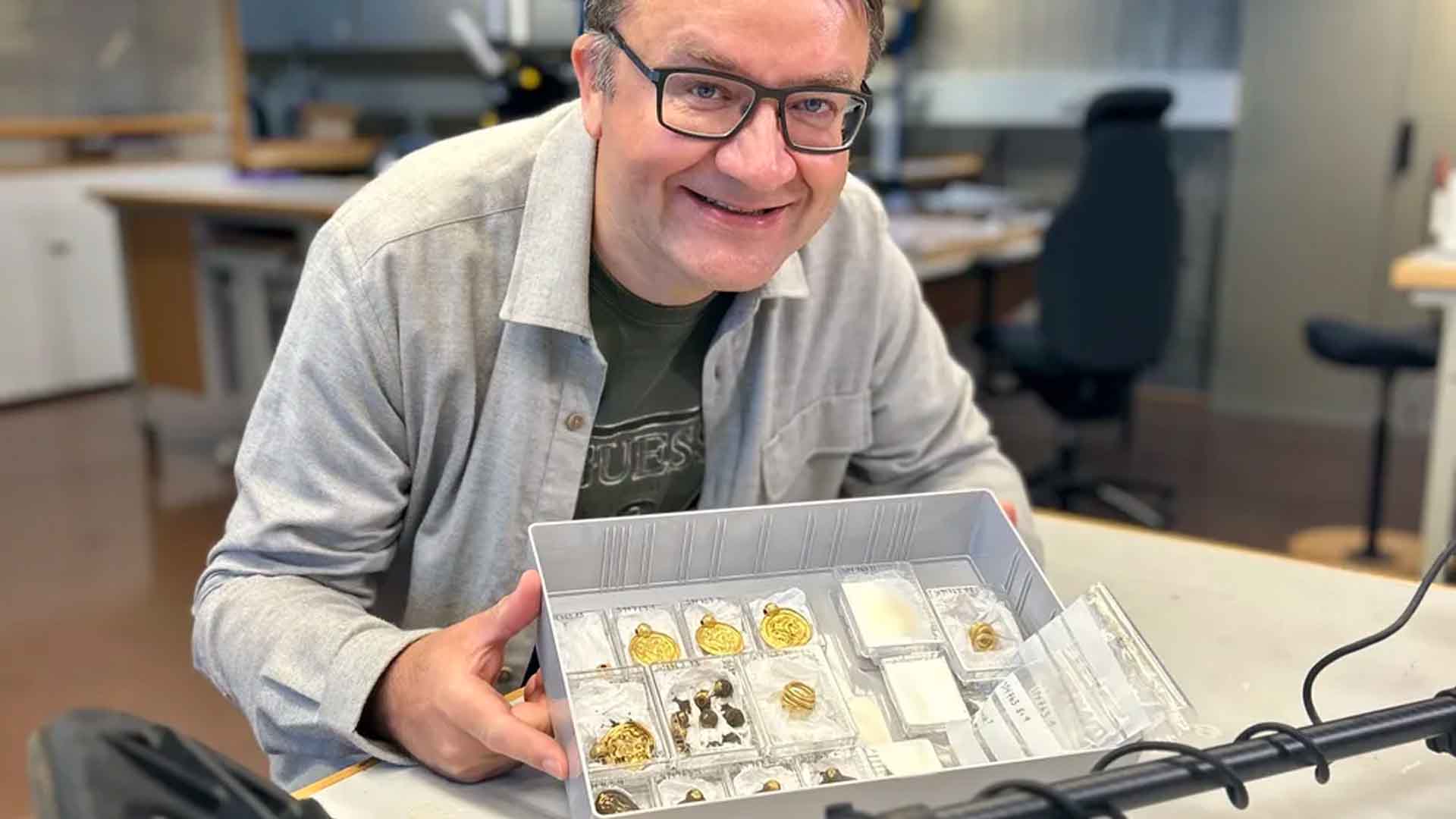
Elsewhere in Norway in 2023, Erlend Bore found gold objects on Rennesøy. They included pendants, rings and beads, dated to around 1,500 years ago. That puts them earlier than the Viking-age brooches from Jomfruland.
The two discoveries attracted attention for different objects in different places.
A Brooch Found Near Cheddar
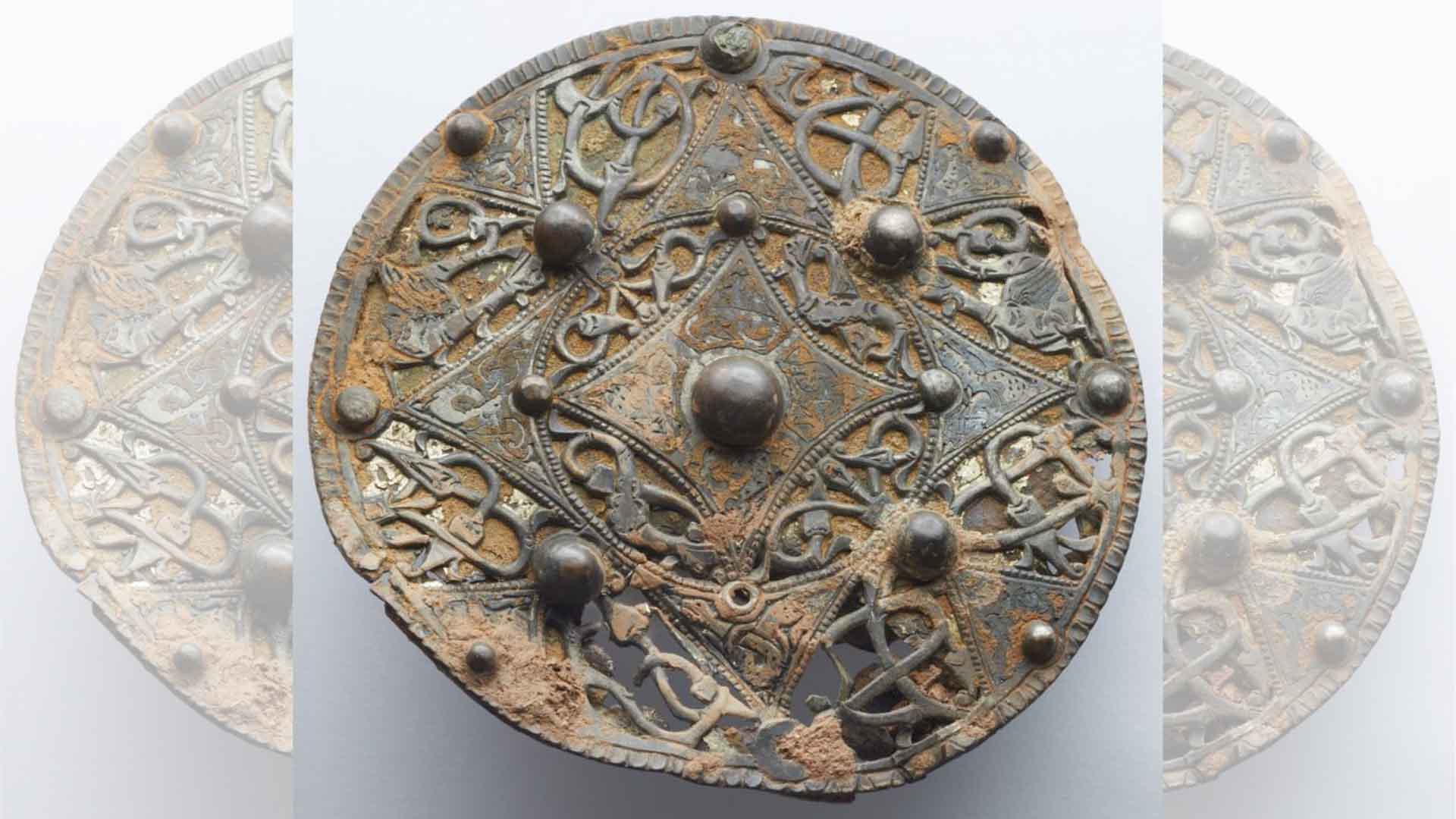
In England, detectorist Iain Sansome found an early medieval disc brooch near Cheddar in 2020. The Museum of Somerset acquired it, according to the South West Heritage Trust's 2023 announcement. It is a separate silver and copper-alloy object.
Sansome reported the find through the Portable Antiquities Scheme. Follow-up work at the site found no further significant objects, the trust said.
The Place Matters Along With the Object
An artefact's position can help explain how it got there. Moving more soil without recording it can remove relationships that archaeologists need to understand a site. That is why an exciting first discovery isn't an invitation to dig up everything nearby.
What It Doesn't Prove About the Island
The find was important evidence of Viking-age activity on Jomfruland. It didn't automatically date every stone cairn on the island or establish what those structures were for. Nor did it prove a settlement stood beside the garden.
Lia said at the time that a related settlement was unknown. A new find can open questions without answering them all at once.
Similar Shapes Aren't the Same History
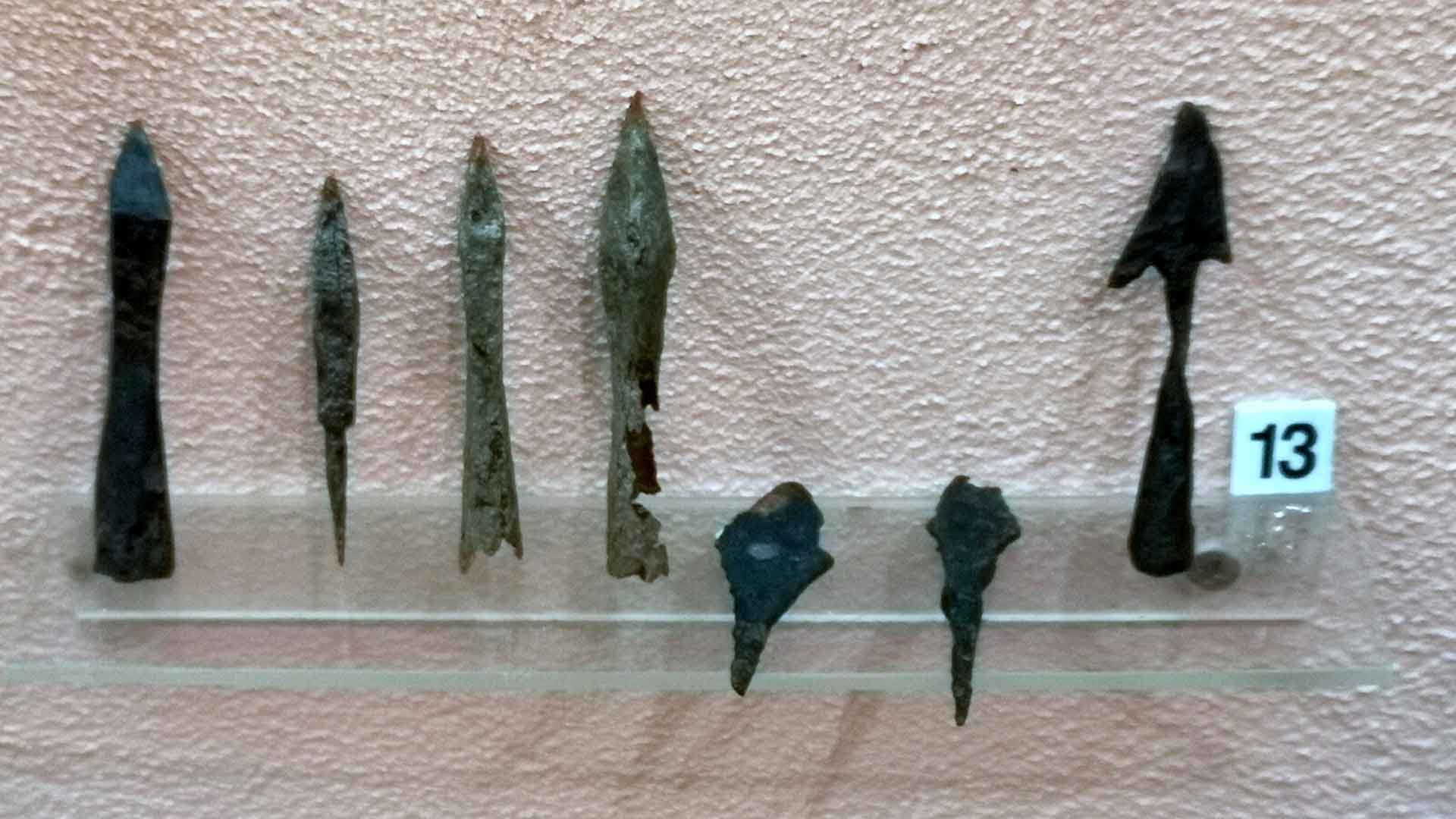
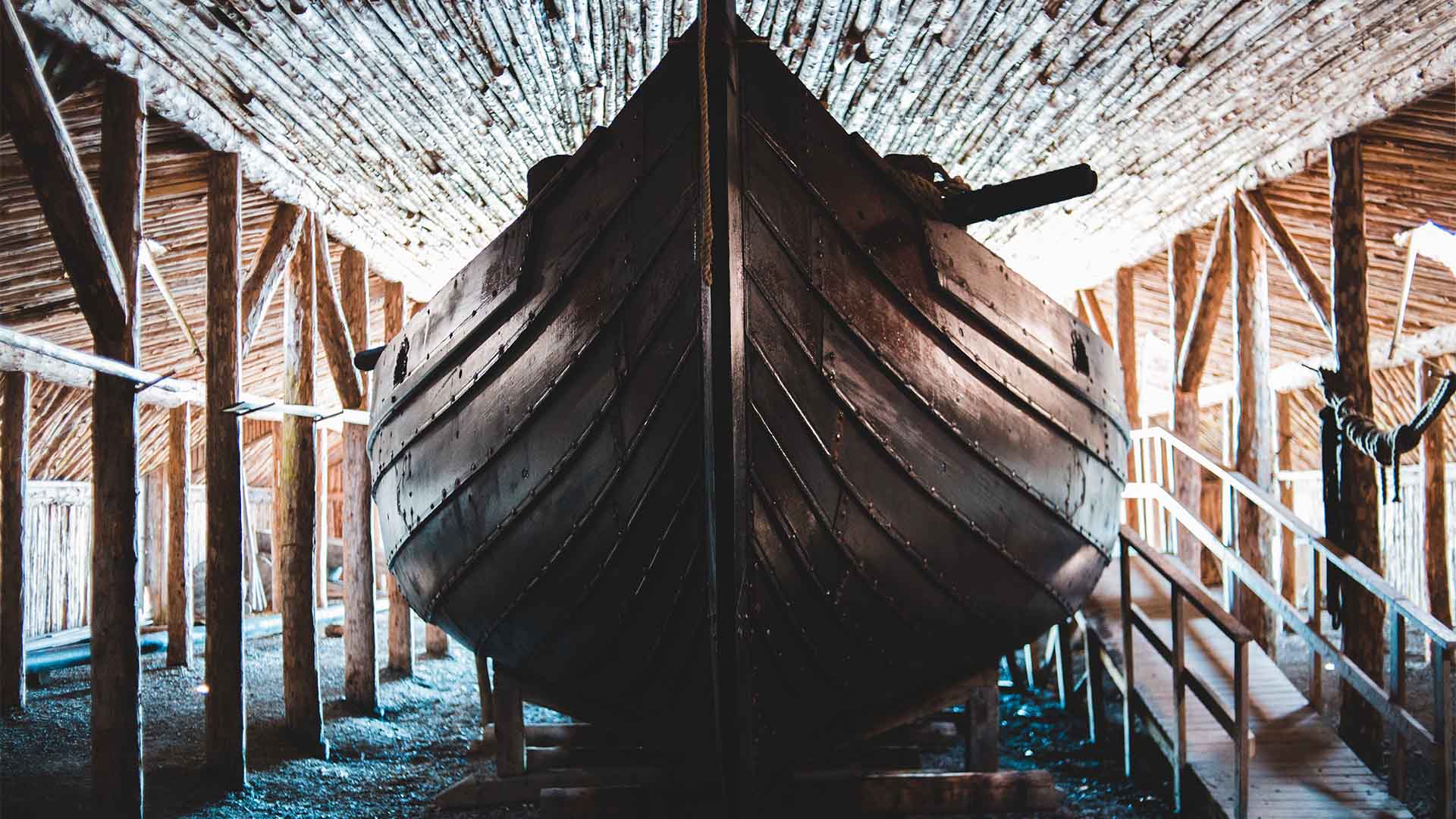
A brooch from one place and an arrowhead from another can both be old without belonging to the same period or people. The arrowheads pictured here are illustrative museum objects, not evidence recovered with the Norwegian brooches.
Dating and context let researchers make comparisons. A collection of intriguing photographs alone can't supply those connections.
A Useful Contribution Can Be a Careful Report
The public can help archaeology by noticing an object and making its location known to the right specialists. The find itself is only part of the information. Where it lay and what was beside it may matter too.
The family's photograph helped bring Lia into this story.
Norway's Guidance Says When to Stop

Riksantikvaren's metal-detecting guidance says to stop immediately if you suspect an automatically protected site. If signals suggest a group of artefacts such as a burial, don't keep digging; report it to the county authority or Sámi Parliament.
Rules differ between countries. A story about a Norwegian garden is not permission to search a protected site elsewhere.
An Earring Search With a Different Result
An earring lost recently had sent Aasvik out with the detector. The objects he reported had been in the ground far longer. One had once helped hold a woman's clothes in place; together, the finds made Lia consider a burial.
Who wore them remained a question. The useful next chapter was an archaeological one, with the objects and their location to study, rather than a story invented about Viking royalty.