
From the archive
Kids Across America Are Failing Tests for an 'Unacceptable' Reason
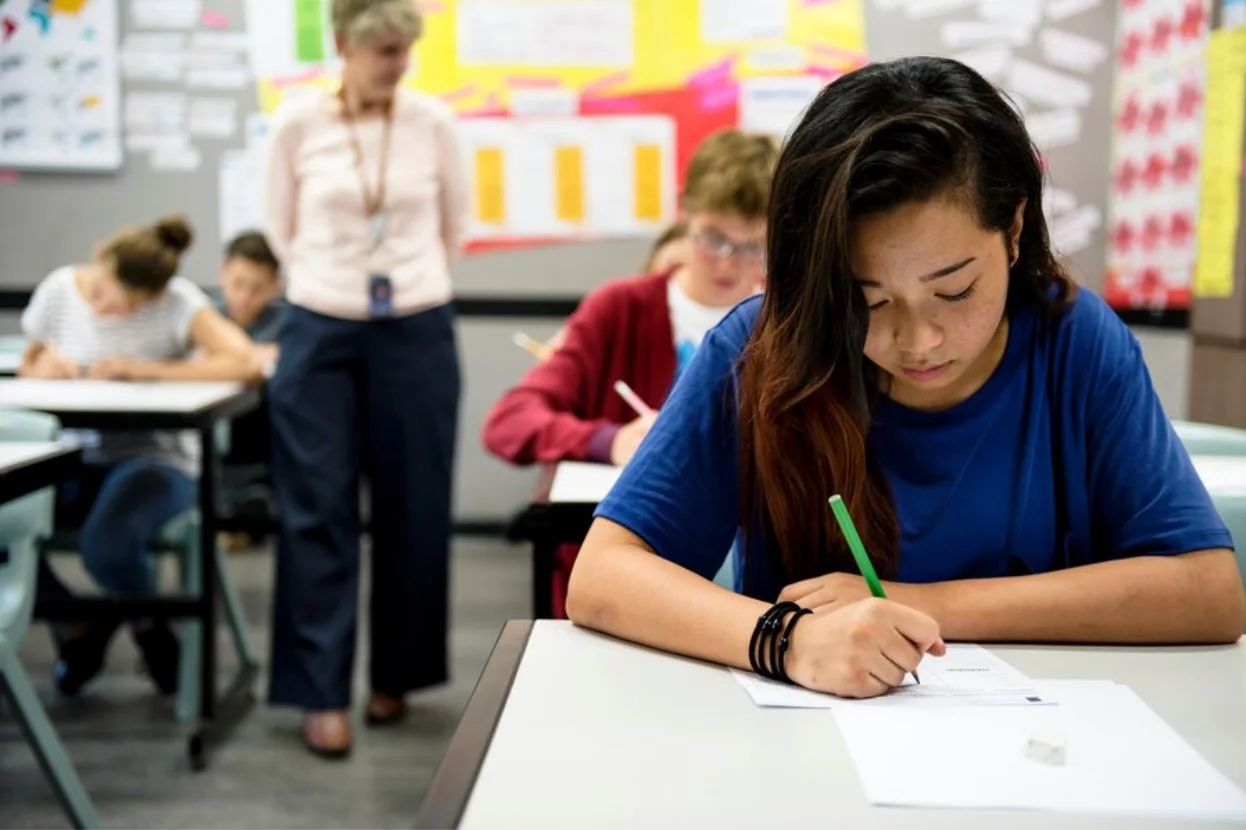
American students are struggling in school, but it’s not because of a disappointing education, lack of intelligence, or even because of the pandemic. In fact, a recent study shows that kids are doing worse on their tests because of rising temperatures.
The Environmental Protection Agency’s Interesting Study
Recently, the Environmental Protection Agency (EPA) conducted a study of how heat impacts learning, and what they found was quite concerning. The study noted that there is a 4% average drop in academic activity in children when it’s just a few degrees warmer than it usually is. And students were 12% more likely to completely fail their tests when the temperature reached 90 degrees.
Heat Impacts Memory
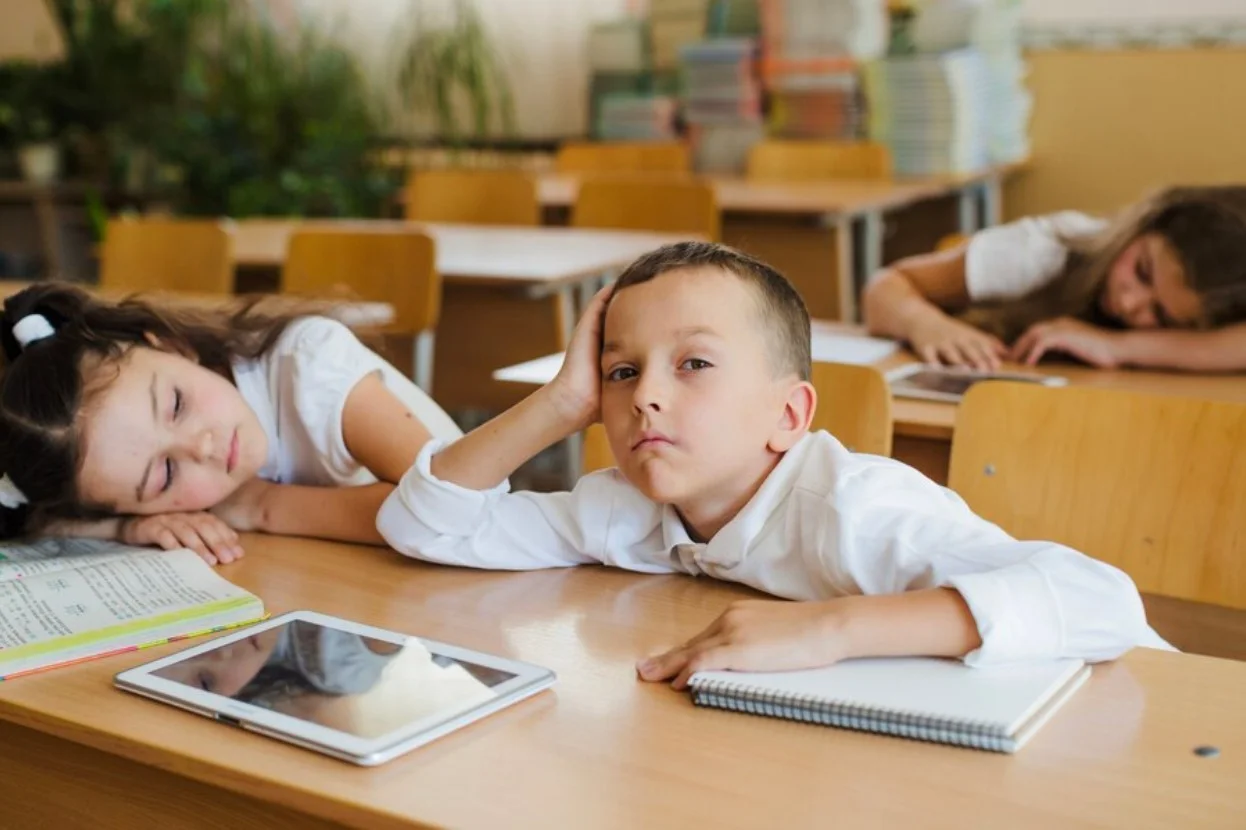
Most people know that when the temperature rises, they tend to become more tired and groggy, which of course, can affect one’s ability to pay attention. But increased temperatures can also affect memory, and coupled with a lack of focus, that directly affects children’s ability to test well.
Children Test Best at 72 Degrees

According to the study, students get the best test scores when the room temperature is 72 degrees Fahrenheit. And that goes for students of all ages. However, the problem is that many schools, and specifically those in the northeast corner of the country, aren’t set up to cool down their classrooms.
Many Schools Were Built to Retain Heat
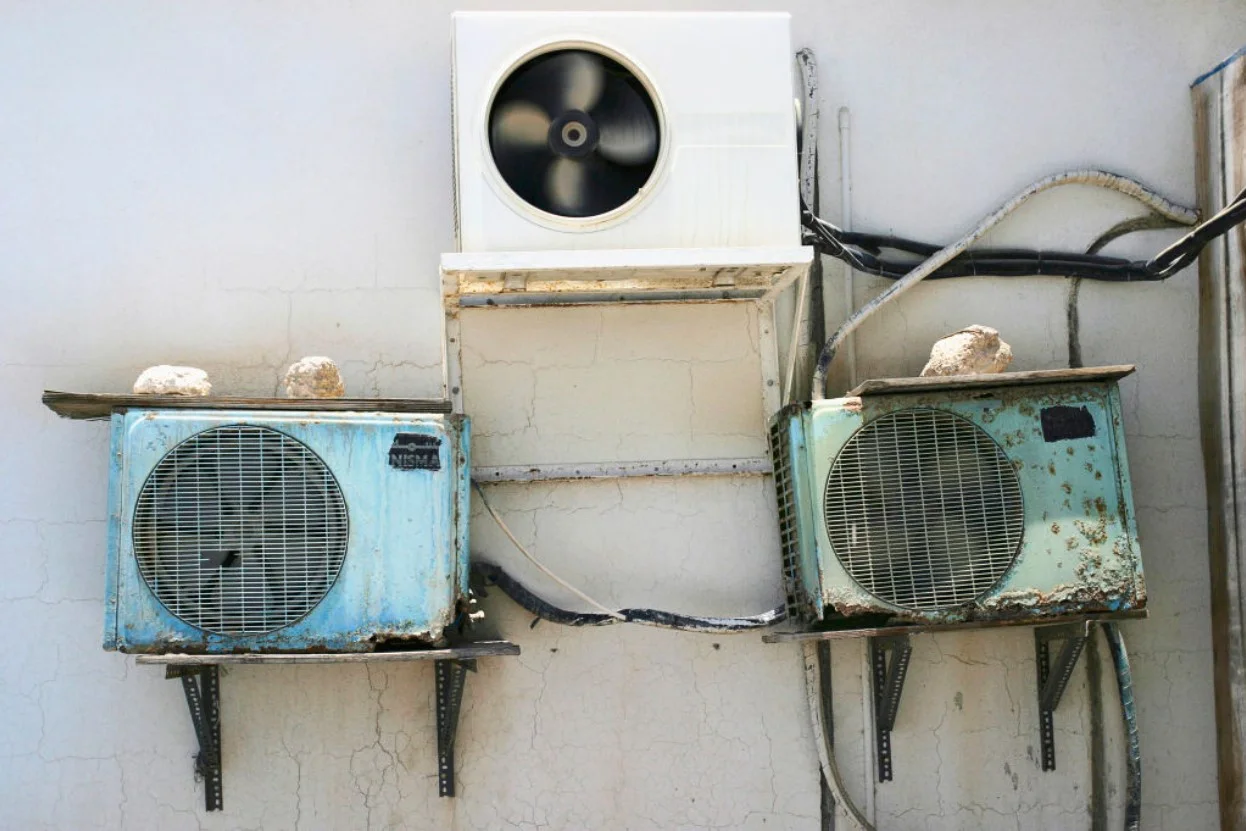
Dr. Joseph Allen from Harvard University T.H. Chan School of Public Health told the media that many of America’s schools were built to retain heat, especially in cities such as Boston, New York, Washington D.C., and Philadelphia. He also explained that 41% of school districts around the country are in need of updated HVAC systems. Meaning that almost half the schools in the country have outdated and second-rate cooling systems.
With Rising Temperatures, American Children Will Struggle in School
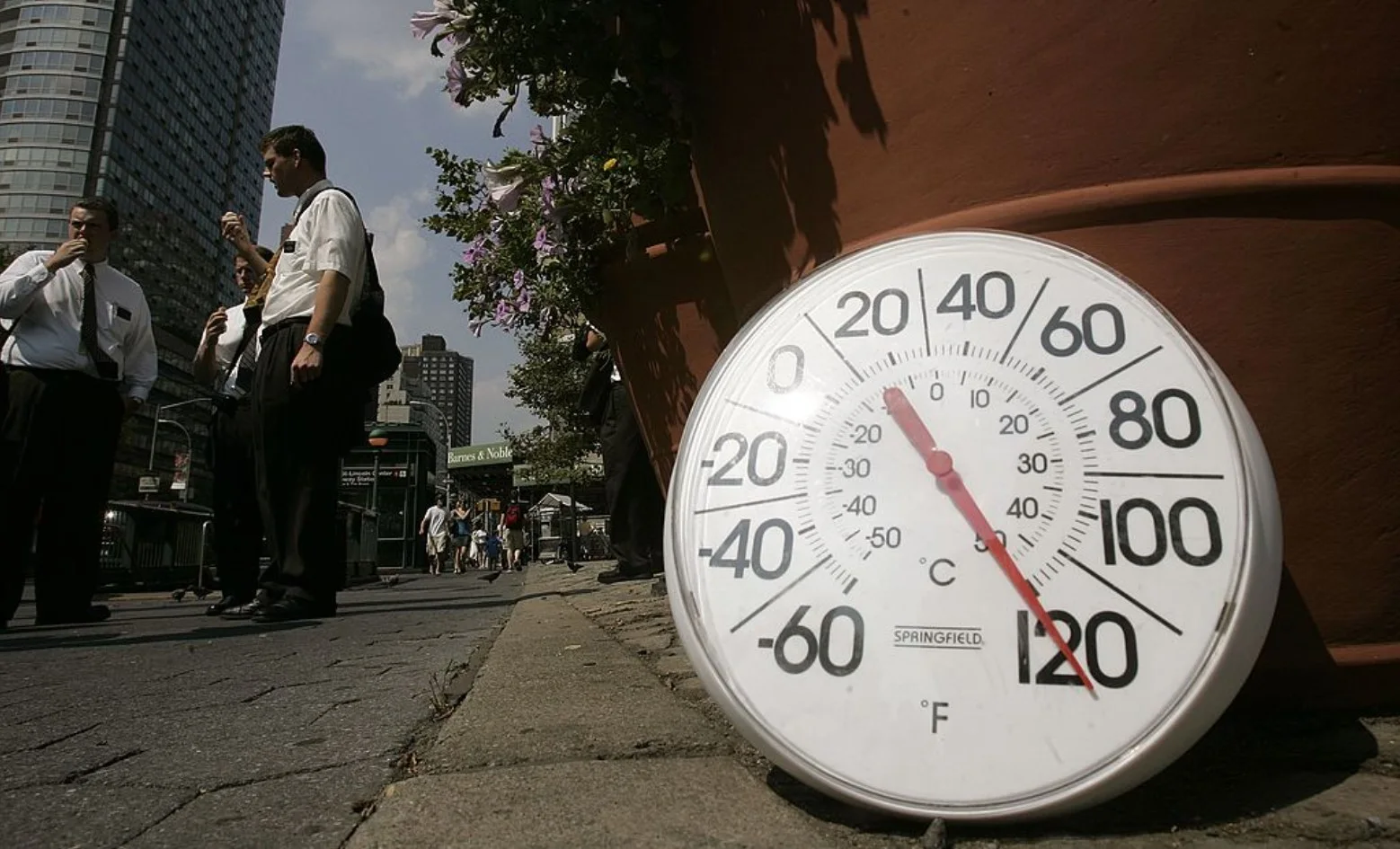
This information is more important now than ever as the country and the world as a whole is experiencing higher temperatures than ever before. In fact, Climate.gov has reported that the Earth’s overall temperature has risen 2 degrees Fahrenheit since 1880, but that the rate of warming has doubled since 1981.
The 10 Warmest Years on Record

What’s even scarier is that the 10 warmest years ever recorded were all after the year 2010. And while people around the world are desperately fighting to protect the planet and help cool it down for future generations, many don’t realize that this reality is affecting children right now.
Dr. Allen Said What Everyone Is Thinking
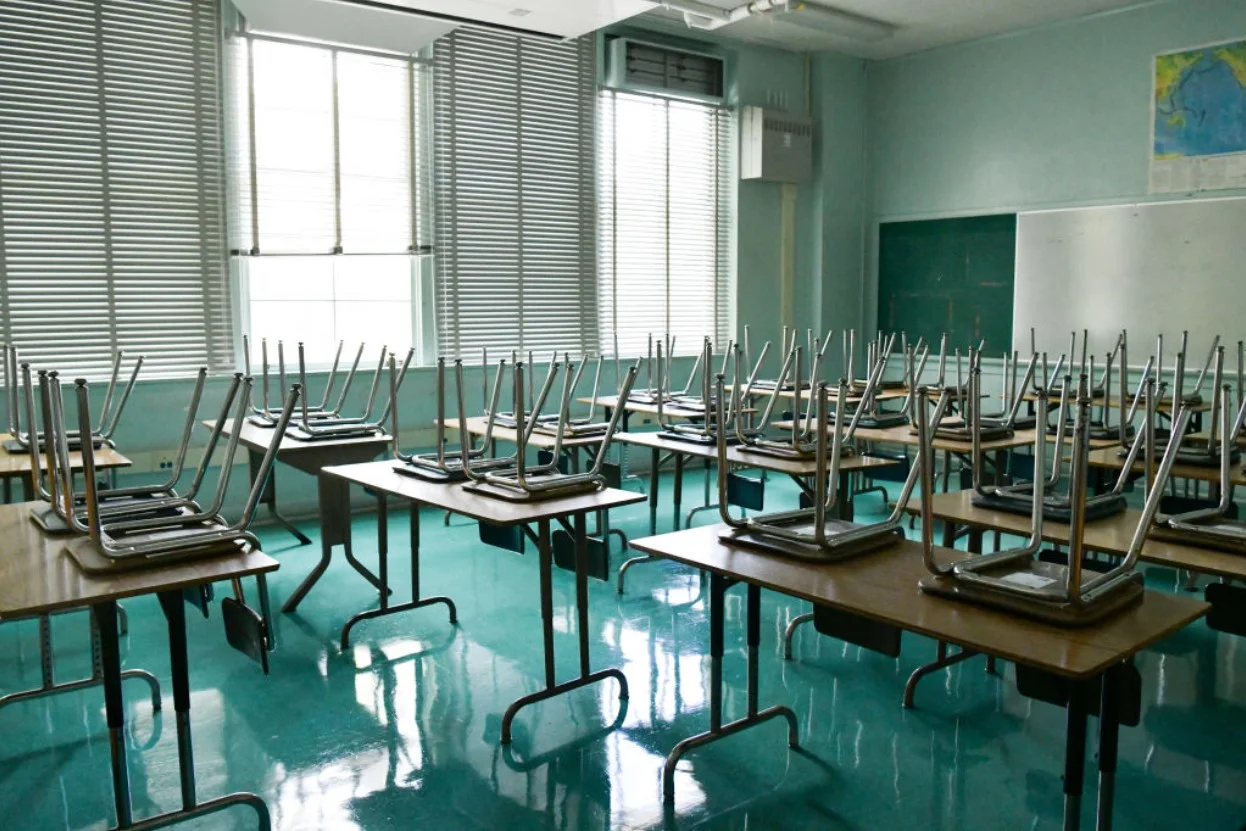
In a recent interview, Dr. Allen from Harvard explained the study’s findings. He said, “[I]t turns out temperature on the day of the test is going to have this impact on test scores. And this is something we see across every age group.”Allen continued, “We shouldn’t even be having this conversation. It is totally unacceptable that we would have kids in a learning environment that was not safe, comfortable and healthy.”
Changes Can and Should Be Made
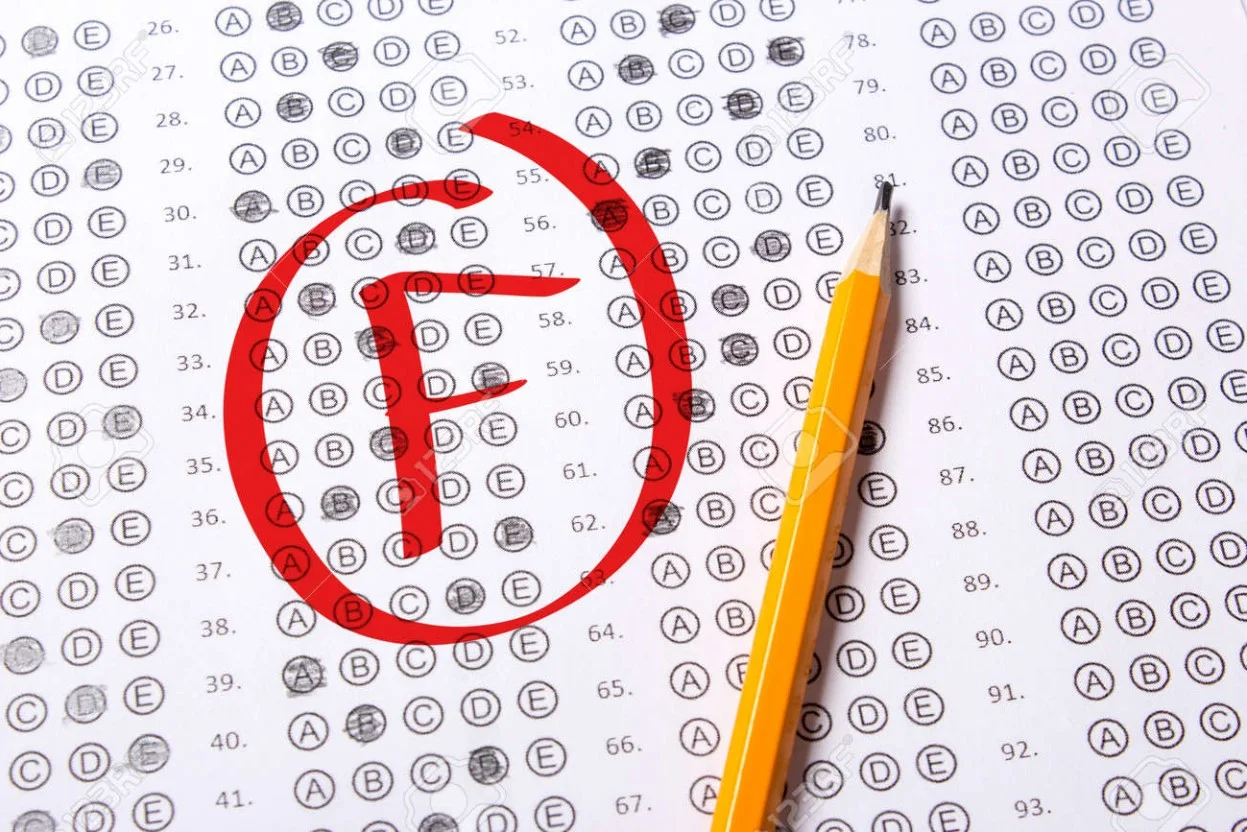
In order to ensure the next generation gets the education they deserve, it’s vital that the American government assists the school districts in improving their air conditioning units. No one wants to see these children fail, but if they cannot be educated and tested in a comfortable environment, that may be a possibility for many.
Talk to Your Children About Overheating

The EPA has also released several statements that encourage parents, teachers, and caretakers to talk to children of all ages about overheating. That includes the importance of staying hydrated, recognizing signs of heat stroke, and now, how to stay cool and focused in school while it’s extremely warm.
How to Stay Cool in the Classroom

Children and even teenagers need to understand the importance of drinking water throughout the day, as well as eating properly and even using small hand held fans to stay cool throughout the day. While this phenomenon will certainly affect some children more than others, the EPA recommends paying attention to how your children respond to extreme heat to better prepare them for when they’re alone.
Big Picture Changes
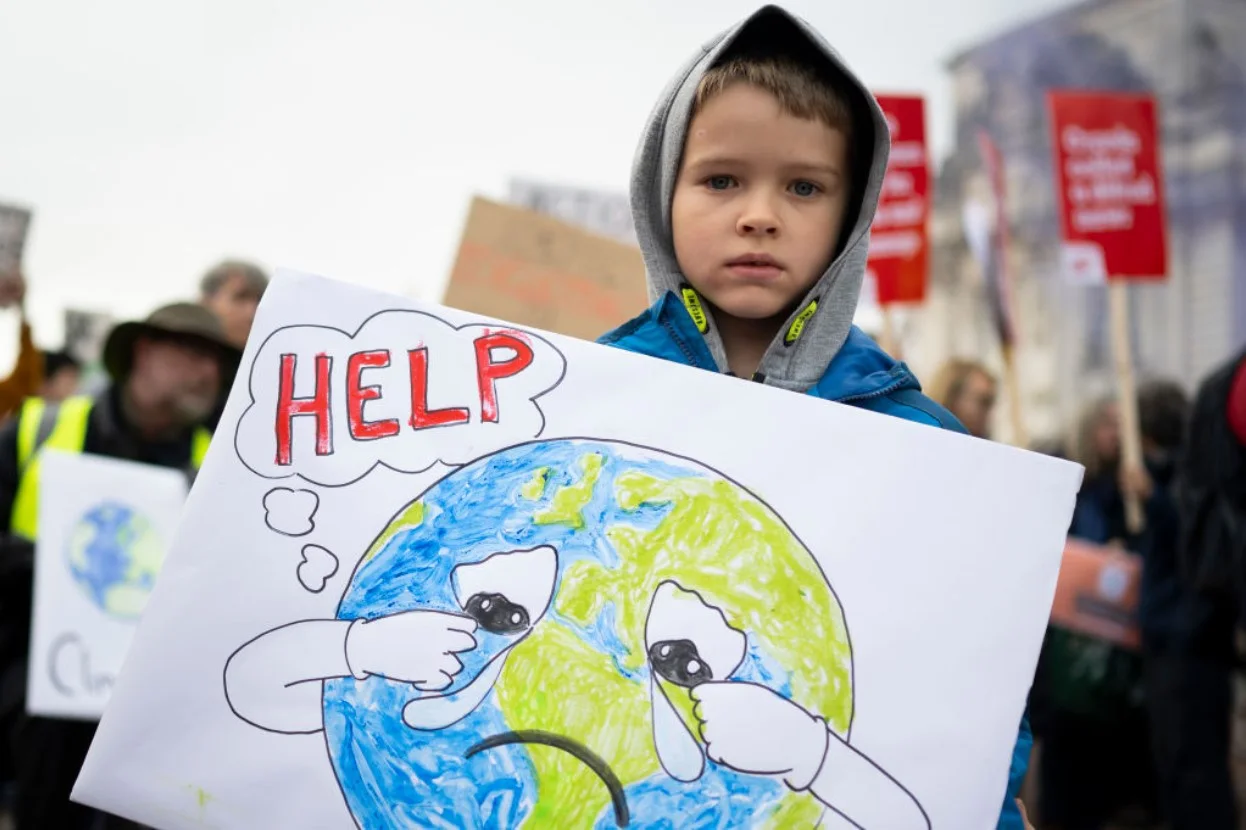
Of course, helping children stay hydrating and improving HVAC systems is a bandaid on a bullet wound. Realistically, in order to ensure the next and even consequent generations can learn and live on this planet, much more drastic changes need to happen right now.